
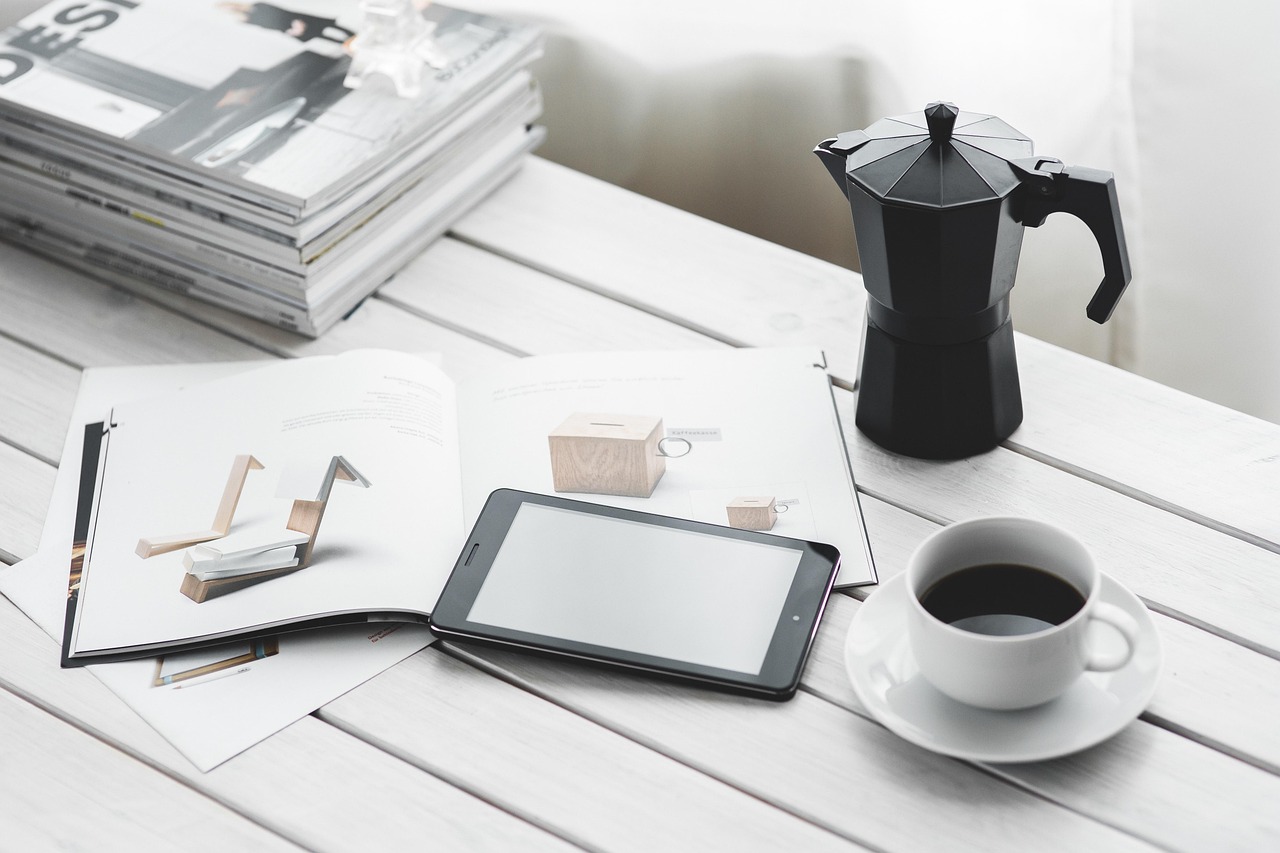
In a world that never stops moving, our constant companions are the sleek, powerful devices nestled in our pockets and bags. Mobile devices have transcended their initial purpose as mere communication tools, evolving into indispensable extensions of ourselves. From enabling instantaneous global conversations to powering complex business operations and providing endless entertainment, these technological marvels have fundamentally reshaped how we live, work, and interact. Join us as we explore the profound impact, diverse capabilities, and exciting future of mobile devices, understanding why they are at the heart of our modern digital existence.
The Unstoppable Evolution: From Bricks to Breakthroughs
The journey of mobile devices is a testament to relentless innovation, transforming from bulky, niche gadgets into essential daily tools. This incredible evolution highlights humanity’s drive for connectivity and information at our fingertips.
A Brief History of Mobile Computing
- Early Milestones: The first commercial handheld mobile phone, the Motorola DynaTAC 8000X, introduced in 1983, weighed nearly 2 pounds and offered 30 minutes of talk time. These early “bricks” were status symbols, primarily for voice calls.
- Feature Phones Era: The 1990s and early 2000s saw the rise of feature phones, offering text messaging, basic internet access (WAP), and simple games. Nokia and Ericsson dominated this era, making mobile phones more accessible.
- The Smartphone Revolution: The launch of Apple’s iPhone in 2007, followed swiftly by Google’s Android platform, ushered in the modern smartphone era. These devices combined powerful computing, a full internet browser, touchscreens, and app ecosystems, forever changing the landscape of mobile technology.
- Beyond the Handset: The definition of mobile devices expanded to include tablets and wearable technology like smartwatches, extending computing power to various form factors and use cases.
Transforming Daily Life and Industries
The impact of mobile devices is pervasive, touching nearly every aspect of human life and driving significant changes across industries.
- Personal Connectivity: Instant communication via calls, messages, and video chats, breaking down geographical barriers. Access to information is immediate, from breaking news to educational resources.
- Economic and Business Growth: Enabling e-commerce and m-commerce, fostering remote work, and providing tools for mobile productivity. Businesses leverage mobile platforms for marketing, sales, and customer service, driving digital transformation.
- Healthcare and Wellness: Mobile apps for fitness tracking, telemedicine consultations, and managing chronic conditions. Wearables monitor vital signs, promoting proactive health management.
- Entertainment and Media: Streaming movies, music, and games on the go. Mobile photography and videography have become sophisticated art forms, shared globally in an instant.
Actionable Takeaway: Reflect on how a specific chore or task in your daily life has been significantly simplified or improved by your mobile device. Could you further optimize this process using another app or feature?
Beyond the Phone Call: Diverse Mobile Device Categories
The term “mobile device” now encompasses a broad spectrum of gadgets, each designed with specific strengths to meet varied user needs, from powerful communication hubs to specialized health trackers.
Smartphones: The Pocket Supercomputers
Smartphones are the quintessential mobile devices, serving as our primary interface with the digital world. They are packed with advanced features that make them indispensable.
- High-Resolution Cameras: Advanced multi-lens systems, computational photography, and AI enhancements allow users to capture professional-quality photos and 4K videos.
- Powerful Processors: Modern smartphone chipsets rival desktop computers, enabling complex gaming, augmented reality (AR) experiences, and seamless multitasking.
- Advanced Sensors: GPS, accelerometers, gyroscopes, biometric scanners (fingerprint, facial recognition), and ambient light sensors contribute to a rich user experience and advanced functionality.
- Operating Systems: Dominated by iOS (Apple) and Android (Google), these platforms provide intuitive interfaces and robust ecosystems for apps and services.
Examples: Apple iPhone 15 Pro Max, Samsung Galaxy S24 Ultra, Google Pixel 8 Pro.
Tablets: Bridging the Gap Between Phone and Laptop
Tablets offer a larger screen format than smartphones, making them ideal for content consumption, creative work, and specific professional tasks, often supported by accessories like styluses and keyboards.
- Larger Displays: Ranging from 8 to 13 inches, these screens provide an immersive experience for streaming video, reading, and graphic design.
- Versatile Use Cases: Excellent for digital art, note-taking, presenting, and media consumption. With keyboard attachments, they can transform into lightweight productivity machines, perfect for students and mobile professionals.
- Processing Power: Many high-end tablets feature chips comparable to those in laptops, offering formidable performance for demanding applications.
Examples: Apple iPad Pro, Samsung Galaxy Tab S9, Microsoft Surface Go.
Wearable Technology: Data on Your Wrist (and Beyond)
Wearable devices extend mobile computing to our bodies, providing convenient access to information and continuous health monitoring.
- Smartwatches: Offer notifications, fitness tracking (heart rate, steps, sleep), mobile payments, and even cellular connectivity directly from the wrist.
- Fitness Trackers: Focus primarily on health metrics, encouraging active lifestyles with personalized insights and goals.
- Emerging Wearables: Smart rings (like the Oura Ring for sleep and activity tracking) and AR glasses are pushing the boundaries of how we interact with digital information in a hands-free manner.
Examples: Apple Watch Series 9, Garmin Fenix 7, Fitbit Charge 6.
Actionable Takeaway: Evaluate your daily routine and identify if a different type of mobile device, beyond your smartphone, could significantly enhance your productivity, health monitoring, or entertainment experience.
The App Revolution: Fueling Mobile Device Capabilities
The true power of mobile devices lies not just in their hardware but in the vast ecosystem of applications that turn them into personalized tools for virtually any task imaginable.
Operating Systems: iOS vs. Android
The foundation of the app revolution rests on robust operating systems, primarily iOS and Android, which dictate the user experience and app availability.
- iOS (Apple): Known for its seamless integration across Apple devices, strong security, and a curated app store. Offers a premium and intuitive user experience.
- Android (Google): Characterized by its open-source nature, vast customization options, and broad device compatibility across numerous manufacturers. Dominates global market share due to its flexibility.
- Developer Ecosystems: Both platforms boast millions of apps, creating vibrant developer communities and fierce competition to deliver innovative solutions.
A World of Apps: Productivity, Entertainment, and More
From practical tools to endless sources of distraction, mobile apps have revolutionized how we interact with the digital world.
- Productivity Apps: Microsoft 365, Google Workspace, Slack, Trello. These apps enable remote work, document collaboration, and project management on the go.
- Communication Apps: WhatsApp, Zoom, FaceTime, Telegram. Facilitate instant messaging, video conferencing, and group chats, keeping us connected globally.
- Entertainment Apps: Netflix, Spotify, TikTok, mobile games. Offer on-demand content, personalized playlists, and engaging social experiences.
- Financial and Health Apps: Mobile banking apps, investment platforms, fitness trackers, meditation guides. Empower users to manage their finances and well-being proactively.
Seamless Integration and Connectivity
Modern mobile devices are designed to connect seamlessly with each other and the broader digital infrastructure, thanks to advanced connectivity options.
- Cloud Services: iCloud, Google Drive, Dropbox. Allow for automatic backup, synchronization of data across devices, and easy sharing of files.
- High-Speed Connectivity: 5G networks offer ultra-fast speeds and low latency, unlocking new possibilities for streaming, gaming, and cloud computing on the go. Wi-Fi 6E further enhances local network performance.
- Bluetooth and NFC: Enable connections with accessories like headphones, smartwatches, and facilitate contactless payments.
- IoT Integration: Many mobile apps serve as central control hubs for smart home devices, allowing users to manage lights, thermostats, and security systems remotely.
Actionable Takeaway: Take an audit of your most frequently used apps. Are there any new apps or features you could explore to automate a repetitive task or enhance a specific hobby or interest?
Navigating the Digital Landscape: Security and Responsible Use
As mobile devices become more integral to our lives, ensuring their security and using them responsibly is paramount. Protecting our data and well-being requires conscious effort.
Protecting Your Mobile World: Essential Security Practices
The convenience of mobile devices comes with the responsibility of safeguarding your personal information and digital assets.
- Strong Authentication: Always use strong, unique passwords or passcodes. Enable biometric security (fingerprint, face unlock) and Two-Factor Authentication (2FA) for all critical accounts.
- Software Updates: Regularly update your device’s operating system and apps. Updates often include critical security patches that protect against new vulnerabilities.
- App Permissions: Be mindful of the permissions apps request (e.g., access to your location, camera, microphone). Grant only what’s necessary for the app to function.
- Public Wi-Fi Caution: Avoid conducting sensitive transactions (banking, shopping) on unsecured public Wi-Fi networks. Consider using a Virtual Private Network (VPN) for added security.
- Remote Wipe: Familiarize yourself with your device’s “find my phone” features (e.g., Apple’s Find My, Google’s Find My Device) which allow you to remotely locate, lock, or wipe your device if it’s lost or stolen.
Privacy Concerns and Data Management
Our mobile devices collect a vast amount of data. Understanding and managing your privacy settings is crucial in the age of big data.
- Location Tracking: Many apps and services track your location. Review and adjust location services settings for individual apps and your device’s overall privacy preferences.
- Data Collection: Be aware of the data apps collect and how it’s used. Read privacy policies (or at least their summaries) before installing new apps.
- Ad Personalization: Mobile operating systems offer options to limit ad tracking. Adjust these settings to reduce personalized advertisements.
Digital Well-being and Balanced Usage
While powerful, excessive or unmindful use of mobile devices can impact mental health, productivity, and sleep. Promoting digital well-being is increasingly important.
- Screen Time Management: Use built-in features (e.g., iOS Screen Time, Android Digital Wellbeing) to monitor usage, set limits, and schedule downtime.
- Notifications Control: Disable non-essential notifications to reduce interruptions and regain focus.
- Digital Detox: Schedule periods away from your device, especially before bedtime, to improve sleep quality and foster real-world interactions.
- Mindful Engagement: Use your mobile device as a tool, not a constant source of distraction. Be present in your surroundings.
Actionable Takeaway: Pick one security setting you’ve been meaning to check (e.g., 2FA for your email, app permissions for your camera) and update it today. Additionally, try a 30-minute “digital detox” before bed tonight.
The Horizon of Mobile Innovation: What’s Next?
The pace of innovation in mobile technology shows no signs of slowing down. The future promises even more integrated, intelligent, and intuitive devices that will continue to redefine our capabilities.
Emerging Technologies and Trends
The next wave of mobile innovation is already on the horizon, promising revolutionary advancements.
- Advanced AI Integration: On-device AI will become more sophisticated, offering hyper-personalized experiences, predictive assistance, and enhanced natural language processing for voice commands and real-time translation.
- Foldable and Flexible Displays: Beyond current foldable phones, future devices may feature rollable or stretchable displays, offering dynamic screen sizes and new form factors for increased portability and versatility.
- Augmented and Virtual Reality: Devices like Apple Vision Pro and Meta Quest are blurring the lines between physical and digital. Future mobile devices will likely integrate more seamlessly with AR/VR headsets, offering immersive experiences for work, entertainment, and communication.
- Enhanced Connectivity: Further advancements in 5G and the advent of 6G will enable even faster speeds, lower latency, and massive device connectivity, powering the Internet of Everything (IoE).
- Sustainable Mobile Tech: A growing focus on eco-friendly materials, longer device lifecycles, and energy-efficient components will drive sustainable innovation in manufacturing and usage.
Impact on Society and Business
These emerging technologies will have profound implications, further shaping society and pushing the boundaries of what businesses can achieve.
- Hyper-Personalization: Mobile devices will become incredibly adept at anticipating needs, offering proactive solutions in health, travel, shopping, and more.
- New Workflows: AR-powered collaboration tools and devices will revolutionize remote work, allowing for more immersive and interactive virtual meetings and design sessions.
- Healthcare Revolution: Continuous health monitoring through advanced wearables and AI analytics will lead to even earlier disease detection and highly personalized treatment plans.
- Retail Transformation: Mobile AR will enhance shopping experiences, allowing customers to virtually “try on” clothes or “place” furniture in their homes before purchase.
Actionable Takeaway: Stay informed about upcoming mobile innovations by following reputable tech news outlets or subscribing to industry podcasts. Understanding these trends can help you prepare for and leverage future mobile capabilities.
Conclusion
From their humble beginnings as clunky communication tools to their current status as powerful, pocket-sized supercomputers, mobile devices have redefined our world. They serve as conduits for information, platforms for creativity, engines for productivity, and essential links to our communities. As we look to the future, the pace of mobile innovation promises even more transformative experiences, seamlessly blending the digital and physical realms.
Embracing the benefits of these remarkable gadgets while navigating the challenges of security, privacy, and responsible usage is crucial. By understanding their capabilities and being mindful of their impact, we can ensure that mobile technology continues to empower us, enhancing our lives in ways we are only just beginning to imagine.