
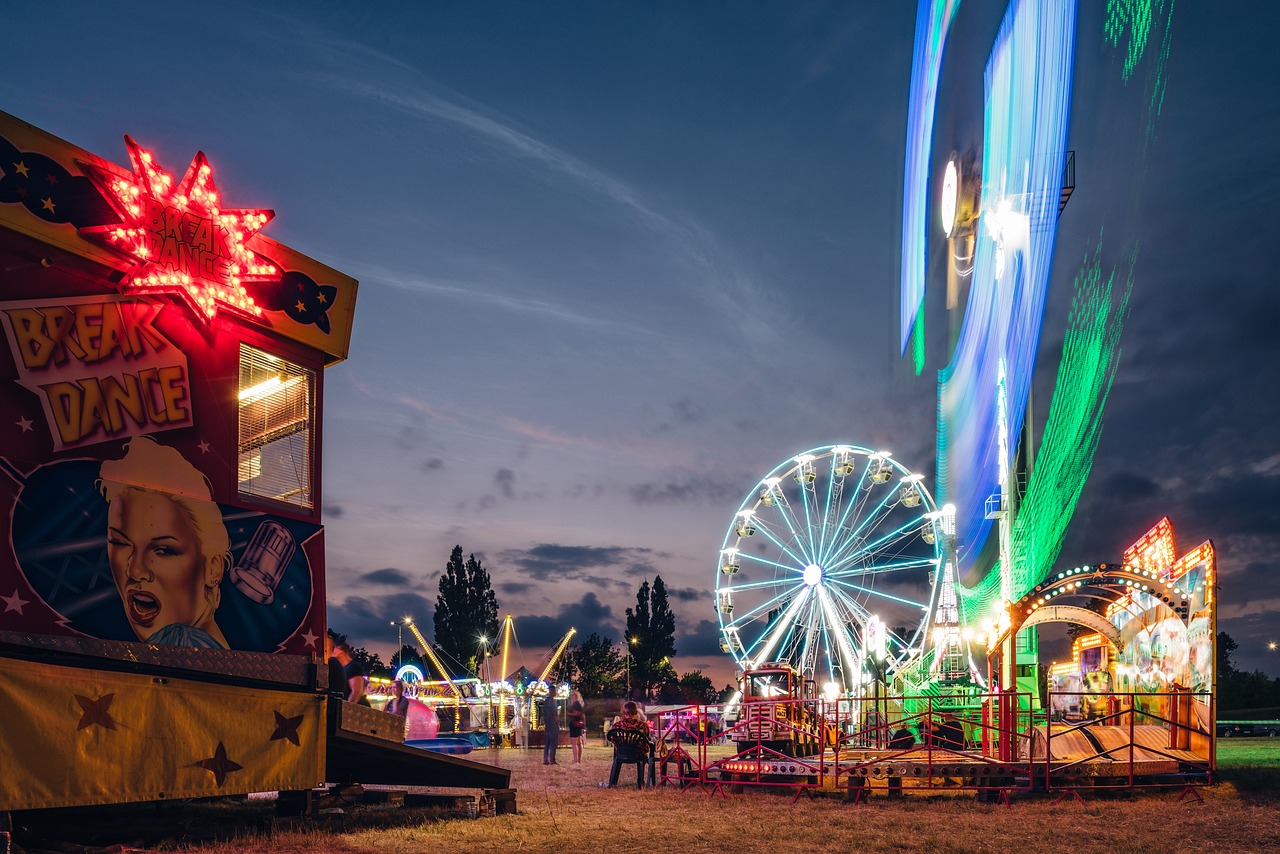
From the vibrant streets of Rio de Janeiro to the historic grounds of Munich, festivals are timeless celebrations that ignite the human spirit across every continent. More than just events, they are profound expressions of culture, community, and joy, weaving together diverse traditions, arts, and culinary delights into an unforgettable tapestry. Whether you’re drawn by the pulsating rhythm of live music, the aromatic allure of global cuisine, or the deep reverence of spiritual gatherings, festivals offer a unique window into the heart and soul of humanity, creating shared memories that transcend boundaries and foster a sense of universal connection.
The Universal Language of Celebration: Why Festivals Matter
Festivals stand as enduring testaments to humanity’s innate need to celebrate, commemorate, and connect. They are vital arteries through which cultural heritage flows, community bonds strengthen, and local economies thrive.
Cultural Preservation and Identity
Festivals serve as powerful vehicles for preserving and celebrating cultural identity. They provide platforms for generations to share stories, rituals, and artistic expressions, ensuring that traditions endure and evolve.
- Diwali (India): The “Festival of Lights” symbolizes the triumph of good over evil, celebrated with lamps, fireworks, and family feasts, reflecting Hindu, Sikh, and Jain traditions.
- Oktoberfest (Germany): A global celebration of Bavarian culture, featuring traditional music, costumes, and, of course, beer, drawing millions to Munich each year.
- Day of the Dead (Mexico): Día de los Muertos is a vibrant, respectful celebration of deceased loved ones, with altars, marigolds, and sugar skulls, emphasizing life’s continuity.
Actionable Takeaway: Engage with local customs and traditions when attending a festival to truly appreciate its cultural depth.
Fostering Community and Connection
At their core, festivals are about bringing people together. They dismantle social barriers, creating spaces for shared experiences, collective joy, and the forging of new friendships.
- Shared Experiences: Participating in a parade, dancing to live music, or sharing a meal fosters a strong sense of camaraderie among attendees.
- Intergenerational Bonding: Festivals often involve activities for all ages, allowing families to create lasting memories together.
- Cross-Cultural Dialogue: International festivals, in particular, encourage understanding and appreciation among diverse groups, promoting peace and global harmony.
Practical Example: The annual Notting Hill Carnival in London unites diverse communities in a spectacular display of Caribbean culture, music, and dance, attracting over a million people and fostering a powerful sense of unity.
Economic Impact and Tourism
Beyond their cultural and social benefits, festivals are significant economic drivers, stimulating local economies and boosting tourism.
- Revenue Generation: Festivals generate revenue through ticket sales, vendor fees, and increased spending on accommodation, food, and local services.
- Job Creation: They create temporary and permanent jobs in event management, hospitality, security, and retail sectors.
- Destination Marketing: High-profile festivals put cities and regions on the global map, attracting tourists and encouraging repeat visits long after the event concludes.
Statistic: According to a 2019 study, the UK’s live music industry, heavily reliant on festivals, contributed £5.8 billion to the economy and supported 190,000 jobs.
Diverse Tapestry of Festival Types
Festivals come in countless forms, each offering a unique experience tailored to different interests and passions. Understanding these categories can help you discover your next great adventure.
Music and Arts Festivals
These festivals are a haven for creative expression, showcasing talent across various genres of music, visual arts, performance, and more.
- Glastonbury Festival (UK): One of the world’s most iconic performing arts festivals, featuring contemporary music, dance, comedy, theater, and circus acts.
- Coachella Valley Music and Arts Festival (USA): Known for its eclectic music lineup, art installations, and celebrity attendees, setting trends in music and fashion.
- Edinburgh Fringe Festival (Scotland): The largest arts festival in the world, offering thousands of performances in comedy, theatre, dance, and music, transforming the city into a vibrant stage.
Actionable Takeaway: Research the full lineup and alternative stages; some of the most memorable experiences happen off the main stage.
Religious and Spiritual Festivals
Rooted in faith and tradition, these festivals are often deeply personal and communal, involving rituals, prayers, and celebratory gatherings.
- Holi (India/Nepal): The “Festival of Colors” celebrates spring, love, and new life, with participants joyously throwing colored powders and water.
- Eid al-Fitr (Global): Marking the end of Ramadan, this Muslim festival involves prayers, feasting, gift-giving, and charitable acts, emphasizing gratitude and community.
- Christmas (Global): Celebrated by Christians worldwide, commemorating the birth of Jesus Christ with family gatherings, gift exchanges, and religious services.
Practical Example: During Vesak in Southeast Asia, Buddhists celebrate the birth, enlightenment, and passing of Buddha with temple visits, lantern processions, and acts of charity, illustrating profound spiritual devotion.
Food and Beverage Festivals
A feast for the senses, these festivals celebrate culinary excellence, local produce, and gastronomic traditions from around the world.
- Taste of Chicago (USA): The world’s largest food festival, showcasing a vast array of Chicago’s diverse culinary scene.
- La Tomatina (Spain): A unique food fight festival where participants throw tomatoes purely for fun and exhilaration.
- Wine and Beer Festivals: From the Napa Valley Wine Festival to the Great American Beer Festival, these events celebrate regional specialties, offering tastings and pairing experiences.
Actionable Takeaway: Arrive with an adventurous palate and an empty stomach! Many food festivals offer tasting portions, allowing you to sample a wider variety of dishes.
Historical and Heritage Festivals
These festivals transport attendees back in time, reenacting historical events, showcasing ancient crafts, and celebrating ancestral heritage.
- Renaissance Faires (Global): Step into a recreated 16th-century village with costumed characters, jousting tournaments, and artisan markets.
- Up Helly Aa (Scotland): A spectacular fire festival in Lerwick, Shetland, celebrating Viking heritage with a torchlit procession and the burning of a replica longship.
- Celtic Festivals: Celebrations of Celtic culture through music, dance, storytelling, and athletic events like Highland Games, preserving ancient traditions.
Practical Example: At the Spancilhill Fair in Ireland, one of Europe’s oldest horse fairs, tradition dictates the buying and selling of horses, connecting modern attendees with centuries of Irish rural life and trade.
Planning Your Festival Experience: Tips for Attendees
To truly savor the magic of a festival, a little preparation goes a long way. These tips will help ensure a smooth, enjoyable, and memorable experience.
Research and Preparation
Being well-informed before you go can mitigate stress and maximize enjoyment.
- Tickets and Accommodation: Book well in advance, especially for popular festivals, as prices escalate and availability dwindles.
- Schedule and Map: Familiarize yourself with the lineup, stage times, and venue layout. Create a personalized itinerary but be flexible.
- Weather Check: Pack appropriate clothing for all conditions – layers are key. Don’t forget rain gear and sun protection.
- Cash and Connectivity: Have some cash on hand for vendors, and consider a portable charger for your phone, as reception can be spotty.
Actionable Takeaway: Create a personalized festival checklist a week before the event to ensure you haven’t forgotten anything crucial, from sunscreen to earplugs.
Health and Safety Essentials
Your well-being should always be a top priority at any large gathering.
- Stay Hydrated: Drink plenty of water, especially in hot weather or when consuming alcohol. Many festivals offer free water refill stations.
- Sun Protection: Apply high-SPF sunscreen regularly, wear a hat, and seek shade when possible to prevent sunburn and heatstroke.
- First Aid Kit: Carry basic supplies like band-aids, pain relievers, antiseptic wipes, and any personal medications. Locate the festival’s medical tents upon arrival.
- Buddy System: Attend with friends and establish a meeting point in case you get separated. Share your location with trusted contacts.
Practical Example: A major music festival like Tomorrowland emphasizes safety with clearly marked emergency exits, abundant medical staff, and strict security protocols to ensure attendee well-being.
Sustainable Festival-Going
Be a responsible festival-goer by minimizing your environmental footprint.
- Reduce Waste: Use reusable water bottles, coffee cups, and cutlery. Dispose of waste properly in designated recycling and compost bins.
- Public Transport/Car Share: Opt for public transportation, carpooling, or cycling to reduce traffic congestion and emissions.
- Support Local: Purchase food and goods from local vendors to support the regional economy and reduce transportation impact.
- Leave No Trace: Ensure you leave your camping spot or general area cleaner than you found it.
Actionable Takeaway: Pack a small reusable bag for trash you generate and can’t immediately dispose of properly, ensuring you carry out what you carry in.
The Art of Organizing a Successful Festival
Behind every memorable festival is a meticulous planning process. For aspiring organizers, understanding the key components is crucial.
Vision and Theme Development
A clear vision is the bedrock of any successful event.
- Define Purpose: What is the core message or goal of your festival? Is it cultural, musical, educational, or a hybrid?
- Target Audience: Who are you trying to attract? Understanding your demographic will inform all subsequent decisions, from programming to marketing.
- Unique Selling Proposition (USP): What makes your festival stand out? Is it a unique location, an exclusive lineup, or a distinctive theme?
Practical Example: The Fyre Festival famously lacked a clear, executable vision, demonstrating how a disconnect between concept and reality can lead to catastrophic failure. Conversely, festivals like SXSW continually refine their blend of music, film, and interactive media to stay relevant and unique.
Logistics and Operations Management
The operational backbone ensures the festival runs smoothly and safely.
- Venue Selection and Permits: Choose a suitable location and secure all necessary permits, licenses, and insurance well in advance.
- Vendor Management: Recruit and coordinate food vendors, merchandise stalls, and experiential partners.
- Infrastructure: Plan for stages, sound systems, lighting, power, sanitation facilities, waste management, and accessibility.
- Security and Medical Services: Develop comprehensive safety plans, including crowd control, emergency response, and onsite medical facilities.
- Staffing and Volunteers: Recruit, train, and manage a dedicated team of staff and volunteers for various roles.
Actionable Takeaway: Develop a detailed timeline (Gantt chart) covering every aspect of planning from 12 months out to event day, ensuring no critical task is overlooked.
Marketing and Engagement Strategies
Effective communication is vital to attract attendees and build anticipation.
- Brand Identity: Develop a compelling brand identity, including a logo, color scheme, and tone of voice, that resonates with your target audience.
- Digital Marketing: Utilize social media platforms (Facebook, Instagram, TikTok), email marketing, and SEO to reach a wide audience.
- Public Relations: Engage with media outlets, bloggers, and influencers to generate buzz and media coverage.
- Ticketing and Partnerships: Choose reliable ticketing platforms and explore partnerships with sponsors and local businesses for cross-promotion.
Practical Example: Tomorrowland excels in marketing through stunning visual content, engaging storytelling, and early-bird ticket releases with intricate themes, creating immense demand and community engagement months before the event.
Conclusion
Festivals, in all their glorious forms, are more than mere gatherings; they are vibrant expressions of human creativity, connection, and resilience. From preserving ancient customs and fostering tight-knit communities to fueling local economies and creating indelible memories, their impact is profound and far-reaching. Whether you are dancing to your favorite band, savoring exotic flavors, or witnessing a sacred ritual, each festival offers a unique opportunity to step outside the ordinary and immerse yourself in something truly extraordinary.
So, as you plan your next adventure, consider the rich tapestry of festivals waiting to be explored. Embrace the opportunity to learn, celebrate, and connect – for in the shared jubilation of a festival, we rediscover the magic of being human. Which festival will you experience next?