
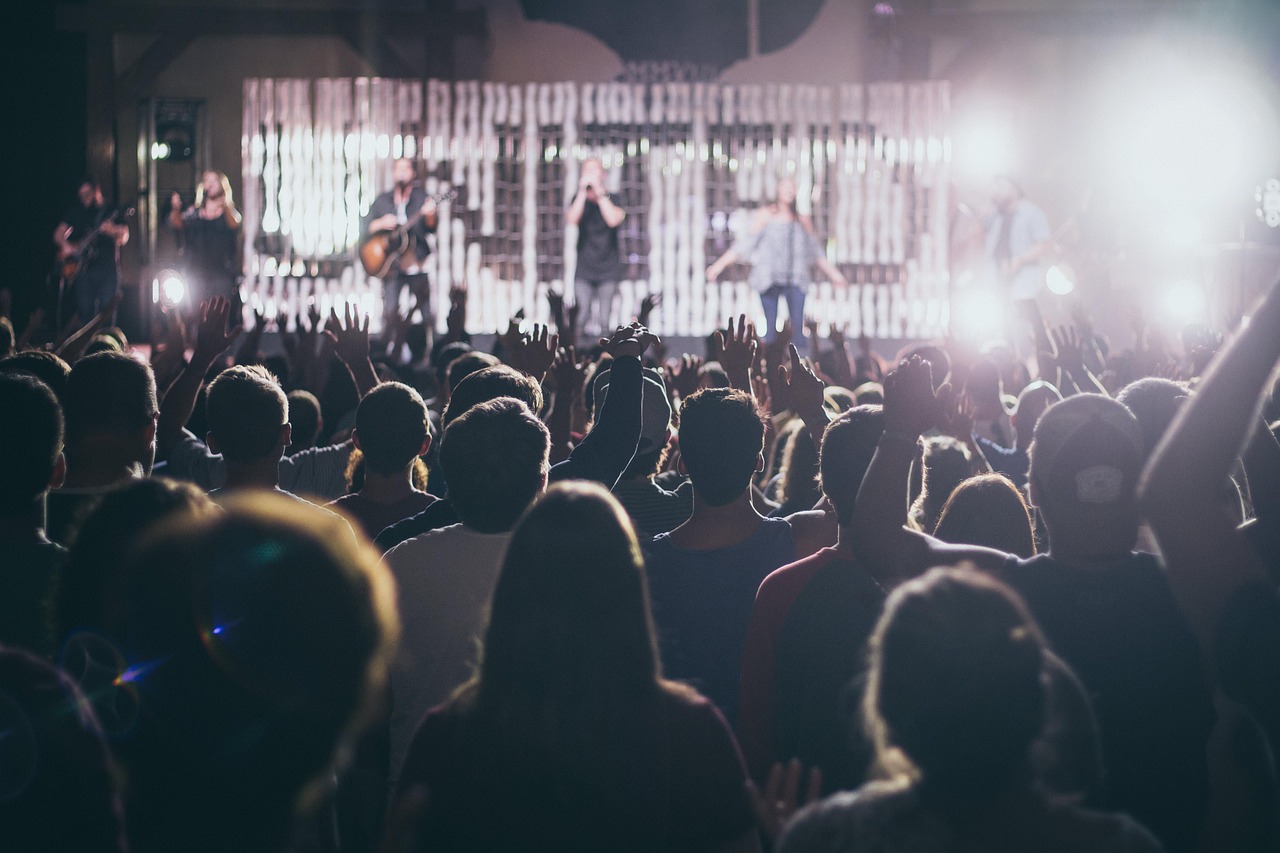
From the electrifying roar of a crowd at a music festival to the vibrant tapestry of ancient traditions celebrated with parades and feasts, festivals are a testament to humanity’s innate desire for connection, joy, and collective experience. These dynamic gatherings, found in every corner of the globe, transcend cultural barriers, offering unique windows into local heritage, artistic expression, and shared values. They are not merely events but powerful phenomena that rejuvenate spirits, strengthen communities, and create indelible memories, drawing millions annually into their vibrant embrace.
The Universal Appeal of Festivals: Why We Celebrate
Festivals are more than just parties; they are fundamental human expressions, tapping into our deepest needs for belonging and celebration. They offer a temporary escape from the mundane, a vibrant space where everyday worries are set aside in favor of shared euphoria and cultural immersion.
Community & Connection
- Strengthening Bonds: Festivals act as powerful catalysts for community cohesion, bringing together diverse groups of people for a common purpose. Whether it’s cheering for a band or participating in a traditional dance, these shared experiences forge new friendships and reinforce existing ties.
- Shared Experiences: The collective energy of thousands of people singing, dancing, or watching a spectacle creates an unparalleled sense of unity and shared identity. This can be particularly impactful in an increasingly digital world, offering vital face-to-face interaction.
Cultural Preservation & Expression
- Living Heritage: Many festivals are critical in preserving and showcasing cultural heritage. They provide a living platform for traditions, rituals, music, dance, and storytelling that might otherwise fade over time. Think of the elaborate costumes of Carnival or the ceremonial dances of indigenous festivals.
- Artistic Showcase: Festivals are often a breeding ground for creativity, offering artists, musicians, filmmakers, and performers a vital stage to express themselves and connect with audiences. They push boundaries and introduce new forms of art to the world.
Escapism & Joy
- A Break from Routine: The transformative power of festivals lies in their ability to transport attendees to an alternative reality. For a few days, participants can shed their daily responsibilities and immerse themselves in a world of music, art, food, and uninhibited joy.
- Mental Well-being: The positive emotional impact of festivals is undeniable. Experiencing joy, laughter, and a sense of belonging can significantly reduce stress, boost mood, and create lasting positive memories that contribute to overall mental health.
A World of Festivals: Diverse Types and Experiences
The beauty of festivals lies in their incredible diversity. From massive international gatherings to intimate local celebrations, there’s a festival for every interest and passion. Exploring these varied types opens up a world of discovery.
Music Festivals
These are arguably some of the most popular and globally recognized festivals. They bring together fans of specific genres or eclectic mixes, often featuring multiple stages and camping experiences.
- Examples: Glastonbury Festival (UK) for its legendary status and diverse lineup, Coachella Valley Music and Arts Festival (USA) known for its celebrity attendees and desert vibes, Tomorrowland (Belgium) for electronic dance music, and Rock in Rio (Brazil/Portugal) for its sheer scale.
- Experience: Expect live performances from world-renowned artists, immersive art installations, vibrant food vendors, and a unique communal atmosphere, often lasting several days with camping options.
Cultural & Traditional Festivals
These celebrations are deeply rooted in heritage, customs, and community identity, often showcasing ancient rituals, folklore, and historical events.
- Examples: Carnival (Rio de Janeiro, Brazil) with its iconic parades and samba schools, Diwali (India and beyond) known as the Festival of Lights, Day of the Dead (Mexico) celebrating ancestors with vibrant altars and parades, and Holi (India) the festival of colors.
- Experience: Witness elaborate costumes, traditional music and dance, ceremonial rituals, historical reenactments, and deeply symbolic practices that offer profound insight into a culture’s soul.
Food & Drink Festivals
For culinary enthusiasts, these festivals are a paradise, celebrating regional specialties, global cuisines, and the art of gastronomy.
- Examples: Oktoberfest (Munich, Germany) a massive beer festival, Taste of Chicago (USA) showcasing local eateries, the various Wine Festivals across France, Italy, and California, and Lobster Festival (Maine, USA).
- Experience: Indulge in tastings from local and international vendors, cooking demonstrations, food competitions, craft beer and wine pairings, and a focus on fresh, seasonal ingredients.
Art & Film Festivals
These festivals provide platforms for creative expression, showcasing visual arts, cinema, theater, and performance art, often attracting critics and enthusiasts alike.
- Examples: Sundance Film Festival (USA) for independent cinema, Edinburgh Fringe Festival (Scotland) the world’s largest arts festival, and various Street Art Festivals globally like Wynwood Walls (Miami).
- Experience: Discover emerging talent, attend film premieres, watch live theatrical performances, marvel at large-scale installations, and engage in workshops and discussions with artists.
Planning Your Festival Adventure: Tips for a Seamless Experience
Attending a festival requires thoughtful preparation to ensure you make the most of the experience. A little planning goes a long way in transforming a good time into an unforgettable adventure.
Research & Ticketing
- Early Bird Advantage: Festival tickets, especially for popular events, sell out quickly and are cheaper during early bird sales. Subscribe to newsletters for alerts.
- Official Sources Only: Always purchase tickets from the official festival website or authorized vendors to avoid scams and ensure validity.
- Lineup & Schedule: Research the artists, performers, or events you want to see. Many festivals release schedules in advance, allowing you to plan your days efficiently.
Accommodation & Travel
- Book Early: Hotels, Airbnb, and other accommodations near popular festival sites can book up months in advance. Secure your spot as soon as your tickets are confirmed.
- Camping Essentials: If camping, ensure you have a durable tent, sleeping bag, mat, and essentials like a headlamp and portable charger.
- Transportation Strategy: Plan your travel to and from the festival. Consider public transport, carpooling, or shuttle services to reduce environmental impact and avoid parking hassles.
Packing Essentials
Your packing list will vary by festival type and location, but some items are universally helpful:
- Comfortable Footwear: You’ll be on your feet for hours, so sturdy, broken-in shoes are a must.
- Weather-Appropriate Clothing: Pack layers. Even warm days can lead to cool nights. Rain gear (poncho, waterproof jacket) is often a lifesaver.
- Hydration Pack/Water Bottle: Staying hydrated is crucial, especially at outdoor festivals. Many festivals offer free water refill stations.
- Sun Protection: Sunscreen, hat, and sunglasses are vital for daytime events.
- Portable Charger: Keep your phone charged for photos, navigation, and emergencies.
- Basic First-Aid Kit: Band-aids, pain relievers, antiseptic wipes, and any personal medications.
- Small Backpack/Fanny Pack: To carry essentials hands-free.
- Earplugs: Especially for music festivals, to protect your hearing and aid sleep if camping.
Safety & Well-being
- Stay Hydrated and Fed: Drink plenty of water and eat regular meals to maintain energy levels.
- Know Your Limits: Be mindful of alcohol and other substances. Pacing yourself ensures you enjoy the entire event.
- Buddy System: Attend with friends and establish a meeting point in case you get separated.
- Protect Valuables: Use secure pockets or lockers. Avoid bringing unnecessary expensive items.
- Awareness: Be aware of your surroundings, especially in crowded areas. Trust your instincts.
The Economic & Social Impact of Festivals
Beyond the immediate enjoyment, festivals play a significant role in local and regional economies, and they contribute profoundly to social cohesion and cultural exchange.
Boosting Local Economies
Festivals are powerful economic engines, injecting substantial revenue into host communities. For example, the SXSW festival in Austin, Texas, generated an estimated $381 million for the local economy in 2023. This impact is multifaceted:
- Tourism Revenue: Attendees spend money on accommodation, food, transportation, and local attractions, supporting businesses that might otherwise see slower periods.
- Local Business Support: From food vendors and artisans to hotels and taxi services, a wide array of local businesses benefit directly from festivalgoers’ spending.
- Increased Tax Revenue: Sales taxes and other levies contribute to municipal and regional coffers, which can then be reinvested in public services and infrastructure.
Job Creation
Festivals create a surge in employment, both temporary and permanent:
- Temporary Jobs: Event management, security, setup and teardown crews, medical staff, performers, vendors, and hospitality workers are all hired for the duration of the festival.
- Permanent Roles: Successful, long-running festivals can also support permanent positions in areas like marketing, logistics, and artistic direction, sustaining creative industries.
Promoting Tourism & Cultural Exchange
- Global Spotlight: Major festivals often put their host cities or regions on the international map, attracting visitors who might not otherwise have considered traveling there. This exposure can lead to sustained tourism long after the festival concludes.
- Cultural Understanding: Festivals, particularly those celebrating distinct cultural traditions, foster greater understanding and appreciation between visitors and local communities, breaking down stereotypes and building bridges.
Community Building & Pride
- Shared Identity: For locals, hosting a successful festival can instill a strong sense of pride and shared identity, celebrating their culture, art, or unique attributes.
- Volunteer Engagement: Many festivals rely heavily on volunteers, providing opportunities for community members to contribute, learn new skills, and feel a deeper connection to their town.
Embracing Sustainable Festival Practices
As festivals grow in scale and popularity, so does the awareness of their environmental footprint. The move towards more sustainable festival practices is crucial for ensuring these celebrations can continue for generations to come.
Waste Reduction & Recycling
- Zero-Waste Initiatives: Many festivals are implementing ambitious goals to send zero waste to landfills through comprehensive recycling, composting programs, and the elimination of single-use plastics.
- Reusable Systems: Encouraging attendees to bring their own reusable water bottles and offering reusable cup systems (often with a deposit) significantly reduces plastic waste.
- Responsible Food Waste: Partnering with local food banks or composting facilities to manage leftover food from vendors.
Eco-friendly Transport
- Public Transport & Shuttles: Promoting the use of public transportation, carpooling, and dedicated festival shuttle services to reduce individual car journeys and associated emissions.
- Cycling Infrastructure: Providing secure bike parking and encouraging cycling to the festival site where feasible.
Supporting Local & Ethical Vendors
- Local Sourcing: Prioritizing food and product vendors who source ingredients and materials locally reduces transportation emissions and supports the regional economy.
- Fair Trade & Ethical Products: Encouraging or requiring vendors to offer fair trade, ethically produced, and sustainable merchandise options.
Leaving No Trace Principles
Educating attendees on the importance of “Leave No Trace” principles is vital, especially for outdoor festivals:
- Pack It In, Pack It Out: Encouraging attendees to take everything they brought with them when they leave.
- Respect Wildlife & Nature: Staying on designated paths, not disturbing local flora or fauna, and minimizing noise pollution in natural environments.
- Dispose of Waste Properly: Using designated bins and facilities for all waste.
Green Energy Initiatives
- Renewable Power: Utilizing solar panels, wind turbines, or biofuel generators to power stages, lighting, and other infrastructure, reducing reliance on fossil fuels.
- Energy-Efficient Lighting: Employing LED lighting and other energy-saving technologies across the festival site.
Conclusion
Festivals, in all their glorious forms, are more than just temporary gatherings; they are vibrant expressions of human culture, creativity, and community. From the rhythmic pulse of global music festivals to the solemn beauty of ancient religious ceremonies, these events enrich our lives, preserve our histories, and forge powerful connections. They are vital economic drivers and powerful platforms for social change, increasingly embracing sustainable practices to protect our planet.
Whether you’re seeking cultural immersion, a culinary adventure, or simply a space to dance freely, there’s a festival calling your name. Embrace the opportunity to step outside your everyday, engage with diverse communities, and create memories that resonate long after the final confetti falls. The world of festivals awaits – ready to inspire, connect, and transform.