
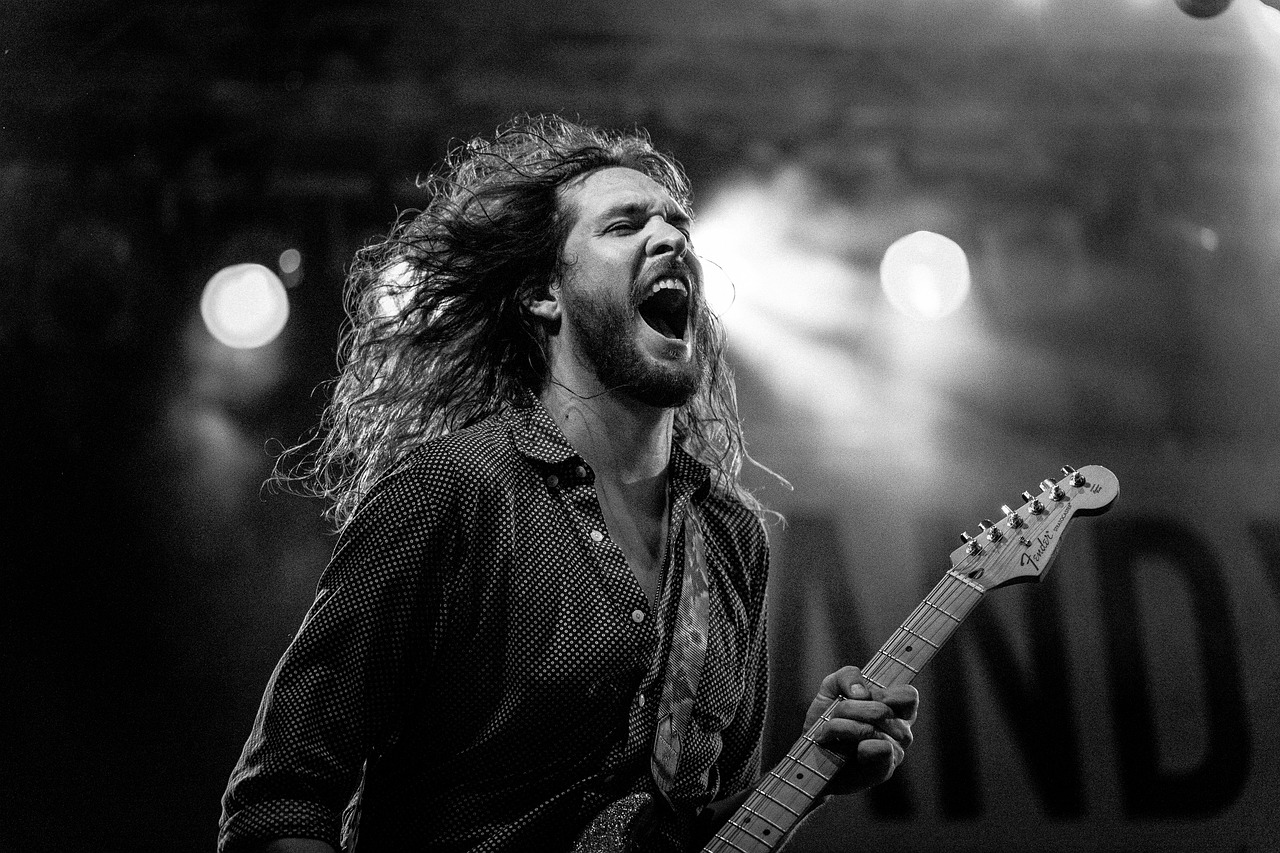
There’s an undeniable magic that happens when the lights dim, the crowd roars, and your favorite artist takes the stage. It’s more than just listening to music; it’s an immersive experience, a communal celebration of sound and emotion that transcends the everyday. From the pulsating bass of an arena rock show to the intimate melodies of an acoustic set, concerts offer a unique escape, a chance to connect with artists and fellow fans in a way no streaming service ever could. This blog post will dive into the vibrant world of live music, exploring why these events captivate us and how to make the most of every electrifying moment.
The Enduring Allure of Live Music Experiences
In an increasingly digital world, the demand for authentic, in-person experiences remains stronger than ever. Concerts stand as a testament to this, drawing millions globally to witness the power of music performed live.
Why We Crave Live Performances
- Sensory Immersion: Unlike listening through headphones, a concert engages all your senses. You feel the bass resonate in your chest, see the intricate light shows, smell the popcorn or distant haze, and become part of a roaring crowd.
- Communal Connection: Sharing a moment with thousands of strangers who are all unified by a shared love for the music creates an unparalleled sense of belonging and collective joy. It’s a powerful shared emotional journey.
- Unpredictable Moments: Live performances are inherently unpredictable. A spontaneous monologue, an unplanned encore, a guest appearance, or even a technical glitch can become a memorable part of the experience, making each show unique.
Beyond the Recording: The Raw Energy and Authenticity
Recordings are perfected, polished, and often studio-enhanced. Live music, however, offers a raw, unfiltered glimpse into an artist’s talent and passion. Artists often interpret their songs differently live, adding improvisations, extended solos, or unique arrangements that fans won’t hear anywhere else.
- Direct Interaction: Many artists engage directly with the audience, sharing stories, encouraging sing-alongs, or simply basking in the crowd’s energy, fostering a deeper connection.
- Authentic Expression: Witnessing a musician pour their heart and soul into a performance, complete with their raw emotion and occasional imperfections, creates a profound and authentic connection that transcends the studio version.
- Actionable Takeaway: Don’t just listen; feel the music. Embrace the spontaneity and the shared energy. Put your phone down for a few songs and truly be present in the moment.
Types of Concerts: A Spectrum of Sounds
The world of live music is incredibly diverse, offering experiences tailored to every taste and preference. Understanding the different types can help you find your perfect sonic adventure.
Arena Spectacles vs. Intimate Club Gigs
- Arena Spectacles: These are the grand productions, often featuring mega-stars, elaborate stage designs, pyrotechnics, and massive LED screens. Think Beyoncé’s Renaissance World Tour or a Coldplay stadium show.
- Pros: High production value, massive energy, a truly epic scale.
- Cons: Can feel less personal, often higher ticket prices, potentially distant from the stage.
- Intimate Club Gigs: Held in smaller venues, these shows bring artists closer to their audience. They are common for indie bands, rising stars, or established artists looking for a more personal connection.
- Pros: Up-close interaction, raw energy, lower ticket prices, discovery of new talent.
- Cons: Less production, potentially crowded spaces, limited amenities.
- Practical Example: Attending an arena concert for a global pop sensation like Taylor Swift offers a spectacle of synchronized lights and thousands singing along. Contrast that with seeing a local indie band at a small venue like The Bowery Ballroom in NYC, where you can practically shake hands with the lead singer.
Music Festivals: Multi-Genre, Multi-Day Experiences
Music festivals are multi-day events often spanning various genres and featuring dozens to hundreds of artists across multiple stages. Iconic examples include Glastonbury, Coachella, Lollapalooza, and Tomorrowland.
- Key Features: Diverse lineups, immersive art installations, food vendors, camping options, and a strong sense of community.
- Benefits: Opportunity to see many bands in one place, discover new artists, enjoy a vacation-like atmosphere.
- Actionable Takeaway: When choosing between an arena show and a club gig, consider what you prioritize: spectacle or intimacy. For festivals, plan your schedule in advance to catch your must-see acts, but also leave room for spontaneous discovery.
Planning Your Ultimate Concert Experience
A great concert experience starts long before the first note is played. Thoughtful planning can significantly enhance your enjoyment and minimize stress.
Scoring the Best Tickets
- Pre-sales and Fan Clubs: Join artist fan clubs or subscribe to venue newsletters for early access to tickets, often at better prices or with better seating options.
- Trusted Platforms: Always buy from official ticketing sites (e.g., Ticketmaster, Live Nation) or verified resale platforms. Beware of unofficial sites that might sell fraudulent tickets or inflate prices excessively.
- Timing is Key: For popular artists, be ready to purchase tickets the moment they go on sale. For smaller shows, sometimes waiting closer to the date can reveal cheaper resale options.
Pre-Concert Essentials: What to Pack and Prepare
- Comfortable Attire: You’ll likely be standing, dancing, or walking a lot. Wear comfortable shoes and clothing appropriate for the venue and weather. Layers are often a good idea.
- Small Bag Only: Many venues have strict bag policies. Opt for a small clutch or clear bag to speed up security checks.
- Hydration & Snacks: While venues sell refreshments, bringing a sealed water bottle (if permitted) and a small snack can save you money and keep your energy up.
- Ear Protection: Especially for loud shows, earplugs are a smart investment to protect your hearing and still enjoy the music clearly. A study published in Occupational & Environmental Medicine found that attending just one loud concert can cause temporary hearing damage.
Maximizing Your On-Site Enjoyment
- Arrive Early: This allows you to find parking, navigate security, grab merchandise, and secure a good spot without rushing.
- Set a Meeting Point: If attending with friends, designate a meeting spot in case you get separated, especially in large venues or festivals.
- Be Present: While it’s tempting to capture every moment on your phone, try to limit screen time. Experience the show through your own eyes and ears.
- Actionable Takeaway: Prioritize ticket security by using official channels. Prepare a compact essentials bag. Once at the venue, embrace the atmosphere and focus on enjoying the live performance rather than documenting every second.
The Economic and Cultural Impact of Concerts
Concerts are more than just entertainment; they are significant economic drivers and cultural cornerstones that foster community and artistic growth.
Boosting Local Economies
The concert industry contributes billions to local economies annually. A single major tour can generate substantial revenue for cities it visits.
- Tourism and Hospitality: Attendees travel for concerts, booking hotels, dining at local restaurants, and using local transportation. Pollstar reported that the global concert industry grossed a record $9.17 billion in 2023.
- Job Creation: From venue staff and security to stage crews, sound engineers, merchandisers, and local vendors, concerts support a wide range of jobs.
- Ancillary Spending: Money spent on pre- and post-show activities, souvenirs, and local attractions further stimulates the economy.
A Platform for Artistic Expression and Discovery
Concerts are vital for artists to connect with their fan base, earn revenue, and showcase their evolving craft.
- Emerging Artists: Smaller venues and opening slots provide crucial opportunities for new talent to gain exposure and build a following.
- Diverse Genres: Live music platforms celebrate a vast array of genres, from mainstream pop and rock to niche classical, jazz, folk, and experimental sounds, ensuring cultural diversity.
Community Building and Social Cohesion
The shared experience of live music can strengthen social bonds and foster a sense of collective identity.
- Shared Experiences: Attending concerts with friends or family creates lasting memories and strengthens relationships.
- Cultural Events: Festivals and local concert series often become integral parts of a city’s cultural calendar, attracting both residents and tourists.
- Actionable Takeaway: Recognize that your ticket purchase and related spending do more than just entertain you; they contribute to local prosperity and sustain a vital ecosystem for artists and cultural development.
The Evolution of Concerts: Technology and Trends
The concert industry is constantly innovating, embracing new technologies and sustainable practices to enhance the fan experience and address global challenges.
Digital Ticketing and Smart Venues
- Seamless Entry: Digital tickets accessed via smartphones have streamlined entry processes, reducing queues and the risk of fraud.
- Cashless Operations: Many modern venues operate entirely cashless, speeding up transactions for food, drinks, and merchandise.
- Interactive Experiences: Some venues incorporate AR/VR elements or smart wristbands for interactive light shows and personalized fan experiences.
Virtual Concerts and Livestreams
The pandemic accelerated the adoption of virtual concerts and livestreams, offering new ways for artists to reach audiences globally.
- Accessibility: Virtual events allow fans who cannot attend in person due to geographical, financial, or health reasons to participate.
- New Revenue Streams: Artists can generate income through ticketed livestreams, offering exclusive content or behind-the-scenes access.
- Hybrid Models: Many artists now offer hybrid experiences, where a physical concert is simultaneously broadcast to a virtual audience.
Sustainability in Live Events
The industry is increasingly focusing on reducing its environmental footprint.
- Waste Reduction: Initiatives like reusable cups, composting programs, and reduced single-use plastics are becoming standard at major festivals and venues.
- Renewable Energy: Some events are powered by solar or wind energy, or invest in carbon offsets.
- Eco-Friendly Transport: Encouraging public transport, bike use, and carpooling for attendees helps reduce emissions.
- Practical Example: Festivals like Shambala in the UK are renowned for their commitment to sustainability, banning single-use plastics and promoting vegetarian food options, demonstrating a greener path for large-scale events.
- Actionable Takeaway: Embrace digital innovations like e-tickets for convenience. When attending in person, consider venues or events that prioritize sustainability and support their green initiatives. Explore virtual options to connect with artists you might not otherwise see.
Conclusion
Concerts are truly more than just events; they are profound cultural phenomena that touch our lives in countless ways. They are a powerful blend of artistic expression, technological innovation, economic impact, and shared human experience. Whether you’re headbanging in a mosh pit, swaying to an orchestral masterpiece, or discovering your new favorite band in a dimly lit club, the magic of live music is an irreplaceable part of our collective human experience. So, the next time you have the opportunity, step away from your screen, grab a ticket, and immerse yourself in the incomparable thrill of a live performance. Your ears, your heart, and your soul will thank you for it.