
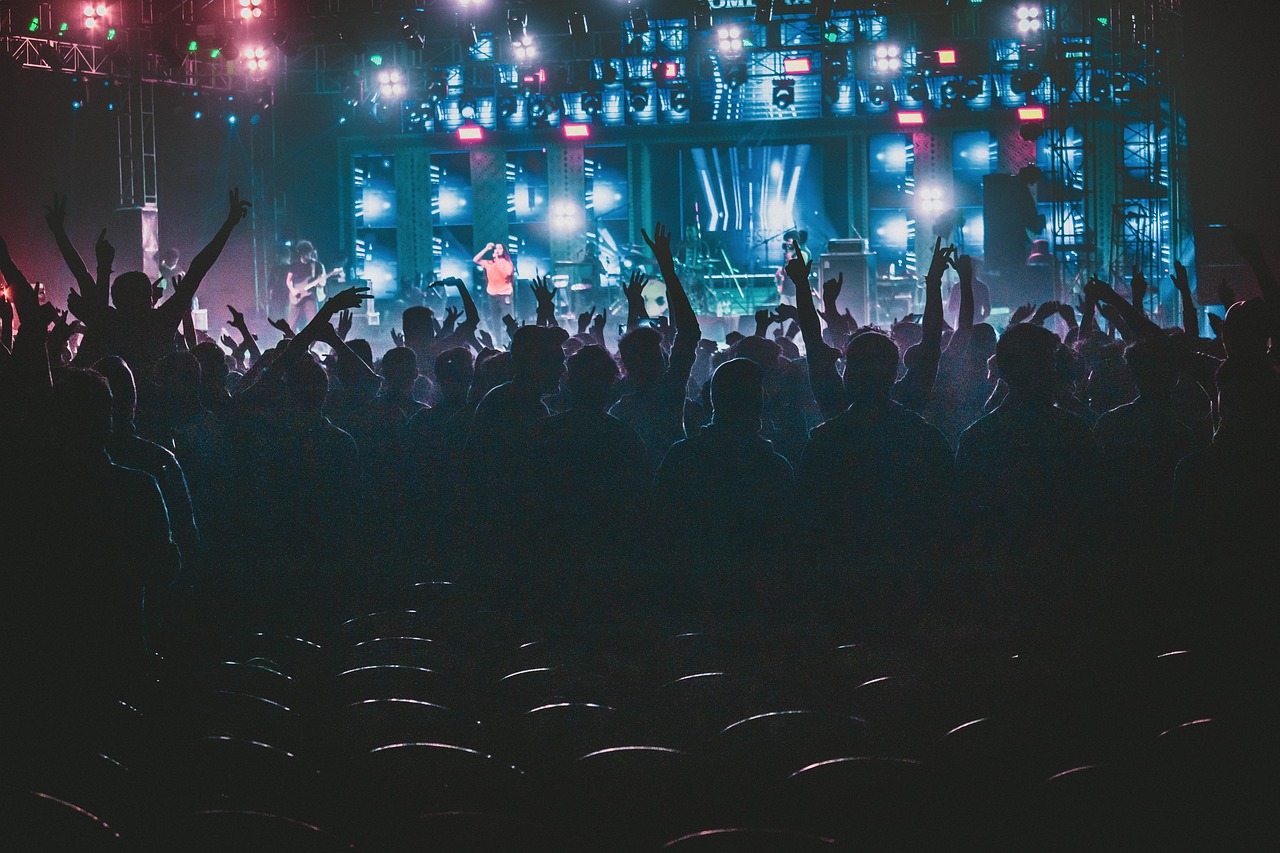
From the moment the lights dim and the opening credits roll, movies have an unparalleled power to transport us. They are more than just entertainment; they are windows into different worlds, mirrors reflecting our own realities, and catalysts for shared emotions. For over a century, cinema has captivated audiences worldwide, evolving from silent black-and-white reels to stunning IMAX spectacles and immersive streaming experiences. Dive into the fascinating universe of movies, exploring what makes them so enduringly popular, how they come to life, and their profound impact on our culture and economy.
The Enduring Appeal of Cinema: Why We Watch
Movies tap into fundamental human desires: the need for stories, escape, and connection. Their universal language transcends borders, making them a global phenomenon.
Escapism and Immersion
One of cinema’s most powerful draws is its ability to offer a temporary reprieve from daily life. Whether it’s soaring through space in a science fiction epic or unraveling a complex mystery in a thriller, movies provide a unique form of escapism.
- Transportive Storytelling: Films like The Lord of the Rings immerse viewers in richly detailed fantasy worlds, while historical dramas such as Gladiator take us back in time with stunning authenticity.
- Sensory Overload (in a good way): The combination of captivating visuals, powerful soundtracks, and compelling narratives creates an immersive experience that few other mediums can match.
Actionable Takeaway: When you need a mental break, choose a movie that promises complete immersion in a different reality. Let yourself get lost in its world.
Emotional Resonance and Empathy
Movies are masters of evoking emotion. They can make us laugh, cry, cheer, and gasp, often all within a single viewing. This emotional connection fosters empathy and understanding.
- Shared Human Experience: Stories about love, loss, triumph, and struggle resonate deeply, allowing us to connect with characters and their journeys. Think of the poignant narrative in The Shawshank Redemption or the uplifting spirit of Forrest Gump.
- Perspective Shifting: By presenting diverse viewpoints and experiences, films can broaden our understanding of different cultures, social issues, and personal challenges, encouraging empathy.
Actionable Takeaway: After watching a particularly moving film, discuss it with friends or family. Sharing perspectives can deepen your emotional connection and understanding of its themes.
The Art and Craft of Filmmaking: Behind the Scenes
Bringing a movie to life is an intricate dance of creativity, technology, and sheer hard work. It’s a collaborative art form involving hundreds of dedicated professionals.
From Concept to Screenplay
Every great movie starts with an idea, which then evolves into a detailed script—the blueprint for the entire production.
- Idea Generation: A concept can spring from anywhere: a historical event, a novel, a personal experience, or a purely imaginative premise.
- Screenwriting: Professional screenwriters craft compelling narratives, develop memorable characters, and structure the story across acts, ensuring dialogue feels authentic and plot points are impactful. A strong screenplay is the foundation, attracting talent and investment.
Actionable Takeaway: Next time you watch a movie, pay attention to the dialogue and character arcs. How effectively does the script move the story forward and develop its inhabitants?
Production: Bringing the Vision to Life
This is where the magic truly begins – cameras roll, actors perform, and the director’s vision starts to materialize on set.
- Directing: The director is the primary artistic visionary, guiding actors, cinematographers, and other crew members to achieve a cohesive aesthetic and emotional tone. Iconic directors like Steven Spielberg or Christopher Nolan are known for their distinct cinematic styles.
- Acting: Talented actors embody characters, bringing them to life with nuanced performances. Their ability to convey emotion and interact authentically is crucial to a film’s success. Consider Meryl Streep’s versatility or Tom Hanks’s relatable portrayals.
- Cinematography: The Director of Photography (DP) designs the visual style of the film, overseeing camera work, lighting, and composition. Stunning cinematography can elevate a simple scene into a work of art.
Actionable Takeaway: During your next film, try to identify the director’s signature style. Notice how the camera angles and lighting choices contribute to the mood of a scene.
Post-Production Magic: Editing, VFX, Sound
Once filming wraps, the post-production phase transforms raw footage into a polished, final product, often adding layers of complexity and spectacle.
- Editing: Editors assemble the footage, shaping the narrative flow, pacing, and rhythm of the film. Good editing is often invisible but can dramatically impact audience engagement and tension.
- Visual Effects (VFX): From subtle enhancements to grand, fantastical worlds (e.g., Avatar), VFX artists use CGI and practical effects to create impossible visuals, expanding storytelling possibilities.
- Sound Design and Scoring: Sound designers create ambient noise, foley effects, and dialogue tracks, while composers create original scores (think Hans Zimmer or John Williams) that underscore emotional beats and build atmosphere.
Actionable Takeaway: Close your eyes during a scene and just listen. How does the sound design and music contribute to the overall feeling and impact?
Exploring the Vast Universe of Movie Genres
The world of movies is incredibly diverse, offering a genre for every taste and mood. Each genre has its own conventions, appeal, and storytelling techniques.
Action & Adventure: Thrills and Spectacle
These genres are defined by excitement, high stakes, and often impressive stunts and visual effects.
- Characteristics: Fast-paced plots, heroic protagonists, chases, explosions, battles. Examples include the James Bond series, Mission: Impossible, or Indiana Jones.
- Audience Appeal: Adrenaline rush, escapism, spectacular visuals, and a sense of triumph.
Actionable Takeaway: For an instant pick-me-up or a visually thrilling experience, dive into a critically acclaimed action film. Explore sub-genres like martial arts films or disaster movies.
Drama & Romance: Human Connection and Emotion
These films delve deep into character, relationships, and the human condition, often focusing on conflict, growth, and love.
- Characteristics: Character-driven narratives, complex emotional arcs, exploration of social issues, intimate relationships. Examples range from intense character studies like Manchester by the Sea to sweeping romances like La La Land.
- Audience Appeal: Emotional resonance, relatable situations, thoughtful reflection, and a deeper understanding of human nature.
Actionable Takeaway: If you’re looking for profound storytelling or to explore complex emotions, seek out award-winning dramas or critically praised romantic films.
Sci-Fi & Fantasy: Imagination Unleashed
These genres transport viewers to speculative worlds, often exploring advanced technology, magic, or alternate realities.
- Characteristics: World-building, futuristic technology, mythological creatures, philosophical questions, often stunning visual effects. Consider the epic scope of Dune or the classic saga of Star Wars.
- Audience Appeal: Intellectual stimulation, wonder, exploration of possibilities, and visual spectacle.
Actionable Takeaway: Challenge your imagination by watching a science fiction film that presents a thought-provoking concept or a fantasy epic with rich lore.
Comedy & Horror: Laughter and Chills
At opposite ends of the emotional spectrum, these genres aim to evoke strong, specific reactions: laughter or fear.
- Comedy Characteristics: Humor, wit, slapstick, satire, often designed to uplift and entertain. Examples include Superbad or When Harry Met Sally….
- Horror Characteristics: Suspense, dread, jump scares, psychological terror, often exploring primal fears. Films like The Conjuring or Hereditary deliver intense scares.
- Audience Appeal: Stress relief (comedy), catharsis (horror), shared social experience, and thrilling emotional responses.
Actionable Takeaway: Need a good laugh or a heart-pounding thrill? Choose a film from these genres for a guaranteed strong emotional reaction, perfect for group viewings.
The Evolving Landscape of Movie Consumption
How we watch movies has undergone a revolution in recent decades, offering more choices than ever before.
The Enduring Charm of the Cinema Experience
Despite the rise of home viewing, the traditional cinema experience remains a beloved ritual for many moviegoers.
- Big Screen Immersion: The sheer scale of a movie theater screen, coupled with state-of-the-art sound systems, creates an unmatched immersive environment.
- Shared Communal Event: Watching a highly anticipated film with a room full of strangers, sharing gasps and laughter, fosters a unique collective experience.
- A Night Out: Going to the movies is often part of a larger social outing, complete with popcorn and refreshments, making it a special event.
Actionable Takeaway: For major blockbusters or films designed for visual spectacle, prioritize seeing them in a cinema for the full intended impact.
The Rise of Streaming Platforms
Streaming services have fundamentally changed how we access and consume films, offering unparalleled convenience and variety.
- On-Demand Access: Platforms like Netflix, Disney+, Max, and Amazon Prime Video offer vast libraries of content accessible anytime, anywhere, on multiple devices.
- Diverse Content: Streaming has democratized film access, making international films, independent features, and documentaries more readily available to a global audience. This has also spurred the creation of exclusive “original” content.
- Subscription Model: For a monthly fee, viewers gain access to thousands of titles, changing the traditional rental or purchase model. Global streaming subscriptions continue to grow, demonstrating strong consumer demand.
Actionable Takeaway: Utilize streaming services to explore genres you wouldn’t normally watch or to discover acclaimed international films you might otherwise miss.
Home Theater Innovations
Advancements in home entertainment technology have allowed viewers to replicate a cinema-like experience in their own living rooms.
- High-Quality Displays: 4K HDR televisions, soundbars, and even affordable projectors now deliver stunning visual fidelity and immersive audio.
- Smart Features: Integrated streaming apps and smart assistants make accessing content easier than ever, allowing for seamless transitions between different platforms.
Actionable Takeaway: Consider upgrading your home entertainment setup with a quality sound system or a larger screen to enhance your comfort and movie-watching experience.
Movies: A Cultural and Economic Powerhouse
Beyond entertainment, the film industry exerts significant influence, shaping culture, reflecting societal changes, and driving massive economic activity globally.
Shaping Culture and Society
Movies are powerful cultural artifacts, both reflecting and influencing societal norms, fashion, language, and political discourse.
- Cultural Impact: Films like Marvel’s Black Panther can become cultural touchstones, sparking conversations about representation and identity.
- Social Commentary: Movies often tackle complex social issues, from historical injustices to contemporary political themes, prompting dialogue and even inspiring activism. Joker, for instance, ignited debates about mental health and societal neglect.
- Trends and Inspiration: Fashion trends, musical tastes, and even travel destinations can be inspired by popular films.
Actionable Takeaway: After watching a film, consider its broader cultural context. How does it reflect or challenge the society in which it was made?
A Global Economic Driver
The film industry is a multi-billion dollar global enterprise, supporting millions of jobs and contributing significantly to national economies.
- Box Office Revenue: Global box office takings can reach tens of billions annually, with major blockbusters generating hundreds of millions each.
- Job Creation: The industry employs a vast array of professionals, from directors and actors to technicians, marketing specialists, and administrative staff.
- Ancillary Industries: Film drives revenue through merchandise, video games, tourism (film locations), and technological innovation in cameras, sound, and visual effects. The global film and video market is valued at over $200 billion annually and continues to grow.
Actionable Takeaway: Support the film industry by attending local cinemas, purchasing official merchandise, or exploring film festivals in your area.
Conclusion
Movies are an indispensable part of our global culture, offering an unparalleled blend of art, entertainment, and social commentary. They transport us, move us, make us think, and connect us through shared stories and emotions. From the intricate craft of filmmaking to the diverse tapestry of genres and the evolving ways we consume them, the world of cinema is constantly innovating and inspiring. So, dim the lights, grab your favorite snack, and let the magic of the movies continue to unfold. The next great story is always just a play button away.