
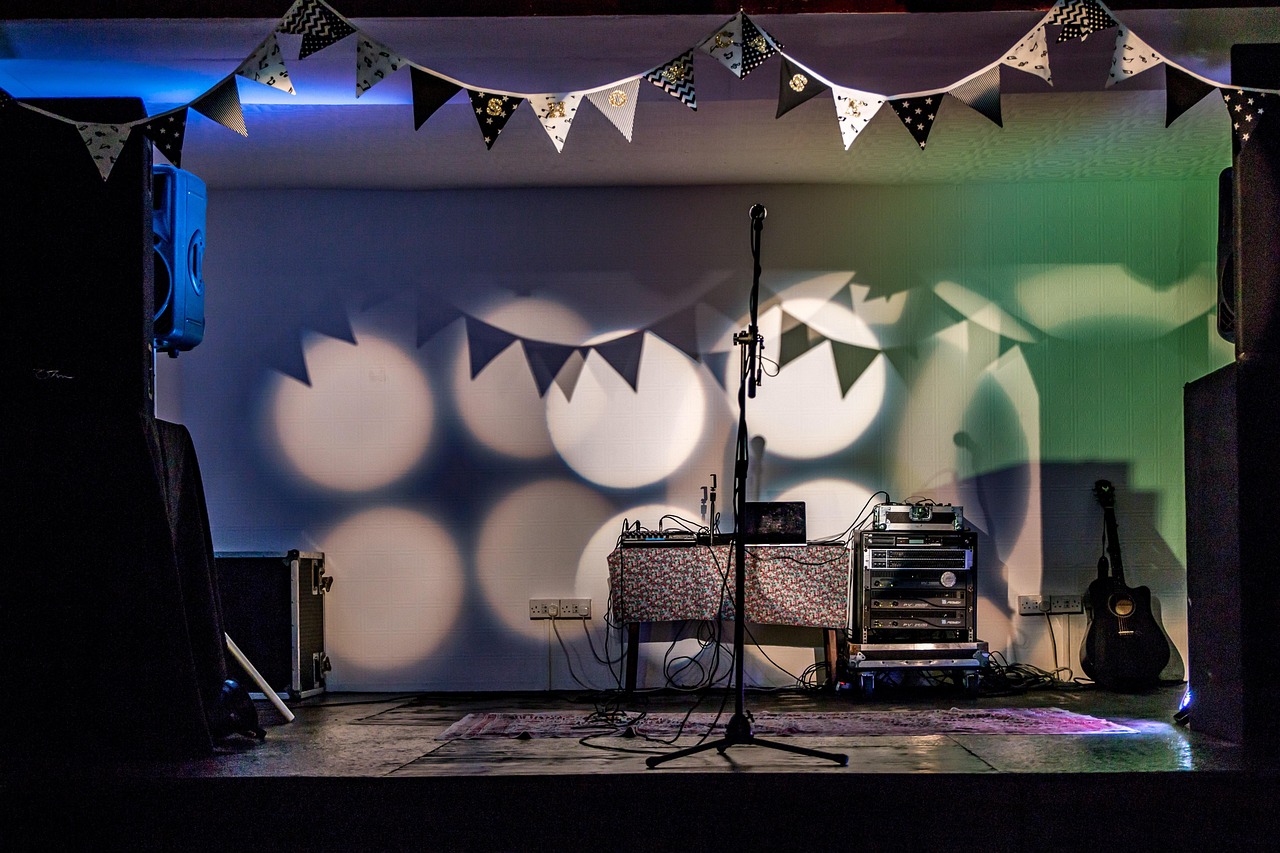
From the rhythmic beat of a tribal drum to the complex harmonies of a symphony orchestra, and the pulsating energy of modern electronic tracks, music is an undeniable force woven into the very fabric of human existence. It transcends language, culture, and time, speaking directly to our souls and stirring emotions that words alone often cannot convey. More than just entertainment, music is a powerful catalyst for personal growth, community building, and profound emotional experiences. In this comprehensive exploration, we delve into the multifaceted world of music, uncovering its deep impact on our minds and bodies, navigating its evolving landscape, and glimpsing its exciting future.
The Universal Language: Why Music Resonates with Us All
Music is an intrinsic part of human culture, a phenomenon found in every known civilization throughout history. It’s not merely a form of art; it’s a fundamental mode of communication and expression that operates on a deeply intuitive level.
A Timeless Human Connection
For millennia, humans have used music to celebrate, mourn, tell stories, and connect with the divine. It predates written language and has served as a unifying force across diverse communities.
- Ancient Roots: Evidence of early musical instruments like bone flutes dates back tens of thousands of years, highlighting music’s primal role in human life.
- Cross-Cultural Appeal: Despite vastly different scales, instruments, and styles, the ability of music to evoke emotion is universal. A traditional Japanese koto piece, an African djembe rhythm, or a European classical symphony can all stir feelings of joy, sorrow, peace, or excitement, regardless of the listener’s background.
- Shared Experiences: Live concerts, religious ceremonies, and community gatherings often use music to foster a sense of belonging and collective emotion. Think of the shared euphoria at a rock concert or the solemnity of a hymn in a sacred space.
The Emotional Architecture of Sound
Music’s remarkable ability to manipulate our emotions is rooted in its very structure. Melodies, harmonies, rhythms, and timbres combine in ways that directly impact our brain’s emotional centers.
- Neurological Impact: Listening to music can trigger the release of dopamine, a neurotransmitter associated with pleasure and reward, explaining why certain songs feel so good. It can also activate the amygdala, involved in processing emotions, and the hippocampus, linked to memory.
- Melody and Harmony: Major keys often sound bright and happy, while minor keys can evoke sadness or introspection. Dissonant harmonies create tension, while consonant ones provide resolution and calm.
- Rhythm and Tempo: Fast tempos can energize and excite, while slow tempos can soothe and relax. A strong, steady beat can create a sense of groundedness, while syncopated rhythms can feel playful or unsettling.
Actionable Takeaway: Pay conscious attention to how different elements of a song – its melody, rhythm, and harmony – make you feel. Experiment with various genres to understand your emotional responses and harness music as a tool for mood regulation.
The Profound Benefits of Music for Mind, Body, and Soul
Beyond its emotional power, music offers a wealth of tangible benefits that enhance our cognitive functions, improve mental health, and even aid physical recovery. Its therapeutic potential is increasingly recognized and utilized in various fields.
Cognitive Enhancements
Engaging with music, whether actively playing or passively listening, can significantly boost brain power and cognitive flexibility.
- Memory and Learning: Music is often used as a mnemonic device. Learning an instrument, in particular, enhances memory, attention span, and problem-solving skills. Studies have shown musicians often have a larger corpus callosum, indicating enhanced brain connectivity.
- Focus and Concentration: Background music, especially instrumental pieces or nature sounds, can help improve focus during tasks, blocking out distractions. Many students and professionals utilize curated playlists for deep work sessions.
- Spatial-Temporal Reasoning: Early exposure to music education has been linked to improved spatial-temporal reasoning skills, which are crucial for subjects like mathematics and engineering.
Practical Example: Try listening to classical music or lo-fi beats while studying or working on complex tasks. Many find these genres create an optimal sonic environment for concentration without being distracting.
Mental and Emotional Well-being
Music is a powerful tool for managing stress, regulating mood, and processing emotions, making it an invaluable resource for mental health.
- Stress and Anxiety Reduction: Calming music can lower cortisol levels (the stress hormone), reduce heart rate, and promote relaxation. It’s often used in meditation and mindfulness practices.
- Mood Elevation: Upbeat, positive music can boost serotonin and endorphin levels, acting as a natural mood elevator and combating symptoms of depression.
- Emotional Processing: Sometimes, listening to sad music can be cathartic, helping us to process difficult emotions and feel less alone in our experiences.
- Music Therapy: As a recognized clinical intervention, music therapy uses music to address physical, emotional, cognitive, and social needs of individuals. It’s applied in diverse settings, from hospitals to schools, for conditions ranging from autism to dementia.
Physical Health Applications
The benefits of music extend into the physical realm, aiding in pain management, rehabilitation, and even enhancing physical performance.
- Pain Management: Listening to music can distract from pain and reduce the need for pain medication in various medical contexts, including surgery recovery and chronic pain conditions.
- Motor Skill Development and Rehabilitation: Music with a strong, steady beat can assist in physical therapy, helping patients regain motor skills and coordination, especially after strokes or brain injuries.
- Exercise Enhancement: Fast-paced, motivational music can increase endurance, reduce perceived exertion, and improve overall performance during physical activity.
Actionable Takeaway: Intentionally curate playlists for different purposes: a calming playlist for winding down, an energizing one for workouts, and a focus-oriented playlist for work. Integrate music into your daily routine to leverage its diverse benefits.
Navigating the Modern Music Landscape: From Creation to Consumption
The advent of digital technology has profoundly reshaped how music is created, distributed, and consumed. The music industry has undergone a radical transformation, empowering new artists and changing listener habits.
The Digital Revolution and Streaming Services
The internet fundamentally altered the music ecosystem, shifting the focus from physical products to digital access.
- Ubiquitous Access: Streaming platforms like Spotify, Apple Music, Amazon Music, and YouTube Music offer vast libraries of songs instantly accessible on various devices, making music consumption more convenient than ever before.
- Personalized Discovery: Algorithms on these platforms analyze listening habits to recommend new artists and songs, broadening listeners’ musical horizons. Curated playlists, both algorithmic and human-made, have become central to music discovery.
- Challenges: While convenient for consumers, streaming’s revenue model has raised concerns about fair compensation for artists, particularly independent musicians who receive only fractions of a penny per stream.
Empowering Independent Artists
Digital tools and platforms have democratized music creation and distribution, allowing artists to bypass traditional gatekeepers and connect directly with their audience.
- Affordable Production: High-quality home recording equipment and Digital Audio Workstations (DAWs) like Ableton Live, Logic Pro, and GarageBand have made professional-sounding music production accessible to anyone with a computer.
- Direct Distribution: Services like DistroKid, TuneCore, and CD Baby allow independent artists to distribute their music to all major streaming platforms and online stores without a record label.
- Fan Engagement: Social media platforms (e.g., Instagram, TikTok), crowdfunding sites (e.g., Patreon), and direct-to-fan platforms (e.g., Bandcamp) enable artists to build communities and monetize their work directly from their supporters.
Practical Example: Explore artists on Bandcamp, where a larger percentage of sales goes directly to the musician. Many independent artists thrive on direct support from their listeners.
The Evolving Business of Music
The traditional music business model centered on album sales has diversified dramatically, with new revenue streams emerging alongside ongoing challenges.
- Live Performances and Tours: Still a major income source, live music experiences range from intimate club shows to massive festivals. The pandemic also saw a rise in virtual concerts and live streams.
- Sync Licensing: Licensing music for use in films, TV shows, commercials, and video games has become a lucrative avenue for many artists.
- Merchandise and Brand Partnerships: Selling branded apparel, accessories, and collaborating with brands provides additional income and strengthens an artist’s brand.
Actionable Takeaway: Be a conscious consumer of music. Beyond streaming, consider purchasing digital albums, merchandise, or tickets to live shows (virtual or in-person) to directly support the artists you love. This helps ensure fair compensation in a complex industry.
Making Music Your Own: Learning, Creating, and Engaging
Music isn’t just for listening; it’s also a deeply rewarding pursuit for those who wish to learn an instrument, compose their own pieces, or engage more deeply with the art form. The journey of musical creation and active engagement offers profound personal growth.
The Joy of Learning an Instrument
Picking up an instrument is a journey of discipline, patience, and immense satisfaction, regardless of age or prior experience.
- Skill Development: Learning an instrument like the guitar, piano, drums, or violin improves fine motor skills, coordination, and auditory processing.
- Brain Workout: It’s a complex cognitive task that engages multiple brain regions, enhancing memory, attention, and problem-solving abilities.
- Stress Relief and Expression: Playing music provides a unique outlet for self-expression and can be a highly effective way to relieve stress and improve mood.
- Accessible Resources: Online tutorials (e.g., YouTube channels like JustinGuitar), interactive apps (e.g., Simply Piano, Fender Play), and local music teachers make learning more accessible than ever before.
Practical Example: Start with a beginner-friendly instrument like a ukulele or a keyboard. Many free online resources can teach you basic chords and simple songs within a few weeks, providing immediate gratification and motivation.
Tapping into Your Creative Sound
For those inclined towards creation, the tools for songwriting, composing, and producing are more powerful and accessible than ever.
- Songwriting: Express your thoughts and emotions through lyrics and melodies. There are many online courses and books dedicated to songwriting techniques.
- Digital Music Production: Use a Digital Audio Workstation (DAW) like FL Studio, Logic Pro, or even free options like GarageBand, to compose, record, and mix your own tracks using virtual instruments and samples.
- Collaboration: Online platforms and local communities facilitate collaboration with other musicians, allowing you to combine talents and create something new.
Active Listening and Engagement
Beyond creating, becoming an active listener can deepen your appreciation for music and enrich your experience.
- Deconstruct and Analyze: Instead of passive listening, try to identify individual instruments, analyze lyrical themes, or understand the song’s structure (verse-chorus, bridge, etc.).
- Explore Genres: Step outside your comfort zone and explore genres you typically wouldn’t listen to. You might discover new favorites and broaden your musical palate.
- Attend Live Events: Experiencing music live offers an unparalleled energy and connection, allowing you to witness the artistry firsthand and connect with fellow enthusiasts.
Actionable Takeaway: Choose one musical goal for this month: learn the chords to your favorite song on an instrument, try writing a simple melody, or attend a live local concert. Embrace the active side of music.
The Future Harmony: Trends and Innovations in Music
The world of music is constantly evolving, driven by technological advancements and shifting cultural landscapes. The future promises even more immersive experiences, innovative creation tools, and new ways for artists and fans to connect.
Artificial Intelligence and Algorithmic Composition
AI is rapidly transforming how music is created, personalized, and consumed, acting as both a creative partner and an innovator.
- AI-Assisted Creation: AI tools can generate melodies, harmonies, and even full compositions based on user input, helping artists overcome creative blocks or produce background music efficiently. Projects like Amper Music and Jukebox by OpenAI demonstrate this potential.
- Personalized Soundscapes: AI can create dynamic, adaptive music designed to enhance focus, relaxation, or sleep, tailoring soundscapes to an individual’s biometric data or current activity.
- Ethical Considerations: The rise of AI music also brings questions about authorship, copyright, and the unique value of human creativity.
Immersive Experiences and Virtual Reality
Technologies like VR and augmented reality (AR) are poised to redefine how we experience live and recorded music.
- Virtual Concerts: The pandemic accelerated the trend of virtual concerts and festivals, with artists performing in digital spaces, allowing fans worldwide to attend from home. Events like Travis Scott’s concert in Fortnite showcased the immense potential for interactive, large-scale virtual music events.
- Spatial Audio: Advanced audio technologies, like Dolby Atmos Music and Apple Spatial Audio, create multi-dimensional sound experiences, making listeners feel as if they are enveloped by the music.
- Interactive Music Environments: Imagine exploring a virtual world where the environment reacts and changes based on the music you’re listening to or even creating.
Blockchain and NFTs in Music
Emerging technologies like blockchain and Non-Fungible Tokens (NFTs) offer new models for music ownership, distribution, and artist compensation.
- Direct Ownership and Royalties: Blockchain can provide transparent and immutable records of music ownership and royalty distribution, potentially empowering artists with more control and fair compensation.
- Unique Digital Assets: NFTs allow artists to sell unique digital versions of their music, album art, or concert tickets as collectible items, creating new revenue streams and fostering deeper fan engagement.
- Decentralized Music Platforms: New platforms built on blockchain aim to cut out intermediaries, allowing artists to connect directly with fans and receive a larger share of revenue.
Actionable Takeaway: Stay informed about these emerging technologies. Research how AI is being used in music production, explore spatial audio tracks on your streaming service, or learn about artists experimenting with NFTs to understand the cutting edge of music’s future.
Conclusion
Music is far more than mere sound; it is a fundamental pillar of human experience, a profound source of joy, solace, and inspiration. From its ancient origins as a universal language to its current digital evolution and exciting future innovations, music continues to adapt, connect, and enrich our lives in countless ways. Whether you’re a passive listener, an active creator, or an industry professional, the power of music remains undeniable, offering significant benefits for our cognitive health, emotional well-being, and social connections. Embrace the music around you, explore new sounds, and perhaps even create your own – for in its endless harmony, we find a reflection of ourselves and a testament to the enduring human spirit.