
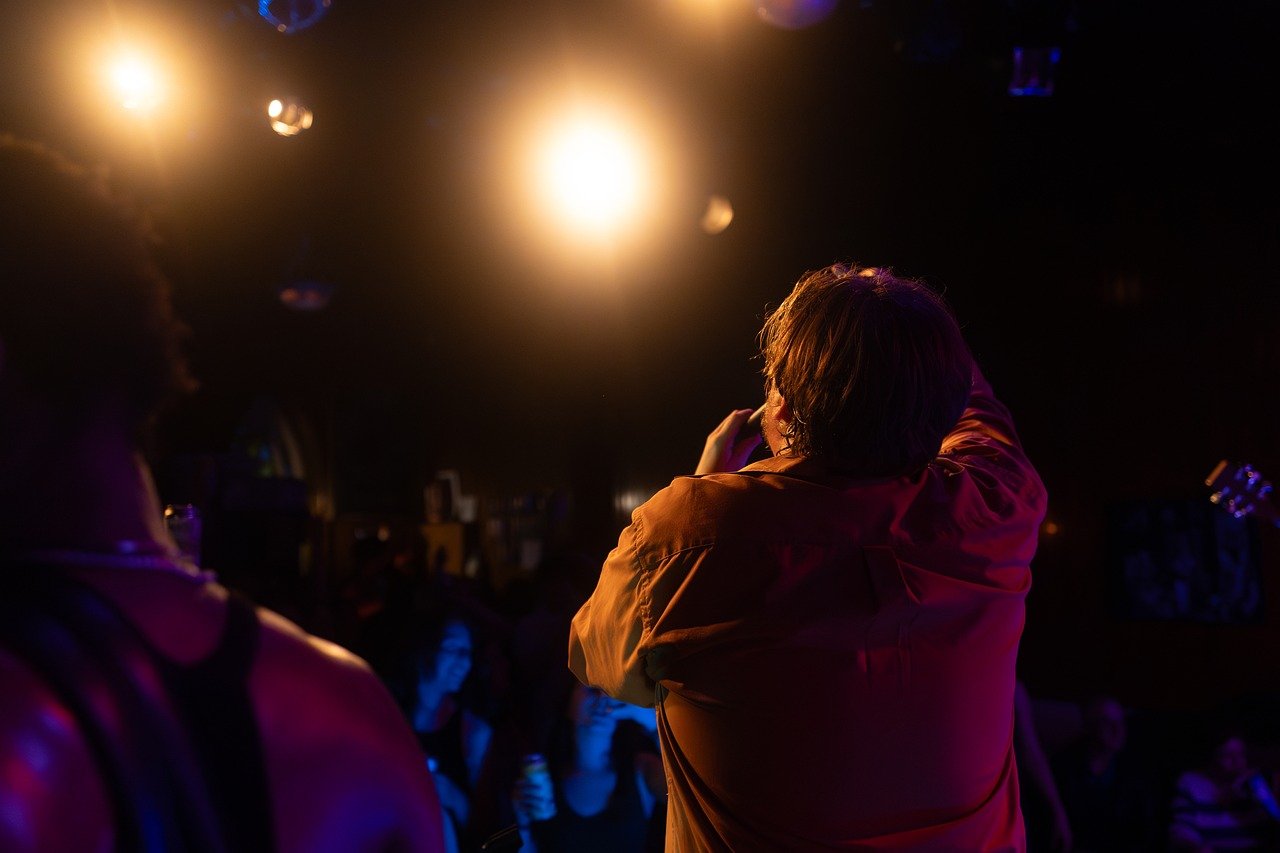
There’s an undeniable magic that ignites when the house lights dim, the first notes echo through the air, and thousands of voices rise in unison. Concerts are more than just performances; they are vibrant, shared experiences that transcend the everyday, weaving together sound, emotion, and community. From intimate club gigs to colossal stadium spectaculars, live music offers a unique connection to artists and fellow fans, creating memories that resonate long after the final encore. Dive into the pulsating world of concerts and discover why they remain an irreplaceable cornerstone of human culture.
The Enduring Allure of Live Music
In an increasingly digital world, the raw, unfiltered energy of a live concert stands as a powerful testament to the human need for connection and shared experience. While streaming services offer unparalleled access to music, nothing quite compares to the immersive environment of a live performance.
Why Concerts Resonate So Deeply
- Sensory Overload (in the best way): Beyond just hearing the music, you feel the bass vibrating through your chest, see the intricate stage designs and lighting effects, and smell the unique atmosphere of the venue. It’s a full-body experience.
- Shared Community: Being part of a crowd, all united by a common love for an artist or genre, fosters a powerful sense of belonging. High-fiving a stranger during your favorite chorus or singing along with thousands of others creates an unforgettable bond.
- Emotional Connection: Artists pour their hearts into live performances, and that authenticity is palpable. Fans often experience heightened emotions, from euphoria and joy to profound nostalgia or even catharsis, making the experience deeply personal.
Actionable Takeaway: Embrace the full sensory spectrum of a live event; let yourself be fully present in the moment rather than through a screen.
Beyond the Recording: The Unique Value Proposition
What sets a live concert apart from listening to an album at home? It’s the unpredictable, the spontaneous, and the interactive elements that simply cannot be replicated.
- Spontaneity and Improvisation: Artists often adapt their performances, adding extended solos, changing arrangements, or interacting with the crowd in unscripted ways. This makes each show a unique, one-of-a-kind event.
- Artist-Fan Interaction: Direct eye contact, banter with the crowd, and even moments when artists share personal stories create an intimate connection that builds a stronger bond between the performer and their audience.
- Enhanced Appreciation: Witnessing the skill, dedication, and passion of musicians live often deepens one’s appreciation for their craft and the complexities of their music.
Actionable Takeaway: Seek out live performances of your favorite artists; you might discover new facets of their music and artistry that a studio recording simply can’t convey.
Navigating the Concert Landscape: Types and Venues
The world of live music is incredibly diverse, offering a spectrum of experiences to suit every taste and preference. Understanding the different types of concerts and venues can help you tailor your experience perfectly.
Diverse Concert Formats
- Stadium Tours: Massive productions designed for tens of thousands, featuring elaborate stage sets, pyrotechnics, and immense sound systems. Example: Taylor Swift’s “Eras Tour” or a major rock band’s global trek.
- Arena Shows: Large indoor venues, typically holding 10,000-20,000 people, offering excellent sightlines and acoustics for popular acts. Example: A pop star’s album launch tour or a stand-up comedy special.
- Intimate Club Gigs: Smaller venues (a few hundred to a couple of thousand capacity) where you can get up close and personal with emerging artists or established acts performing special, stripped-down sets. Example: An indie band playing at a local music hall.
- Music Festivals: Multi-day events featuring dozens or even hundreds of artists across multiple stages, often incorporating art, food, and camping. Example: Coachella, Glastonbury, or Lollapalooza.
- Classical Performances: Orchestras, operas, and chamber music ensembles performing in purpose-built concert halls renowned for their acoustics. Example: A symphony orchestra performing Beethoven’s 9th.
- Open-Air Concerts: Outdoor events ranging from small park performances to large-scale amphitheater shows, offering a relaxed atmosphere. Example: Summer concert series in a park or an artist performing at a historic outdoor venue.
Actionable Takeaway: Experiment with different concert formats to find what kind of atmosphere and scale you enjoy most.
Choosing Your Perfect Venue
The venue significantly impacts your concert experience. Consider these factors when making your choice:
- Acoustics: Some venues are specifically designed for optimal sound quality, while others might prioritize capacity. Read reviews or ask fellow concert-goers about a venue’s sound.
- Crowd Size and Atmosphere: Do you prefer the energy of a massive crowd or the intimacy of a smaller gathering? Venues range from standing-room-only clubs to fully seated auditoriums.
- Accessibility: Check for ease of access, public transport options, parking availability, and accommodations for people with disabilities.
- Amenities: Consider food and drink options, restroom availability, and merchandise stands.
Practical Tip: Use online mapping tools to calculate travel time and parking options well in advance. Check the venue’s official website for their specific bag policy and prohibited items before you leave home.
Actionable Takeaway: Always research the venue’s policies and layout beforehand to ensure a smooth and enjoyable experience.
Mastering the Concert Experience: Before, During, and After
A truly great concert experience often begins long before the first note is played and extends well after the final bow. Thoughtful planning can elevate your enjoyment significantly.
Pre-Concert Planning: Setting the Stage for Success
- Ticket Purchasing Smartly: Always buy tickets from official vendors (e.g., Ticketmaster, Live Nation, artist’s official site) to avoid scams and inflated prices. Sign up for presales for popular artists.
- Transportation & Lodging: Plan your travel to and from the venue. Book ride-shares, public transport, or parking ahead of time. If traveling far, book hotels early to secure better rates.
- Outfit & Essentials: Wear comfortable shoes (you’ll likely be standing). Check the weather for outdoor events. Pack light: phone, ID, payment, earplugs (crucial for protecting your hearing at loud shows), and a portable charger.
- Hydration & Fuel: Eat a meal beforehand and drink plenty of water. Many venues have strict outside food/drink policies, but staying hydrated is key for energy.
Practical Example: For a major arena show in a big city, research public transport routes from your hotel to the venue, including last train times. If driving, pre-book parking at a nearby garage to avoid circling for spots on the night.
Actionable Takeaway: Treat concert planning like a mini-trip; preparation minimizes stress and maximizes enjoyment.
During the Show: Maximizing Your Enjoyment
- Be Present: While it’s tempting to film every moment, try to put your phone away for significant portions of the show. Immerse yourself in the music and the atmosphere.
- Respect Others: Be mindful of those around you. Don’t push or shove, avoid excessively loud chatter, and be aware of how your phone use (flash, bright screen) might impact others’ views.
- Stay Hydrated: Purchase water (or soft drinks) to avoid dehydration, especially in crowded, warm venues.
- Protect Your Hearing: Use earplugs, especially at rock, metal, or electronic music shows. Hearing damage is cumulative and irreversible.
- Know Your Exits: In case of an emergency, be aware of where the nearest exits are located.
Practical Example: Instead of filming an entire song, capture a short clip or a few photos, then put your phone away and truly experience the rest of the performance with your own eyes and ears.
Actionable Takeaway: Balance capturing memories with being fully present; your experience is more valuable than your phone’s gallery.
Post-Concert Reflection: Reliving the Magic
- Share Your Experience: Discuss the show with friends who attended or share your highlights on social media (responsibly).
- Revisit the Music: Listen to the artist’s albums again, perhaps with a newfound appreciation for their live performance.
- Keep an Eye Out: Check the artist’s social media for post-show updates, photos, or announcements of future tour dates.
Actionable Takeaway: The concert experience doesn’t end when the lights come up; savor the memories and let them deepen your connection to the music.
The Economic and Cultural Impact of Concerts
Beyond entertainment, concerts play a significant role in local economies and cultural development, fostering communities and driving significant revenue.
A Driving Force for Local Economies
When a major artist or festival rolls into town, it sets off a ripple effect of economic activity:
- Tourism & Hospitality: Fans travel from out of town, booking hotel rooms, eating at local restaurants, and using local transportation. A major festival can bring tens of thousands of visitors, significantly boosting a city’s revenue.
- Job Creation: Concerts employ a vast network of people: venue staff, security, technicians, sound engineers, lighting designers, roadies, merchandise sellers, and many more.
- Local Businesses: Shops, bars, and eateries near venues often see a surge in customers before and after shows.
- Direct Spending: Ticket sales, merchandise, and concessions contribute directly to the music industry and local economies. Industry reports often highlight that live music generates billions annually, with significant portions benefiting local communities.
Practical Example: A three-day music festival in a smaller city can inject millions of dollars into the local economy through visitor spending on accommodation, food, and local attractions, supporting hundreds of local jobs temporarily and permanently.
Actionable Takeaway: Recognize that attending a concert is not just entertainment; it’s an investment in local economies and the broader cultural landscape.
Shaping Culture and Community
Concerts are more than just commercial ventures; they are powerful cultural touchstones.
- Fostering Shared Identity: Music scenes and concert experiences help define cultural identities, from punk rock mosh pits to classical opera galas, creating communities bound by shared artistic tastes.
- Discovering New Artists: Opening acts and festival lineups often introduce fans to new music, fostering discovery and expanding musical horizons.
- Historical Significance: Certain concerts and music festivals have become pivotal historical moments, reflecting societal changes, inspiring movements, and bringing people together for collective causes (e.g., Woodstock, Live Aid).
Actionable Takeaway: Engage with the music community around you, whether online or locally, to discover new artists and deepen your cultural understanding.
The Future of Live Music: Innovation and Evolution
The concert industry is continuously evolving, embracing new technologies and focusing on sustainability and accessibility to enhance the experience for all fans.
Technological Advancements Enhancing the Experience
- Immersive Visuals: Advanced projection mapping, LED screens, and drone light shows create breathtaking visual spectacles that go far beyond traditional stage lighting.
- Virtual and Augmented Reality: While not fully replacing the live experience, VR/AR offers new ways to engage with concerts, from virtual front-row seats to interactive digital overlays during a physical show.
- Cashless & Contactless Venues: Streamlining transactions for food, drinks, and merchandise, making the experience more efficient and hygienic.
- Personalized Experiences: Apps offering personalized setlists, real-time updates, or even interactive elements during a show.
Practical Example: A concert might feature an artist performing with a holographic version of themselves, or use facial recognition technology for faster, more secure entry into the venue.
Actionable Takeaway: Stay open to new technologies that aim to enhance the concert experience, but always prioritize the core connection to the music.
Sustainability and Accessibility in Live Music
As the industry grows, there’s increasing focus on making concerts more responsible and inclusive.
- Eco-Friendly Practices: Festivals and venues are adopting waste reduction programs, using renewable energy, banning single-use plastics, and encouraging public transport or carpooling.
- Inclusive Access: Efforts are being made to ensure concerts are accessible for people with disabilities, including improved seating, sign language interpreters, and sensory-friendly environments.
- Mental Health Support: Some events are now offering safe spaces and resources for attendees who may need support.
Actionable Takeaway: Support artists and venues that prioritize environmental sustainability and strive for greater accessibility and inclusivity, making live music a welcoming space for everyone.
Conclusion
Concerts are truly a vibrant and indispensable part of our cultural fabric, offering much more than just a musical performance. They are powerful platforms for human connection, economic growth, and artistic expression. From the thrill of anticipating an upcoming tour date to the euphoria of singing along with thousands of strangers, the live music experience is a unique journey for the senses and the soul. So, whether you’re a seasoned concert-goer or planning your very first outing, embrace the energy, prepare thoughtfully, and allow yourself to be swept away by the unparalleled magic of live music. The stage is set, the artists are ready – go experience the unforgettable!