
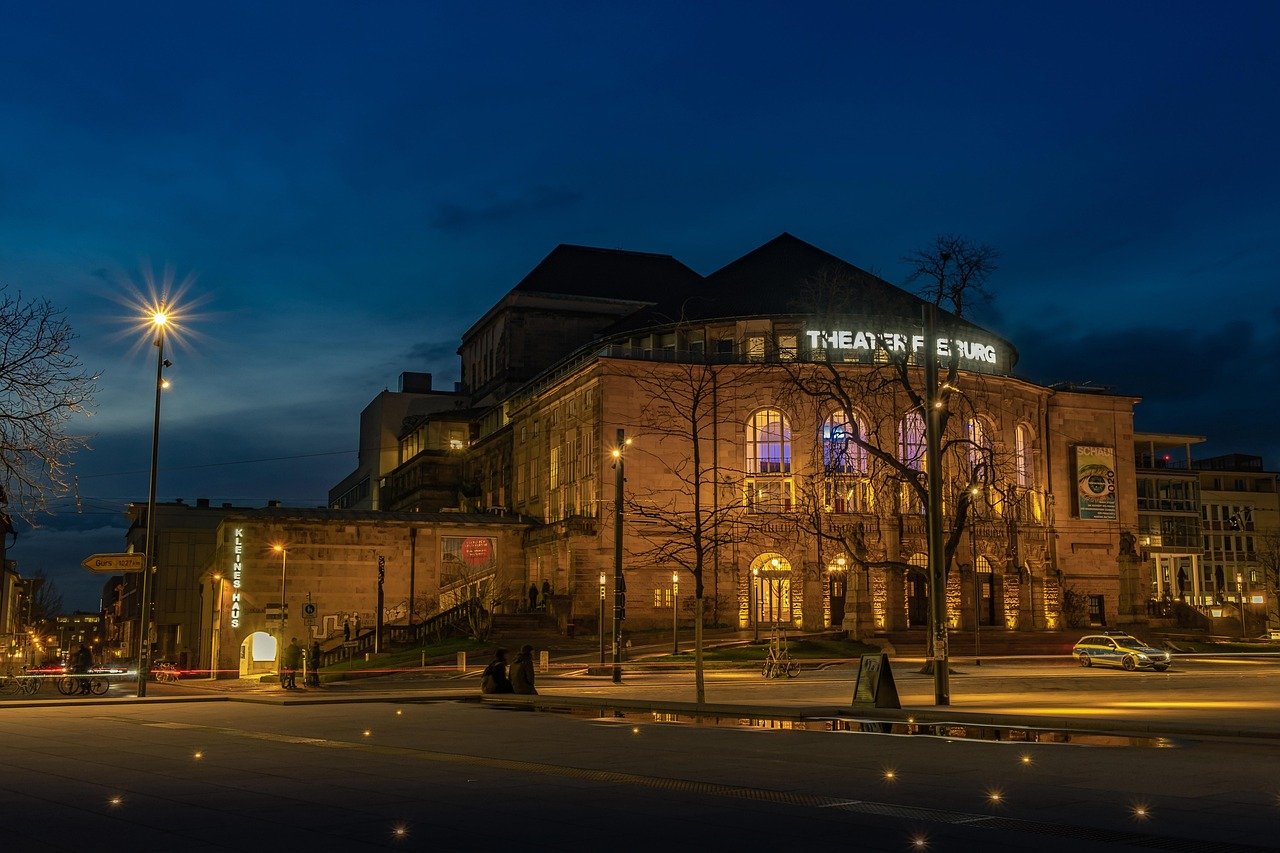
In an increasingly digital world, where screens dominate our attention, there remains a powerful, primal art form that continues to captivate, challenge, and connect us: theater. It’s more than just entertainment; it’s a living, breathing experience, a dynamic exchange between performers and an audience, unfolding in real-time. From the ancient amphitheatres echoing with Greek tragedies to the dazzling lights of Broadway, live theater holds a unique mirror to humanity, reflecting our triumphs, struggles, and the very essence of the human spirit. Join us as we explore the multifaceted world of theater, an art form as relevant and vital today as it ever was.
The Enduring Magic of Live Performance
There’s an unparalleled thrill that comes with attending a live theatrical performance. Unlike film or television, which are fixed and repeatable, theater is an ephemeral event, happening uniquely in the present moment. This creates a special energy that no other medium can replicate.
The Uniqueness of Each Show
- Immediacy: Every performance is a singular event. Actors draw energy from the audience, and the nuances of a scene can shift subtly each night.
- Vulnerability: The human element is paramount. There’s an inherent risk and raw vulnerability in live acting that fosters a deep connection.
- Shared Experience: Sitting in an auditorium, you’re part of a collective emotional journey. Laughter, tears, gasps – these reactions are amplified by the shared presence of others.
Practical Example: Imagine watching a renowned actor deliver a monologue. The way they pause, the tremor in their voice, the slight shift in their eyes – these details are experienced directly and intensely, making that moment unforgettable. You feel the palpable tension or joy in the room, knowing everyone around you is experiencing it simultaneously.
Actionable Takeaway: To truly understand the magic, make it a point to attend at least one live play or musical this year. Pay attention to the shared energy in the room and how it elevates the performance.
A Glimpse into Theater History and Evolution
The roots of theater stretch back thousands of years, evolving through various cultures and epochs, each leaving its indelible mark on this dynamic art form. Understanding its history provides context for its present power.
Roots in Ancient Civilizations
- Ancient Greece: Often considered the birthplace of Western theater, featuring tragedies (Aeschylus, Sophocles, Euripides) and comedies (Aristophanes). Performances were part of religious festivals, emphasizing moral and civic lessons.
- Ancient Rome: Adapted Greek forms, focusing on spectacle, mime, and popular entertainment. Roman theater eventually gave way to gladiator contests and other public shows.
- Eastern Traditions: Rich theatrical traditions developed independently in Asia, such as Japanese Noh and Kabuki, Chinese Opera, and Indian Sanskrit drama, each with distinct aesthetics, music, and performance styles.
Medieval and Renaissance Flourishing
- Medieval Period: Religious plays (mystery, miracle, and morality plays) emerged, performed in churches and later on movable pageant wagons, teaching biblical stories and moral lessons to illiterate populations.
- The Renaissance: Witnessed a rebirth of classical forms and a surge in secular drama. England’s Elizabethan era, with playwrights like William Shakespeare and Christopher Marlowe, created masterpieces of poetic drama that remain cornerstones of the theatrical canon.
Modern Theater Movements
- 19th Century: Saw the rise of realism and naturalism (Henrik Ibsen, Anton Chekhov), seeking to depict life authentically. Melodrama was also popular.
- 20th Century Onward: A kaleidoscopic array of movements including absurdism (Samuel Beckett), epic theater (Bertolt Brecht), experimental theater, and the proliferation of musical theater, notably on Broadway and London’s West End, which became global hubs for spectacular productions.
Practical Example: When you watch a modern drama that delves into complex family dynamics, you’re witnessing the legacy of realism championed by Ibsen. Similarly, a contemporary musical often draws on the spectacle and narrative structures perfected over decades of Broadway history.
Actionable Takeaway: Explore a play from a historical period you’re unfamiliar with. Reading or watching a filmed version of a classic can deepen your appreciation for theater’s enduring themes.
The Collaborative Art: Roles Behind the Curtain
The magic you see on stage is the culmination of countless hours of work by a diverse team of dedicated professionals. Theater is inherently collaborative, bringing together various artistic and technical disciplines.
Directing and Playwriting
- Playwright: The initial visionary, crafting the story, characters, and dialogue. They lay the emotional and intellectual foundation for the entire production.
- Director: The interpretive leader, guiding the artistic vision, blocking scenes, coaching actors, and ensuring all elements coalesce into a cohesive whole. They are the bridge between the playwright’s words and the stage reality.
Acting and Performance
- Actors: The heart of the stage, embodying characters and conveying emotions, thoughts, and actions through voice, movement, and presence. Their ability to connect with the audience is paramount.
- Musicians/Orchestra: For musicals, live musicians provide the emotional landscape and driving force behind the songs, often an unseen but vital component.
Design and Technical Crew
- Set Designer: Creates the physical world of the play, crafting environments that transport the audience to different places and times.
- Costume Designer: Develops the visual identities of characters through clothing, reflecting period, personality, and social status.
- Lighting Designer: Uses light to shape the stage, create mood, guide audience focus, and indicate time of day or location.
- Sound Designer: Composes the auditory landscape, from subtle sound effects to immersive atmospheric sounds and managing actor amplification.
- Stage Manager: The organizational backbone, ensuring smooth rehearsals, managing backstage operations during performances, and calling cues.
- Technical Director & Crew: Responsible for building and maintaining sets, props, and ensuring the smooth operation of all technical elements.
Practical Example: Consider a scene in a historical drama. The playwright provided the words, the director shaped the actors’ movements, the costume designer dressed them in period-appropriate attire, the set designer created an opulent ballroom, and the lighting designer bathed it in the warm glow of candlelight, all seamlessly orchestrated by the stage manager and technical crew.
Actionable Takeaway: Next time you attend a show, take a moment to read the program and acknowledge the extensive list of individuals whose creativity and hard work brought the production to life.
Benefits of Engaging with Theater
Beyond entertainment, theater offers a wealth of benefits for individuals, communities, and society as a whole, proving its value far beyond the box office.
Cultural Enrichment and Empathy
- Broadens Perspectives: Theater often tackles complex social, political, and human issues, exposing audiences to diverse viewpoints and experiences.
- Fosters Empathy: By witnessing characters’ journeys and emotions, audiences develop a deeper understanding of human nature and cultivate empathy for others.
- Preserves Heritage: Performing classic plays helps preserve literary and cultural heritage, keeping timeless stories and ideas alive.
Educational and Cognitive Value
- Critical Thinking: Engaging with theatrical narratives encourages audiences to analyze themes, character motivations, and dramatic structure.
- Communication Skills: For participants, theater training (acting, public speaking, improvisation) significantly enhances communication, collaboration, and presentation skills.
- Creative Expression: Provides an outlet for creativity, imagination, and self-expression for both performers and designers.
Economic and Community Impact
- Job Creation: The theater industry employs a vast array of professionals, from artists and technicians to administrators and front-of-house staff.
- Tourism Driver: Major theater districts, like Broadway, are significant tourist attractions, generating billions in revenue for cities. (Statistic: Broadway alone contributed $14.7 billion to the NYC economy and supported 96,900 jobs in the 2018-2019 season).
- Community Hubs: Local and regional theaters serve as vital cultural hubs, fostering community engagement and providing accessible arts experiences.
Practical Example: A play addressing contemporary social justice issues can spark vital conversations in a community, leading to greater understanding and potentially inspiring action. For students, participating in a school play can significantly boost self-confidence and teamwork skills.
Actionable Takeaway: Seek out productions that challenge your perspectives or explore themes relevant to your community. Consider encouraging arts education in schools to harness these developmental benefits for younger generations.
How to Experience and Support Theater Today
Whether you’re a seasoned theatergoer or a curious newcomer, there are many ways to engage with and support the vibrant world of live theater.
Finding Local Productions
- Community Theaters: Often affordable and showcasing local talent, these are great starting points. Search online for “[Your City/Town] community theater.”
- University & College Programs: Educational institutions frequently have excellent theater departments producing high-quality, often innovative, and budget-friendly shows.
- Regional Professional Theaters: Many cities boast professional non-profit theaters that offer a diverse season of plays and musicals.
- Online Listings & Newsletters: Check local arts council websites, theater review sites, and subscribe to newsletters from your favorite venues.
Tips for First-Timers
- Choose a Familiar Genre: If you love comedies, start with a farce. If musicals are your thing, find a popular one.
- Arrive Early: Allow time to find your seat, read the program, and soak in the atmosphere.
- Theater Etiquette: Turn off your phone, avoid talking during the performance, and consider waiting for intermission for bathroom breaks or snacks. Applaud enthusiastically!
- Post-Show Reflection: Talk about the play afterward with your companions. What resonated with you? What confused you?
Supporting Your Local Arts Scene
- Buy Tickets: The most direct way to support. Consider season subscriptions for better value.
- Donate: Most non-profit theaters rely on donations to fund productions, educational programs, and facility maintenance.
- Volunteer: Offer your time for ushering, concessions, administrative tasks, or even set building.
- Spread the Word: Share your positive experiences on social media, write reviews, and encourage friends and family to attend.
Practical Example: Instead of just browsing streaming services, dedicate one evening a month to checking your local newspaper or arts website for upcoming theater productions. You might discover a hidden gem right in your neighborhood, like an avant-garde play or a classic Shakespearean comedy.
Actionable Takeaway: Commit to attending at least two different types of theatrical productions this year – perhaps a classic drama and a new, experimental work – to broaden your horizons and support the diversity of the art form.
Conclusion
The stage has always been a powerful arena for storytelling, a place where shared human experiences are explored, emotions are ignited, and connections are forged. From its ancient origins to its modern manifestations, live theater remains an indispensable part of our cultural fabric, offering unique benefits that transcend mere entertainment. It’s a vibrant, evolving art form that challenges us to think, feel, and connect more deeply with the world around us. So, step away from the screen, embrace the magic of the moment, and allow yourself to be transported by the enduring power of theater. Your local stage awaits.