
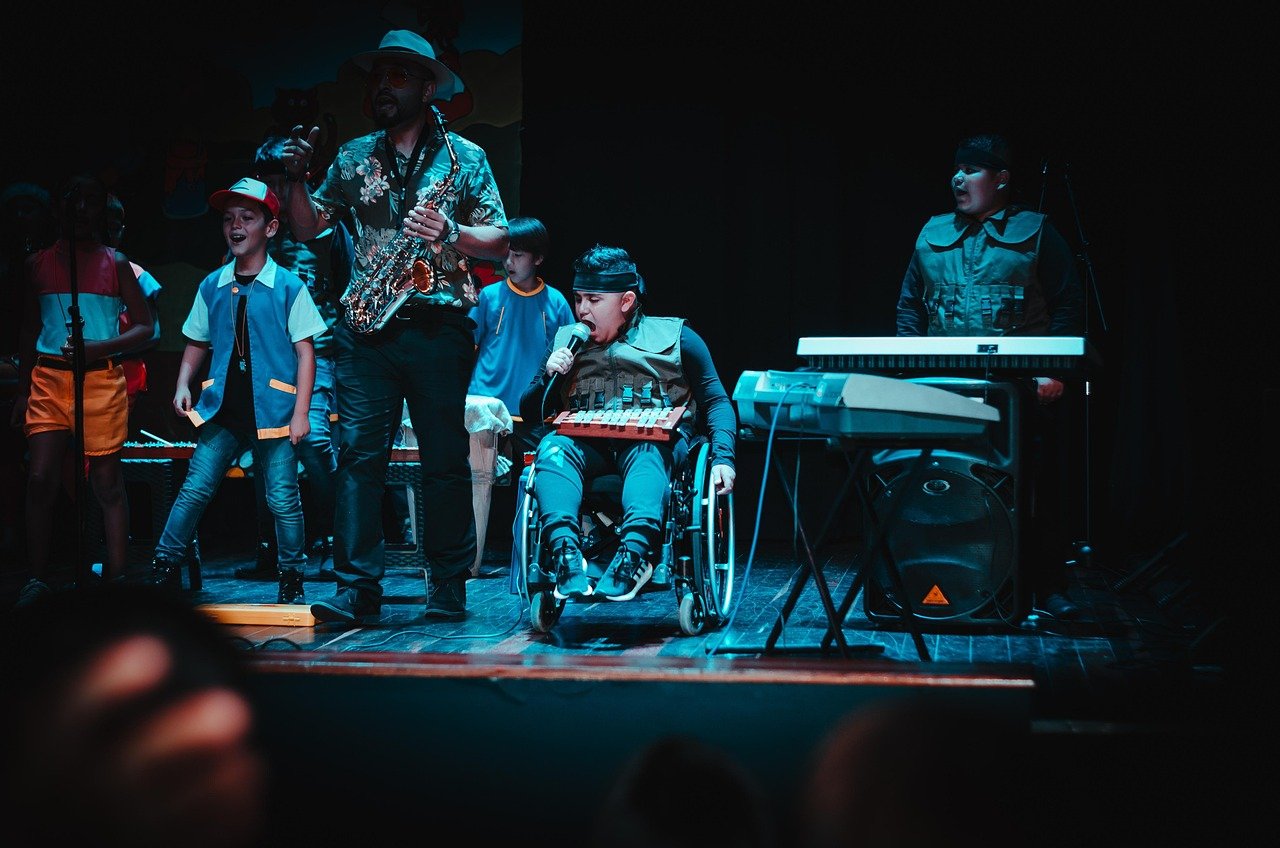
The lights dim, a collective hush falls over the crowd, and then—the roar. That electrifying moment when your favorite artist steps onto the stage, the first chords ring out, and the music washes over you. There’s an undeniable magic to live concerts, an experience that transcends simply listening to a song. It’s a full-body, full-sensory immersion into sound, emotion, and shared human connection. From intimate club gigs to colossal stadium tours, concerts offer a unique blend of spectacle and soul, creating memories that resonate long after the final encore fades.
The Unforgettable Appeal of Live Music
In a world increasingly dominated by digital interactions, the raw, unfiltered energy of a live concert stands out as a powerful antidote. It’s an experience that truly needs to be felt to be understood, offering a profound connection between artist and audience.
More Than Just a Performance
A live concert is far more than just hearing music played aloud; it’s an intricate tapestry woven from multiple sensory threads. It activates every part of you, creating an immersive spectacle.
- Auditory Immersion: The sheer power of the sound system, the nuances of the live instrumentation, and the collective roar of the crowd create an unparalleled sonic landscape. The bass vibrating through your chest, the crispness of the vocals – it’s a physical sensation.
- Visual Spectacle: Modern concerts are often elaborate productions, featuring stunning light shows, intricate stage designs, pyrotechnics, and captivating video projections that elevate the performance into an art form.
- Communal Energy: There’s an incredible synergy that arises when thousands of people gather, united by a shared passion for an artist or genre. The collective singing, dancing, and cheering create an infectious energy that amplifies the emotional impact of the music.
Psychological & Social Benefits
Beyond entertainment, attending concerts offers tangible benefits for our mental health and social well-being.
- Stress Reduction & Mood Boost: Research suggests that engaging with live music can significantly reduce cortisol levels (the stress hormone) and increase feelings of happiness and well-being. The release of endorphins during an exhilarating performance acts as a powerful mood enhancer.
- Building Community: Concerts are a fantastic way to connect with like-minded individuals. Sharing an intense, joyful experience with strangers often fosters a sense of belonging and camaraderie, even if it’s just for one night.
- Memory Creation: The unique, intense nature of a live show makes it highly memorable. These experiences become cherished personal anecdotes and contribute to our personal narrative.
Actionable Takeaway: Don’t just listen to music; actively seek out live music experiences. Consider it an investment in your well-being and a powerful way to create lasting positive memories.
Navigating the Concert Landscape: Types and Trends
The world of live music is incredibly diverse, offering a spectrum of experiences to suit every taste and preference. Understanding the different formats can help you choose your next unforgettable event.
Diverse Concert Experiences
From intimate gatherings to sprawling multi-day events, there’s a live music setting for everyone.
- Stadium Tours: These are the blockbuster events, featuring global superstars performing in massive arenas. Expect elaborate stage productions, stunning visuals, and a truly epic scale. Think artists like Taylor Swift, Coldplay, or U2.
- Arena Shows: A step down from stadiums in size but equally impactful, arenas host a wide range of popular artists across various genres. These venues offer excellent acoustics and sightlines, providing a more focused experience than stadiums.
- Intimate Club Gigs: For a raw, authentic connection, small club venues are unparalleled. You’ll often discover emerging artists, local bands, or see established acts in a stripped-down setting. The proximity to the performers creates a unique, personal atmosphere.
- Music Festivals: Multi-day extravaganzas featuring dozens, sometimes hundreds, of artists across multiple stages. Festivals like Glastonbury, Coachella, or Lollapalooza offer a diverse lineup, vibrant culture, and a communal camping or festival experience.
- Symphony Orchestras & Classical Concerts: For those who appreciate classical music, these performances offer a refined and emotionally rich auditory experience, often in grand concert halls with impeccable acoustics.
- Outdoor Amphitheaters: Popular during warmer months, these venues blend the joy of live music with fresh air and often scenic surroundings, providing a relaxed, festival-like atmosphere for single-day shows.
Emerging Trends in Concerts
The concert industry is constantly evolving, driven by technological advancements and changing audience expectations.
- Virtual & Hybrid Concerts: Accelerated by global events, these formats offer accessibility and innovative viewing experiences. Artists can reach a global audience, and fans can enjoy performances from the comfort of their homes, often with interactive elements.
- Experiential Elements: Many events are now integrating immersive art installations, themed zones, gourmet food experiences, and interactive technologies to create a holistic entertainment package beyond just the music.
- Sustainability Focus: Venues and promoters are increasingly adopting eco-friendly practices, including waste reduction programs, renewable energy sources for stages, and promoting public transport to reduce carbon footprints.
Actionable Takeaway: Don’t limit yourself to one type of concert. Experiment with different venues and genres to discover new favorite artists and expand your live music palette.
Your Ultimate Concert Guide: Tips for an Amazing Experience
To truly maximize your enjoyment and ensure a smooth experience, a little preparation goes a long way. From securing tickets to post-show reflections, here’s how to make your next concert unforgettable.
Before the Show
Preparation is key to a stress-free and enjoyable concert experience.
- Ticket Savvy:
- Act Fast: Popular shows sell out quickly. Sign up for artist fan clubs or venue newsletters for presale codes.
- Authorized Sellers: Always buy from official ticketing platforms (e.g., Ticketmaster, Live Nation) or verified resale markets to avoid scams and inflated prices.
- Budgeting: Factor in not just the ticket price, but also potential service fees, parking, transportation, and merchandise.
- Planning Logistics:
- Transportation: Plan your route to the venue. Consider public transport, ride-sharing, or carpooling to avoid parking hassles and costs.
- Accommodation: If traveling for a concert, book hotels or Airbnb well in advance, especially for major events in popular cities.
- Dining: Check for nearby restaurants or venue food options. Many venues have strict outside food/drink policies.
- What to Bring:
- Earplugs: Essential for protecting your hearing, especially at loud shows. High-fidelity earplugs preserve sound quality while reducing decibels.
- Portable Charger: Keep your phone alive for photos, videos, and post-show coordination.
- Small Bag: Check venue bag policies regarding size and type (e.g., clear bags). Only bring essentials.
- ID & Payment: Most venues are cashless or prefer card payments.
During the Concert
Once you’re there, immerse yourself fully in the experience while staying safe and respectful.
- Embrace the Moment: While it’s tempting to film everything, try to put your phone away for at least some parts of the show. Be present, sing along, and connect with the music and the crowd.
- Safety First:
- Stay Hydrated: Especially important in crowded, hot venues. Buy water or locate water fountains.
- Be Aware: Know your exits and be mindful of your surroundings.
- Meeting Point: If with a group, designate a meeting spot in case you get separated.
- Venue Etiquette: Respect other concert-goers. Avoid excessive pushing, yelling over the music, or blocking views with your phone or large signs.
After the Encore
The experience doesn’t have to end when the lights come up.
- Relive the Memories: Share your favorite moments with friends, post photos, or simply reflect on the incredible experience you just had.
- Support the Artists: Consider buying merchandise, streaming their music, or sharing your positive experience online. Your support helps artists continue doing what they love.
Actionable Takeaway: Create a concert checklist and stick to it. Good preparation directly translates to a more enjoyable and less stressful live music experience.
The Economic and Cultural Impact of Live Music
Concerts are more than just entertainment; they are powerful drivers of local economies and vital contributors to global culture and innovation.
Driving Local Economies
The concert industry is a significant economic force, creating jobs and stimulating growth across various sectors.
- Job Creation: Live music events generate employment for a vast array of professionals, including musicians, technicians, venue staff, security, promoters, marketing teams, ticket agents, and road crews.
- Tourism & Local Spending: Major concerts and music festivals often attract attendees from outside the local area. These visitors spend money on hotels, restaurants, bars, local shops, and transportation, injecting substantial revenue into the local economy. For example, a large music festival can contribute tens of millions of dollars to its host city.
- Ancillary Industries: Beyond direct spending, concerts boost business for merchandise manufacturers, catering companies, equipment rental services, and many other supporting industries.
A Pillar of Culture and Innovation
Concerts play a crucial role in shaping cultural landscapes and fostering artistic development.
- Platform for Artistic Expression: Live performances provide artists with an unparalleled platform to connect with their audience, express their creativity, and deliver messages that resonate deeply. They are crucibles for new ideas and experimental sounds.
- Catalyst for Musical Trends: The energy and interaction of live shows can inspire new musical directions, foster collaborations, and help solidify burgeoning genres. Many iconic musical movements began in small, vibrant live music scenes.
- Preservation of Heritage: Traditional music forms, classical performances, and folk music often rely on live concerts to be passed down and celebrated, ensuring cultural heritage remains vibrant and accessible to new generations.
Actionable Takeaway: Remember that every concert ticket you buy contributes to a vast ecosystem of jobs and cultural preservation. Your attendance has a ripple effect far beyond the performance itself.
The Future of Concerts: Technology and Evolution
The live music industry is constantly innovating, leveraging technology to enhance the fan experience, promote sustainability, and increase accessibility for all. The next decade promises even more exciting developments.
Innovations Enhancing the Fan Experience
Technology is set to make live music even more immersive, personal, and interactive.
- Augmented Reality (AR) & Virtual Reality (VR): Imagine attending a concert from home with a VR headset, feeling like you’re on stage, or seeing AR overlays transforming the physical venue into a dynamic visual spectacle. These technologies are already being experimented with to create hyper-immersive digital and hybrid experiences.
- Personalized Experiences: AI could analyze fan preferences to suggest personalized setlists, provide real-time interactive visual effects driven by crowd engagement, or even tailor light and soundscapes to individual sections of a venue.
- Blockchain for Ticketing: This technology offers a secure, transparent way to issue and transfer tickets, combating scalping and counterfeit tickets, ensuring fans get fair prices and authentic entry.
- Haptic Feedback Systems: Wearable tech could provide haptic feedback, allowing hearing-impaired individuals to “feel” the music’s vibrations, or enhance the sensory experience for all attendees.
Sustainability and Accessibility
The future of concerts is also focused on being more responsible and inclusive.
- Green Initiatives: Expect to see more venues powered by renewable energy, advanced waste management systems, water conservation efforts, and eco-friendly merchandise. The goal is to make large-scale events as sustainable as possible.
- Improved Accessibility: Venues are increasingly prioritizing accessibility for all fans. This includes better physical access for those with mobility challenges, sensory-friendly spaces for individuals with sensory processing sensitivities, and enhanced services for hearing or visually impaired attendees.
Actionable Takeaway: Stay informed about technological advancements in the concert world. Embrace new formats and experiences as they emerge, as they will continue to redefine how we engage with live music.
Conclusion
Concerts are more than just events; they are cultural touchstones, emotional releases, and powerful communal experiences that leave an indelible mark on our memories. From the raw energy of a club gig to the breathtaking spectacle of a stadium tour, live music offers something profoundly unique and uplifting. It fuels economies, inspires creativity, and connects us on a deeply human level. So, the next time your favorite artist announces a tour, or a local band catches your eye, don’t hesitate. Dive into the unforgettable world of live music. You won’t just be seeing a show; you’ll be creating a lasting memory, connecting with a community, and experiencing the pure, unadulterated magic of sound in its most vibrant form. Go find your rhythm, feel the bass, and let the music move you.