
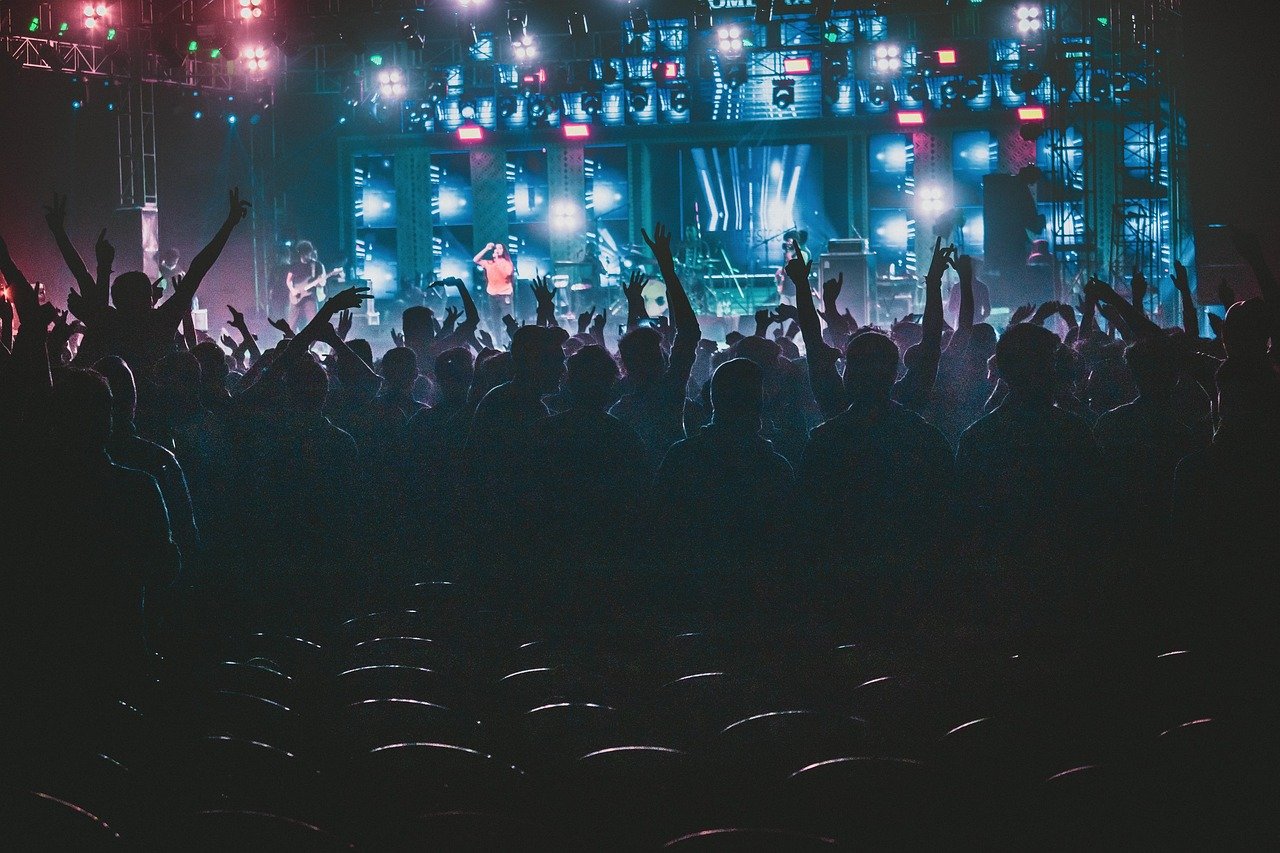
From the songs echoing in our cars to the series captivating our evenings, the fashion statements defining our style, and the memes dominating our feeds, pop culture is not just a backdrop to our lives; it’s the very fabric woven into our daily existence. It’s the shared language, the common ground, and the ever-shifting landscape that reflects and shapes who we are, what we value, and how we interact with the world. Far from being trivial, understanding pop culture offers profound insights into societal shifts, economic drivers, and the intricate dynamics of human connection. Let’s dive deep into this fascinating phenomenon, exploring its reach, impact, and evolving nature.
The Ever-Evolving Tapestry of Pop Culture
Pop culture, short for popular culture, encompasses the ideas, perspectives, attitudes, images, and phenomena that are widely accepted and consumed by the mainstream. It’s a dynamic and fluid entity, constantly redefined by the collective tastes and trends of a society. From the music charts to the silver screen, the gaming world to viral internet sensations, its influence is pervasive.
Defining the Scope and Reach
- Media & Entertainment: Movies, TV shows, music, books, comics, podcasts, and video games.
- Fashion & Lifestyle: Clothing trends, celebrity endorsements, beauty standards, and dietary fads.
- Digital & Social: Internet memes, viral challenges, influencer culture, and trending topics on platforms like TikTok and Twitter.
- Sports & Events: Major sporting events (e.g., Super Bowl), cultural festivals, and celebrity gossip.
Historically, pop culture has mirrored technological advancements. The rise of radio in the 1920s brought music into homes, TV in the 1950s created shared viewing experiences, and the internet today allows for instantaneous global dissemination of trends. For instance, the rock and roll explosion of the 1950s challenged traditional norms, much like hip-hop evolved from underground roots to become a dominant global force, reflecting distinct cultural narratives and influences.
Actionable Takeaway: By observing the dominant forms of pop culture, you gain a real-time pulse on societal values, technological shifts, and emerging consumer interests. This foresight can be invaluable for creative endeavors, marketing strategies, or simply staying informed.
The Power of Influence: Shaping Society and Identity
Pop culture is a powerful engine of influence, capable of driving social change, shaping individual identities, and moving vast economic markets. It reflects societal values while simultaneously acting as a catalyst for their evolution.
Societal Impact and Cultural Conversations
Pop culture often serves as a mirror, reflecting prevalent attitudes, anxieties, and aspirations within a society. At the same time, it acts as a megaphone, amplifying certain voices and narratives. Consider the impact of:
- Representation: TV shows like “Black-ish” or “Pose” sparked crucial conversations about race, LGBTQ+ rights, and family dynamics, pushing for greater inclusivity in mainstream media.
- Social Movements: Music has long been a soundtrack for protest and change, from folk songs of the civil rights era to modern anthems addressing social justice issues.
- Global Soft Power: The immense global popularity of K-Pop and K-Dramas (e.g., BTS, “Squid Game”) demonstrates how cultural exports can build international bridges and reshape perceptions of a nation. South Korea’s creative industries generated over $124 billion in 2021, showcasing the significant economic and cultural impact.
Identity Formation and Fandoms
For individuals, pop culture provides a rich tapestry through which to explore and express identity. Fandoms, in particular, offer communities built around shared passions:
- Sense of Belonging: Whether it’s devotion to a sports team, a band, or a fictional universe (like Marvel or Harry Potter), fandoms provide a sense of community and shared purpose.
- Self-Expression: Fashion choices inspired by celebrities, adopting catchphrases from popular shows, or creating fan art all contribute to personal expression.
- Role Models: Celebrities, fictional characters, and influencers can serve as aspirational figures, impacting personal goals and values.
Actionable Takeaway: Understand that engagement with pop culture goes beyond mere entertainment; it’s a form of social participation and identity construction. For marketers, tapping into authentic fandoms can build powerful brand loyalty. For individuals, conscious consumption can shape a more informed and empathetic worldview.
Digital Dominance: Social Media and the Acceleration of Trends
The rise of digital platforms and social media has fundamentally reshaped how pop culture is created, disseminated, and consumed. Trends now emerge and dissipate at lightning speed, often originating from unexpected corners of the internet.
The Rise of Platforms as Incubators
Platforms like TikTok, Instagram, YouTube, and X (formerly Twitter) are not just distribution channels; they are often the birthplace of new pop culture phenomena.
- Viral Challenges: From dance crazes to awareness campaigns (e.g., Ice Bucket Challenge), these spread globally within hours.
- Influencer Culture: Everyday individuals can cultivate massive followings, becoming tastemakers and trendsetters without traditional gatekeepers. A 2023 study found that 62% of consumers trust influencers more than brands.
- Meme Economy: Visual and textual memes rapidly evolve, becoming a unique form of digital communication and commentary. They reflect collective humor, current events, and shared experiences.
Democratization and Globalization of Trends
The internet has significantly democratized the creation and consumption of pop culture. Anyone with a smartphone can contribute to the cultural zeitgeist, and trends can transcend geographical boundaries almost instantaneously.
- User-Generated Content: Fans can remix, reinterpret, and contribute to popular narratives, often extending the life and reach of a trend.
- Cross-Cultural Exchange: A song trending in one country can become a global hit overnight, like the phenomenon of “Despacito” or various K-Pop tracks.
Actionable Takeaway: To stay relevant in today’s fast-paced cultural landscape, it’s crucial to monitor social media trends and understand the mechanisms of viral content. For brands, engaging authentically with user-generated content and platform-specific trends can significantly boost visibility and connection.
The Business of Buzz: Marketing, Branding, and Fandoms
Pop culture is big business. Its allure drives billions in revenue through advertising, merchandise, media consumption, and experiential events. Understanding its commercial power is key for anyone involved in marketing, branding, or content creation.
Brand Integration and Marketing Strategies
Companies consistently leverage pop culture to connect with consumers, create buzz, and reinforce brand identity.
- Celebrity Endorsements: Using famous personalities to promote products, leveraging their appeal and audience trust.
- Product Placement: Strategically integrating products into movies, TV shows, and video games to subtly influence viewers (e.g., specific phone brands in blockbusters).
- Pop Culture References: Brands incorporating memes, trending hashtags, or references to popular media in their advertising campaigns to appear current and relatable. For instance, a fast-food chain using a trending dance or catchphrase in a commercial.
- Collaborations: High-profile partnerships between fashion brands and pop artists, or limited-edition product drops tied to movie releases (e.g., sneaker lines inspired by superhero films) create immediate demand and hype.
The Fandom Economy and Intellectual Property
Dedicated fans are not just consumers; they are a powerful economic force, willing to spend significantly on items connected to their passions.
- Merchandise Sales: From action figures and apparel to collectibles and home decor, licensed merchandise generates billions annually. The global licensed merchandise market was valued at over $292 billion in 2022.
- Experiential Marketing: Pop-up experiences, conventions (e.g., Comic-Con), and themed attractions offer fans immersive ways to engage, driving ticket and travel sales.
- Content Monetization: Streaming services, gaming subscriptions, and pay-per-view events all capitalize on the ongoing demand for pop culture content and its intellectual property (IP).
Actionable Takeaway: Businesses must stay attuned to pop culture shifts to effectively target demographics, create resonant campaigns, and identify opportunities for brand collaborations. Investing in strong intellectual property and cultivating engaged fandoms are crucial for long-term commercial success.
Navigating the Nuances: Critiques and Cultural Conversations
While often celebrated, pop culture is also a frequent subject of critical analysis and intense debate. Engaging with these nuances is essential for a comprehensive understanding of its impact.
Representation, Diversity, and Authenticity
A significant area of critique revolves around how different groups are represented in mainstream media. There’s a persistent push for:
- Authentic Portrayals: Moving beyond stereotypes to showcase diverse characters with depth and complexity (e.g., the rise of LGBTQ+ characters and storylines).
- Inclusive Storytelling: Ensuring that narratives reflect a wider range of experiences, cultures, and perspectives. This includes behind-the-scenes diversity among writers, directors, and producers.
- Challenging Norms: Pop culture can be a platform for critiquing existing power structures and advocating for social justice, but it can also perpetuate harmful stereotypes if not handled thoughtfully.
Cultural Appropriation vs. Appreciation
The blurred lines between borrowing from other cultures and outright appropriation are a frequent topic of debate.
- Appropriation: Occurs when elements of a minority or marginalized culture are taken without understanding, respect, or credit, often for commercial gain, stripping them of their original meaning. Examples include non-Indigenous people wearing sacred Native American headdresses as fashion.
- Appreciation: Involves engaging with a culture respectfully, seeking understanding, and giving credit where it’s due.
The “Cancel Culture” Debate and Public Accountability
The phenomenon often labeled “cancel culture” highlights the increasing public demand for accountability from celebrities, public figures, and brands for perceived misconduct or offensive actions. While praised by some as a tool for justice, others criticize it for its potential to lead to disproportionate punishment, lack of due process, and stifling of free speech.
Actionable Takeaway: Engage critically with pop culture. Question narratives, advocate for diverse representation, and support content creators who demonstrate cultural sensitivity. For creators and brands, prioritize authenticity, conduct thorough research, and seek diverse perspectives to avoid pitfalls and foster positive cultural contributions.
Conclusion
Pop culture is far more than fleeting entertainment; it’s a profound and multifaceted force that both reflects and shapes our world. From driving global economies to influencing personal identities and sparking crucial societal conversations, its impact is undeniable. As we navigate an increasingly digital and interconnected world, understanding the dynamics of pop culture becomes not just a matter of staying current, but a vital tool for comprehending human behavior, market trends, and the ongoing evolution of our shared global experience. By engaging with it thoughtfully and critically, we can harness its power to foster connection, drive positive change, and enrich our understanding of ourselves and each other.