
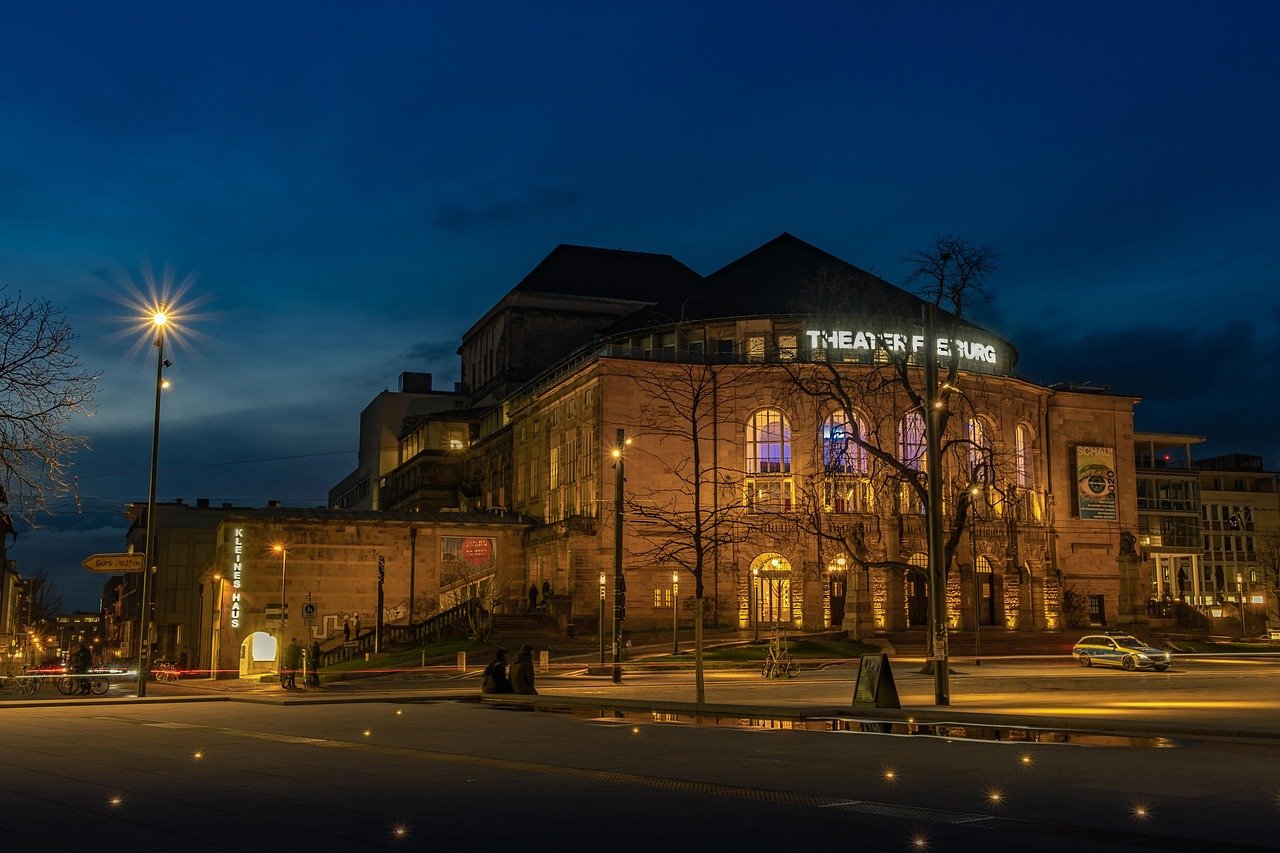
In a world increasingly dominated by digital screens and virtual realities, there remains a unique, electrifying magic that only live performance can deliver: the captivating realm of theater. It’s more than just entertainment; it’s a vibrant, breathing art form that has captivated audiences for millennia, offering a direct, unrepeatable connection between performers and spectators. From ancient Greek amphitheaters to modern Broadway stages, theater continues to thrive, evolve, and profoundly impact our understanding of ourselves and the world around us. Dive with us into the enduring allure of the stage, exploring its diverse forms, profound impact, and the intricate artistry that brings stories to life.
The Enduring Allure of Live Theater
Why, in an age of instant streaming and cinematic blockbusters, do millions still flock to live stage productions? The answer lies in the intrinsic qualities that make theater an unparalleled experience.
The Unmatched Authenticity and Liveness
Unlike pre-recorded media, live theater unfolds in the present moment. Every performance is unique, a fleeting interaction between actors and audience that can never be precisely replicated. This inherent “liveness” creates a palpable energy.
- Unpredictable Moments: From a subtle improvisation to a genuine emotional reaction, these spontaneous elements forge a deep connection.
- Shared Experience: Being part of an audience collectively experiencing a story, feeling the same tension, laughter, or sadness, creates a powerful communal bond.
- Direct Engagement: Actors on stage are keenly aware of their audience, often feeding off their energy and reactions, making each show a dynamic dialogue.
Practical Example: Imagine witnessing an actor momentarily falter, then brilliantly recover, or feeling the collective gasp of the audience during a pivotal plot twist – these are moments exclusive to live performance.
Actionable Takeaway: Embrace the unpredictability; allow yourself to be fully present and responsive to the unfolding drama or comedy. Your presence is part of the performance’s energy!
Sensory Immersion Beyond the Screen
Theater engages all the senses in a way that recorded media often struggles to replicate. It’s a holistic experience that draws you into its created world.
- Visual Spectacle: Elaborate sets, stunning costumes, and masterful lighting design create breathtaking tableaux.
- Aural Richness: Live music, the nuanced timbre of an actor’s voice, and perfectly timed sound effects envelop the audience. The acoustics of a grand theater can amplify every whisper and roar.
- Atmospheric Presence: The smell of stage fog, the subtle vibrations from a powerful musical number – these elements contribute to a deeply immersive atmosphere.
Practical Detail: The intricate details on a period costume, visible only from a few rows away, or the physical presence of a grand stage set, dwarf anything a screen can convey.
Actionable Takeaway: Pay attention to the details beyond the script – the lighting cues, the costume choices, the sound design. They are integral to the storytelling.
The Diverse Tapestry of Theatrical Forms
The world of theater is incredibly vast, encompassing a myriad of genres and styles, each offering a distinct experience and perspective.
Drama and Tragedy: Reflecting the Human Condition
These forms delve into serious themes, exploring complex characters, moral dilemmas, and the profound struggles of human existence. They often provoke deep thought and emotional catharsis.
- Key Themes: Fate, morality, justice, love, loss, betrayal, societal pressures.
- Impact: Challenges audiences to confront difficult truths and empathize with diverse experiences.
Practical Examples: From the timeless tragedies of Shakespeare (e.g., Hamlet, King Lear) and ancient Greek playwrights (e.g., Sophocles’ Oedipus Rex) to modern masterpieces like Arthur Miller’s Death of a Salesman or August Wilson’s Fences, these plays continue to resonate globally.
Actionable Takeaway: Seek out plays that tackle challenging subjects; they often offer the most profound insights into human nature.
Musical Theater: A Symphony of Storytelling
A uniquely American art form that has achieved global popularity, musical theater seamlessly integrates song, dance, and spoken dialogue to advance narratives and express emotion.
- Dynamic Elements: The choreography, vocal performances, and orchestral scores create a multi-sensory spectacle.
- Emotional Depth: Music often allows characters to express feelings beyond what words alone can convey, tapping directly into audience emotions.
Practical Examples: Iconic Broadway productions like Hamilton, Les Misérables, The Phantom of the Opera, and new works constantly push the boundaries of this vibrant genre. Many community and university theaters also stage high-quality musicals.
Actionable Takeaway: If you’re new to theater, a popular musical can be a fantastic entry point due to its broad appeal and engaging spectacle.
Comedy, Farce, and Satire: Laughter with a Purpose
While designed to entertain and provoke laughter, these forms often serve as powerful vehicles for social commentary, critique, and exploring human folly.
- Comedy: Focuses on lighter themes, happy endings, and humorous situations.
- Farce: Employs exaggerated situations, physical humor, and absurd plotlines for maximum comedic effect.
- Satire: Uses humor, irony, exaggeration, or ridicule to expose and criticize people’s stupidity or vices, particularly in contemporary politics and other topical issues.
Practical Examples: Molière’s classics (e.g., Tartuffe), Oscar Wilde’s witty dialogue in The Importance of Being Earnest, or modern farces like Michael Frayn’s Noises Off provide both entertainment and often a sharp look at societal norms.
Actionable Takeaway: Don’t underestimate the power of laughter; comedic plays can offer potent social commentary hidden within their humor.
Beyond Entertainment: Theater’s Societal Impact
Theater is far more than just a diversion; it plays a critical role in shaping culture, fostering empathy, and stimulating intellectual discourse.
A Reflection and Catalyst for Society
Theater often holds a mirror up to society, reflecting its current state, historical narratives, and cultural evolution. It can also act as a catalyst, provoking thought and encouraging social change.
- Historical Context: Plays document and interpret past events, allowing audiences to connect with history in a visceral way.
- Contemporary Issues: Many new works tackle pressing modern challenges like climate change, racial injustice, gender identity, and political polarization, sparking crucial conversations.
- Cultural Preservation: Traditional forms of theater help preserve cultural heritage and storytelling traditions.
Practical Detail: Many plays are commissioned specifically to address current societal debates, offering unique perspectives often missing from mainstream media.
Actionable Takeaway: Look for plays that engage with contemporary issues or historical events relevant to your interests; they can provide deeper understanding and new perspectives.
Fostering Empathy and Understanding
By immersing audiences in diverse narratives and allowing them to experience life through the eyes of various characters, theater is a powerful tool for building empathy.
- Perspective-Taking: Witnessing characters grapple with challenges different from your own can broaden your understanding of human experience.
- Emotional Connection: The raw emotion portrayed on stage can elicit a strong empathetic response, breaking down barriers and fostering connection.
Relevant Insight: Studies have shown that engagement with narrative arts can significantly enhance empathy and social cognition, suggesting theater’s crucial role in fostering a more understanding society.
Actionable Takeaway: Allow yourself to feel the emotions of the characters; this act of empathy extends beyond the theater into your daily life.
The Craft Behind the Curtain: A Collaborative Art Form
A single theater production is the culmination of countless hours of dedicated work from a vast team of artists and technicians, making it one of the most collaborative art forms.
The Visionary Director and Playwright
At the heart of any production is the story and the guiding artistic vision.
- The Playwright: The original storyteller, crafting the narrative, dialogue, and character arcs. Their words are the blueprint for the entire production.
- The Director: The artistic visionary who interprets the playwright’s work and orchestrates every element of the production, guiding actors, designers, and crew to bring their unified vision to life.
Practical Example: A director might choose to set a classic Shakespeare play in a modern context, completely re-interpreting its relevance for today’s audience, or a new playwright might debut a groundbreaking original work.
Actionable Takeaway: Read up on the playwright and director before a show; understanding their background or previous works can enhance your appreciation of their artistic choices.
The Dedicated Performers: Bringing Characters to Life
Actors, singers, and dancers are the visible heart of the production, embodying characters and connecting directly with the audience.
- Skill and Dedication: Months of rehearsals, vocal training, physical conditioning, and deep character study go into each performance.
- Emotional Vulnerability: Performers often expose deep emotions on stage, creating powerful, authentic connections with the audience.
- Audience Interaction: Even without breaking the fourth wall, actors skillfully adapt their performance to the energy of the live audience.
Practical Detail: The physical demands on actors in a long-running musical, performing complex choreography and vocal numbers eight times a week, are immense.
Actionable Takeaway: Appreciate the nuanced choices actors make in their portrayal – a subtle glance, a shift in posture, or an intonation can speak volumes.
The Unseen Heroes: Design and Technical Crews
Behind every dazzling stage moment is an army of designers and technicians working tirelessly to create the world of the play.
- Set Designers: Create the physical environment, from grand landscapes to intimate interiors.
- Costume Designers: Dress the characters, reflecting their personalities, social status, and the historical period.
- Lighting Designers: Sculpt the stage with light, creating mood, focus, and time of day.
- Sound Designers: Create ambient soundscapes, special effects, and manage microphones for clarity.
- Stage Managers & Crew: The logistical backbone, ensuring smooth transitions, prop placement, and overall safety and efficiency backstage.
Practical Example: A quick costume change for an actor between scenes, executed flawlessly in darkness by a dresser, or the precise timing of a fog machine and lighting cue to create a dramatic entrance.
Actionable Takeaway: Take a moment during applause to appreciate the technical aspects – the set, lighting, and sound are as much a part of the storytelling as the actors.
Engaging with Theater: Tips for the Modern Audience
For both seasoned theatergoers and curious newcomers, a few tips can enhance your enjoyment and engagement with the performing arts.
Choosing Your Next Show
With so many options, finding the perfect play or musical can seem daunting, but a little research goes a long way.
- Research Reviews: Consult reputable theater critics and audience reviews to get an idea of the production’s quality and style.
- Consider Your Preferences: Are you drawn to musicals, thought-provoking dramas, or laugh-out-loud comedies?
- Explore Local Options: Don’t limit yourself to major cities. Community theaters, university drama departments, and regional professional companies often offer incredible value and unique programming.
- Check Listings: Websites like Playbill, BroadwayWorld, and local arts councils are great resources for upcoming shows.
Practical Tip: Many theaters offer discounted tickets for students, seniors, or through lottery systems, making high-quality theater more accessible.
Actionable Takeaway: Step out of your comfort zone occasionally! A genre you don’t usually gravitate towards might surprise you with its depth or entertainment value.
Making the Most of Your Theater Experience
Enhancing your visit to the theater involves more than just watching the show; it’s about the entire experience.
- Arrive Early: Allows time to find your seat, read the program (which often contains valuable context about the play, playwright, and cast), and soak in the atmosphere.
- Minimize Distractions: Turn off your phone completely. Avoid talking during the performance, and unwrap any noisy snacks beforehand. Be respectful of fellow audience members and the performers.
- Stay for Curtain Call: This is an opportunity to show your appreciation for the hard work of the entire cast and crew.
- Post-Show Reflection: Discussing the play with companions afterwards can deepen your understanding and appreciation.
Practical Detail: While dress codes vary greatly by venue and production, “smart casual” is generally a safe and comfortable choice for most professional theater events.
Actionable Takeaway: Treat attending the theater as a special occasion; embrace the ritual and allow yourself to be fully absorbed in the moment.
Supporting the Arts Community
Theater thrives on audience engagement and community support. You can play a vital role in its continued existence and growth.
- Buy Tickets: The most direct way to support. Every ticket purchase contributes to the livelihoods of artists and the operational costs of venues.
- Spread the Word: Share your positive experiences with friends, family, and on social media. Word-of-mouth is invaluable.
- Donate or Volunteer: Many non-profit theaters rely on donations and volunteers for everything from ushering to set building.
- Attend Local Productions: Supporting high school, college, and community theater nurtures future talent and strengthens the local arts ecosystem.
Practical Example: If you loved a show, consider writing a positive online review or engaging with the theater’s social media. Every bit helps!
Actionable Takeaway: Be an active patron of the arts; your support ensures that the magic of live theater continues for generations to come.
Conclusion
From the primal storytelling around ancient campfires to the dazzling spectacle of a Broadway stage, theater has always been an indispensable part of human culture. It offers an unparalleled live experience, diverse forms to explore, and a profound capacity to reflect, question, and shape society. It is a collaborative triumph, brought to life by dedicated artists and technicians, and sustained by an engaged audience. In a rapidly changing world, the live, empathetic connection fostered by theater remains more vital than ever. So, dim the lights, silence your phone, and let yourself be transported by the enduring, transformative power of the stage. Your next unforgettable story awaits!