
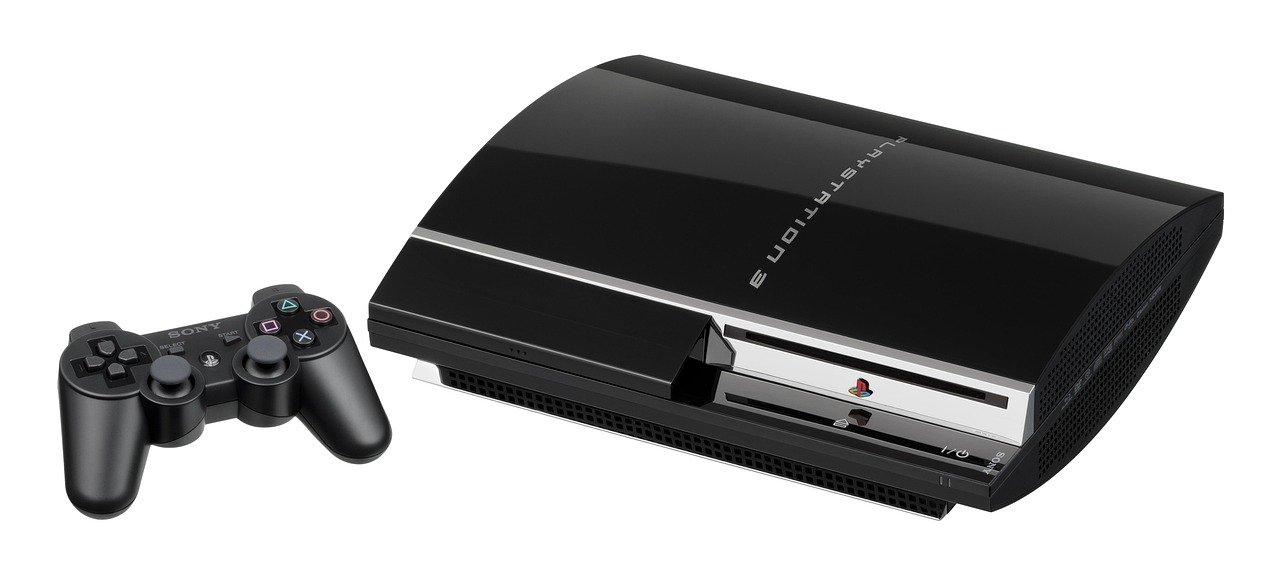
From the arcade halls of yesteryear to the immersive virtual realities of today, gaming has transcended its origins as a niche pastime to become a global phenomenon, a vibrant culture, and a cornerstone of digital entertainment. It’s more than just pushing buttons; it’s about storytelling, competition, community, and personal growth. Whether you’re a seasoned veteran exploring vast open worlds or a curious newcomer looking to understand the appeal, the world of gaming offers an unparalleled blend of challenge, creativity, and connection. Let’s delve into what makes gaming such a powerful and evolving force in our lives.
The Evolution of Gaming: From Pixels to Paradigms
The journey of gaming is a testament to human ingenuity and the relentless pursuit of immersive experiences. What started as simple black-and-white pixels has blossomed into hyper-realistic worlds and intricate narratives.
A Brief History: Arcade to Immersive Worlds
The roots of modern gaming can be traced back to the early 1970s with games like Pong, quickly followed by the golden age of arcade machines featuring classics like Pac-Man and Space Invaders. The introduction of home consoles like the Atari 2600 and later the Nintendo Entertainment System (NES) brought gaming into living rooms, making it accessible to millions. Each subsequent generation of consoles—PlayStation, Xbox, Nintendo Switch—alongside the continuous advancement of PC gaming, has pushed the boundaries of graphics, gameplay, and storytelling, leading to today’s highly sophisticated and diverse gaming ecosystem.
- Early Era (1970s-1980s): Arcade dominance, simple graphics, focus on high scores.
- Console Revolution (1980s-1990s): NES, SNES, PlayStation brought complex narratives and 3D graphics.
- Modern Era (2000s-Present): High-definition graphics, online multiplayer, esports, virtual reality, and mobile gaming.
The Diverse Landscape of Modern Gaming
Today’s gaming world is incredibly varied, catering to every taste and preference. There’s a game for everyone, regardless of age or experience level.
- Genres: From action-packed first-person shooters (FPS) and intricate role-playing games (RPGs) to strategic simulations, casual puzzle games, and expansive open-world adventures.
- Platforms:
- PC Gaming: Offers unparalleled graphics, customization, and a vast library of games, often with competitive esports scenes.
- Console Gaming: PlayStation, Xbox, and Nintendo provide curated experiences, exclusive titles, and seamless plug-and-play convenience.
- Mobile Gaming: Accessible to billions worldwide, offering quick, casual fun on smartphones and tablets.
- Virtual Reality (VR): Emerging platform providing deeply immersive, first-person experiences.
Actionable Takeaway: Don’t limit yourself to one type of game or platform. Explore different genres like strategy games (e.g., Civilization VI), story-driven RPGs (e.g., The Witcher 3), or creative sandbox games (e.g., Minecraft) to discover new interests.
Beyond Entertainment: The Surprising Benefits of Gaming
While often seen purely as entertainment, extensive research highlights numerous cognitive, social, and emotional benefits derived from playing video games.
Cognitive Enhancements
Many games are essentially complex problem-solving environments, challenging players to think critically and react swiftly.
- Improved Problem-Solving Skills: Games like Portal 2 or strategy titles like StarCraft II require players to devise complex plans and adapt to changing circumstances.
- Enhanced Reaction Time and Hand-Eye Coordination: Fast-paced action games (e.g., Call of Duty) demand rapid decision-making and precise motor skills.
- Boosted Memory and Spatial Reasoning: Navigating intricate game worlds and remembering quest details in RPGs (e.g., The Elder Scrolls V: Skyrim) can sharpen these cognitive functions.
- Increased Attention Span: Many games demand sustained focus over long periods, improving concentration.
Social and Emotional Development
Gaming, particularly multiplayer experiences, fosters teamwork and communication, building strong social bonds.
- Teamwork and Communication: Online multiplayer games (e.g., Overwatch 2, Valorant) require players to coordinate strategies and communicate effectively to achieve objectives. Data suggests that around 70% of gamers play with others online or offline.
- Leadership Skills: Leading a raid in an MMORPG (e.g., World of Warcraft) or strategizing with teammates can develop leadership qualities.
- Empathy and Perspective-Taking: Story-driven games often present moral dilemmas, encouraging players to consider different viewpoints and outcomes.
- Stress Relief and Relaxation: Gaming provides a valuable escape, allowing players to unwind and de-stress after a long day, offering a sense of accomplishment and control in a virtual world.
Actionable Takeaway: Engage in co-op or team-based games to actively practice communication and teamwork. Mindfully use gaming as a relaxation tool, perhaps trying a calm exploration game like Animal Crossing: New Horizons to unwind.
The Booming World of Esports and Professional Gaming
What was once confined to basements and arcades is now a global spectacle, complete with professional athletes, massive prize pools, and dedicated fan bases.
What is Esports?
Esports, short for electronic sports, refers to organized, competitive video gaming. It involves professional players or teams competing in popular titles for recognition and significant monetary prizes. Events fill arenas, are broadcast live to millions online, and boast production values comparable to traditional sports.
- Global Phenomenon: The esports industry is projected to reach over $1.8 billion in revenue by 2025, with an audience size projected to surpass 640 million viewers globally.
- Major Titles: Popular esports games include League of Legends, Dota 2, CS:GO (Counter-Strike: Global Offensive), Valorant, Fortnite, and Rocket League.
- Structure: Leagues, tournaments, professional teams, coaches, and sponsors mirror traditional sports organizations.
The Path to Professional Gaming
Becoming an esports pro requires immense dedication, skill, and strategic thinking, much like any traditional athlete.
- Dedication and Practice: Thousands of hours are spent honing mechanics, understanding game strategy, and analyzing opponent behavior.
- Teamwork and Communication: Essential for success in team-based games, requiring seamless coordination and trust among players.
- Mental Fortitude: Dealing with pressure, losses, and maintaining focus during long tournaments is crucial.
- Career Opportunities: Beyond professional playing, the esports industry offers roles as coaches, analysts, commentators, stream content creators, event organizers, and game developers specializing in competitive titles.
Actionable Takeaway: If you’re passionate about a competitive game, consider joining local tournaments, finding a team, or even streaming your gameplay on platforms like Twitch to build a community and gauge your potential. Learn from pro players by watching their streams and analyzing their strategies.
Building Your Ultimate Gaming Experience
To fully enjoy the vast world of gaming, it’s essential to understand the different platforms and invest in gear that enhances your comfort and performance.
Choosing Your Platform: PC vs. Console vs. Mobile
Each platform offers a distinct experience with its own set of advantages and disadvantages:
- PC Gaming:
- Pros: Superior graphics potential, high frame rates, vast game library, modding capabilities, customization, multi-purpose use.
- Cons: Higher initial cost, requires technical knowledge for building/upgrading, regular maintenance.
- Example: A custom-built gaming PC with an RTX 4080 GPU for playing Cyberpunk 2077 at max settings.
- Console Gaming (PlayStation, Xbox, Nintendo Switch):
- Pros: Ease of use (plug-and-play), exclusive titles, optimized performance, social couch co-op, generally lower upfront cost.
- Cons: Less graphical customization, typically lower frame rates than high-end PCs, recurring subscription costs for online multiplayer.
- Example: A PlayStation 5 for experiencing exclusives like God of War Ragnarök, or a Nintendo Switch for portable gaming.
- Mobile Gaming:
- Pros: Extreme accessibility, on-the-go entertainment, vast free-to-play options, simple controls.
- Cons: Limited graphical fidelity, often relies on touch controls, potential for microtransactions, smaller screen size.
- Example: Playing Genshin Impact or Call of Duty: Mobile on a high-end smartphone.
Essential Gaming Gear
Investing in quality peripherals can significantly improve your gaming performance and comfort.
- Ergonomic Gaming Mouse: For precision and comfort during long sessions, crucial for FPS and strategy games. Look for adjustable DPI and programmable buttons.
- Mechanical Keyboard: Offers tactile feedback, faster response times, and durability, enhancing typing and gaming experience.
- Gaming Headset: Provides clear audio for immersion and crucial communication with teammates. Look for noise cancellation and a good microphone.
- High Refresh Rate Monitor: Essential for competitive gaming (144Hz or higher) to ensure smooth visuals and reduce input lag.
- Comfortable Gaming Chair: Supports posture and reduces fatigue during extended play, a vital investment for health.
Actionable Takeaway: Prioritize gear based on your preferred platform and game genres. For competitive PC gamers, a high refresh rate monitor and precise mouse are key. For console players, a comfortable controller and good headset might be more impactful. Always balance budget with quality for the best long-term value.
The Future of Gaming: Innovation on the Horizon
The gaming industry is constantly evolving, with several exciting technologies poised to redefine how we play and interact with virtual worlds.
Virtual and Augmented Reality (VR/AR)
VR and AR are no longer niche curiosities but rapidly advancing technologies bringing unprecedented levels of immersion.
- Virtual Reality (VR): Offers fully immersive experiences, transporting players into digital worlds. Devices like the Meta Quest 3 and PlayStation VR2 are making VR more accessible and higher quality.
- Augmented Reality (AR): Blends digital content with the real world, overlaying game elements onto your physical environment. Mobile AR games like Pokémon GO offer a glimpse into its potential.
- Impact: Expect more realistic simulations, new storytelling paradigms, and unique gameplay mechanics that leverage spatial presence.
Cloud Gaming and Subscription Services
Streaming technology is making high-end gaming more accessible without the need for expensive hardware.
- Cloud Gaming: Services like Xbox Cloud Gaming, NVIDIA GeForce NOW, and Amazon Luna allow players to stream games over the internet, playing demanding titles on nearly any device.
- Subscription Services: Platforms like Xbox Game Pass and PlayStation Plus offer vast libraries of games for a monthly fee, reducing the barrier to entry and encouraging players to try new genres.
- Impact: Lower hardware requirements, greater accessibility, and a Netflix-like approach to gaming content, expanding the player base significantly.
AI and Procedural Generation
Artificial intelligence and procedural generation are enhancing game worlds and making them more dynamic and responsive.
- Smarter AI: Non-player characters (NPCs) will become more intelligent, offering more challenging opponents, realistic companions, and dynamic quest-givers, leading to richer interactions.
- Procedural Generation: Algorithms create vast, unique game worlds and content on the fly (e.g., No Man’s Sky), offering endless exploration and replayability.
- Impact: More dynamic and personalized gaming experiences, with worlds that adapt to player choices and offer endless content to explore.
Actionable Takeaway: Keep an eye on new hardware and service announcements. Consider trying a cloud gaming service if you don’t have a high-end PC, or explore VR arcades if you’re curious about virtual reality without the upfront investment. Embrace the technological advancements to continually enrich your gaming journey.
Conclusion
Gaming is a dynamic, multifaceted world that continues to push the boundaries of technology, creativity, and human connection. From its humble beginnings to the sophisticated digital universes we inhabit today, gaming offers more than just entertainment; it provides cognitive benefits, fosters communities, and even paves pathways to professional careers. Whether you’re strategizing in a competitive esports match, exploring a vast open world, or simply unwinding with a casual puzzle, the power of interactive digital experiences is undeniable.
As technology continues to advance, the future of gaming promises even more immersive, accessible, and personalized experiences. So, whether you’re a lifelong gamer or just beginning your adventure, embrace the ever-evolving landscape of digital play. Dive in, connect with fellow enthusiasts, and discover the endless possibilities that gaming has to offer!