
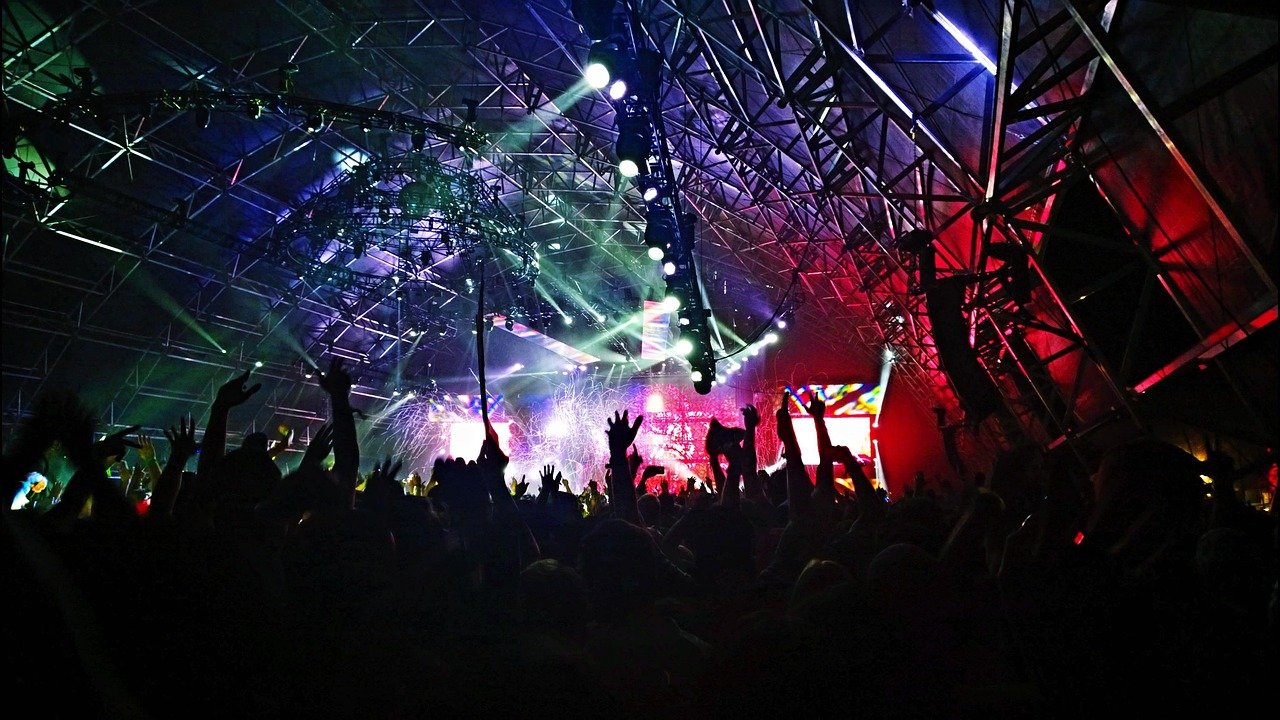
From ancient harvest rituals to modern-day electronic dance music spectacles, festivals are a universal language of celebration, community, and cultural expression. They are vibrant temporary ecosystems that burst forth with color, sound, and energy, drawing millions of people together to share in collective joy, tradition, and often, profound experiences. Whether you’re a seasoned festival-goer or planning your very first immersive adventure, understanding the multifaceted world of festivals offers a deeper appreciation for their impact on societies, economies, and individual well-being.
The Global Tapestry of Festivals: A World United in Celebration
Festivals are more than just events; they are mirrors reflecting the soul of a community, a nation, or even a global movement. They represent a primal human need to gather, celebrate, and mark significant moments in time. Across continents, these vibrant gatherings serve as powerful catalysts for connection, learning, and unforgettable memories.
What Defines a Festival?
At its core, a festival is a special occasion of public celebration, typically with a strong cultural, religious, or communal focus. While the specifics vary wildly, common threads include:
- Collective Gathering: A large assembly of people coming together for a shared purpose.
- Thematic Focus: Centered around a particular theme – be it music, food, art, history, or spirituality.
- Cultural Significance: Often deeply rooted in traditions, storytelling, and local identity.
- Temporary Nature: Events that occur for a defined period, creating a unique, transient atmosphere.
- Sensory Immersion: Engaging multiple senses through sights, sounds, tastes, and experiences.
Actionable Takeaway: When exploring global festivals, look beyond the surface; delve into their historical and cultural roots to truly appreciate their significance.
Types of Festivals Around the World
The diversity of festivals is staggering, reflecting the rich tapestry of human cultures and interests. Here are some prominent categories:
- Music Festivals: Events dedicated to various genres of music, from rock and pop to electronic and classical. Examples include Glastonbury (UK) and Coachella (USA).
- Food & Drink Festivals: Celebrating culinary traditions, local produce, and gastronomic innovation. Think Oktoberfest (Germany) or the Fancy Food Show (USA).
- Art & Cultural Festivals: Showcasing visual arts, performing arts, literature, and indigenous cultures. The Edinburgh Fringe (Scotland) and Carnival in Rio (Brazil) are prime examples.
- Religious & Traditional Festivals: Observances tied to spiritual beliefs, ancient rituals, or historical events. Diwali (India), Christmas Markets (Europe), and Dia de los Muertos (Mexico) fall into this category.
- Film & Media Festivals: Showcasing cinematic works, documentaries, and new media. The Cannes Film Festival (France) is world-renowned.
Practical Example: The Cherry Blossom Festival (Sakura Matsuri) in Japan isn’t just about beautiful flowers; it’s a cultural celebration of renewal, reflection, and the fleeting nature of life, involving picnics, traditional performances, and illuminated night viewings.
Why Festivals Matter: Beyond the Celebration
The impact of festivals extends far beyond the immediate joy they provide. They play a crucial role in economic development, cultural preservation, and social well-being, fostering a sense of identity and community.
Economic Impact: Fueling Local and Global Economies
Festivals are significant economic drivers, injecting substantial revenue into host communities:
- Tourism Boost: Attracting visitors who spend on accommodation, transport, food, and local goods. A major festival can generate millions in tourist revenue.
- Job Creation: Providing temporary and permanent employment opportunities in event management, hospitality, security, and vendors.
- Local Business Support: Increased sales for local restaurants, shops, and service providers. Many festivals prioritize local sourcing.
- Infrastructure Development: Investments in public transport, venues, and amenities often follow or coincide with major festival growth.
Statistic: According to a study by Oxford Economics, music festivals alone contributed $2.9 billion to the US economy in 2019, supporting over 45,000 jobs.
Actionable Takeaway: When attending a festival, consider supporting local vendors and businesses to maximize your positive economic footprint.
Cultural Preservation and Identity: Keeping Traditions Alive
Festivals are living museums, vital for safeguarding and transmitting cultural heritage:
- Tradition Bearers: They provide platforms for traditional music, dance, crafts, and storytelling to be showcased and passed down through generations.
- Identity Reinforcement: Festivals help communities articulate and celebrate their unique identity, history, and values, strengthening a sense of belonging.
- Artistic Expression: They offer artists and performers a space to innovate within traditional forms or create entirely new expressions, fostering cultural dynamism.
Practical Example: The Pana Fest in Ghana is a biennial Pan-African historical and cultural festival that promotes and enhances unity among Africans and people of African descent, celebrating their shared heritage and resilience.
Social Cohesion and Well-being: Building Stronger Communities
The communal aspect of festivals fosters strong social bonds and enhances individual well-being:
- Community Bonding: Shared experiences create lasting memories and strengthen ties between attendees, whether they are neighbors or strangers.
- Stress Reduction: The escapism and joyous atmosphere offer a respite from daily routines and stresses, promoting mental and emotional well-being.
- Intercultural Dialogue: Festivals often bring diverse groups together, promoting understanding and respect across different backgrounds.
Actionable Takeaway: Embrace the spirit of camaraderie at festivals; engage with fellow attendees, learn about their backgrounds, and share in the collective experience.
Planning Your Festival Adventure: Tips for Attendees
To truly maximize your festival experience, especially when venturing to unfamiliar territory, thoughtful planning is key. These practical tips will help ensure a smooth, enjoyable, and memorable journey.
Research and Preparation: Your Festival Checklist
Before you even pack your bags, a little groundwork goes a long way:
- Choose Wisely: Research festivals that align with your interests (music genre, cultural focus, location). Websites like Festicket or Everfest offer extensive listings.
- Tickets & Accommodation: Book tickets well in advance, especially for popular events. Secure accommodation (hotels, camping, Airbnb) simultaneously, as options fill up quickly.
- Travel Logistics: Plan your transportation to and from the festival site. Consider public transport, carpooling, or shuttle services.
- Budget Smart: Festivals can be expensive. Factor in tickets, travel, food, drinks, and souvenirs. Many festivals offer cashless systems; understand how they work.
- Packing Essentials: Create a packing list based on the festival type and weather forecast. Don’t forget essentials like comfortable shoes, sun protection, rain gear, and a portable charger.
Practical Example: For a multi-day camping music festival like Bonnaroo, you’d need not just your ticket, but also a camping pass, a tent, sleeping bag, cooking gear, and plenty of water. Researching the festival’s specific rules on what you can bring (e.g., alcohol limits, prohibited items) is crucial.
Actionable Takeaway: Create a detailed checklist for your specific festival to avoid last-minute stress and ensure you have everything you need for an optimal experience.
Staying Safe and Healthy: Prioritizing Your Well-being
Amidst the excitement, personal safety and health should always be a priority:
- Stay Hydrated: Drink plenty of water, especially in warm weather or when consuming alcohol. Utilize free water refill stations often provided at festivals.
- Protect Yourself from the Elements: Wear sunscreen, hats, and sunglasses. Pack layers for temperature fluctuations and rain gear for unexpected showers.
- Mind Your Belongings: Use fanny packs or secure bags to keep valuables close. Be aware of your surroundings, especially in crowded areas.
- Know Emergency Procedures: Familiarize yourself with medical aid stations, exit routes, and emergency contact information.
- Pace Yourself: Festivals are marathons, not sprints. Get enough rest, eat regularly, and don’t overdo it.
Actionable Takeaway: Share your itinerary and emergency contacts with a trusted friend or family member who isn’t attending the festival.
Embracing the Experience: Maximize Your Joy
Beyond the practicalities, cultivate an open mindset to fully absorb the festival atmosphere:
- Be Open-Minded: Try new foods, listen to unfamiliar music, engage with different art forms. Step out of your comfort zone!
- Respect Local Customs: If attending an international or culturally specific festival, learn and respect local traditions and etiquette.
- Connect with Others: Festivals are perfect for meeting new people. Strike up conversations, share experiences, and make new friends.
- Capture Memories (Responsibly): Take photos and videos, but don’t let your phone obstruct your real-life experience or the views of others.
- Leave No Trace: Practice sustainable festival-going by minimizing waste, using recycling bins, and respecting the environment.
Practical Example: At La Tomatina in Spain, embracing the experience means getting ready to be covered in tomatoes! Respecting the rules, wearing appropriate clothing, and having a good-natured attitude are essential for enjoying this unique food fight.
Actionable Takeaway: Actively seek out unique experiences and interactions that go beyond your initial expectations to create truly unforgettable festival memories.
The Future of Festivals: Innovation and Adaptability
The festival landscape is continually evolving, driven by technological advancements, growing environmental consciousness, and a commitment to inclusivity. The future promises even more dynamic and responsible celebrations.
Digital Integration: Expanding Reach and Engagement
Technology is transforming how festivals are experienced, both on-site and remotely:
- Virtual Festivals & Livestreams: The pandemic accelerated the growth of online events, making festivals accessible to a global audience regardless of location or physical limitations.
- Augmented Reality (AR) & Virtual Reality (VR): Enhancing on-site experiences with interactive installations and immersive storytelling, or creating entirely virtual worlds.
- Smart Ticketing & Cashless Systems: Improving efficiency, reducing fraud, and providing seamless transactions for attendees.
- Personalized Experiences: Apps offering personalized schedules, interactive maps, and real-time updates based on individual preferences.
Practical Example: Many festivals, like Tomorrowland, now offer elaborate virtual versions, allowing millions to experience the magic from home, often with stunning digital stages and interactive elements.
Actionable Takeaway: Explore virtual festival offerings as a way to “try before you buy” or to experience events you might not otherwise be able to attend in person.
Sustainability and Green Initiatives: Celebrating Responsibly
With increasing awareness of environmental impact, festivals are at the forefront of sustainable practices:
- Waste Reduction & Recycling: Implementing comprehensive recycling programs, banning single-use plastics, and promoting reusable cups and containers.
- Renewable Energy Sources: Utilizing solar panels, wind turbines, and other green energy solutions to power festival sites.
- Sustainable Sourcing: Prioritizing locally sourced food, ethical merchandise, and environmentally friendly production materials.
- Carbon Offsetting & Green Travel: Encouraging carpooling, public transport, and investing in carbon offset programs to mitigate environmental footprints.
Statistic: The UK’s Shambala Festival has been plastic-free since 2016 and aims for zero waste to landfill, demonstrating a strong commitment to environmental responsibility.
Actionable Takeaway: As an attendee, actively participate in green initiatives by using recycling bins, bringing your own reusable water bottle, and choosing sustainable transport options.
Inclusivity and Accessibility: Festivals for Everyone
The future of festivals is also about breaking down barriers and ensuring everyone can participate:
- Diverse Programming: Showcasing a wider range of artists, cultures, and perspectives to reflect global diversity.
- Physical Accessibility: Providing ramps, accessible viewing platforms, sensory-friendly spaces, and trained staff for attendees with disabilities.
- Mental Health Support: Offering quiet zones, mental health first aid, and resources to support attendees’ well-being.
- Cultural Competence: Ensuring events are welcoming and respectful of all cultural backgrounds, promoting a sense of belonging for everyone.
Practical Example: Festivals like Lollapalooza and SXSW increasingly provide comprehensive accessibility guides and services, including sign language interpreters and dedicated access teams, to ensure a comfortable experience for attendees with various needs.
Actionable Takeaway: Before attending, check the festival’s accessibility statement and support organizations that champion inclusive event planning.
Conclusion
Festivals are truly extraordinary phenomena, offering much more than just fleeting entertainment. They are powerful engines of culture, economy, and community, fostering connections, preserving traditions, and inspiring innovation. From the ancient rhythms of tribal gatherings to the cutting-edge beats of modern music festivals, these vibrant events serve as vital reminders of our shared humanity and our innate desire to celebrate life in all its myriad forms.
Whether you’re drawn by the promise of world-class music, exotic culinary delights, breathtaking art, or a deep dive into cultural heritage, there’s a festival out there waiting to ignite your senses and leave an indelible mark on your soul. Embrace the opportunity to explore these incredible gatherings, plan wisely, and immerse yourself fully in the magic. The next great adventure, a celebration of life itself, awaits you.