
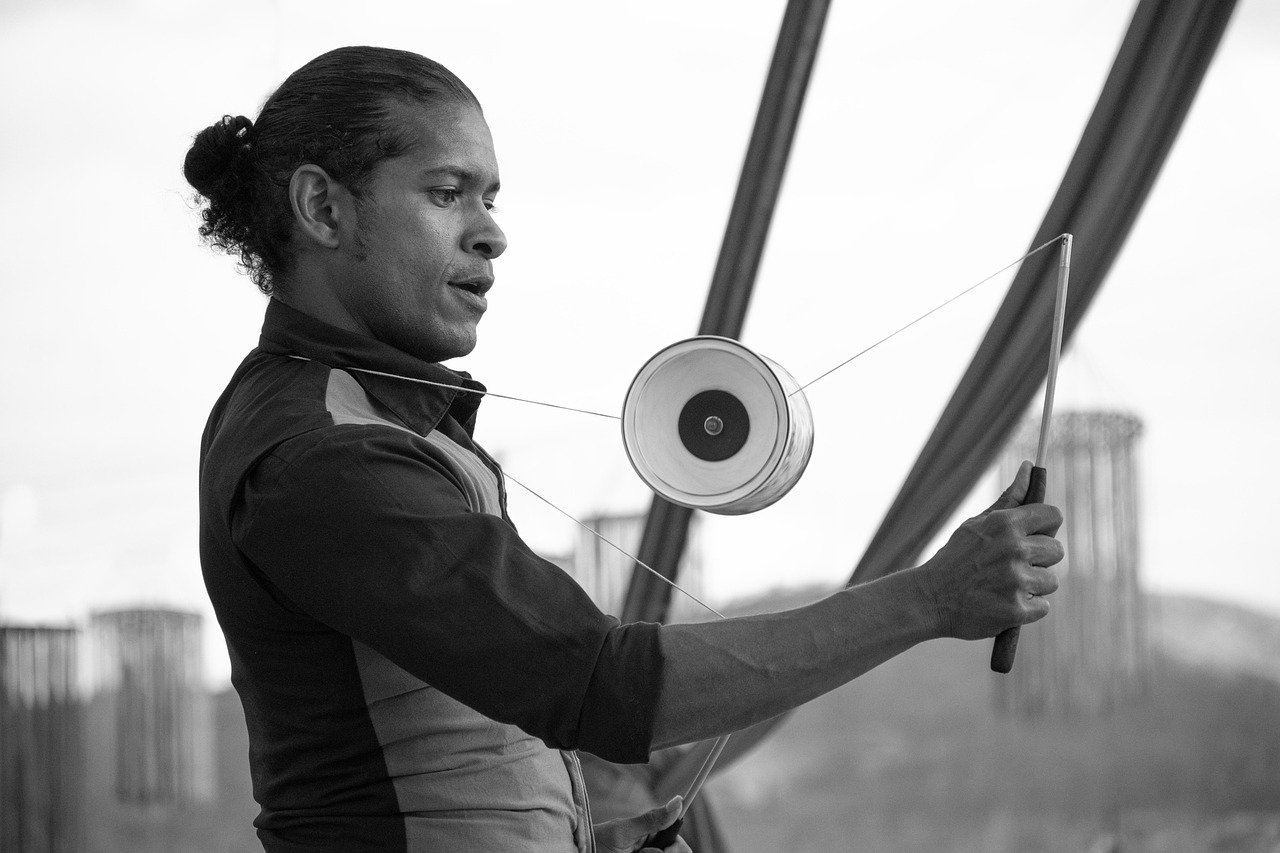
From the primal markings on cave walls to the breathtaking digital installations of today, visual arts have been a cornerstone of human civilization. They transcend language barriers, speak to the deepest parts of our souls, and offer a powerful lens through which to understand ourselves, our cultures, and the world around us. More than just aesthetics, visual arts are a vibrant dialogue, a historical record, and an ever-evolving frontier of human creativity. Join us as we explore the diverse landscape of visual arts, its profound impact, and how you can engage with it, whether as a creator or an appreciative observer.
What Exactly Are the Visual Arts? Defining the Landscape
The term “visual arts” encompasses a vast array of creative disciplines whose primary purpose is to be seen. These art forms engage our sight, allowing artists to communicate ideas, emotions, and narratives through tangible or perceivable mediums. Understanding its breadth is the first step to truly appreciating its significance.
Core Disciplines: The Foundation
Historically, certain art forms have been foundational to the visual arts category. These are often the first images that come to mind when we think about art:
- Painting: The application of pigment to a surface, creating images that can range from realistic portraits to abstract expressions. Think of masterpieces like Leonardo da Vinci’s Mona Lisa or Vincent van Gogh’s The Starry Night.
- Sculpture: The art of making three-dimensional forms, often by carving (stone, wood), modeling (clay), casting (metal), or assembling (mixed media). Examples include Michelangelo’s David or Auguste Rodin’s The Thinker.
- Drawing: The act of making marks on a surface with a tool, such as pencil, charcoal, ink, or pastel. It’s often seen as the most immediate form of artistic expression, a foundational skill for many other art forms.
- Photography: The art, application, and practice of creating durable images by recording light or other electromagnetic radiation, either electronically by means of an image sensor or chemically by means of a light-sensitive material such as photographic film.
- Printmaking: Techniques used to create multiple copies of an image, such as etching, lithography, screenprinting, and woodcut. Artists like Albrecht Dürer and Hokusai elevated this art form.
- Digital Art: Art created using digital technology, which can include computer graphics, digital painting, 3D modeling, animation, and more. This rapidly growing field continues to redefine what’s possible.
Expanding Horizons: Modern and Contemporary Forms
As technology evolves and artistic boundaries blur, the definition of visual arts continues to expand, embracing new mediums and conceptual approaches:
- Ceramics: Art made from clay and other raw materials, shaped, and then hardened by heat. This includes pottery, tiles, and sculptures.
- Textiles: Art created using fibers and fabrics, encompassing weaving, knitting, embroidery, quilting, and tapestry. These often carry rich cultural significance.
- Installation Art: Large-scale, mixed-media constructions designed for a specific place and time, transforming a space and offering an immersive experience to the viewer.
- Performance Art: While often involving live action, performance art frequently incorporates strong visual elements, props, costumes, and sets that contribute to its visual impact and narrative.
- Graphic Design: The art and practice of planning and projecting ideas and experiences with visual and textual content. This includes branding, web design, typography, and illustration.
Actionable Takeaway: Don’t limit your perception of “art” to just paintings. Actively seek out and explore diverse forms, from intricate ancient pottery to cutting-edge digital installations, to broaden your appreciation of human creativity.
The Enduring Power and Purpose of Visual Arts: Why They Matter
Beyond their aesthetic appeal, visual arts serve profound functions in society and for individuals. They are not mere decorations but powerful tools for communication, cultural preservation, and personal well-being.
Communication Beyond Words
Art provides a universal language that transcends spoken or written words. It can convey complex emotions, abstract ideas, and historical narratives in ways that text often cannot:
- Expressing Emotion: A sorrowful portrait or a vibrant, energetic abstract piece can instantly evoke feelings in the viewer, bridging the gap between artist and audience.
- Narrating Stories: From ancient cave paintings depicting hunts to Renaissance frescoes illustrating biblical tales, visual arts have historically been primary vehicles for storytelling.
- Political and Social Commentary: Art can be a powerful medium for protest, satire, and social critique, challenging norms and prompting reflection, as seen in works like Pablo Picasso’s Guernica.
Shaping Culture and Identity
Visual arts are deeply intertwined with the fabric of societies, reflecting, preserving, and sometimes challenging cultural values and identities:
- Reflecting Societal Values: The art produced in any given era often provides invaluable insights into the beliefs, customs, and priorities of that society.
- Preserving History: Through portraits, historical scenes, and architectural designs, art acts as a visual archive, allowing future generations to connect with the past.
- Celebrating Cultural Heritage: Indigenous art forms, traditional crafts, and national monuments are crucial in asserting and celebrating distinct cultural identities and collective memory.
Economic and Therapeutic Benefits
The impact of visual arts also extends into practical realms, contributing significantly to economies and individual well-being:
- Economic Contribution: The global art market, including sales of artworks, art fairs, galleries, and museums, contributes billions annually to the economy. In 2022, the global art market reached an estimated $67.8 billion, according to The Art Market Report by Art Basel and UBS. The creative industries, in general, are a significant source of employment and innovation.
- Therapeutic Value: Art therapy is a recognized field where the creative process of art-making improves mental, emotional, and physical well-being. Engaging with art, both actively and passively, can reduce stress, foster self-expression, and aid in healing.
Actionable Takeaway: When you encounter a piece of art, take a moment to consider not just “what it is,” but “why it matters.” What is it communicating? What cultural context does it reflect? How does it make you feel?
Key Elements and Principles of Visual Design: The Artist’s Toolkit
To truly understand and appreciate visual arts, it’s helpful to grasp the fundamental building blocks and organizational strategies artists use. These are often referred to as the Elements of Art and the Principles of Design.
The Elements of Art: The Vocabulary
These are the basic components or ingredients that artists manipulate in their work:
- Line: A mark with length and direction. Lines can be expressive (curvy, jagged), descriptive (outlines), or imply movement.
- Shape: A two-dimensional, enclosed area defined by lines or other elements. Shapes can be geometric (squares, circles) or organic (irregular, free-form).
- Form: A three-dimensional object having height, width, and depth. Sculptures are forms, and painters create the illusion of form through shading.
- Space: The area around, within, or between elements. This can be positive (the subject itself) or negative (the empty areas surrounding it). Perspective creates the illusion of depth in space.
- Color: Composed of hue (the pure color), saturation (intensity), and value (lightness or darkness). Color theory is a vast field in itself, influencing mood and perception.
- Texture: The perceived surface quality of a work of art. It can be actual (rough canvas, smooth marble) or implied (the illusion of softness in a painting).
- Value: The lightness or darkness of a color or tone. It helps create contrast, define form, and suggest mood.
The Principles of Design: The Grammar
These principles dictate how the elements of art are organized and composed within an artwork to create a sense of unity and visual interest:
- Balance: The distribution of visual weight in an artwork. It can be symmetrical (even on both sides) or asymmetrical (uneven but still visually stable).
- Contrast: The difference between elements, such as light and dark, rough and smooth, large and small. Contrast creates visual interest and hierarchy.
- Emphasis: Creating a focal point, a dominant area that draws the viewer’s eye first. This can be achieved through color, size, placement, or contrast.
- Movement: The path the viewer’s eye takes through the artwork, often to a focal area. This can be suggested by lines, shapes, and color repetition.
- Pattern: The repetition of an element or motif throughout an artwork.
- Rhythm: Created by the repetition of elements to create a sense of flow and organized movement. Think of a visual beat.
- Unity: The sense of wholeness or harmony in an artwork, where all the elements and principles work together cohesively.
Practical Example: Analyzing a Still Life
Consider a still life painting of a bowl of fruit.
- Lines might define the edges of the fruit and bowl.
- Shapes would be the roundness of an apple or the oval of a banana.
- Form is created through shading, making the fruits appear three-dimensional.
- Color varies from the vibrant reds of apples to the deep purples of grapes.
- Value ranges from highlights on shiny surfaces to deep shadows.
- The arrangement of fruit might demonstrate balance (a larger fruit anchoring one side) and emphasis (a brightly colored fruit drawing the eye).
- The repetitive curves might create rhythm, leading the eye around the composition, contributing to the overall unity of the piece.
Actionable Takeaway: The next time you look at any artwork, try to identify at least two elements and two principles. This analytical approach deepens your understanding and appreciation.
Navigating the World of Visual Arts: For Creators and Appreciators
Whether you dream of becoming an artist or simply wish to engage more deeply with art, there are countless avenues to explore. The world of visual arts is open to everyone.
For Aspiring Artists: Cultivating Your Craft
The journey of an artist is one of continuous learning, practice, and exploration. Here’s how to begin or advance your artistic path:
- Master the Fundamentals: Invest time in understanding drawing, color theory, composition, and perspective. These core skills are transferable across mediums.
- Practice Consistently: Art is a skill that improves with dedicated practice. Set aside regular time for creating, even if it’s just a quick sketch.
- Explore Diverse Mediums: Don’t stick to just one. Experiment with painting, sculpture, digital art, printmaking, etc., to discover what resonates with you.
- Seek Constructive Feedback: Share your work with peers, mentors, or art communities. Feedback is crucial for growth. Join online forums, local art classes, or workshops.
- Build a Portfolio: As you create, curate your best work into a portfolio. This is essential for showcasing your style and skill, whether for school, galleries, or clients.
- Leverage Online Platforms: Websites like Instagram, ArtStation, DeviantArt, or Behance are excellent for sharing your work, gaining exposure, and connecting with other artists and potential buyers. Consider creating your own artist website.
- Study Art History: Understanding what came before you will inform your own creative decisions and help you find your unique voice.
Tools & Resources: Start with basic sketching supplies (pencils, paper). As you progress, explore affordable digital drawing tablets (like Wacom Intuos), free drawing software (Krita), or local art supply stores for traditional mediums.
For Art Enthusiasts and Collectors: Deepening Your Engagement
You don’t need to be an artist to have a rich and meaningful relationship with visual arts:
- Visit Museums and Galleries Regularly: Immerse yourself in different art forms and periods. Pay attention to the curation and the narratives presented. Many museums offer free admission days or virtual tours.
- Attend Art Fairs and Open Studios: These events offer direct interaction with artists and a chance to see emerging trends. They are often less intimidating than high-end galleries.
- Read Art History and Criticism: Educate yourself about different movements, artists, and the cultural contexts of artworks. Books, documentaries, and reputable art blogs are great resources.
- Follow Artists and Art Institutions Online: Social media is a fantastic way to stay updated on new exhibitions, discover emerging artists, and learn about the creative process.
- Consider Collecting Ethically: If you’re drawn to collecting, start small. Research artists, buy directly from them or reputable galleries, and consider what truly resonates with you, rather than just what might appreciate in value.
- Join Art Communities: Participate in local art groups, lectures, or online discussions. Sharing perspectives enriches the experience.
Practical Example:
- For aspiring artists: Try a 30-day drawing challenge using prompts found online. Post your progress on social media using relevant hashtags like #dailysketch #artchallenge.
- For enthusiasts: Dedicate one afternoon a month to visiting a different local gallery or museum. Before you go, research one artist or art movement featured in the exhibition to enhance your understanding.
Actionable Takeaway: Active engagement, whether through creating or appreciative viewing, is key. Don’t be afraid to experiment, ask questions, or form your own interpretations of art.
The Future of Visual Arts: Innovation and Accessibility
The visual arts are not static; they are constantly evolving, driven by technological advancements, global interconnectedness, and a renewed emphasis on inclusivity. The future promises even more dynamic and accessible art experiences.
Digital Transformation and New Frontiers
Technology continues to push the boundaries of what visual art can be and how it’s experienced:
- AI Art Generation: Artificial intelligence algorithms can now generate incredibly sophisticated and unique images, raising questions about authorship, creativity, and the role of the human artist. Artists are increasingly using AI as a tool rather than a replacement.
- NFTs (Non-Fungible Tokens) and Blockchain Art: NFTs have revolutionized the digital art market by providing verifiable ownership and scarcity for digital assets, creating a new ecosystem for collectors and artists. While highly speculative, they’ve opened doors for digital artists.
- Virtual Reality (VR) and Augmented Reality (AR): VR allows for fully immersive artistic experiences, where viewers can “step inside” an artwork. AR overlays digital art onto the real world, transforming public spaces and personal environments. Artists like Olafur Eliasson have experimented with AR experiences.
- Interactive and Immersive Installations: Technology enables art that responds to viewer presence, sound, or movement, creating highly personalized and engaging encounters. Think of large-scale light and sound installations.
Global Reach and Inclusivity
The digital age has also fostered unprecedented access and a greater demand for diverse voices in the art world:
- Breaking Geographical Barriers: Online galleries, virtual exhibitions, and social media platforms mean that art from anywhere in the world can be viewed and appreciated by a global audience, democratizing access.
- Highlighting Diverse Perspectives: There’s a growing push to represent a wider range of artists from different cultural backgrounds, genders, and socio-economic statuses, enriching the global art dialogue and challenging traditional canons.
- Art as Activism: Visual arts continue to be a potent force for social justice, environmental awareness, and political commentary, reaching wider audiences through digital distribution.
Practical Example:
- Look up generative AI art platforms like Midjourney or DALL-E 2 and experiment with creating your own unique images using text prompts.
- Explore VR art experiences available on platforms like Meta Quest or search for AR art apps that let you view digital sculptures in your own home or neighborhood.
Actionable Takeaway: Embrace the innovations in visual arts, but also critically engage with the new questions they raise about ethics, ownership, and the essence of human creativity. Support artists who are pushing boundaries, whether digitally or traditionally.
Conclusion
The world of visual arts is a dynamic, expansive, and utterly essential part of the human experience. From the timeless beauty of classical painting and sculpture to the innovative frontiers of digital and conceptual art, it offers an unparalleled medium for expression, communication, and cultural exchange. By understanding its core disciplines, appreciating its profound impact, recognizing its fundamental elements, and actively engaging with its ever-evolving landscape, we unlock richer ways to connect with creativity, history, and each other. Whether you pick up a brush, visit a gallery, or simply pause to observe the artistic design in your daily life, the visual arts stand ready to enrich your perspective and inspire your imagination.