
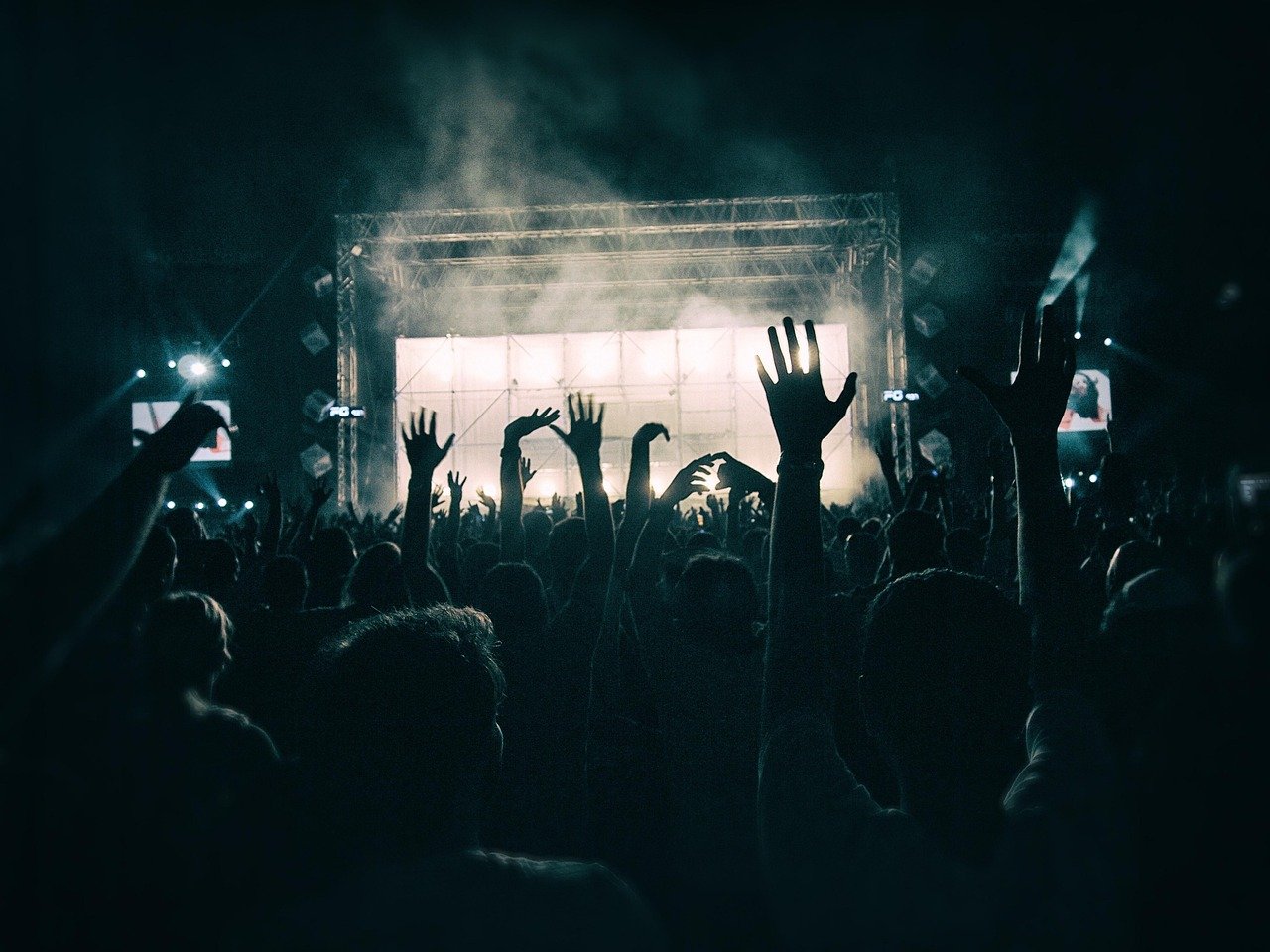
From the music in our headphones to the shows we binge-watch, the memes we share, and the fashion trends we follow, pop culture is the vibrant, ever-shifting backdrop of modern life. It’s the invisible thread weaving through our daily experiences, shaping our conversations, influencing our choices, and often, subtly reflecting who we are as individuals and as a collective society. Far from being mere frivolous entertainment, popular culture is a powerful force – a mirror reflecting our shared values and anxieties, and a megaphone amplifying new ideas and movements. Understanding its multifaceted nature is key to deciphering the world around us. This post will delve into the essence of pop culture, exploring its evolution, profound impact, economic drivers, and how we can engage with it more mindfully.
The Ever-Shifting Canvas: Defining Pop Culture
Before we can fully appreciate its impact, it’s essential to grasp what exactly pop culture encompasses. It’s more than just what’s “popular” right now; it’s a complex ecosystem of shared experiences and widely consumed content that defines an era.
What Exactly is Popular Culture?
At its core, pop culture refers to the cultural products and practices that are widely consumed and shared by the majority of a society. It’s often distinct from “high culture” (like opera or classical literature) because of its accessibility and mass appeal. It’s not just entertainment; it’s a reflection of shared experiences, values, and trends within a society.
- Widespread Appeal: Pop culture artifacts are consumed and understood by a large segment of the population, often crossing demographic lines.
- Dynamic & Ephemeral: It is constantly evolving, with trends emerging, peaking, and fading with remarkable speed. What’s “in” today might be “out” tomorrow.
- Media-Driven: Its propagation is heavily reliant on various media channels, including television, internet, music, film, social media, and publishing.
- Reflects & Shapes Society: Pop culture acts both as a mirror, reflecting current societal norms, aspirations, and anxieties, and as a mold, influencing behavior, language, and thought.
Core Components of Pop Culture
The tapestry of popular culture is richly woven from many distinct yet interconnected threads:
- Music: From chart-topping singles and album releases to the rise of new genres (e.g., the global phenomenon of K-Pop) and the influence of music on platforms like TikTok.
- Film & Television: Blockbuster movies (e.g., the Marvel Cinematic Universe), binge-worthy streaming series (e.g., Squid Game, The Crown), and iconic characters that become household names.
- Fashion: Street style trends, designer collaborations, celebrity influence on wardrobes, and the revival of past eras (e.g., Y2K fashion).
- Social Media & Internet Memes: Viral content, digital challenges (e.g., Dalgona Coffee trend), and humorous images or videos that become ubiquitous online shorthand.
- Gaming: The massive industry of video games, esports tournaments, and popular titles like Fortnite, League of Legends, or mobile gaming sensations.
- Celebrity Culture: The lives and influence of actors, musicians, influencers, and public figures who shape trends and conversations (e.g., Rihanna’s Fenty empire).
Actionable Takeaway: To truly understand the power of pop culture, look beyond just your personal preferences. Pay attention to the breadth of its diverse elements across various media – each component offers unique insights into broader societal currents.
A Historical Journey: The Evolution of Pop Culture
While the term “pop culture” feels distinctly modern, the concept of widely shared cultural products has a long history, dramatically accelerated by technological innovation.
From Niche to Mainstream: A Brief History
The roots of popular culture can be traced back to pre-industrial forms of folk culture, but its modern incarnation truly began with the advent of mass media in the early 20th century.
- Early 20th Century (1900s-1940s): The rise of radio, cinema, and mass-produced records began to homogenize cultural experiences. The Jazz Age brought new music and dances, while Hollywood’s Golden Age created global stars and narratives.
- Post-WWII Boom (1950s-1960s): Television became a dominant force, bringing shared experiences into homes. Rock & roll, epitomized by figures like Elvis Presley and the Beatles, transformed youth culture and generated unprecedented global fandom.
- Late 20th Century (1970s-1990s): MTV revolutionized music consumption, home video expanded media access, and the rise of personal computing and video games (e.g., Nintendo) created new forms of entertainment. Globalization brought artists like Michael Jackson to worldwide prominence.
The Digital Revolution: Accelerating Cultural Shifts
The internet and social media have been arguably the most significant game-changers in pop culture’s history, democratizing content creation and consumption to an unprecedented degree.
- Instant Global Reach: Trends, memes, and news can spread worldwide in hours, creating a truly interconnected global cultural conversation.
- User-Generated Content (UGC): Platforms like YouTube and TikTok empower anyone to be a creator, leading to a proliferation of diverse content and influencing traditional media.
- Hyper-Niche Fandoms: Digital tools allow smaller, specialized communities to connect and thrive globally, from obscure movie appreciation groups to dedicated K-Pop fan armies.
- Algorithm-Driven Discovery: Artificial intelligence now plays a significant role in shaping what we see and consume, often personalizing our cultural diet but also creating potential “echo chambers.”
Actionable Takeaway: Recognize how technological advancements continually reshape pop culture’s landscape. By understanding this evolution, you can better anticipate future shifts and adapt your engagement strategies as a consumer or creator.
The Ripple Effect: Pop Culture’s Societal Impact
Pop culture is far from superficial; it profoundly shapes our personal identities, builds communities, and serves as a powerful engine for social dialogue and change.
Shaping Identity and Community
Popular culture provides a vast reservoir of shared reference points, fostering a sense of belonging and helping individuals explore and define their identities.
- Fashion and Style: From the rebellious aesthetics of punk rock to the minimalist chic of athleisure, clothing often signals allegiance to cultural movements, subcultures, or aspirational lifestyles.
- Language and Slang: Memes, hit TV shows, and popular music continually introduce new words, phrases, and expressions into our everyday lexicon (e.g., “OK Boomer,” “stan,” “it’s giving…”).
- Subcultures and Fandoms: People bond intensely over shared interests, forming strong communities both online and offline. Events like Comic-Con, or the global phenomenon of BTS ARMY, showcase the power of collective identity forged through shared pop culture passions.
Reflecting and Driving Social Change
Pop culture doesn’t just entertain; it frequently mirrors societal values, challenges norms, and plays a crucial role in promoting new ideas and sparking important conversations.
- Representation: Diverse characters and storylines in film and television (e.g., Black Panther‘s impact on racial representation, Pose for LGBTQ+ narratives) can normalize marginalized identities, challenge stereotypes, and promote empathy.
- Political Discourse: Satirical news shows, protest music, and viral political messages on social media often offer critical commentary, influence public opinion, and mobilize citizens.
- Awareness Campaigns: Celebrities and popular figures frequently leverage their platforms to advocate for social or environmental causes, raising awareness and driving donations (e.g., Leonardo DiCaprio’s environmental activism).
Actionable Takeaway: Engage critically with pop culture; it’s not merely background noise but a powerful force for social commentary and change. Consider the messages you’re consuming, the representation you’re seeing, and how it aligns with your own values.
The Big Business of Trends: Economics and Pop Culture
Behind the glittering facade of entertainment lies a robust, multi-billion dollar industry that drives massive economic activity and innovation worldwide.
From Creation to Consumption: The Industry Machine
Pop culture is a colossal economic engine, involving everything from content creation to elaborate merchandising and global distribution networks.
- Media Conglomerates: Giants like Disney, Warner Bros. Discovery, Netflix, and Sony invest billions annually in developing, producing, and distributing content across film, television, music, and gaming.
- Merchandising and Licensing: Intellectual property from popular franchises (e.g., Star Wars, Harry Potter, Marvel) generates vast retail markets through toys, apparel, video games, and collectibles, often far outstripping original content revenue.
- Advertising & Sponsorships: Brands leverage popular figures, media properties, and trending cultural moments to reach consumers through sophisticated advertising campaigns and sponsorships.
- Cultural Tourism: Pop culture pilgrimage sites, from filming locations to theme parks (e.g., Universal Studios’ Wizarding World of Harry Potter), draw millions of tourists annually, boosting local economies.
The Creator Economy and Influencer Marketing
The rise of digital platforms has democratized content creation, giving birth to a new economic model that empowers individual creators and reshapes marketing strategies.
- Influencer Marketing: Individuals with large, engaged online followings (influencers) have become powerful advertisers, driving consumer behavior through sponsored content and endorsements. The global influencer marketing market size is projected to reach over $24 billion by 2025.
- Patreon & Subscriptions: Platforms like Patreon allow fans to directly support their favorite creators through recurring payments, fostering loyalty and providing sustainable income streams for artists, podcasters, and independent journalists.
- Niche Market Viability: Digital tools and global reach allow creators to monetize even highly specialized content, previously unfeasible in traditional media, catering to hyper-specific audiences.
Actionable Takeaway: Understand that behind every viral trend and beloved character is a complex economic ecosystem. Be mindful of commercial influences and consider supporting creators directly to foster a more diverse and sustainable cultural landscape.
Engaging with Pop Culture: Critical Consumption and Future Trends
In an age of endless content, developing critical engagement skills is vital for extracting genuine value and navigating the often overwhelming flow of popular culture.
Navigating the Deluge: A Guide to Mindful Engagement
With an ever-increasing volume of content, critical engagement is key to extracting value, understanding underlying messages, and avoiding information overload or manipulation.
- Question Narratives: Always ask: Who created this content? What messages, explicit or implicit, does it convey? Whose perspectives might be missing or underrepresented?
- Balance Your Media Diet: Don’t limit yourself to mainstream, algorithm-driven suggestions. Actively seek out diverse voices, independent creators, and content from different cultural backgrounds to broaden your perspective.
- Understand Commercial Intent: Recognize that much of pop culture is designed not just to entertain, but to sell something—whether it’s a product, an idea, or an ideology. Be aware of product placement and subtle advertising.
- Be Aware of Echo Chambers: Social media algorithms can inadvertently limit your exposure to differing viewpoints. Consciously seek out content and discussions that challenge your existing beliefs.
What’s Next? Anticipating Future Pop Culture Shifts
Predicting the future of pop culture is like catching mist, but certain emerging technologies and societal shifts are poised to shape the next wave of trends and entertainment.
- Metaverse & Virtual Realities: The blurring of lines between digital and physical experiences will create new forms of entertainment, social interaction, and even work, fundamentally altering how we consume and participate in culture. Virtual concerts and digital fashion are just the beginning.
- AI-Generated Content: Artificial intelligence tools are increasingly assisting in music composition, art creation, and even scriptwriting. This raises fascinating questions about creativity, authenticity, and intellectual property.
- Hyper-Personalization: Advancements in AI and data analysis will lead to even more precisely tailored content experiences, potentially fragmenting mass culture into countless micro-cultures designed specifically for individual tastes.
- Sustainability and Ethical Consumption: As global awareness grows, there will be increasing demand for pop culture that aligns with social and environmental values, influencing everything from fashion production to content themes.
Actionable Takeaway: Cultivate critical thinking skills to truly appreciate the depth and complexity of pop culture. Stay curious about emerging technologies and trends, and actively participate in shaping the cultural conversations that matter most to you.
Conclusion
Pop culture is far more than mere entertainment; it’s a dynamic, influential force that mirrors and shapes our world in profound ways. From defining our identities and fostering communities to driving global economies and serving as a powerful medium for social change, its reach is undeniable and ever-expanding.
By engaging with pop culture mindfully and critically, we can not only enhance our understanding of ourselves and our societies but also actively participate in the ongoing dialogue that defines our collective human experience. So, the next time you hum a catchy tune, share a viral meme, or discuss a trending show, remember you’re doing more than just passing the time – you’re participating in a profound, global conversation that constantly evolves and redefines what it means to be connected in the modern world.