
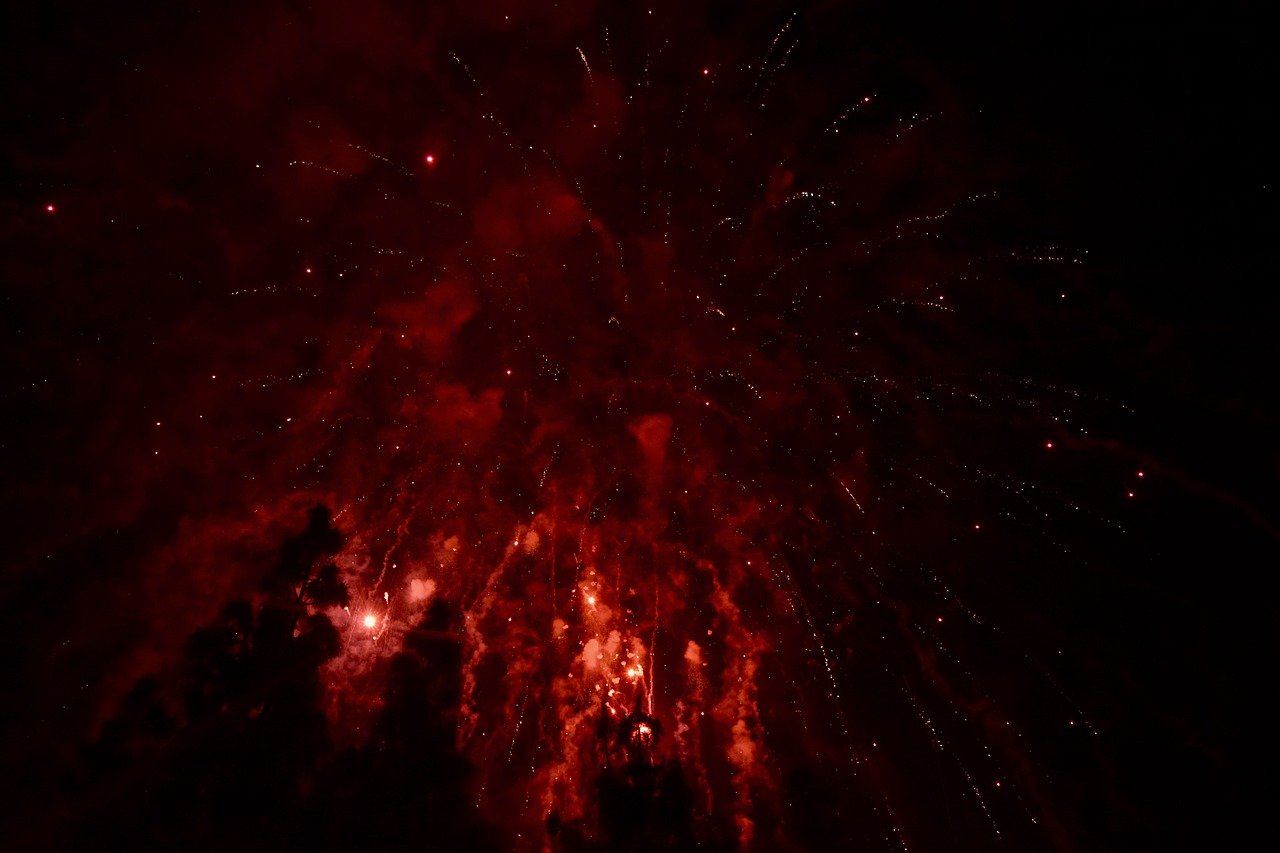
From ancient harvest celebrations to modern music extravaganzas, festivals have been an integral thread in the tapestry of human civilization for millennia. These vibrant gatherings, brimming with energy, tradition, and innovation, offer far more than mere entertainment. They are powerful platforms for cultural expression, community bonding, and personal enrichment, drawing millions worldwide into a shared experience of joy, discovery, and connection. Whether you’re a seasoned festival-goer or planning your very first foray into the world of celebratory events, understanding the essence, diversity, and impact of festivals can transform your perspective and enhance your participation.
The Universal Language of Festivals
Festivals, in their myriad forms, represent a fundamental human need to connect, celebrate, and preserve cultural heritage. They are windows into the soul of a community or a nation, showcasing traditions, beliefs, and artistic expressions that define its identity.
What Defines a Festival?
At its core, a festival is a special occasion of public rejoicing or celebration, often with a theme. While the specifics vary wildly, common elements often include:
- Communal Gathering: A large number of people coming together for a shared purpose.
- Thematic Focus: Centered around a specific idea, season, deity, art form, or historical event.
- Rituals and Traditions: Often involving specific customs, ceremonies, parades, music, dance, and food.
- Temporary Nature: Typically occurring annually or periodically, creating anticipation and unique experiences.
- Cultural Significance: Reflecting and reinforcing the values, history, and identity of a group.
Historical Roots and Evolution
The origins of festivals are deeply embedded in human history, often linked to agricultural cycles, religious observances, or victories in battle. Early festivals were crucial for social cohesion and passing down oral traditions.
- Ancient Civilizations: From the Dionysian festivals in ancient Greece celebrating wine and fertility to the Egyptian Opet Festival honoring gods, early festivals were often sacred.
- Medieval Period: Christian holidays like Christmas and Easter, along with seasonal fairs, became prominent.
- Modern Era: The 20th century saw the rise of secular festivals, particularly music and arts festivals like Woodstock, evolving into massive global events leveraging technology and media.
Cultural Pillars and Community Building
Festivals are crucial for fostering a sense of belonging and preserving cultural narratives. They provide a space where diverse individuals can come together, transcending everyday differences.
- Identity Reinforcement: They help maintain and transmit cultural practices, languages, and stories across generations, especially vital for indigenous communities.
- Social Cohesion: By uniting people in celebration, festivals strengthen community bonds, foster empathy, and reduce social isolation.
- Creative Expression: They offer unparalleled platforms for artists, musicians, dancers, and craftspeople to showcase their talents and contribute to cultural innovation.
Diverse Types of Festivals
The world of festivals is incredibly rich and varied, catering to virtually every interest and passion. Understanding the different categories can help you discover new experiences.
Cultural and Religious Festivals
These festivals often have deep historical and spiritual significance, celebrated by specific communities globally.
- Diwali (India): The five-day “Festival of Lights” celebrates the triumph of good over evil and light over darkness, marked by lamps, fireworks, feasts, and family gatherings.
- Carnival (Brazil): Rio de Janeiro’s Carnival is world-renowned for its extravagant parades, samba dancers, elaborate costumes, and vibrant street parties, celebrating before the fasting of Lent.
- Day of the Dead (Mexico): A beautiful, vibrant celebration honoring deceased loved ones with altars, marigolds, sugar skulls, and festive gatherings, distinct from Halloween.
- Chinese New Year (Global): Marking the start of the new year in the traditional Chinese lunisolar calendar, celebrated with family reunions, special foods, dragon dances, and red envelopes.
Music and Arts Festivals
These events celebrate creativity, performance, and artistic expression, drawing massive crowds for unforgettable experiences.
- Glastonbury Festival (UK): One of the largest greenfield music and performing arts festivals in the world, featuring contemporary music, dance, comedy, theater, and circus acts.
- Coachella Valley Music and Arts Festival (USA): Famous for its diverse lineup of popular and emerging artists, art installations, and fashion trends, attracting a global audience to the California desert.
- Edinburgh Fringe Festival (Scotland): The world’s largest arts festival, showcasing thousands of performances across comedy, theatre, dance, opera, and music in venues across the city.
Food and Drink Festivals
Culinary festivals are a feast for the senses, celebrating regional cuisines, gourmet dishes, and libations.
- Oktoberfest (Germany): The world’s largest beer festival held annually in Munich, celebrating Bavarian culture with traditional beer, food, music, and carnival rides.
- Pescara Abruzzo Food Festival (Italy): A regional festival showcasing the culinary delights of Abruzzo, featuring local wines, cheeses, olive oils, and pasta dishes, often with cooking demonstrations.
- Smorgasburg (USA): A massive weekly outdoor food market in Brooklyn, New York, featuring hundreds of local food vendors offering innovative and diverse culinary creations.
Seasonal and Community Festivals
These festivals often mark natural cycles or bring local communities together for shared celebration.
- Cherry Blossom Festivals (Japan/USA): Celebrating the ephemeral beauty of cherry blossoms, particularly prominent in Japan (Hanami) and Washington D.C., with picnics, parades, and cultural performances.
- Harvest Festivals (Global): Celebrated worldwide to give thanks for successful harvests, often featuring communal feasts, music, and local produce markets.
- Local Town Fairs: Many small towns host annual fairs with rides, games, local crafts, and talent shows, fostering a strong sense of local identity and tradition.
The Multifaceted Benefits of Attending Festivals
Participating in festivals offers a rich tapestry of advantages, impacting individuals, communities, and even regional economies.
Personal Enrichment and Well-being
Festivals provide unique opportunities for personal growth, stress relief, and new experiences.
- Cultural Immersion: Direct exposure to different traditions, music, art forms, and cuisines broadens perspectives and fosters understanding.
- Stress Reduction: The joyful atmosphere, dancing, and communal celebration can significantly reduce stress and boost mood. Studies suggest that attending live events can improve well-being.
- Skill Development: For those participating, festivals can be a stage for honing performance skills, marketing crafts, or developing organizational expertise.
- Sense of Adventure: Stepping out of daily routines and into a vibrant, often unpredictable, environment can spark creativity and a sense of adventure.
Actionable Takeaway: Seek out festivals that align with an interest you want to explore or a culture you wish to understand better. Embrace the unfamiliar!
Community Building and Social Connection
Festivals are powerful catalysts for forging connections and strengthening social bonds.
- Shared Experiences: Creating lasting memories with friends, family, or even strangers through collective joy and excitement.
- Networking Opportunities: Many specialized festivals (e.g., film festivals, tech festivals) serve as crucial networking hubs for professionals in various industries.
- Volunteerism: Participating as a volunteer allows individuals to contribute to their community, gain new skills, and meet like-minded people.
Actionable Takeaway: Consider volunteering at a local festival. It’s an excellent way to experience the event from a new perspective and build connections.
Economic Impact and Local Support
Festivals are significant economic drivers, especially for local economies.
- Tourism Revenue: They attract visitors from outside the region, leading to increased spending on accommodation, food, transport, and local businesses. A study by Oxford Economics estimated that the live music industry, including festivals, generated $16.7 billion in the US in 2019.
- Job Creation: Festivals create temporary and sometimes permanent jobs in event management, hospitality, security, logistics, and retail.
- Showcasing Local Products: They provide a platform for local artisans, farmers, and food vendors to sell their goods and promote their businesses.
- Brand Visibility: For host cities and regions, successful festivals can boost their profile and attract future investment and tourism.
Actionable Takeaway: When attending a festival, make an effort to support local vendors and businesses within the host community to maximize your positive economic impact.
Planning Your Festival Experience: Tips for Success
A well-planned festival trip can significantly enhance your enjoyment and minimize potential stress. Whether it’s a day-long event or a multi-day camping experience, preparation is key.
Pre-Festival Preparation
The groundwork you lay before arriving can make all the difference.
- Research Thoroughly: Understand the festival’s location, dates, lineup (if applicable), rules (e.g., what you can bring), and transportation options. Check official websites and social media.
- Budget Wisely: Account for tickets, travel, accommodation, food, drinks, merchandise, and any emergency funds.
- Accommodation and Travel: Book flights, trains, or buses well in advance. Secure camping spots or hotel rooms, as they fill up quickly.
- Pack Smart:
- Essentials: Tickets, ID, cash/cards, phone charger, power bank.
- Comfort: Comfortable shoes (you’ll be walking a lot!), weather-appropriate clothing (layers are best), hat, sunglasses, reusable water bottle.
- Health & Safety: Sunscreen, basic first-aid kit (band-aids, pain relievers), hand sanitizer, any necessary medications.
- Camping Specifics: Tent, sleeping bag, pillow, headlamp, cooking gear (if allowed).
- Plan Your Schedule: If there are multiple stages or events, prioritize what you want to see. Don’t overschedule; allow for spontaneous discovery.
Practical Example: For a multi-day music festival like Tomorrowland, research shuttle services from nearby cities, create a shared spreadsheet with friends for campsite essentials, and download the festival app to plan set times and locate amenities.
During the Festival
Once you’re there, focus on safety, enjoyment, and making the most of the experience.
- Stay Hydrated and Fed: Drink plenty of water, especially in hot weather. Eat regular meals to maintain energy levels.
- Establish a Meeting Point: In crowded environments, agree on a specific meeting spot and time with your group in case you get separated. Cell service can be unreliable.
- Be Aware of Your Surroundings: Keep an eye on your belongings. Report any suspicious activity to staff.
- Pace Yourself: Festivals can be marathon events. Don’t try to do everything at once. Rest when needed.
- Embrace the Culture: Participate in workshops, try local foods, engage with performers, and talk to fellow attendees.
- Leave No Trace: Be mindful of your environmental impact. Use designated bins and recycle whenever possible.
Actionable Takeaway: Always prioritize your health and safety. Set a “buddy system” with friends, and don’t be afraid to take breaks and recharge.
Post-Festival Reflection
The festival experience doesn’t end when you leave the grounds.
- Share Memories: Exchange photos and stories with your festival companions.
- Provide Feedback: Many festivals welcome attendee feedback to improve future events.
- Post-Festival Blues: It’s common to feel a dip in mood after an intense, joyful experience. Plan for some quiet time or gentle activities to readjust.
- Clean Up: Unpack, clean your gear, and responsibly dispose of any waste.
The Future of Festivals: Innovation and Sustainability
As the world evolves, so do festivals. Organizers are constantly innovating to enhance experiences, address global challenges, and ensure the longevity of these cherished events.
Digital Integration and Accessibility
Technology is increasingly shaping how festivals are experienced and managed.
- Live Streaming: Many festivals now offer live streams, allowing a global audience to participate virtually, especially relevant during times like the recent pandemic.
- Wearable Tech: RFID wristbands for cashless payments and access control streamline operations and enhance security.
- Augmented Reality (AR): AR apps can provide interactive maps, enhance art installations, or offer personalized experiences.
- Enhanced Accessibility: Festivals are striving to be more inclusive, offering services like accessible viewing platforms, sign language interpreters, and sensory-friendly zones for attendees with disabilities.
Practical Example: SXSW in Austin, Texas, perfectly blends music, film, and interactive technology, showcasing how festivals can be dynamic platforms for innovation and discovery.
Sustainability Efforts and Green Initiatives
With growing environmental concerns, festivals are increasingly prioritizing eco-friendly practices.
- Waste Reduction: Implementing comprehensive recycling programs, banning single-use plastics, and promoting reusable cups and bottles. Festivals like Roskilde in Denmark aim for zero waste.
- Renewable Energy: Utilizing solar panels or biodiesel generators to power stages and facilities, reducing reliance on fossil fuels.
- Sustainable Sourcing: Encouraging vendors to source local, organic, and ethically produced food and merchandise.
- Carbon Offsetting: Investing in projects that reduce greenhouse gas emissions to compensate for the festival’s carbon footprint.
- Public Transport Promotion: Encouraging attendees to use public transportation, carpooling, or cycling to reduce traffic and emissions.
Actionable Takeaway: When choosing which festival to attend, look for their sustainability policies. Support events that actively work to minimize their environmental impact.
Inclusivity, Diversity, and Social Impact
Festivals are evolving to reflect and champion a more diverse and equitable world.
- Diverse Lineups: Curating lineups that represent a broader range of genders, ethnicities, and musical genres.
- Safe Spaces: Implementing clear codes of conduct, anti-harassment policies, and dedicated safe spaces to ensure all attendees feel respected and secure.
- Community Engagement: Collaborating with local communities, artists, and organizations to ensure festivals benefit and authentically represent the regions they inhabit.
Practical Example: Afropunk Festival celebrates and empowers the African diaspora through music, art, fashion, and film, actively promoting diversity and social activism.
Conclusion
Festivals are much more than just fleeting moments of entertainment; they are vital cultural touchstones that enrich lives, strengthen communities, and drive economies. From ancient rites to cutting-edge artistic showcases, these gatherings offer a unique blend of tradition and innovation, inviting us to step outside our everyday lives and immerse ourselves in shared celebration. By understanding their diverse forms, embracing their numerous benefits, and planning thoughtfully, we can fully appreciate and contribute to the vibrant world of festivals. As these events continue to evolve with technology and a commitment to sustainability and inclusivity, their power to connect, inspire, and transform remains as potent as ever. So, whether you seek cultural enlightenment, musical ecstasy, culinary delights, or simply a joyous escape, the perfect festival experience awaits your discovery.