
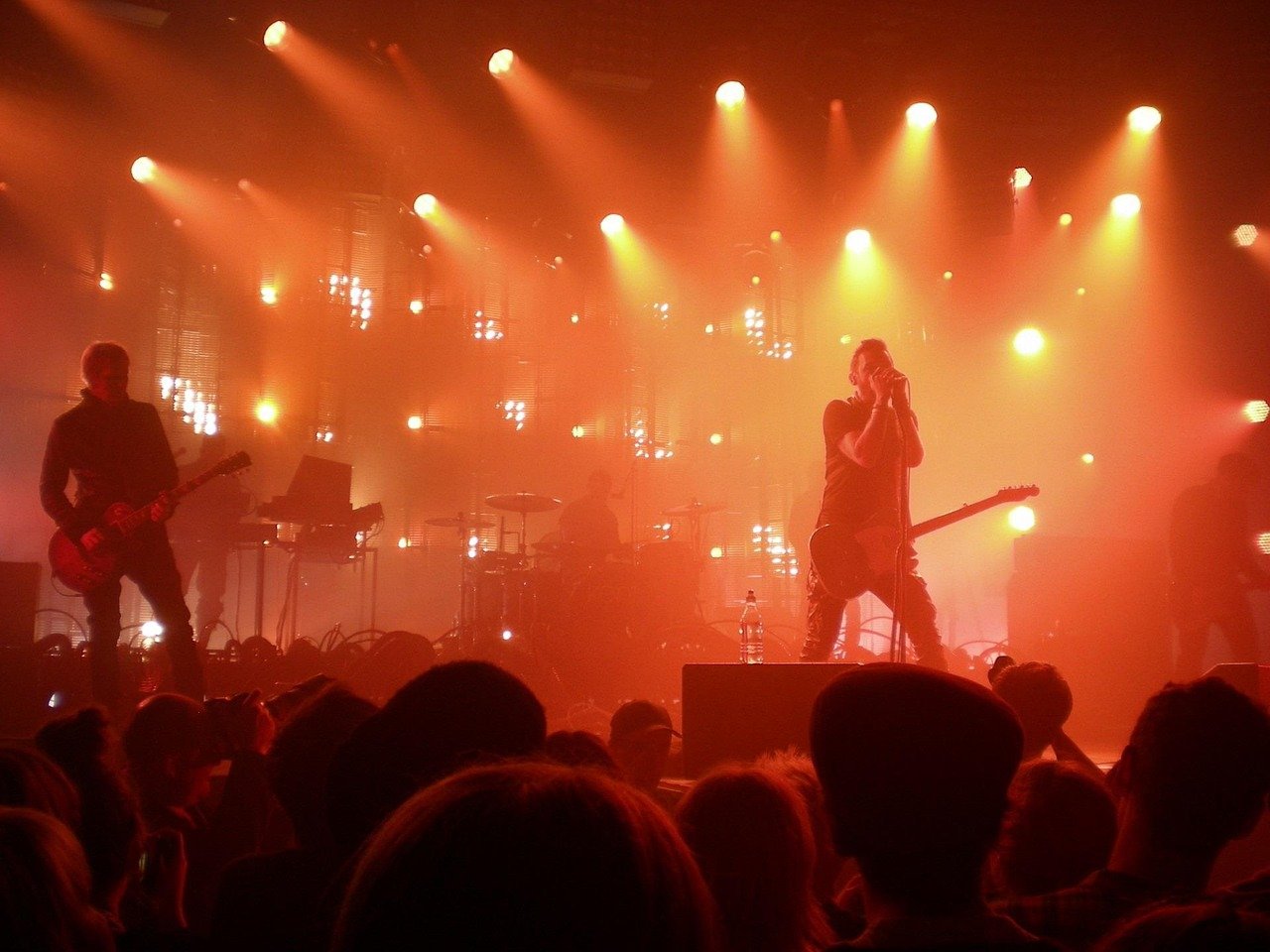
In an increasingly digital world, where screens dominate our attention, there remains a powerful, primal draw to the stage. Theater, an ancient art form, continues to captivate, challenge, and connect us in ways no other medium can. It’s more than just a performance; it’s a shared breath, an immediate connection between storyteller and audience, a living, breathing experience that transcends time and space. From the grandeur of Broadway to the intimacy of community stages, theater offers a unique window into the human condition, inviting us to laugh, weep, reflect, and dream together.
The Enduring Allure of Live Performance
The magic of live performance lies in its inherent impermanence and immediacy. Unlike film or television, which are fixed, theatrical productions are dynamic, evolving with each performance, creating a unique moment that will never be precisely replicated. This ephemeral quality fosters a profound connection between the performers and the audience.
Why Live is Different: The Shared Experience
- Unfiltered Emotion: Witnessing actors pour their hearts into a role just feet away creates an unreplicable emotional resonance. You feel their joy, their pain, their triumph directly.
- Audience Energy: The collective response of an audience—laughter, gasps, silence—becomes part of the performance itself, creating a shared communal experience that amplifies individual emotions.
- Immediacy and Risk: There’s an exhilarating sense of vulnerability and risk in live theater. Anything can happen, and this unpredictability makes each performance thrillingly unique.
Actionable Takeaway: Prioritize experiencing live theater. Seek out local productions, school plays, or professional touring companies. You might be surprised by the depth of connection and entertainment it offers.
A Tapestry of Genres: Exploring Theatrical Diversity
The world of theatrical arts is vast and varied, encompassing a multitude of styles and genres, each offering distinct narratives and emotional experiences. From classical tragedies to cutting-edge experimental works, there’s a type of stage production for every taste.
Drama & Tragedy: Reflecting the Human Condition
Drama delves deep into complex human emotions, relationships, and societal issues. Tragedies, originating from ancient Greece, explore universal themes of fate, free will, and moral dilemmas, often leading to catharsis for the audience.
- Examples: Shakespeare’s Hamlet, Arthur Miller’s Death of a Salesman, August Wilson’s Fences. These plays resonate because they hold a mirror to our deepest fears and aspirations.
Comedy & Farce: Laughter as a Social Commentary
Comedy uses humor, wit, and often exaggeration to critique society, explore absurdities, or simply entertain. Farce takes this further, with exaggerated characters, improbable situations, and physical humor.
- Examples: Molière’s The Miser, Oscar Wilde’s The Importance of Being Earnest, Michael Frayn’s Noises Off. These works often provide insightful commentary wrapped in hilarious scenarios.
Musical Theater: The Power of Song and Dance
Perhaps one of the most popular forms, musical theater integrates songs, spoken dialogue, acting, and dance to tell a story. It’s a dynamic and often spectacular genre that can range from intimate to grand.
- Examples: Broadway hits like Hamilton, Les Misérables, and The Lion King showcase the incredible range and emotional power of this art form, often combining historical narratives with stunning visual and auditory experiences.
Experimental & Immersive Theater: Pushing Boundaries
This category encompasses innovative forms that challenge traditional staging, narrative structures, and audience interaction. Immersive theater, in particular, invites the audience to become part of the world of the play, blurring the lines between spectator and participant.
- Examples: Sleep No More, a Macbeth adaptation where the audience freely explores a multi-story set, or site-specific performances that take place in unusual locations like abandoned buildings or public parks.
Actionable Takeaway: Step out of your comfort zone and explore a genre you haven’t experienced before. Many cities host Fringe Festivals dedicated to showcasing experimental and independent performing arts.
The Anatomy of a Theatrical Production
A theatrical production is a remarkable feat of collaboration, bringing together a diverse team of artists and technicians to transform a script into a living performance. It’s a complex process that demands meticulous planning, creativity, and teamwork.
Behind the Scenes: The Collaborative Art
While actors are the visible face of theater, a vast ecosystem of professionals works tirelessly backstage.
- Director: The visionary leader who interprets the script and guides all artistic elements.
- Designers:
- Set Designer: Creates the physical environment of the play.
- Costume Designer: Crafts the attire that defines characters and period.
- Lighting Designer: Manipulates light to create mood, focus, and atmosphere.
- Sound Designer: Develops audio landscapes, music, and effects.
- Stage Managers & Crew: The unsung heroes who manage rehearsals, organize backstage operations, and execute technical cues during performances, ensuring everything runs smoothly.
The Actor’s Craft: Bringing Characters to Life
Acting is the heart of live performance. Actors use their bodies, voices, and emotional intelligence to embody characters, conveying their motivations, conflicts, and journeys to the audience.
- Preparation: This involves script analysis, character research, vocal and physical training, and extensive rehearsal to build chemistry and perfect timing.
- Emotional Truth: Great acting involves finding the authentic emotional core of a character, making even fictional personas feel real and relatable.
From Script to Stage: The Journey of a Play
- Script Selection & Development: A play is chosen or commissioned, and often undergoes readings and revisions.
- Pre-Production: The creative team assembles, designs are finalized, and auditions are held.
- Rehearsals: Actors, guided by the director, explore the script, block scenes, develop characters, and refine performances. Technical elements are gradually integrated.
- Tech Week: Intense period where all design elements (lights, sound, costumes, sets) are integrated with the acting for the first time, often leading to long, demanding hours.
- Previews: Initial performances with an audience, allowing final adjustments before opening night.
- Performance Run: The play is performed for its scheduled duration.
Actionable Takeaway: When you attend a show, take a moment to appreciate not just the performance on stage, but the intricate web of artistry and dedication that went into creating every aspect of the experience.
Theater’s Impact: Mirror, Amplifier, Catalyst
Beyond entertainment, theater serves profound functions in society. It acts as a mirror reflecting our world, an amplifier for unheard voices, and a catalyst for change.
Reflecting Society: Social Commentary and Cultural Understanding
Throughout history, theater has been a vital platform for social commentary, addressing contemporary issues, challenging norms, and provoking thought. From ancient Greek comedies satirizing politicians to modern plays tackling global crises, theater remains a potent force for dialogue.
- Historical Insight: Plays often provide invaluable insights into past cultures, beliefs, and struggles, making history tangible and relatable.
- Current Debates: Many contemporary plays directly engage with current political, social, and ethical dilemmas, sparking conversations long after the curtain falls.
Education and Empathy: Learning Through Storytelling
Storytelling is a fundamental human need, and theater excels at it. By presenting diverse perspectives and complex characters, it fosters empathy and broadens understanding.
- Empathy Building: Witnessing characters grapple with universal human experiences helps audiences connect with different viewpoints and develop a deeper sense of empathy.
- Educational Tool: Theater is used in schools and universities to teach history, literature, critical thinking, and communication skills. Studies show that students involved in performing arts often demonstrate higher academic achievement and stronger problem-solving abilities.
Community Building: Local Theater as a Hub
Community theater groups are vital cultural institutions, providing creative outlets, fostering local talent, and bringing people together. They are often accessible and inclusive, offering opportunities for participation regardless of professional experience.
- Local Engagement: These groups often rely on volunteers and local support, strengthening community bonds and creating a sense of shared ownership.
- Economic Impact: Theater, both professional and community-based, contributes significantly to local economies through ticket sales, jobs, and associated businesses like restaurants and hotels. Globally, the performing arts industry is a multi-billion dollar sector, employing millions.
Actionable Takeaway: Consider supporting your local theater. Attend their shows, volunteer your time, or simply spread the word about their productions. Your engagement helps sustain a vital cultural cornerstone.
Engaging with Theater: Beyond the Audience Seat
While being an appreciative audience member is crucial, there are many ways to deepen your connection with the world of theatrical arts. Engaging more actively can enrich your life and support this invaluable art form.
Supporting Local Arts: How to Contribute
Local theater companies, from professional non-profits to passionate amateur groups, are often the lifeblood of their community’s cultural scene. They depend on public support.
- Become a Patron: Donate to theater companies, big or small. Many offer memberships with perks like early access or discounts.
- Spread the Word: Share reviews, talk about plays you’ve seen, and encourage friends and family to attend. Word-of-mouth is incredibly powerful.
- Volunteer: Offer your skills for ushering, set building, costume creation, marketing, or administrative tasks.
Exploring Participation: Auditions, Workshops, and Classes
You don’t have to be a professional actor to participate. Many community theaters and arts centers offer avenues for involvement.
- Audition: If you’ve ever dreamed of being on stage, look for open auditions. Community theaters are often welcoming to newcomers.
- Take a Class: Enroll in acting, improvisation, or stagecraft workshops. These can build confidence, foster creativity, and introduce you to new skills, even if you never perform professionally.
- Join a Production Team: Explore opportunities to work backstage in technical roles like lighting, sound, or stage management. It’s a fantastic way to learn about the complexities of a show.
Digital Outreach: Online Performances and Educational Content
The digital age has opened new doors for engaging with theater, especially for those with limited access to live venues.
- Streamed Performances: Many theaters now offer recordings or live streams of their productions, making high-quality theater accessible globally. The National Theatre Live in the UK is a prime example.
- Online Workshops: Learn about acting techniques, scriptwriting, or theater history through virtual courses and masterclasses.
- Podcasts and Documentaries: Dive deeper into the world of theater through podcasts interviewing artists or documentaries exploring famous productions and historical figures.
Actionable Takeaway: Seek out your local theater’s website or social media. Subscribe to their newsletter to stay informed about upcoming shows, volunteer opportunities, and educational programs. Your active participation enriches not just your life, but the entire cultural fabric of your community.
Conclusion
Theater, in all its forms, stands as a testament to humanity’s enduring need for storytelling, connection, and collective experience. From its ancient origins to its vibrant contemporary iterations, it continues to evolve, challenge, and entertain, proving that some experiences are simply irreplaceable. It is an art form that demands presence, encourages empathy, and celebrates the profound power of human expression. In a world clamoring for authenticity and connection, the stage remains a sacred space where magic happens, where stories come alive, and where audiences are invited to share in the raw, immediate beauty of being human. Embrace the power of live performance – it’s an experience that truly nourishes the soul.