
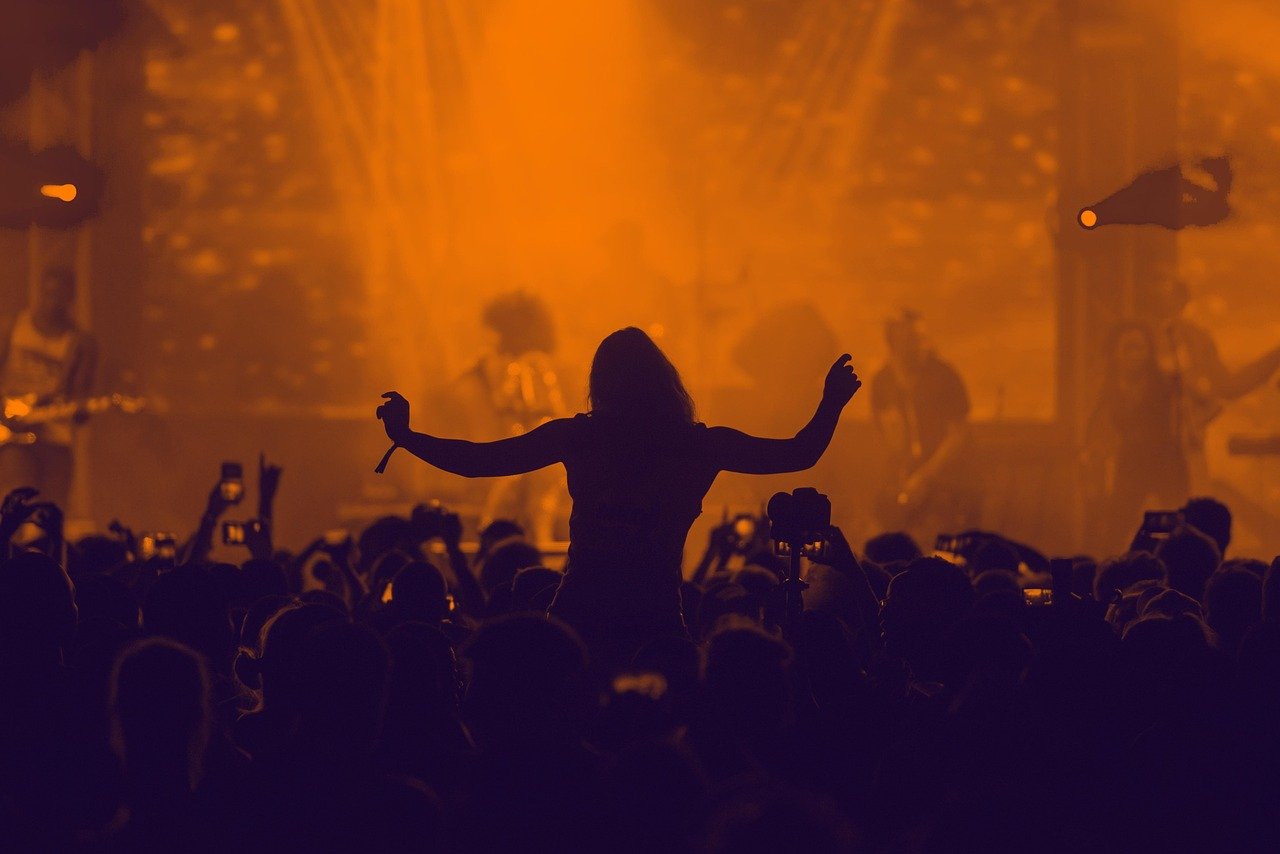
From the catchy tunes dominating radio waves to the latest binge-worthy series, the internet memes that fill our feeds, and the fashion trends gracing runways and streets alike, pop culture is the invisible thread weaving through our daily lives. It’s more than just entertainment; it’s a dynamic, ever-evolving force that reflects, shapes, and challenges our collective consciousness. This intricate tapestry of shared experiences, ideas, and phenomena defines an era, influencing everything from our conversations and identities to global economies and social movements. Understanding pop culture isn’t just about knowing what’s popular; it’s about comprehending the powerful currents that drive human connection and change in the modern world.
What Exactly is Pop Culture?
Pop culture, short for popular culture, encompasses the aggregate of ideas, perspectives, attitudes, images, and other phenomena that are considered mainstream and widely adopted by a society at a given time. It is, in essence, the culture of the people, for the people, defining what’s “in” and influencing collective taste and behavior.
Defining the Phenomenon
At its core, pop culture is a reflection of a society’s values, concerns, and aspirations. It’s often disseminated through mass media, making it accessible and recognizable to a broad audience. While often dismissed as superficial, pop culture provides a crucial lens through which to understand societal shifts.
- Ubiquity: It’s everywhere – from the songs we stream to the shows we watch and the clothes we wear.
- Accessibility: Designed for mass consumption, making it easily digestible and shareable.
- Transience: Often characterized by its temporary nature, with trends rising and falling rapidly.
- Examples: Think of global phenomena like the Marvel Cinematic Universe, the rise of K-Pop, the popularity of TikTok dances, or iconic fashion trends like streetwear.
Actionable Takeaway: Pay attention to the recurring themes and messages within popular trends; they often reveal underlying societal concerns or aspirations.
A Brief History: From Niche to Ubiquitous
While elements of popular entertainment have always existed, modern pop culture truly began to flourish in the post-World War II era, fueled by several key developments:
- Mass Production and Media: The proliferation of radio, television, and affordable print media allowed cultural products to reach millions simultaneously.
- Youth Culture: The emergence of a distinct youth demographic with disposable income and a desire for unique identity led to the rise of rock and roll, teen fashion, and counter-cultural movements.
- Consumerism: An expanding global economy and aggressive marketing campaigns turned cultural consumption into a driving force.
Today, with the internet and social media, the creation and dissemination of popular culture have accelerated exponentially, making it a truly global and instantaneous phenomenon.
Actionable Takeaway: Recognizing the historical roots of pop culture helps us understand its current power and predict future trajectories.
The Digital Age and the Acceleration of Pop Culture
The advent of the internet and digital technologies has not only transformed how pop culture is consumed but also how it is created, spread, and interpreted. We are living in an era of unprecedented cultural velocity.
Social Media as a Catalyst
Platforms like TikTok, Instagram, YouTube, and X (formerly Twitter) have become central engines of pop culture, enabling trends to go viral overnight and fostering direct interaction between creators and audiences.
- Instant Global Reach: A meme or a dance challenge can spread from one corner of the world to another within hours, demonstrating the power of interconnectedness.
- Democratization of Creation: Anyone with a smartphone can become a content creator, influencer, or trendsetter, bypassing traditional gatekeepers.
- Fandoms and Communities: Social media allows fans to connect, share, and organize, creating powerful online communities around shared interests, from TV shows to music artists.
Example: The “Old Town Road” phenomenon by Lil Nas X, which started as a viral TikTok meme and evolved into a record-breaking global hit, perfectly illustrates the digital age’s impact.
Actionable Takeaway: To stay abreast of emerging trends, actively engage with diverse creators and communities on social media platforms, but always maintain a critical eye.
Streaming Services and Content Overload
The rise of streaming platforms has fundamentally changed how we consume movies, TV shows, and music, offering unparalleled access to a vast library of content.
- Binge-Watching Culture: Services like Netflix, Hulu, and Disney+ have popularized consuming entire seasons of shows in one sitting, impacting storytelling formats.
- Personalized Algorithms: These platforms use data to recommend content, often leading to echo chambers but also exposing users to diverse genres.
- Global Content Exchange: Non-English language shows like “Squid Game” (South Korea) or “Money Heist” (Spain) have become global sensations, proving that cultural barriers are diminishing.
Statistic: As of Q1 2024, Netflix alone boasts over 270 million paid subscribers worldwide, highlighting the massive scale of streaming’s influence.
Actionable Takeaway: Use streaming services not just for passive entertainment but also to explore international content and broaden your cultural horizons.
The Profound Impact of Pop Culture on Society
Far from being trivial, pop culture plays a significant role in shaping individual and collective identities, influencing social norms, driving economic activity, and even sparking political discourse.
Shaping Identity and Community
Pop culture provides shared experiences that help individuals define themselves and find their place within larger communities.
- Personal Expression: Fashion, music, and media preferences become markers of identity, allowing individuals to express who they are or aspire to be.
- Fandoms and Belonging: Shared love for a band, a sports team, a video game, or a movie franchise creates powerful bonds and communities, both online and offline (e.g., Comic-Con attendees, K-Pop stans).
- Role Models: Celebrities, fictional characters, and influencers in pop culture often serve as aspirational figures, shaping values and behaviors.
Example: The global impact of Beyoncé’s music and visual albums, often interwoven with themes of Black female empowerment, provides a potent example of pop culture shaping identity and advocacy.
Actionable Takeaway: Reflect on how your pop culture choices reflect your values and seek out communities that align with your interests for a deeper sense of belonging.
Driving Social Commentary and Change
Pop culture frequently acts as both a mirror reflecting societal issues and a megaphone amplifying messages of change and social justice.
- Reflection of Society: Films like “Parasite” (South Korea) eloquently critique wealth inequality, while TV shows like “When They See Us” shed light on systemic injustices.
- Challenging Norms: Increased representation of diverse ethnicities, genders, sexual orientations, and abilities in media helps normalize different identities and challenge traditional stereotypes.
- Advocacy and Awareness: Artists and public figures often use their platforms to advocate for causes, raising awareness about climate change, mental health, or political issues.
Example: The success of “Black Panther” was not just a cinematic achievement but a profound cultural moment, celebrating Black excellence and challenging prevailing narratives about African representation in media.
Actionable Takeaway: Engage with pop culture that challenges your perspectives and promotes inclusivity; support creators who use their platforms for positive social impact.
Navigating and Engaging with Pop Culture Critically
In a world saturated with information and rapidly shifting trends, developing critical thinking skills to consume and interact with pop culture is more crucial than ever.
Consuming Consciously
Being a conscious consumer of pop culture means actively processing information, questioning narratives, and understanding the potential influences on your own thoughts and behaviors.
- Media Literacy: Develop the ability to analyze media messages, identify biases, and understand the intent behind content creation.
- Questioning Narratives: Don’t passively accept messages. Consider who is telling the story, whose voices are amplified, and whose are missing.
- Understanding Algorithms: Be aware that personalized feeds and recommendations can create “filter bubbles” and echo chambers, limiting exposure to diverse viewpoints.
Tip: Actively seek out alternative news sources, independent creators, and diverse perspectives to broaden your understanding beyond mainstream narratives.
Actionable Takeaway: Regularly pause and ask yourself: “What message is this piece of pop culture conveying, and why might it be important (or problematic)?”
Participating Responsibly
As pop culture increasingly lives in digital spaces, responsible participation is key to fostering positive online environments and contributing meaningfully to cultural discourse.
- Online Etiquette: Practice respectful communication, even when disagreeing with others in online fandoms or comment sections.
- Combating Misinformation: Be wary of viral content that lacks credible sources; verify information before sharing to prevent the spread of misinformation.
- Supporting Ethical Creators: Prioritize consuming content from creators who align with your values and demonstrate ethical practices in their work and interactions.
Example: Engaging in respectful discussions about controversial movie endings or character arcs, rather than resorting to personal attacks, exemplifies responsible online participation.
Actionable Takeaway: Be an active, positive force within pop culture communities, advocating for inclusivity and thoughtful engagement.
Conclusion
Pop culture is an undeniable force, perpetually shaping our world in profound and often subtle ways. From the global reach of a viral meme to the deep societal impact of a critically acclaimed film, it serves as a dynamic mirror reflecting our collective consciousness and a powerful engine driving change. It informs our identities, dictates our trends, and provides a common language through which we connect and understand one another across diverse backgrounds.
As we navigate this ever-accelerating cultural landscape, developing a discerning eye and engaging consciously become paramount. By understanding its origins, appreciating its pervasive influence, and actively participating in its evolution, we can harness the power of pop culture not just for entertainment, but as a vital tool for connection, critical thought, and societal progress. Embrace its dynamism, question its narratives, and discover the rich tapestry of human experience it constantly weaves.