
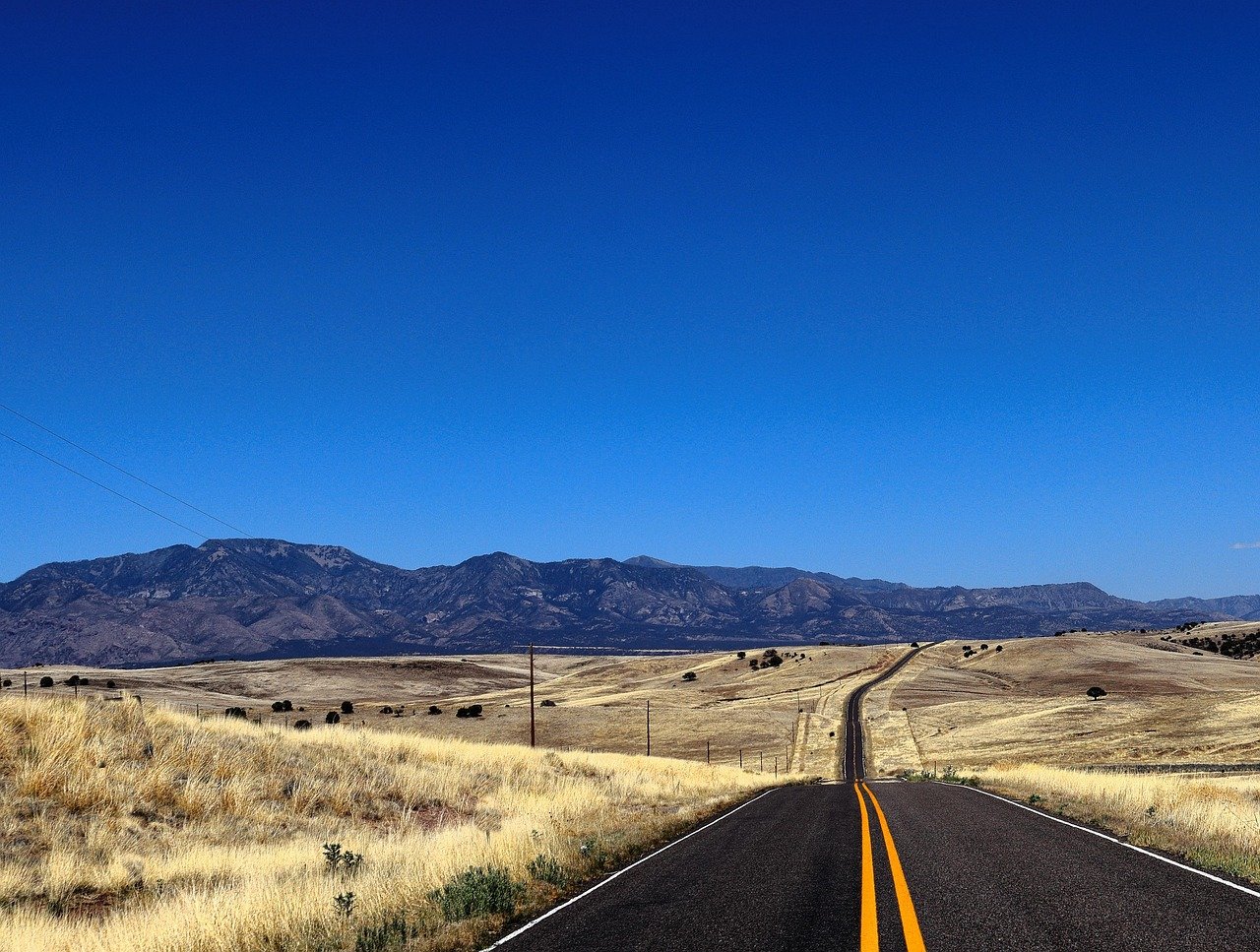
Our planet, Earth, is a living, breathing entity that provides us with everything we need to thrive: clean air, fresh water, fertile soil, and an incredible diversity of life. Yet, for too long, humanity has taken these invaluable resources for granted, pushing our natural systems to their breaking point. From the escalating crisis of climate change to the alarming rate of species extinction, the signs are clear: the time for passive observation is over. We are at a critical juncture where understanding our environmental impact and actively embracing sustainable practices is not just an option, but an urgent necessity for the future of all life on Earth.
The Urgent Call for Environmental Stewardship
The health of our planet is intrinsically linked to the well-being of humanity. Environmental stewardship isn’t just a moral obligation; it’s a foundational element for ensuring a prosperous and healthy future for generations to come. Understanding the intricate web of our ecosystems and the impact of human activities is the crucial first step.
Understanding Our Environmental Footprint
Every action we take, every product we consume, leaves a mark on the environment. This cumulative impact is often referred to as our environmental footprint. It encompasses various aspects, from carbon emissions to resource depletion.
- Carbon Footprint: The total amount of greenhouse gases (GHGs), primarily carbon dioxide, emitted directly or indirectly by an individual, organization, event, or product. These emissions largely stem from burning fossil fuels for energy, transportation, and industry.
- Ecological Footprint: A broader measure that quantifies the amount of biologically productive land and sea area required to provide the resources a population consumes and absorb its waste. It highlights the extent to which humanity’s demands exceed the Earth’s regenerative capacity.
- Resource Depletion: The consumption of non-renewable resources (like fossil fuels and certain minerals) and the overexploitation of renewable resources (like forests and fisheries) faster than they can regenerate.
Key Environmental Challenges We Face
Our planet is confronting a myriad of interconnected environmental issues, each demanding immediate attention and collective action.
- Climate Change: Driven primarily by human-induced greenhouse gas emissions, leading to global warming, extreme weather events, sea-level rise, and ocean acidification. The Intergovernmental Panel on Climate Change (IPCC) warns that without drastic action, we risk irreversible damage to ecosystems.
- Biodiversity Loss: Species are disappearing at an unprecedented rate, often 1,000 to 10,000 times faster than the natural extinction rate, primarily due to habitat destruction, pollution, and climate change. This loss compromises ecosystem stability and vital services like pollination and water purification.
- Pollution: Contamination of air, water, and soil by harmful substances, including industrial waste, plastics, pesticides, and vehicle emissions. Air pollution alone is responsible for millions of premature deaths annually.
- Deforestation: The clearing of forests for agriculture, logging, and development, contributing significantly to climate change (forests absorb CO2) and habitat loss. The Amazon rainforest, for instance, has lost over 15% of its original area.
- Water Scarcity: Billions of people lack access to safe drinking water, a problem exacerbated by climate change, pollution, and inefficient water management practices.
Actionable Takeaway: Begin by understanding your personal environmental footprint. Utilize online calculators to assess your impact and identify key areas where you can reduce consumption and waste. Awareness is the crucial first step towards meaningful change.
Climate Change: A Defining Challenge of Our Time
No environmental issue looms larger than climate change. Its far-reaching consequences threaten every aspect of life, from global food security to public health. Addressing it requires a fundamental shift in how we generate and consume energy.
The Science Behind Climate Change
The Earth’s climate has always changed naturally, but the rapid warming observed since the industrial revolution is overwhelmingly attributed to human activities. This phenomenon is largely due to the enhanced greenhouse effect.
- Greenhouse Gases (GHGs): Gases like carbon dioxide (CO2), methane (CH4), nitrous oxide (N2O), and fluorinated gases trap heat in the Earth’s atmosphere, much like a greenhouse. While some GHGs are natural and essential for maintaining a habitable temperature, human activities, primarily the burning of fossil fuels (coal, oil, natural gas) for energy, have drastically increased their concentrations.
- Global Warming: The increased concentration of GHGs leads to a rise in the Earth’s average surface temperature. Since the late 19th century, the global average temperature has risen by about 1.1 degrees Celsius (2 degrees Fahrenheit).
- Consequences: This warming manifests as more frequent and intense heatwaves, changes in precipitation patterns (leading to more severe droughts and floods), melting glaciers and ice sheets contributing to sea-level rise, and ocean acidification impacting marine life.
Transitioning to Renewable Energy
The most effective strategy to mitigate climate change is to transition away from fossil fuels and embrace renewable energy sources that produce little to no greenhouse gas emissions.
- Solar Power: Harnessing energy from the sun using photovoltaic panels or concentrated solar power. Costs have plummeted in recent years, making it increasingly competitive.
- Wind Power: Utilizing wind turbines to convert wind energy into electricity. Often deployed in large-scale farms, both onshore and offshore.
- Hydropower: Generating electricity from the movement of water, typically through dams. While a mature technology, its environmental impact can be significant depending on dam location.
- Geothermal Energy: Tapping into the Earth’s internal heat to generate electricity or directly for heating and cooling.
- Benefits of Renewables:
- Significantly reduced greenhouse gas emissions.
- Improved air quality and public health.
- Enhanced energy security and independence from volatile fossil fuel markets.
- Job creation in green industries.
Example: Germany’s Energiewende (Energy Transition) is a national commitment to phasing out nuclear and fossil fuels and dramatically increasing the share of renewables. By 2020, renewables accounted for over 45% of Germany’s electricity consumption, demonstrating that a large-scale transition is achievable with concerted effort and policy support.
Actionable Takeaway: Support policies and companies that invest in renewable energy. At home, consider switching to a green energy provider if available, reduce your personal energy consumption, and explore energy-efficient appliances. Drive less, cycle or walk more, and use public transport where possible.
Biodiversity and Ecosystem Preservation
Biodiversity, the variety of life on Earth, is the bedrock of our planet’s health and our own survival. From microscopic organisms to colossal whales, each species plays a role in the intricate web of life. Its rapid decline is a silent crisis with profound implications.
The Importance of Biodiversity
Biodiversity is not just about the beauty of nature; it underpins all life support systems on Earth, providing invaluable “ecosystem services” essential for human well-being.
- Ecosystem Services: These are the many benefits that nature provides to humanity, including:
- Pollination: Insects and animals pollinate crops, vital for food production.
- Water Purification: Forests and wetlands filter pollutants and regulate water flow.
- Soil Fertility: Microorganisms and fungi break down organic matter, enriching soil.
- Climate Regulation: Forests and oceans absorb carbon dioxide, mitigating climate change.
- Disease Regulation: Diverse ecosystems can buffer against the spread of diseases.
- Food and Medicine: A vast array of plants and animals provides food, and many modern medicines are derived from natural sources.
- Resilience: Diverse ecosystems are more resilient to disturbances like disease, climate shifts, and invasive species.
- Intrinsic Value: Beyond their utility, all species have an intrinsic right to exist, contributing to the richness and wonder of the natural world.
Threats to Biodiversity and Conservation Efforts
Human activities are the primary drivers of biodiversity loss, pushing countless species towards extinction. However, dedicated conservation efforts are working to reverse these trends.
- Major Threats:
- Habitat Destruction and Fragmentation: Conversion of natural habitats for agriculture, urban development, and infrastructure.
- Pollution: Chemical runoff, plastic waste, and air pollution harm ecosystems and species.
- Overexploitation: Unsustainable fishing, hunting, and logging.
- Invasive Species: Introduction of non-native species that outcompete or prey on native ones.
- Climate Change: Shifting habitats, altered breeding cycles, and extreme weather events.
- Conservation Strategies:
- Protected Areas: Establishing national parks, wildlife reserves, and marine protected areas to safeguard critical habitats.
- Reforestation and Habitat Restoration: Planting trees and restoring degraded ecosystems to rebuild natural spaces.
- Sustainable Agriculture and Forestry: Practices that minimize environmental impact and preserve biodiversity.
- Anti-Poaching and Illegal Wildlife Trade Measures: Law enforcement and community engagement to protect endangered species.
- Species Reintroduction Programs: Breeding programs and reintroducing species into their native habitats.
Example: The Great Green Wall initiative in Africa aims to combat desertification and land degradation across the entire width of the continent by planting a vast belt of trees and restoring degraded lands. This ambitious project aims to restore 100 million hectares of degraded land, sequester 250 million tons of carbon, and create 10 million green jobs by 2030, demonstrating a holistic approach to environmental and social benefits.
Actionable Takeaway: Support conservation organizations through donations or volunteering. Choose sustainably sourced products (e.g., FSC-certified wood, shade-grown coffee, sustainable seafood). Reduce your consumption of resource-intensive products and advocate for stronger environmental protections in your community and beyond.
Tackling Pollution: Air, Water, and Land
Pollution, in its myriad forms, is a pervasive threat to both environmental and human health. From the invisible particulate matter in our air to the ubiquitous plastic choking our oceans, addressing pollution is critical for a healthier planet.
Sources and Impacts of Pollution
Pollution originates from diverse human activities and has far-reaching consequences for ecosystems and human well-being.
- Air Pollution:
- Sources: Industrial emissions, vehicle exhaust, burning of fossil fuels, agricultural activities, wildfires.
- Impacts: Respiratory diseases, cardiovascular problems, acid rain, smog, damage to crops and infrastructure. The World Health Organization estimates that 7 million people die prematurely each year due to air pollution.
- Water Pollution:
- Sources: Industrial discharge, agricultural runoff (pesticides, fertilizers), sewage, plastic waste, oil spills, pharmaceutical waste.
- Impacts: Contamination of drinking water, destruction of aquatic ecosystems, harm to marine life (e.g., plastic ingestion by sea creatures), eutrophication (algal blooms depleting oxygen). An estimated 8 million metric tons of plastic enter the oceans annually.
- Land Pollution (Soil Pollution):
- Sources: Industrial waste, illegal dumping, unsustainable agricultural practices (excessive pesticide/herbicide use), mining activities, landfills.
- Impacts: Loss of soil fertility, contamination of food crops, groundwater pollution, habitat destruction, health risks from toxic substances entering the food chain.
Strategies for Pollution Reduction
Effective pollution control requires a multi-faceted approach involving policy, technology, and individual action.
- Circular Economy Principles: Moving away from the linear “take-make-dispose” model towards a system where resources are kept in use for as long as possible, extracting maximum value from them, then recovering and regenerating products and materials at the end of each service life.
- Reduce: Minimize consumption and waste generation at the source.
- Reuse: Extend the lifespan of products by repairing, repurposing, or sharing.
- Recycle: Process used materials into new products, diverting them from landfills.
- Green Technologies and Innovation: Developing and implementing cleaner production processes, advanced filtration systems, sustainable materials, and renewable energy technologies.
- Stricter Regulations and Enforcement: Government policies that set limits on emissions, mandate waste management practices, and hold polluters accountable.
- Extended Producer Responsibility (EPR): A policy approach where producers are given a significant responsibility—financial and/or physical—for the treatment or disposal of post-consumer products. This incentivizes companies to design products that are easier to recycle or reuse.
- Public Awareness and Education: Informing citizens about the impact of pollution and empowering them to make more sustainable choices.
Actionable Takeaway: Embrace the 3Rs (Reduce, Reuse, Recycle) in your daily life. Focus on reducing single-use plastics by carrying reusable bags, water bottles, and coffee cups. Dispose of hazardous waste properly. Support brands committed to sustainable packaging and circular economy principles. Participate in local clean-up initiatives.
Sustainable Living: Practical Steps for a Greener Future
The concept of sustainable living is about making conscious choices that minimize our environmental impact and promote social equity. It’s a holistic approach that integrates eco-friendly practices into every aspect of our lives, demonstrating that individual actions collectively create significant change.
Eco-Friendly Practices at Home
Our homes are a great place to start implementing sustainable changes, reducing our utility bills while lessening our environmental footprint.
- Energy Efficiency:
- LED Lighting: Replace incandescent bulbs with energy-efficient LED lights, which consume significantly less electricity and last longer.
- Smart Thermostats: Program your thermostat to adjust temperatures when you’re away or asleep, reducing heating and cooling costs.
- Unplug Devices: “Phantom load” or “vampire power” refers to the electricity consumed by electronics when they are turned off but still plugged in. Unplugging them or using power strips can save energy.
- Insulation and Sealing: Improve home insulation and seal drafts around windows and doors to prevent heat loss or gain.
- Water Conservation:
- Low-Flow Fixtures: Install low-flow showerheads, toilets, and aerators on faucets to reduce water consumption without sacrificing pressure.
- Fix Leaks: Promptly repair leaky faucets and toilets, as even small drips can waste thousands of gallons annually.
- Water-Wise Landscaping: Opt for drought-tolerant plants and efficient irrigation systems (e.g., drip irrigation) in your garden.
- Waste Management:
- Composting: Divert food scraps and yard waste from landfills by starting a home compost pile or using a municipal composting program.
- Reduce Food Waste: Plan meals, store food properly, and repurpose leftovers to minimize food going to waste.
Conscious Consumption and Sustainable Choices
Beyond our homes, how we consume and travel also makes a huge difference. Every purchase is an opportunity to support businesses aligning with your values.
- Ethical and Local Sourcing:
- Buy Local: Support local farmers and businesses to reduce transportation emissions and strengthen your community economy.
- Ethical Brands: Research companies to ensure they have ethical labor practices and sustainable supply chains.
- Reduce Meat Consumption: Livestock farming is a significant contributor to greenhouse gas emissions and deforestation. Consider reducing your meat intake or choosing sustainably sourced options.
- Sustainable Fashion:
- Quality Over Quantity: Invest in durable, well-made clothing that lasts longer, reducing the need for fast fashion.
- Thrift and Repair: Embrace second-hand clothing, repair items, or upcycle them instead of discarding.
- Sustainable Materials: Look for clothing made from organic cotton, linen, hemp, or recycled materials.
- Green Transportation:
- Walk, Cycle, or Public Transport: Whenever possible, choose active transport or public transit to reduce your carbon footprint from commuting.
- Electric Vehicles: If purchasing a car, consider an electric or hybrid model, especially when paired with renewable energy charging.
- Offset Travel: For unavoidable flights, consider purchasing carbon offsets from reputable organizations.
Example: Patagonia, the outdoor apparel company, is renowned for its commitment to environmental stewardship. They repair customers’ clothing, use recycled materials, donate a percentage of sales to environmental groups, and actively campaign for environmental causes, proving that business success and sustainability can go hand-in-hand.
Actionable Takeaway: Start with one or two small changes this week – perhaps bringing a reusable coffee cup or planning a vegetarian meal. Gradually incorporate more sustainable habits. Share your journey with friends and family to inspire a wider circle of influence. Remember, every conscious choice contributes to a more sustainable future.
Conclusion
The state of our environment is a reflection of our collective actions and choices. The challenges presented by climate change, biodiversity loss, and pervasive pollution are immense, but so too is our capacity for change and innovation. By understanding our impact, embracing sustainable living, transitioning to renewable energy, and actively participating in conservation efforts, we can chart a new course for our planet.
From the global policy decisions that drive investment in green technologies to the everyday choices we make in our homes and communities, every effort counts. Our shared future depends on our willingness to act now, with urgency and determination, to protect and restore the precious ecosystems that sustain us all. Let us work together to create a world where humanity thrives in harmony with nature, leaving a legacy of a healthy, vibrant planet for generations to come. The time for environmental action is now.