
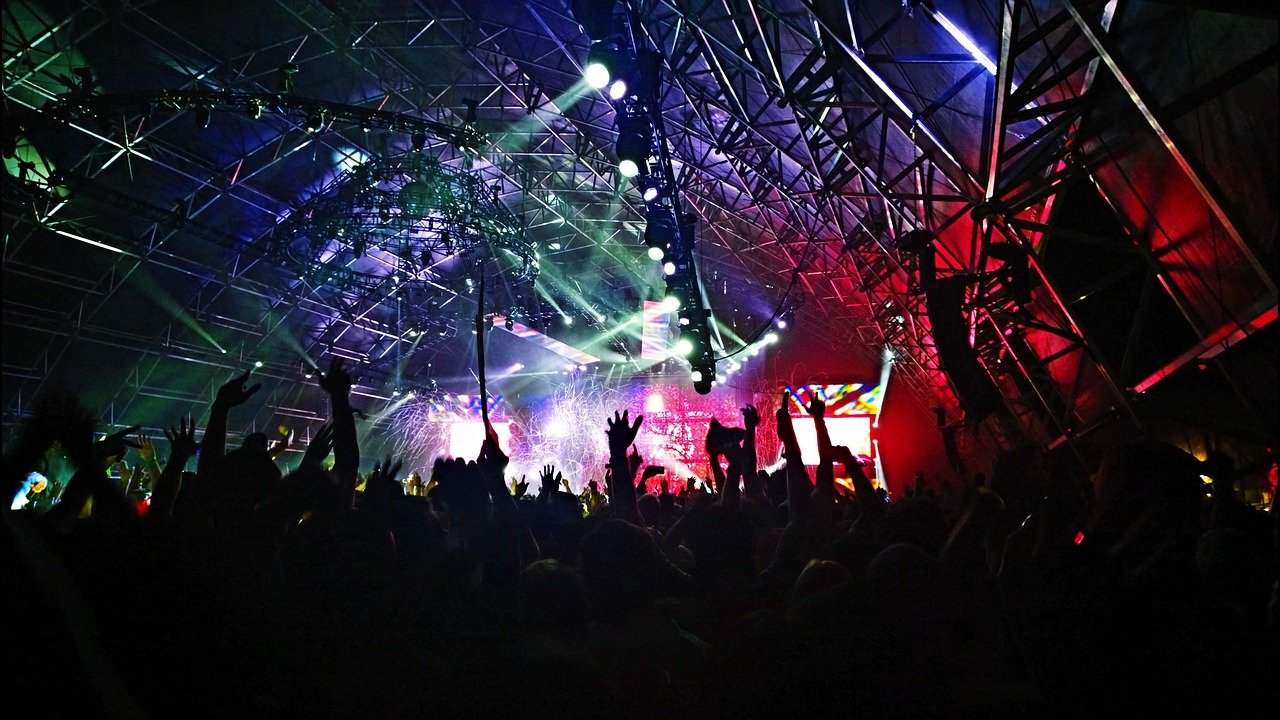
From ancient harvest rituals to modern-day music extravaganzas, festivals are a universal language of celebration, transcending borders and cultures. They are vibrant expressions of human connection, deeply embedded in our collective history and present. These temporary cities of joy, art, and community offer a unique escape from the everyday, inviting us to immerse ourselves in shared experiences, discover new passions, and create unforgettable memories. Whether you’re drawn to the pulsating beats of a global music festival, the exquisite flavors of a culinary gathering, or the profound cultural resonance of a traditional ceremony, festivals offer a window into the soul of humanity.
The Enduring Allure of Festivals: More Than Just Events
Festivals are more than just gatherings; they are powerful cultural phenomena that profoundly impact individuals and communities. They offer a unique blend of escapism, entertainment, and education, drawing millions worldwide annually.
A Tapestry of Human Experience
At their core, festivals tap into fundamental human desires for connection, celebration, and discovery. They provide a unique space for:
- Community Building: Bringing people together from diverse backgrounds to share common interests and create a sense of belonging.
- Cultural Exchange: Offering insights into different traditions, art forms, and ways of life, fostering understanding and empathy.
- Emotional Release and Joy: Providing an opportunity to let loose, dance, sing, and revel in pure unadulterated happiness.
- Shared Memories: Creating lasting moments that are often relived and cherished for years to come.
- Escapism and Novelty: Temporarily transporting attendees to a different reality, full of wonder and new experiences.
Actionable Takeaway: Seek out festivals that align with your personal values or curiosities to maximize your connection and enjoyment. Don’t just attend; participate!
Economic and Social Impact
The ripple effect of festivals extends far beyond the event grounds, significantly contributing to local and regional economies and strengthening social fabric.
- Economic Boost: Festivals drive tourism, create temporary and permanent jobs (event staff, vendors, artists), and generate revenue for local businesses (hotels, restaurants, transportation). For instance, the Notting Hill Carnival in London reportedly contributes around £100 million to the city’s economy annually.
- Brand Visibility and Destination Marketing: High-profile festivals put host cities and regions on the global map, attracting future tourism and investment.
- Cultural Preservation: Many traditional festivals play a crucial role in keeping historical customs, music, dance, and crafts alive for new generations.
- Social Cohesion: They provide a platform for community interaction, promoting local pride and fostering a sense of collective identity.
Practical Example: Consider the impact of the Edinburgh Fringe Festival, which transforms Scotland’s capital into a global arts hub for several weeks, generating millions in revenue and supporting countless local artists and service providers.
Diverse Types of Festivals: A World of Celebration
The world of festivals is incredibly diverse, catering to every taste and interest. Understanding the different categories can help you choose your next adventure.
Music Festivals: Rhythms That Unite
Music festivals are immersive experiences built around live performances from various artists, often spanning multiple genres and days. They are known for their vibrant atmospheres, impressive stage setups, and often, camping experiences.
- Examples: Glastonbury (UK), Coachella (USA), Tomorrowland (Belgium), Rock in Rio (Brazil).
- Key Features: Multiple stages, diverse lineups, art installations, food vendors, and a strong sense of collective energy.
- Actionable Takeaway: When attending a music festival, prioritize comfortable footwear, stay hydrated, and plan your schedule in advance to catch your must-see acts.
Food & Drink Festivals: A Gastronomic Journey
These festivals celebrate culinary excellence, local produce, and diverse food traditions. They are a paradise for foodies looking to sample new flavors, learn cooking techniques, and enjoy gourmet experiences.
- Examples: Taste of Chicago (USA), Oktoberfest (Germany – beer focus), Melbourne Food and Wine Festival (Australia), Bicol Culinary Festival (Philippines).
- Key Features: Food stalls, cooking demonstrations, tasting sessions, wine/beer pairings, and opportunities to meet renowned chefs.
- Practical Tip: Go with an open mind and an empty stomach! Try dishes you’ve never encountered before and engage with the vendors to learn about their craft.
Cultural & Religious Festivals: Honoring Heritage
Deeply rooted in history and tradition, these festivals are often annual celebrations marking significant religious events, historical milestones, or seasonal changes. They are rich in symbolism, rituals, and vibrant displays.
- Examples: Diwali (India – Festival of Lights), Carnival in Rio (Brazil), Chinese New Year, Day of the Dead (Mexico), Holi (India – Festival of Colors).
- Key Features: Parades, traditional costumes, specific rituals, storytelling, music, dance, and shared meals.
- Actionable Takeaway: Respect local customs and traditions when attending cultural or religious festivals. Research the significance of the event beforehand to fully appreciate its depth.
Arts & Literary Festivals: Celebrating Creativity
These festivals showcase human creativity across various mediums, from visual arts and performance to literature and film. They often include exhibitions, screenings, workshops, and discussions.
- Examples: Edinburgh Fringe Festival (Scotland), Venice Biennale (Italy), Sundance Film Festival (USA), Hay Festival (Wales).
- Key Features: Exhibitions, screenings, performances, readings, author talks, workshops, and opportunities for networking with artists and creators.
- Practical Tip: Check the program for interactive workshops or Q&A sessions. These can offer invaluable insights and unique experiences you won’t find elsewhere.
Planning Your Festival Adventure: Tips for Attendees
Attending a festival can be an incredible experience, but a little planning goes a long way in ensuring it’s smooth and enjoyable.
Research and Preparation are Key
Don’t just show up; prepare to fully immerse yourself in the festival experience.
- Tickets & Accommodation: Purchase tickets well in advance, especially for popular festivals. Book accommodation or secure camping spots early, as options can sell out quickly and prices can surge.
- Transportation: Plan your travel to and from the festival site. Consider public transport, carpooling, or shuttle services to reduce environmental impact and avoid parking hassles.
- What to Pack:
- Essentials: Comfortable shoes, weather-appropriate clothing (layers!), a reusable water bottle, portable charger, sunscreen, hat, and basic first-aid items.
- For camping festivals: Tent, sleeping bag, pillow, flashlight, biodegradable toiletries.
- Itinerary: Review the festival schedule and create a rough plan of acts or events you don’t want to miss. Be flexible, though, as spontaneity is part of the fun!
Practical Example: For a major event like Coachella, purchasing tickets the moment they go on sale (often a year in advance) and booking airfare/lodging simultaneously can save hundreds of dollars and prevent last-minute stress.
Health, Safety, and Sustainability
Your well-being and responsible attendance are paramount for a great festival experience.
- Stay Hydrated: Drink plenty of water, especially in warm weather or when physically active. Many festivals offer free water refill stations.
- Sun Protection: Use high SPF sunscreen, wear a hat, and seek shade when possible to prevent sunburn and heatstroke.
- Meeting Point: Establish a clear meeting point with friends in case you get separated, especially in crowded areas with poor cell service.
- Responsible Consumption: Pace yourself if consuming alcohol. Be aware of your surroundings and look out for your friends.
- “Leave No Trace” Philosophy: Dispose of your waste properly, use recycling bins, and consider bringing reusable items (cutlery, plates) to minimize your environmental footprint.
Actionable Takeaway: Prioritize your personal safety and comfort. A well-rested, hydrated, and prepared attendee is a happy attendee. Embrace sustainability by minimizing waste and respecting the environment.
The Art of Festival Organization: Behind the Scenes
Putting on a successful festival is a colossal undertaking that requires meticulous planning, coordination, and often, years of effort. It’s an intricate dance of logistics, creativity, and risk management.
Logistics and Infrastructure
From the ground up, festival organizers build temporary cities to host their events.
- Venue Selection & Permitting: Choosing the right location and securing all necessary permits and licenses from local authorities (health, safety, noise, traffic).
- Site Layout & Construction: Designing efficient layouts for stages, vendor areas, rest zones, medical tents, and ensuring proper infrastructure for power, water, and sanitation. This includes erecting temporary structures, fencing, and signage.
- Security & Crowd Management: Developing comprehensive security plans, staffing trained personnel, and implementing strategies for managing large crowds safely, including entry/exit points and emergency protocols.
- Waste Management: Implementing robust recycling and waste disposal systems to handle the significant amount of refuse generated by thousands of attendees.
- Vendor and Artist Management: Coordinating with hundreds of vendors, artists, and performers, managing contracts, schedules, and technical requirements.
Practical Example: A large-scale event like the Glastonbury Festival involves months of building temporary roads, power grids, sanitation facilities, and setting up over 100 stages and performance areas, essentially creating a small town for over 200,000 people.
Marketing and Engagement
Even the best festival needs to reach its audience effectively.
- Brand Development & Messaging: Crafting a unique identity and story for the festival that resonates with the target audience.
- Multi-Channel Marketing: Utilizing social media, email campaigns, traditional advertising, and PR to generate buzz and sell tickets. Early bird discounts and tiered ticket releases are common strategies.
- Sponsorships: Securing partnerships with brands that align with the festival’s values, providing crucial funding and enhancing attendee experiences.
- Audience Engagement: Creating interactive experiences, unique photo opportunities, and fostering a sense of community online and on-site to build loyalty.
Actionable Takeaway: For aspiring festival organizers, meticulous planning, a strong focus on safety, and innovative marketing are non-negotiable for success. Understand your audience and deliver an experience that exceeds expectations.
The Future of Festivals: Innovation and Evolution
The festival landscape is constantly evolving, driven by technological advancements, shifting audience demands, and a growing global consciousness towards sustainability and inclusivity.
Technology Integration
Technology is transforming every aspect of the festival experience, from ticketing to on-site engagement.
- Cashless Payments: RFID wristbands and mobile payment systems are becoming standard, offering convenience and enhanced security.
- Augmented Reality (AR) & Virtual Reality (VR): Offering immersive experiences, virtual tours, and even virtual attendance for those who cannot be physically present. Imagine a virtual stage allowing you to experience a festival from anywhere in the world.
- Smart Apps & Navigation: Festival-specific apps provide real-time schedules, interactive maps, friend-finder features, and emergency alerts.
- AI-Powered Insights: Data analytics helps organizers understand attendee behavior, optimize logistics, and personalize future experiences.
Practical Example: Festivals like DGTL have experimented with VR lounges and integrated smart energy grids, showcasing how technology can enhance both experience and sustainability.
Focus on Sustainability and Inclusivity
Modern festivals are increasingly prioritizing their environmental and social responsibilities.
- Zero-Waste Initiatives: Striving for minimal landfill waste through comprehensive recycling, composting, and the elimination of single-use plastics.
- Renewable Energy Sources: Powering stages and facilities with solar panels, wind turbines, or biodiesel generators to reduce carbon footprint.
- Local Sourcing: Prioritizing local food vendors and suppliers to support regional economies and reduce transportation emissions.
- Accessibility & Inclusivity: Ensuring festivals are accessible to people with disabilities, offering diverse programming, and creating safe, welcoming spaces for all attendees regardless of background or identity.
- Mental Health Support: Providing on-site resources and quiet zones for attendees who may need a break from sensory overload.
Actionable Takeaway: Support festivals that demonstrate a clear commitment to environmental stewardship and social responsibility. As attendees, we can contribute by reducing our waste, respecting others, and advocating for positive change.
Conclusion
Festivals are truly extraordinary phenomena – vibrant crossroads where culture, community, and creativity converge. They offer unparalleled opportunities for joy, discovery, and connection, leaving us with lasting memories and often a renewed sense of wonder. Whether you’re drawn to the electric energy of a music festival, the rich flavors of a food fair, or the profound traditions of a cultural celebration, there’s a festival out there waiting to ignite your spirit.
In a world that sometimes feels increasingly disconnected, festivals serve as powerful reminders of our shared humanity and our innate desire to celebrate life. So, plan your next adventure, embrace the unknown, and allow yourself to be swept away by the magic of festivals. You won’t just attend an event; you’ll embark on an unforgettable journey.