
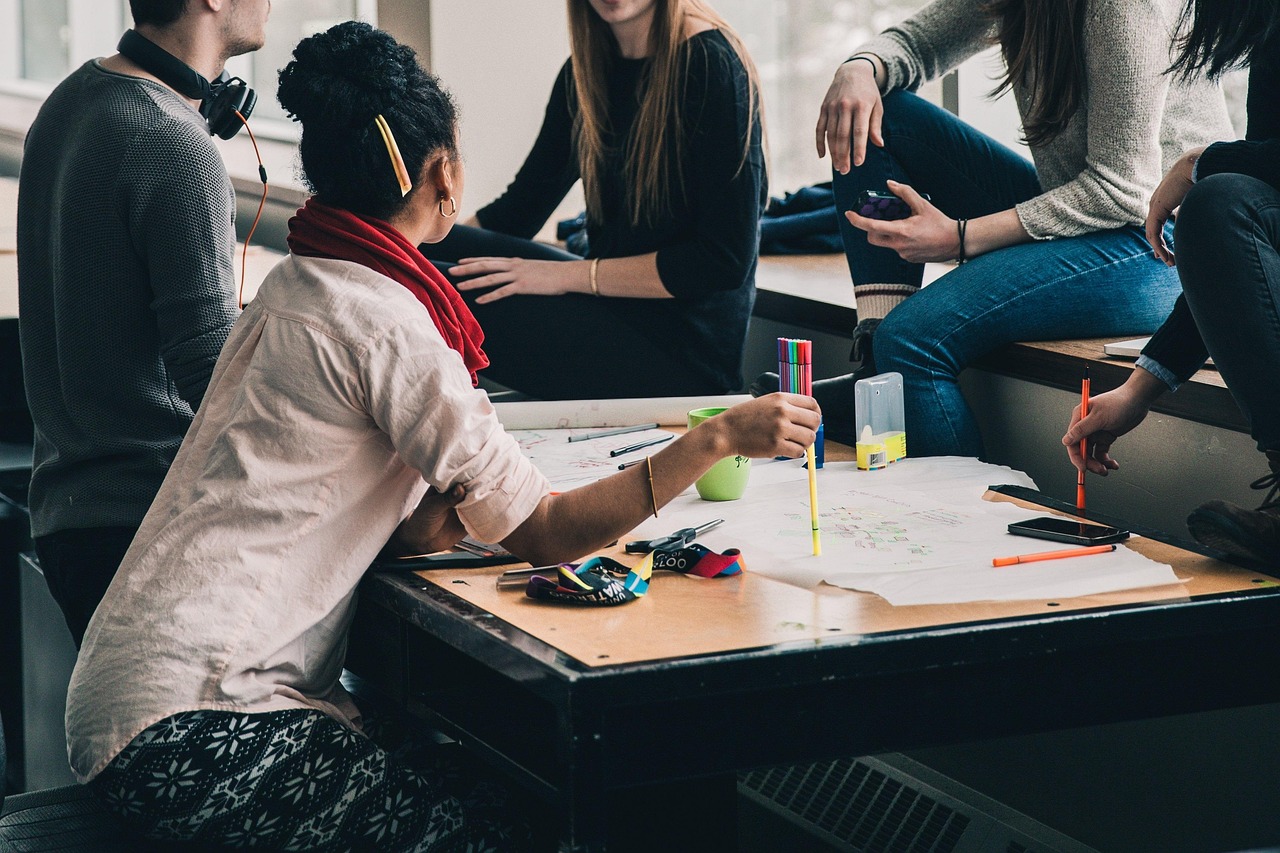
The classroom, often envisioned as merely four walls, a chalkboard, and rows of desks, has undergone a profound transformation. Far from being static containers, modern classrooms are dynamic, evolving ecosystems designed to inspire, engage, and facilitate a diverse range of learning experiences. They are the crucibles where curiosity is sparked, knowledge is forged, and future leaders are nurtured. Understanding the multifaceted role and design of these vital educational spaces is paramount in shaping effective and enriching learning journeys for every student.
The Evolving Landscape of Modern Classrooms
Gone are the days when a one-size-fits-all approach defined educational spaces. Today’s classrooms are being reimagined to meet the demands of 21st-century learning, focusing on adaptability, collaboration, and student-centered methodologies. This evolution is driven by research into learning science and the understanding that environments profoundly impact cognitive development and emotional well-being.
Beyond Rows and Desks: Flexible Learning Environments
Traditional rigid seating arrangements often hinder interaction and limit instructional strategies. Flexible learning environments, however, empower students with choice and comfort, leading to increased engagement and better learning outcomes.
- Benefits of Flexible Seating:
- Enhanced Engagement: Students choose seating that suits their learning style and task, promoting active participation.
- Improved Comfort: Varied options reduce discomfort and restlessness, allowing for longer periods of focused work.
- Fosters Collaboration: Easier reconfiguration of furniture encourages group work and peer interaction.
- Develops Self-Regulation: Students learn to make responsible choices about their learning environment.
- Practical Examples:
- Standing Desks: Offer an alternative to prolonged sitting, improving circulation and focus.
- Soft Seating Zones: Bean bags, cushions, or small couches create relaxed areas for reading or quiet individual work.
- Collaborative Tables: Large, easily movable tables support group projects and discussions.
- Wobble Stools & Exercise Balls: Provide subtle movement, which can be beneficial for students with high energy or attention needs.
- Actionable Takeaway: Start small by introducing a few flexible seating options and observe student preferences. Gradually expand based on feedback and effectiveness, focusing on creating zones for different activities (e.g., quiet work, collaboration, relaxation).
Technology Integration: Bridging the Digital Divide
Technology is no longer an add-on but an integral component of modern classrooms, transforming how students learn and teachers teach. Seamless integration ensures that digital tools enhance, rather than distract from, the core educational mission.
- Role of Technology:
- Interactive Whiteboards & Displays: Facilitate dynamic presentations, collaborative problem-solving, and access to digital resources.
- Tablets & Laptops: Enable personalized learning paths, research, content creation, and immediate access to information.
- Virtual Reality (VR) & Augmented Reality (AR): Offer immersive learning experiences, such as virtual field trips to ancient civilizations or exploring the human body in 3D.
- Learning Management Systems (LMS): Streamline assignment submission, communication, and access to course materials.
- Benefits of Integration:
- Enhanced Engagement: Interactive elements keep students more focused and interested.
- Personalized Learning: Adaptive software can tailor content to individual student paces and styles.
- Global Connectivity: Students can collaborate with peers worldwide and access vast resources.
- Skill Development: Prepares students for a technology-driven future by developing digital literacy and critical thinking.
- Actionable Takeaway: Equip classrooms with reliable Wi-Fi and power access. Invest in a mix of devices (e.g., a class set of tablets or laptops on a charging cart) and provide professional development for teachers on how to effectively integrate these tools into their curriculum, focusing on active learning rather than passive consumption.
Designing for Optimal Learning and Well-being
Beyond furniture and technology, the subtle elements of a classroom’s physical design can profoundly impact student mood, focus, and overall well-being. Thoughtful design principles consider sensory inputs and human psychology to create a conducive learning environment.
The Power of Light and Color
The amount and quality of light, along with the chosen color palette, play a crucial role in shaping a classroom’s atmosphere and influencing learning outcomes.
- Natural Light Benefits:
- Improved Focus & Alertness: Exposure to natural light helps regulate circadian rhythms, leading to better concentration.
- Enhanced Mood: Reduces symptoms of seasonal affective disorder and generally promotes a positive atmosphere.
- Reduced Eyestrain: Natural light is often less harsh than artificial light, making it easier on students’ eyes.
- Energy Efficiency: Maximizing natural light reduces the need for artificial lighting, saving costs. (Studies suggest classrooms with more natural light can see up to a 20-25% improvement in test scores.)
- Color Psychology in Learning Spaces:
- Blues & Greens: Often associated with calmness, tranquility, and concentration, ideal for quiet learning zones.
- Yellows & Oranges: Can stimulate creativity and enthusiasm, suitable for collaborative or creative areas, but should be used sparingly to avoid overstimulation.
- Neutral Tones (Grays, Beiges): Provide a stable backdrop that allows other elements (student work, vibrant learning materials) to stand out without creating visual clutter.
- Practical Examples: Large windows with adjustable blinds, strategic placement of desks to maximize daylight, using accent walls with calming colors, and avoiding overly bright or conflicting color schemes.
- Actionable Takeaway: Prioritize classrooms with ample natural light. Supplement with high-quality, dimmable LED lighting. Choose paint colors based on the desired mood for different zones, using neutrals as a primary base and adding splashes of color for specific functions.
Ergonomics and Comfort: Supporting Student Health
Students spend a significant portion of their day in classrooms. Ensuring their physical comfort and health through ergonomic design is vital for sustained attention and physical well-being.
- Importance of Adjustable Furniture:
- Proper Posture: Prevents slouching and back pain, which can detract from learning.
- Reduced Fatigue: Comfortable seating allows students to focus on lessons, not discomfort.
- Accommodates Diverse Sizes: Students of all heights and sizes can find a comfortable fit.
- Supports Special Needs: Adjustable features are crucial for students with mobility or sensory challenges.
- Ergonomic Considerations:
- Chairs that support the lower back and allow feet to be flat on the floor.
- Desks that are at an appropriate height, allowing forearms to rest comfortably.
- Options for standing or moving throughout the day.
- Minimized glare on screens and surfaces.
- Actionable Takeaway: Invest in adjustable chairs and desks where possible. Regularly assess furniture condition and suitability for the age group. Encourage short “brain breaks” or movement activities throughout the day to combat prolonged sitting.
Fostering Engagement and Collaboration
Modern educational pedagogy emphasizes active learning and collaboration. Classroom design can be a powerful tool in facilitating these interactions, moving beyond passive reception of information to dynamic co-creation of knowledge.
Creating Collaborative Zones
Designing specific areas within the classroom for group work encourages interaction, peer learning, and the development of essential social skills.
- Benefits of Group Work Areas:
- Enhances Communication Skills: Students learn to articulate ideas, listen, and negotiate.
- Promotes Problem-Solving: Complex tasks can be tackled more effectively through collective effort.
- Builds Community: Strengthens relationships among students and fosters a sense of shared responsibility.
- Differentiates Instruction: Allows teachers to assign varied group tasks based on skill levels and learning objectives.
- Practical Examples:
- Large Round or Trapezoid Tables: Facilitate face-to-face interaction and easy sharing of materials.
- Breakout Spaces: Small, semi-private nooks with comfortable seating for focused group discussions.
- Wall-Mounted Whiteboards/Glass Panels: Provide vertical surfaces for brainstorming and idea mapping.
- Movable Partitions: Create temporary separations for smaller group activities without permanent changes to the layout.
- Actionable Takeaway: Dedicate at least one area of the classroom to collaborative work, ensuring it has adequate space, resources (e.g., markers, paper), and is easily accessible. Rotate students through different roles within groups to develop diverse skills.
Personalization and Student Agency
Allowing students a degree of control over their learning environment fosters a sense of ownership, increases motivation, and makes the classroom feel like “theirs.”
- Impact of Student Agency:
- Increased Motivation: Students are more invested when they have a say in their surroundings.
- Enhanced Ownership: A personalized space encourages responsibility and respect for the environment.
- Improved Self-Expression: Allows students to showcase their individuality and creativity.
- Boosts Well-being: A comfortable and personalized space can reduce anxiety and promote a sense of belonging.
- Practical Examples:
- Student Artwork Displays: Regularly showcase student projects and artwork prominently.
- Choice of Seating: Offer different types of seating as discussed in flexible environments.
- Personalized Storage: Individual cubbies or bins that students can organize and label.
- Co-creation of Classroom Rules/Norms: Involving students in setting expectations for their shared space.
- Actionable Takeaway: Designate a bulletin board for student work. Involve students in decorating decision-making where appropriate. Encourage students to keep their personal learning areas tidy and organized, giving them a sense of control over their immediate space.
Safety, Accessibility, and Inclusivity in Classrooms
A truly effective learning environment is one where every student feels safe, respected, and has equal access to educational opportunities. These elements are non-negotiable foundations for any classroom.
Prioritizing Physical Safety and Security
Ensuring the physical safety of students and staff is paramount. Classrooms must be designed with emergency preparedness and everyday security in mind.
- Key Safety Considerations:
- Clear Pathways: Ensure all aisles and exits are unobstructed for quick evacuation.
- Emergency Exits: Clearly marked and easily accessible fire exits, with drills practiced regularly.
- Secure Entries: Classroom doors that can be locked from the inside, with clear visibility into the hallway.
- Chemical Storage: Secure and proper storage for any art supplies, cleaning agents, or science materials.
- Electrical Safety: Properly covered outlets, no overloaded circuits, and safe routing of cables to prevent tripping hazards.
- Actionable Takeaway: Regularly review and practice emergency protocols (fire, lockdown, severe weather). Conduct routine safety audits of the physical space to identify and mitigate potential hazards.
Designing for All: Accessibility and Inclusivity
An inclusive classroom is one where every student, regardless of their background, ability, or learning style, feels valued and can thrive. Accessibility is a key component of this.
- Accessibility Best Practices:
- ADA Compliance: Ensure ramps, wide doorways, and accessible restrooms are available throughout the school and classroom.
- Adjustable Furniture: Desks and chairs that can accommodate students using wheelchairs or with specific physical needs.
- Clear Visual Aids: Use large fonts, high contrast, and simplified graphics for students with visual impairments or learning disabilities.
- Sensory Considerations: Create quiet zones or sensory corners for students who may become overstimulated. Consider lighting and noise levels.
- Fostering Inclusivity:
- Diverse Representation: Display books, posters, and materials that reflect a wide range of cultures, backgrounds, and abilities.
- Welcoming Environment: Create a classroom culture where differences are celebrated, and all voices are heard and respected.
- Universal Design for Learning (UDL): Provide multiple means of engagement, representation, and action/expression to cater to diverse learning styles.
- Actionable Takeaway: Conduct an accessibility audit of your classroom. Incorporate diverse perspectives into learning materials and discussions. Train staff on inclusive teaching strategies and how to adapt the physical space to support all learners.
Conclusion
The modern classroom is far more than a physical space; it is a dynamic learning ecosystem meticulously designed to ignite curiosity, foster collaboration, and support the holistic development of every student. From embracing flexible seating and cutting-edge technology to optimizing natural light and ensuring comprehensive accessibility, thoughtful classroom design is a powerful pedagogical tool. By continually adapting our educational spaces to be engaging, inclusive, and safe, we empower students to not only learn but to thrive, preparing them for a future that demands adaptability, creativity, and critical thinking. Investing in the thoughtful creation of these environments is an investment in the future itself.