
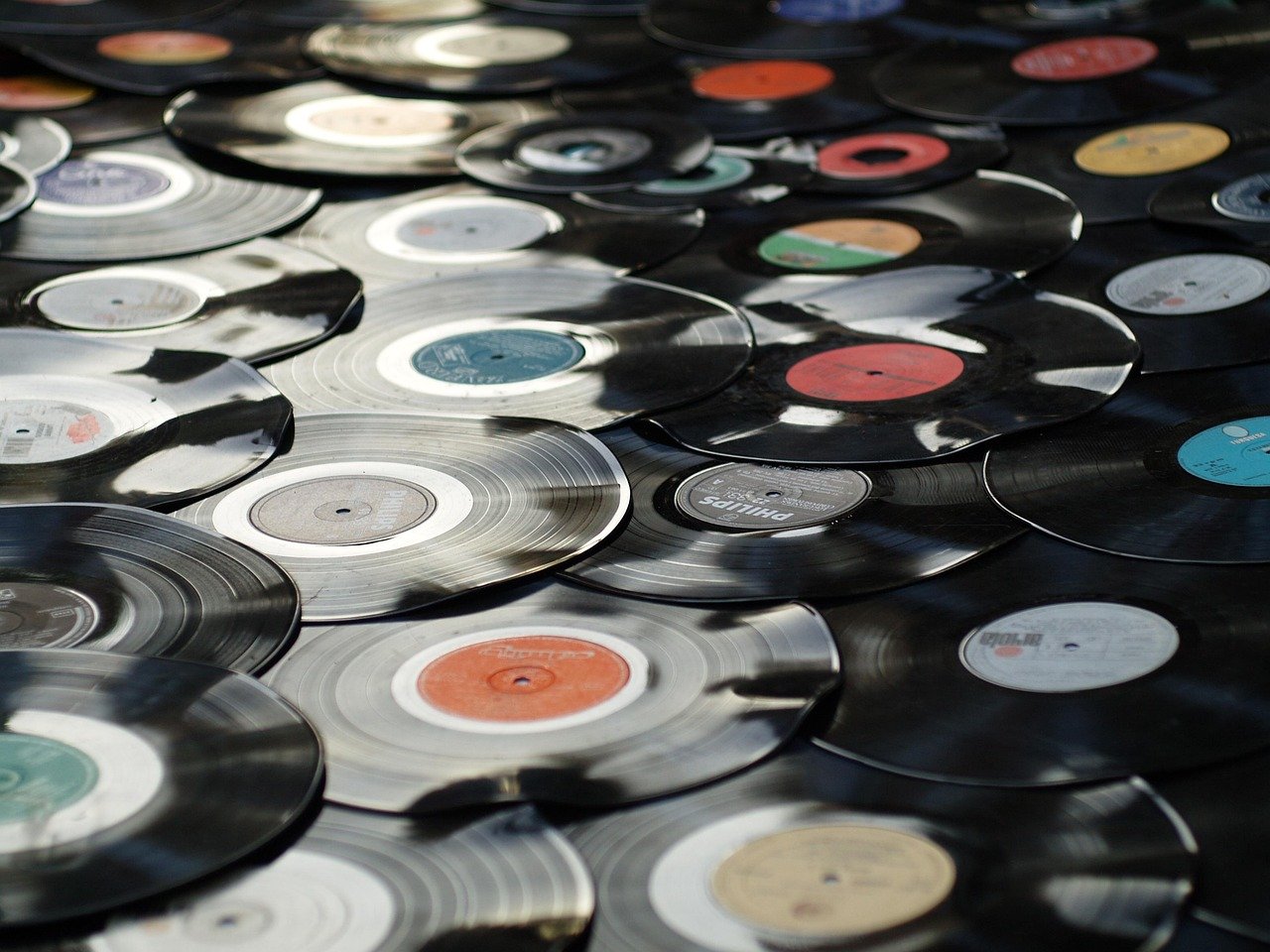
From the rhythmic heartbeat of ancient drums to the complex symphonies that stir our souls, and the pulsing beats that define modern culture, music is an omnipresent force in human existence. It transcends barriers of language, geography, and time, weaving itself into the very fabric of our lives. More than just sound, music is a profound form of expression, a catalyst for emotion, and a powerful tool for connection. This deep dive explores the multifaceted world of music, unraveling its history, its impact, and its ever-evolving future.
The Universal Language: Why Music Matters
Music’s unique ability to communicate beyond words makes it a true universal language. It speaks directly to our emotions, connects us to shared experiences, and plays a crucial role in cognitive development and well-being.
Emotional Resonance
One of music’s most profound impacts is its capacity to evoke and regulate emotions. A melancholic melody can validate sadness, while an upbeat rhythm can ignite joy or motivation. This isn’t just subjective; it’s a physiological response.
- Mood Enhancement: Listening to your favorite tracks can trigger the release of dopamine, a neurotransmitter associated with pleasure and reward, similar to the effects of food or exercise.
- Stress Reduction: Calming music, such as classical or ambient genres, can lower cortisol levels, reducing feelings of stress and anxiety. Studies have shown that listening to music before surgery can be more effective at reducing anxiety than sedative drugs.
- Expression and Catharsis: Music provides an outlet for expressing complex feelings that might be difficult to articulate otherwise, offering a sense of release and understanding.
Actionable Takeaway: Curate playlists for different moods or activities – a ‘focus’ playlist for work, an ‘energize’ playlist for workouts, or a ‘relax’ playlist for winding down.
Cultural Connector
Music is a cornerstone of cultural identity and a powerful medium for storytelling and social cohesion. It preserves history, celebrates traditions, and acts as a bridge between communities.
- Preserving Heritage: Folk music, traditional chants, and classical compositions often carry historical narratives, social values, and the collective memory of a people.
- Celebrating Diversity: Global music festivals, like WOMAD or Coachella, showcase the incredible diversity of musical traditions from around the world, fostering cross-cultural understanding and appreciation.
- Social Movements: Throughout history, music has been a potent force in social and political movements, unifying people and amplifying messages of protest, hope, and change. Think of the anthems of the Civil Rights movement or anti-war songs.
Actionable Takeaway: Explore music from different cultures and historical periods. You might discover new sounds and gain a deeper appreciation for global heritage.
Cognitive Benefits
Beyond emotional and cultural aspects, music offers significant cognitive advantages, impacting brain development, memory, and learning.
- Brain Development: Engaging with music, particularly learning an instrument, can enhance neuroplasticity, improving areas of the brain related to language, memory, motor skills, and spatial reasoning.
- Memory Enhancement: Music can serve as a powerful mnemonic device. Think of how jingles help us remember advertisements or how songs aid in learning the alphabet. It can also help recall autobiographical memories.
- Improved Focus and Learning: Background music, especially instrumental pieces, can help some individuals concentrate better and absorb information more effectively, making it a popular study aid.
Actionable Takeaway: Incorporate music into your daily routine not just for entertainment, but as a tool for cognitive enhancement – listen to classical music while studying or engage with complex musical pieces to challenge your brain.
The Evolution of Music: From Ancient Rhythms to Digital Soundscapes
The journey of music is a testament to human creativity and innovation, constantly adapting to new technologies and societal shifts.
Historical Roots and Early Instruments
Music predates written history, with its origins intertwined with human communication, ritual, and daily life. The earliest forms were likely vocalizations and rhythmic percussion.
- Ancient Discoveries: Archaeological finds, such as bone flutes dating back over 40,000 years, suggest music’s deep roots in prehistoric human societies.
- Early Civilizations: Ancient Egypt, Mesopotamia, China, and Greece developed sophisticated musical systems, instruments (harps, lyres, drums, wind instruments), and theories that influenced later musical traditions.
- Development of Harmony and Notation: The medieval period in Europe saw the emergence of polyphony and standardized musical notation, laying the groundwork for classical music.
Example: Gregorian chants, developed in the early medieval period, represent some of the earliest forms of standardized Western music.
Genre Diversification and Innovation
The past few centuries have witnessed an explosion of musical genres, each reflecting specific cultural contexts, technological advancements, and artistic movements.
- Classical Eras: From Baroque (Bach, Handel) to Classical (Mozart, Beethoven) and Romantic (Chopin, Tchaikovsky), these periods defined much of Western music’s structural and harmonic principles.
- Rise of Popular Music: The 20th century brought jazz, blues, rock and roll, folk, R&B, pop, hip-hop, electronic dance music (EDM), and countless sub-genres, driven by recording technology and mass media.
- Fusion and Experimentation: Contemporary artists continually push boundaries, blending genres and incorporating elements from diverse musical traditions to create entirely new sounds.
Actionable Takeaway: Step out of your comfort zone! Dedicate time to exploring a genre you’ve never listened to before, like obscure world music or avant-garde jazz.
The Digital Revolution’s Impact
The advent of digital technology fundamentally transformed how music is created, distributed, and consumed.
- Democratization of Creation: Digital Audio Workstations (DAWs) and affordable recording equipment have made music production accessible to a wider audience, empowering independent artists.
- Streaming Services: Platforms like Spotify, Apple Music, and YouTube have revolutionized music consumption, offering vast libraries of music on demand and introducing new discovery mechanisms through algorithms. In 2023, global recorded music revenue saw an impressive 10.2% growth, largely driven by streaming.
- Global Reach: Digital distribution allows artists to reach a worldwide audience instantly, breaking down geographical barriers and fostering a global music community.
Example: An independent artist in their bedroom can record, mix, and master a track and distribute it globally via platforms like DistroKid or TuneCore, reaching millions of potential listeners without a major label deal.
The Science Behind the Sound: How Music Affects Our Brains and Bodies
The intricate relationship between music and human physiology is a rapidly expanding field of scientific inquiry, revealing profound implications for health and well-being.
Neuroscience of Music
Research into how the brain processes music reveals a complex interplay of different regions, lighting up almost the entire brain.
- Reward System Activation: Listening to enjoyable music activates the brain’s reward system, releasing dopamine and creating pleasurable sensations, as mentioned earlier.
- Auditory Cortex Processing: The primary auditory cortex processes pitch, volume, and timbre, while other areas like the cerebellum are involved in rhythm and timing.
- Emotional Processing: The amygdala, hippocampus, and prefrontal cortex are crucial for processing the emotional content of music and connecting it to memories.
Example: Functional MRI (fMRI) scans show that when a person anticipates a favorite part of a song, their brain’s reward centers become highly active, even before the note is played.
Therapeutic Applications
Music’s powerful effects on the brain and body have led to its widespread use in clinical settings for various therapeutic purposes.
- Music Therapy: Certified music therapists use music interventions to address physical, emotional, cognitive, and social needs of individuals. This can include listening, singing, playing instruments, or composing.
- Pain Management: Music has been shown to reduce both acute and chronic pain by distracting patients, promoting relaxation, and influencing pain perception pathways in the brain.
- Neurological Rehabilitation: Rhythmic auditory stimulation (RAS) can help patients with Parkinson’s disease improve gait and balance, while melodic intonation therapy (MIT) aids stroke patients in recovering speech.
Actionable Takeaway: If you or a loved one are dealing with health challenges, consider exploring accredited music therapy programs as a complementary treatment.
Music and Productivity/Well-being
Leveraging music can significantly enhance daily tasks, improve focus, and contribute to overall mental well-being.
- Enhanced Focus: For many, instrumental music, lo-fi beats, or ambient sounds can create an ideal environment for deep work, blocking out distractions and improving concentration.
- Improved Sleep Quality: Calming music, white noise, or nature sounds can help induce relaxation, lower heart rate, and prepare the mind for sleep, leading to more restful nights.
- Motivation for Exercise: Upbeat, high-tempo music can increase endurance, reduce perceived exertion, and boost motivation during physical activity, making workouts more enjoyable and effective.
Actionable Takeaway: Experiment with different types of music for specific tasks. Create a ‘sleep’ playlist featuring binaural beats or gentle ambient sounds, or an ‘energize’ playlist for your morning routine.
The Business of Music: Artists, Industry, and Innovation
Behind every song, album, and concert is a complex ecosystem involving artists, producers, labels, distributors, and a constantly evolving business model.
Artist Development and Monetization
The path from creating music to making a living from it is multifaceted, involving various revenue streams and strategic choices.
- Traditional Income: Royalties from record sales (physical and digital), streaming, radio play, and public performances (e.g., in restaurants or bars).
- Live Performances: Concerts, tours, and festival appearances remain a crucial income source and a primary way for artists to connect with their fanbase.
- Merchandise and Licensing: Selling branded merchandise (t-shirts, vinyl) and licensing music for film, TV, advertising, or video games can provide significant revenue.
- Fan Engagement: Platforms like Patreon allow fans to directly support artists through subscriptions, fostering a more direct relationship.
Example: A band might earn a small per-stream royalty from Spotify, sell hundreds of tickets for a local show, move dozens of T-shirts at their merch booth, and license a song for a car commercial, all contributing to their livelihood.
The Role of Technology and Platforms
Technology continues to redefine how music reaches its audience and how artists manage their careers.
- Data Analytics: Streaming platforms provide artists and labels with detailed data on listener demographics, geographic reach, and popular tracks, informing marketing and touring decisions.
- Social Media Marketing: Platforms like TikTok, Instagram, and YouTube are indispensable for artists to build a following, promote new releases, and interact directly with fans.
- Emerging Technologies: Artificial intelligence (AI) in music production, blockchain for transparent royalty distribution, and virtual reality (VR) concerts are shaping the industry’s future.
Actionable Takeaway: Support artists directly! Buy their merchandise, attend their live shows, or subscribe to their Patreon accounts rather than solely relying on streaming services, which often offer low per-stream payouts.
Future Trends in the Music Industry
The music industry is dynamic, with innovation constantly driving new possibilities for creation, consumption, and monetization.
- Personalized Experiences: AI-driven recommendations will become even more sophisticated, offering hyper-personalized music discovery and even custom-generated soundscapes.
- Web3 and Blockchain: Non-fungible tokens (NFTs) could offer new avenues for artists to monetize their work, engage super-fans with exclusive content, and ensure transparent royalty payments.
- Immersive Audio: Technologies like spatial audio and virtual reality will create more immersive and interactive listening experiences, blurring the lines between listener and performer.
Example: Imagine attending a virtual concert in a metaverse platform where your avatar can interact with the artist and other fans, or owning a unique NFT that grants you exclusive access to an artist’s unreleased demos and private community.
Engaging with Music: From Passive Listener to Active Creator
Music offers endless opportunities for engagement, whether you’re deepening your appreciation or embarking on your own creative journey.
Active Listening Techniques
Moving beyond background noise, active listening involves conscious engagement with the music, unlocking deeper layers of enjoyment and understanding.
- Focus on Elements: Pay attention to individual instruments, the bassline, drum patterns, vocal harmonies, lyrics, or the overall arrangement.
- Analyze Structure: Identify verses, choruses, bridges, and solos. How does the song build and release tension?
- Emotional Connection: Reflect on how the music makes you feel and why. What memories or images does it evoke?
- Critical Engagement: Consider the production quality, the mixing, and the artist’s intent. What message are they trying to convey?
Actionable Takeaway: Choose a familiar song and listen to it through high-quality headphones, focusing intently on one instrument or vocal track at a time. You’ll likely discover details you’ve never noticed before.
Learning an Instrument or Singing
There’s a unique satisfaction in making music yourself. It’s a rewarding journey with numerous personal benefits.
- Skill Development: Learning an instrument enhances fine motor skills, coordination, discipline, and patience.
- Creative Outlet: It provides a powerful non-verbal means of self-expression and emotional release.
- Cognitive Boost: As mentioned earlier, playing music exercises various parts of the brain, improving memory, problem-solving, and multitasking abilities.
- Community and Connection: Joining a band, choir, or orchestra fosters social connections and teamwork.
Example: Many online platforms like Fender Play, Simply Piano, or Yousician offer structured lessons for beginners on guitar, piano, ukulele, and more, making it easier than ever to start learning at any age.
Music Production and DJing
For those interested in the technical and creative aspects of sound, music production and DJing offer exciting avenues.
- Music Production: This involves composing, arranging, recording, mixing, and mastering tracks using DAWs (e.g., Ableton Live, Logic Pro, FL Studio). It’s a blend of artistry and technical skill.
- DJing: The art of selecting and seamlessly mixing tracks to create a continuous flow of music for an audience, often involving beatmatching, scratching, and creative transitions.
- Sound Design: Creating unique sounds and textures for music, film, video games, or other media, often using synthesizers, field recordings, and digital manipulation.
Actionable Takeaway: Download a free DAW trial (like GarageBand for Mac users or a demo of a more professional software) and start experimenting. Watch some beginner tutorials on YouTube and try making your first simple beat or melody.
Conclusion
Music is far more than just sound waves reaching our ears; it’s a fundamental aspect of human experience, a testament to our creativity, and a powerful tool for connection, healing, and self-expression. From its ancient origins to its digital future, music continues to evolve, reflecting and shaping our world. Whether you’re a passive listener enjoying a favorite playlist, an active fan supporting artists, or an aspiring creator making your own sounds, the world of music offers endless avenues for engagement, discovery, and profound personal enrichment. Embrace the rhythm, listen deeply, and let music enrich your life in countless powerful ways.