
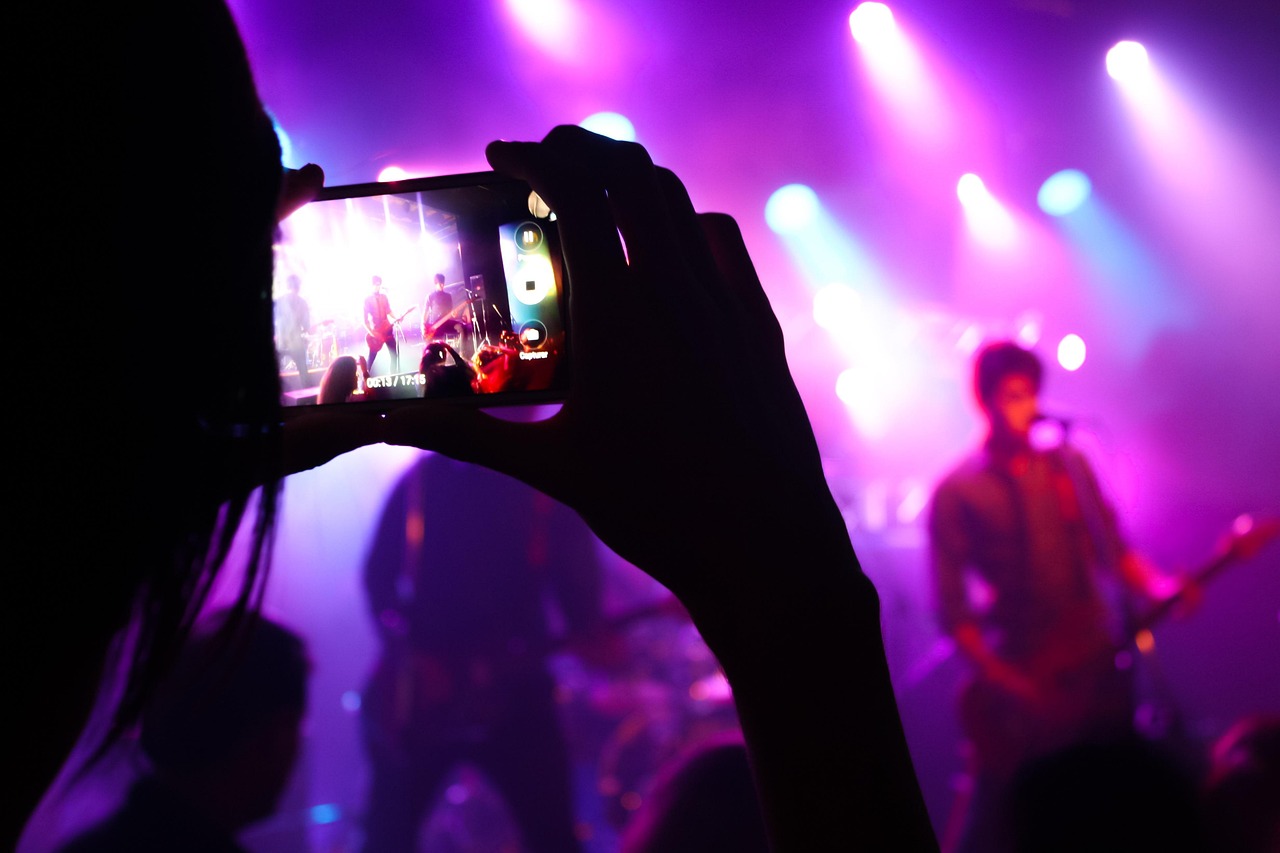
Pop culture is an omnipresent, ever-evolving force that shapes our daily lives in ways we often don’t even realize. From the catchy songs dominating radio waves and the binge-worthy shows on streaming platforms, to the fashion trends filling our social media feeds and the viral memes sparking global laughter, popular culture is the collective heartbeat of our modern world. It’s a dynamic tapestry woven from shared experiences, collective consciousness, and the stories we tell ourselves about who we are. Understanding pop culture isn’t just about knowing what’s “in”; it’s about grasping the subtle currents that define eras, influence identities, and drive societal change.
## The Ever-Shifting Landscape of Pop Culture
At its core, pop culture refers to the collection of ideas, perspectives, attitudes, images, and phenomena that are considered to be representative of a given culture, especially Western culture of the early to mid-20th century and beyond. It’s disseminated through mass media and appeals to a broad, often mainstream, audience. Far from being a trivial distraction, popular culture is a powerful barometer of societal values and aspirations.
### Defining Pop Culture: More Than Just “Popular”
While the term “popular” implies widespread acceptance, pop culture is much more nuanced. It encompasses a vast array of elements that define the contemporary zeitgeist:
- Music: Chart-topping hits, genres like pop, hip-hop, K-pop, and the artists who become global icons.
- Film & Television: Blockbuster movies, prestige TV series, reality TV, and streaming sensations that spark global conversations.
- Fashion: Runway trends adopted by the masses, streetwear, celebrity styles, and viral accessory crazes.
- Gaming: Major console and PC titles, esports, mobile gaming, and their dedicated fan communities.
- Internet & Social Media Trends: Memes, viral challenges, influencer culture, and the rapid spread of digital phenomena.
- Literature & Comics: Bestselling novels, graphic novels, and comic book universes that transcend their original medium.
- Food & Lifestyles: Trendy diets, specific coffee drinks, celebrity chefs, and aspirational living concepts.
These elements are characterized by their widespread appeal, mass media dissemination, and often, their transient nature, constantly evolving with new trends and technologies.
### Why Does Pop Culture Matter?
Understanding pop culture offers invaluable insights into the human condition and societal structures:
- Social Barometer: It reflects our hopes, fears, anxieties, and desires as a society.
- Shared Experiences: It provides a common ground for conversation, connection, and community building across diverse demographics.
- Identity Formation: It offers templates and inspiration for personal expression, helping individuals find their place and identity.
- Economic Driver: It fuels multi-billion dollar industries, from entertainment to merchandising.
Actionable Takeaway: To truly grasp the pulse of our times, pay attention to what’s trending and critically consider why it resonates with so many.
## A Brief History: From Niche to Global Phenomenon
The concept of “popular culture” as we know it today is relatively modern, largely tied to the rise of mass media and industrialization. Its evolution mirrors the technological and social advancements that have made global dissemination possible.
### Early Roots: The Dawn of Mass Media
Before the 20th century, culture was often divided into “high culture” (art, opera, classical literature) and folk culture (local traditions, songs, stories). The industrial revolution and new technologies began to bridge this gap:
- 19th Century: Penny dreadfuls, dime novels, vaudeville shows, and popular newspapers brought entertainment to the masses.
- Early 20th Century:
- Radio: Introduced nationwide programming, creating shared listening experiences.
- Early Cinema: Hollywood films became a global entertainment force, creating the first movie stars.
- Comics: Comic strips and later comic books provided accessible and engaging narratives.
Example: The Golden Age of Hollywood in the 1930s and 40s, with its larger-than-life stars and iconic film genres, was a foundational period for modern pop culture.
### Post-War Boom: The Rise of Youth Culture
The post-World War II era saw unprecedented economic growth and the emergence of distinct youth cultures, becoming a powerful consumer demographic:
- 1950s:
- Rock and Roll: Artists like Elvis Presley became symbols of rebellion and youth identity.
- Television: Became a staple in American homes, shaping family life and consumer habits.
- Advertising: Targeted specific demographics, amplifying trends.
- 1960s-1980s: The counterculture movement, disco, punk, MTV, and the explosion of music videos further solidified the connection between media, fashion, and youth identity. Beatlemania is a prime example of a global pop culture phenomenon driven by music and media.
### The Digital Revolution: Accelerating Trends
The late 20th and early 21st centuries ushered in the digital age, dramatically transforming how pop culture is created, consumed, and disseminated:
- Internet & World Wide Web (1990s): Led to early online communities and file-sharing, challenging traditional media gatekeepers.
- Social Media (2000s-Present): Platforms like MySpace, Facebook, Twitter, Instagram, TikTok, and YouTube turned everyone into a potential creator and broadcaster.
- Streaming Services: Netflix, Spotify, Disney+, and others revolutionized content consumption, leading to “binge-watching” and hyper-personalized recommendations.
- Globalization: The internet facilitated the rapid spread of cultural trends across borders, leading to phenomena like the global rise of K-Pop (e.g., BTS, BLACKPINK) and anime.
Actionable Takeaway: Recognize how technological advancements have continually reshaped and accelerated the lifecycle of pop culture trends. The past informs the present.
## The Profound Impact of Pop Culture on Society
Pop culture is not merely a reflection of society; it actively influences and shapes our values, behaviors, and understanding of the world. Its impact spans individual identity to global economics.
### Shaping Identity and Community
Pop culture provides narratives, symbols, and communities that help individuals explore and express their identities:
- Subcultures & Fandoms: From Goths and Punks to anime fans (otaku) and gaming communities, pop culture fosters deep connections based on shared interests. These groups provide belonging and a sense of identity.
- Personal Expression: Fashion choices, musical tastes, and even conversational slang (e.g., “OK boomer,” “rizz”) are heavily influenced by pop culture, allowing individuals to signal their affiliations and express themselves.
- Role Models: Celebrities, fictional characters, and influencers often serve as aspirational figures, impacting aspirations, style, and even career choices.
Example: The global phenomenon of cosplay, where fans dress as characters from manga, anime, video games, or comics, demonstrates the deep connection between pop culture and personal identity and community building.
### Driving Social Change and Dialogue
Pop culture often serves as a powerful medium for social commentary and driving progressive change:
- Representation: Diverse representation in film, television, and music can challenge stereotypes, promote inclusivity, and normalize marginalized experiences. The success of films like “Black Panther” (2018) highlighted the demand for diverse storytelling.
- Political Commentary: Satirical TV shows (e.g., “The Daily Show”), protest songs, and even viral memes can offer sharp critiques of political figures and societal issues, sparking debate and awareness.
- Challenging Norms: Stories that push boundaries regarding gender, sexuality, race, or class (e.g., “Pose,” “Transparent”) contribute to shifting societal perspectives and fostering empathy.
Statistic: A 2019 study by USC Annenberg found that top films and TV shows were slowly improving in representation, though significant disparities remained, highlighting the ongoing impact and need for pop culture to lead in social dialogue.
### Economic Powerhouse: The Billion-Dollar Industry
The global pop culture industry is a massive economic engine, driving innovation, employment, and consumer spending:
- Media Empires: Companies like Disney, Warner Bros. Discovery, and Netflix are vast conglomerates built on creating and distributing pop culture content across various platforms.
- Merchandising & Franchises: Hugely successful franchises (e.g., Marvel Cinematic Universe, Harry Potter, Star Wars) generate billions through movies, TV shows, video games, toys, apparel, theme park attractions, and more.
- Tourism & Events: Pop culture drives tourism to film locations, conventions (e.g., Comic-Con), music festivals (e.g., Coachella), and celebrity-endorsed destinations.
Actionable Takeaway: Recognize that your consumption habits (what you watch, listen to, buy) contribute directly to this powerful industry and can influence its future direction. Support content that aligns with your values.
## Pop Culture: A Two-Way Mirror
Pop culture uniquely functions as both a reflection of the society that creates it and a powerful force that shapes that society in return. It’s a dynamic interplay between collective consciousness and cultural influence.
### Reflecting Societal Values and Anxieties
What becomes popular often reveals what’s on the collective mind:
- Current Events & Geopolitics: Dystopian fiction often surges in popularity during times of political uncertainty or environmental concern (e.g., “The Handmaid’s Tale” or “Don’t Look Up”).
- Economic Climate: During recessions, escapist fantasies or nostalgic content often gain traction as people seek solace. Conversely, during booms, more adventurous and experimental content might thrive.
- Social Movements: The rise of strong female protagonists in film and TV often mirrors ongoing feminist movements (e.g., Katniss Everdeen from “The Hunger Games”).
Example: The popularity of true-crime documentaries and podcasts reflects a societal fascination with justice, morality, and the darker aspects of human nature, often mirroring public anxieties about crime and safety.
### Influencing and Shaping Our World
Beyond reflection, pop culture actively moulds our perspectives, language, and behavior:
- Language Evolution: Popular phrases, slang, and memes from TV shows, movies, or social media quickly enter everyday lexicon (e.g., “YOLO,” “Netflix and chill,” “Karen”).
- Behavioral Norms: Portrayals of relationships, work-life balance, or success in media can subtly influence aspirations and accepted social behaviors. Influencer culture, for instance, sets trends not just in fashion but in lifestyle.
- Aspirations and Dreams: Stories of rags-to-riches, entrepreneurial success, or adventurous travel can inspire individuals to pursue similar paths, even if unrealistic.
Actionable Takeaway: Practice critical media literacy. Instead of passively consuming, ask yourself: “What values or messages is this piece of pop culture conveying, and why might it be popular right now?”
## Engaging with Pop Culture in the Digital Age
In today’s hyper-connected world, engaging with pop culture goes far beyond simple consumption. The digital age empowers individuals to participate, create, and critically analyze the cultural phenomena around them.
### Critical Consumption: Beyond the Hype
With an endless stream of content, developing critical consumption skills is vital:
- Media Literacy: Understand how media is produced, distributed, and funded. Recognize biases, agendas, and the commercial interests behind content.
- Diverse Perspectives: Actively seek out content from a variety of creators, cultures, and viewpoints. Don’t limit yourself to what algorithms recommend.
- Question Narratives: Analyze the underlying messages, stereotypes, and values presented in popular media. Does it reinforce harmful tropes, or does it offer fresh perspectives?
- Fact-Checking: Especially with social media trends and viral content, verify information before sharing or internalizing it.
Practical Tip: Before sharing a viral post or adopting a new trend, pause and consider its source, its potential implications, and whether it genuinely aligns with your values. Seek out reputable critics and cultural commentators to deepen your understanding.
### Participation and Creation: From Passive to Active
The digital age has democratized content creation, allowing anyone to contribute to the pop culture landscape:
- Fan Fiction & Fan Art: Engaging creatively with existing universes, building communities around shared passions.
- User-Generated Content (UGC): Creating TikTok videos, YouTube tutorials, podcasts, or blogs that contribute to ongoing cultural conversations.
- Online Discussions & Forums: Participating in thoughtful debates and analyses of popular media, sharing insights, and learning from others.
- Developing Skills: Learning video editing, graphic design, writing, or photography to create your own pop culture-inspired content.
Example: The rise of “stan” culture, where dedicated fans organize online campaigns, create content, and actively promote their idols, showcases the power of participatory pop culture. Similarly, the open-source nature of many internet memes means their evolution is a collective creative effort.
Actionable Takeaway: Don’t just consume; contribute. Whether it’s through a thoughtful comment, a creative piece of fan art, or even starting your own niche blog, active participation enriches your understanding and shapes the culture around you.
## Conclusion
Pop culture is an intricate and vibrant force, far more than just ephemeral entertainment. It’s the dynamic interplay of shared stories, global trends, and collective experiences that mirrors our society and simultaneously propels it forward. From its nascent forms in early mass media to its hyper-accelerated state in the digital age, pop culture has consistently shaped identities, driven economic growth, and fostered crucial social dialogue. Engaging with it critically, understanding its historical roots, and participating actively allows us to not only appreciate its depth but also to consciously influence the cultural tapestry we all share. As technology continues to evolve, so too will pop culture, remaining an indispensable lens through which we can understand ourselves and the ever-changing world around us.