
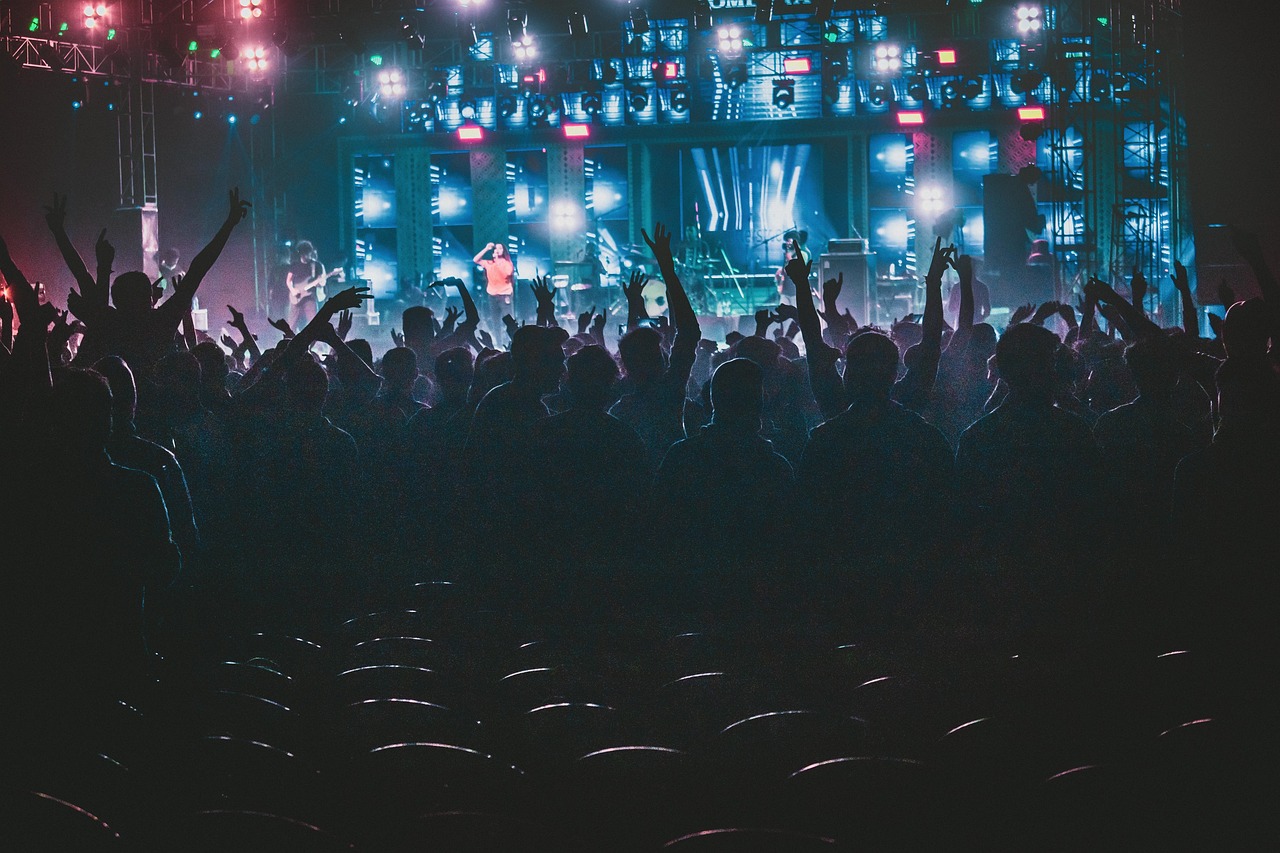
From the catchy tunes dominating the radio waves to the blockbuster films sparking global conversations, and the fashion trends gracing runways and street corners alike, pop culture is the vibrant, ever-evolving tapestry of our shared human experience. It’s more than just fleeting entertainment; it’s a powerful force that shapes our perceptions, influences our values, and often defines the very era in which we live. Understanding pop culture isn’t just about staying current; it’s about gaining insights into societal shifts, collective desires, and the intricate ways media and trends impact our daily lives. Dive in as we explore the dynamic world of popular culture, dissecting its components, influence, and future.
The Anatomy of Pop Culture: What Defines It?
Popular culture, often simply called “pop culture,” encompasses the ideas, perspectives, attitudes, images, and other phenomena that are deemed mainstream within a given society. It is the collective taste and preferences that are widely adopted by the general populace, influencing everything from daily conversations to significant cultural shifts.
Evolution Through Media and Technology
The definition and reach of pop culture have dramatically expanded with advancements in media and technology. What began as trends spread by word of mouth or print now proliferates globally in an instant.
- Early Broadcast Era: Radio and television were initial game-changers, allowing music, shows, and news to reach millions simultaneously. Think of Elvis Presley’s rise or the widespread impact of “The Ed Sullivan Show.”
- Digital Revolution: The internet and social media platforms like YouTube, TikTok, and Instagram have accelerated trend cycles, making pop culture more democratic and participatory. Anyone can become an influencer, and viral content can emerge from anywhere.
- Streaming Services: Platforms like Netflix, Spotify, and Disney+ have fragmented viewership but also created global communities around specific shows or artists, dissolving geographical barriers.
Actionable Takeaway: To truly grasp pop culture, observe not just what is popular, but how it becomes popular. The medium often dictates the message and its reach.
Key Components of Popular Culture
Pop culture isn’t a single entity but a rich blend of various elements that captivate public attention.
- Entertainment: Movies, TV shows, music, video games, and literature that achieve widespread appeal. Examples include the Marvel Cinematic Universe, global music sensations like BTS, and gaming phenomena like Fortnite.
- Fashion and Trends: Clothing styles, hairstyles, accessories, and aesthetic movements that define an era. Consider the grunge look of the 90s or the current resurgence of Y2K fashion.
- Celebrity Culture: The fascination with public figures – actors, musicians, athletes, and internet personalities – whose lives and opinions often influence their followers. The Kardashians, for instance, have built an empire on celebrity influence.
- Social Media Phenomena: Memes, viral challenges, trending topics, and specific online language that shape digital communication and interactions.
- Sports and Lifestyle: Major sporting events like the Super Bowl or the Olympics, and popular lifestyle choices like wellness trends or specific food fads.
Actionable Takeaway: Analyze pop culture through its diverse components. Understanding how these elements intersect provides a clearer picture of current societal interests and values.
The Power of Influence: How Pop Culture Shapes Society
Pop culture is not merely a reflection of society; it’s an active participant in shaping it. Its influence permeates our daily lives, from the words we use to the political discourse we engage in.
Shaping Social Norms and Values
Through storytelling, character portrayal, and the celebration of certain lifestyles, pop culture can subtly—or overtly—redefine what is considered acceptable, aspirational, or even “normal.”
- Representation Matters: Shows like “Black-ish” or “Pose” have pushed for greater diversity and nuanced portrayals of various communities, influencing public perception and fostering empathy. Studies show that diverse representation in media can significantly reduce prejudice.
- Language and Slang: Viral phrases, new terminology from movies or music lyrics, and internet slang quickly enter everyday vocabulary, reflecting evolving communication styles. Think of terms like “cancel culture” or “OK boomer.”
- Consumer Behavior: Product placements, celebrity endorsements, and brand sponsorships within popular media directly influence purchasing decisions and define lifestyle aspirations. The “Barbiecore” trend following the “Barbie” movie is a prime example.
Actionable Takeaway: Be critical consumers of pop culture. Recognize how media narratives can influence your own perceptions and challenge the status quo when necessary.
Driving Economic and Creative Industries
Pop culture is a massive economic engine, driving innovation and employment across numerous sectors.
- Entertainment Industry Growth: The global entertainment and media market is projected to reach over $2.6 trillion by 2027, fueled by demand for new content. This includes film production, music streaming, gaming development, and publishing.
- Merchandising and Licensing: Franchises like Star Wars, Harry Potter, or Disney generate billions through merchandise, theme parks, and licensing deals, demonstrating the powerful commercial extension of popular stories and characters.
- Fashion and Design: Popular trends dictate textile production, fashion shows, and marketing strategies, creating a fast-paced, high-stakes industry that responds directly to popular demand.
Actionable Takeaway: For businesses, understanding pop culture trends is crucial for effective marketing, product development, and tapping into new revenue streams. For individuals, recognize the economic power structure behind your favorite content.
Pop Culture as a Mirror: Reflecting and Challenging Our World
While influencing society, pop culture also serves as a powerful mirror, reflecting the prevailing anxieties, hopes, and debates within a community. It offers a unique lens through which to understand our collective consciousness.
Social Commentary and Critique
Many popular works intentionally (or unintentionally) engage with pressing social and political issues, offering commentary, critique, or even a call to action.
- Political Satire: Shows like “Saturday Night Live” or late-night talk shows often provide comedic yet sharp commentary on current political events, helping audiences process complex issues.
- Addressing Systemic Issues: Series like “The Handmaid’s Tale” explore dystopian futures to critique contemporary patriarchal structures, while films like “Parasite” delve into class inequality with profound impact.
- Cultural Debates: Pop culture can spark significant public discourse on topics such as gender identity, environmental concerns, or mental health, bringing niche discussions into the mainstream.
Actionable Takeaway: Engage with pop culture as a dialogue. Ask yourself: What message is this piece of media conveying about our society? What problems is it highlighting or ignoring?
Identity, Belonging, and Subcultures
Pop culture is instrumental in how individuals form their identities and find communities, often creating distinct subcultures around shared interests.
- Fandom as Community: From K-pop stans to Comic-Con attendees, fan cultures provide a sense of belonging, shared passion, and collective identity that transcends geographical boundaries.
- Affirming Identities: Media that authentically represents marginalized groups can be profoundly validating for individuals, helping them see themselves reflected and valued. For example, the success of “Black Panther” resonated deeply with African diaspora communities.
- Subculture Expression: Pop culture trends often emerge from subcultures – punk, hip-hop, gaming culture – before being adopted by the mainstream, offering avenues for niche self-expression.
Actionable Takeaway: Explore diverse pop culture offerings to broaden your perspective and understand different communities. Recognize how shared cultural touchstones build bridges between people.
Navigating the Digital Age: Pop Culture in the Internet Era
The internet has fundamentally transformed the creation, dissemination, and consumption of pop culture, making it more global, instantaneous, and participatory than ever before.
The Rise of Viral Content and Global Trends
The digital landscape allows content to spread across continents in a matter of hours, creating global trends and phenomena with unprecedented speed.
- Memes and Challenges: Short, shareable, and often humorous content like memes and TikTok challenges become global cultural currency, fostering shared experiences across diverse audiences.
- Instant Global Feedback: Social media provides immediate public reaction to new movies, music, or fashion, influencing subsequent content creation and marketing strategies.
- Democratization of Content: User-generated content platforms have empowered everyday individuals to create viral content, challenging traditional media gatekeepers. Think of the meteoric rise of artists discovered on YouTube or TikTok.
Actionable Takeaway: Understand the power of digital platforms in shaping pop culture. To stay relevant, engage with these platforms and observe what resonates with digital audiences.
Fan Culture and Community Engagement
The internet has supercharged fan culture, allowing enthusiasts to connect, create, and influence their favorite content in profound ways.
- Interactive Fandom: Fans actively participate through fan fiction, fan art, online forums, and social media discussions, often influencing plotlines, character development, or even product design.
- Creator-Audience Relationship: Digital creators and celebrities often have direct, unmediated communication with their audience, fostering stronger bonds and a sense of loyalty. Live streams and Q&A sessions are common examples.
- Crowdfunding and Support: Fans can directly fund projects or support creators through platforms like Patreon, enabling independent artists to thrive outside traditional industry structures.
Actionable Takeaway: For content creators, embracing and engaging with your fan base digitally is vital for building loyalty and extending the life of your content. For fans, harness these platforms to connect and contribute meaningfully.
The Future of Pop Culture: Trends and Trajectories
Pop culture is a constantly moving target, continuously evolving with technological advancements, societal shifts, and creative innovations. Predicting its future involves understanding emerging trends.
Immersive Experiences and New Technologies
New technologies are paving the way for more immersive and personalized pop culture experiences.
- Virtual and Augmented Reality: VR/AR are set to transform gaming, live concerts, and interactive storytelling, offering deeper levels of immersion. Imagine attending a virtual concert with your favorite artist or exploring a movie set in AR.
- AI in Content Creation: Artificial intelligence is increasingly used in music composition, scriptwriting, and visual effects, potentially democratizing creation further but also raising ethical questions about originality.
- Metaverse Integration: The burgeoning metaverse promises interconnected virtual worlds where users can consume, create, and interact with pop culture in entirely new ways, from digital fashion to virtual events.
Actionable Takeaway: Keep an eye on technological advancements. Early adoption or understanding of new platforms like VR/AR could be key to shaping or participating in future pop culture trends.
Globalization and Hyper-Personalization
The future of pop culture will likely be characterized by a fascinating duality: increasing global convergence alongside extreme personalization.
- Global Convergence: K-pop, Nollywood films, and anime are examples of non-Western pop culture gaining massive global appeal, leading to a more diverse and interconnected global cultural landscape. Cultural exchange will only intensify.
- Algorithmic Personalization: Streaming services and social media algorithms will continue to refine their ability to deliver content tailored precisely to individual preferences, potentially creating “filter bubbles” of highly personalized pop culture consumption.
- Niche Dominance: While blockbuster hits will persist, the ability to find and consume ultra-niche content means that “popular” may no longer mean “universally loved,” but rather “loved by a highly engaged specific audience.”
Actionable Takeaway: Embrace cultural diversity in your pop culture consumption. Simultaneously, be aware of how algorithms shape your feeds and actively seek out content beyond your personalized recommendations to broaden your horizons.
Conclusion
Pop culture is far more than just fleeting entertainment; it’s a dynamic, influential force that mirrors our society, shapes our values, drives economic growth, and fosters connection. From the stories we tell to the trends we follow, it’s a constant dialogue between the individual and the collective, a vibrant reflection of who we are and who we aspire to be. As we venture further into the digital age, pop culture will only become more integrated into our lives, offering increasingly immersive and personalized experiences while continuing to spark global conversations. By understanding its mechanisms and critically engaging with its content, we can better navigate our world, appreciate our shared humanity, and even help shape the cultural landscape of tomorrow.