
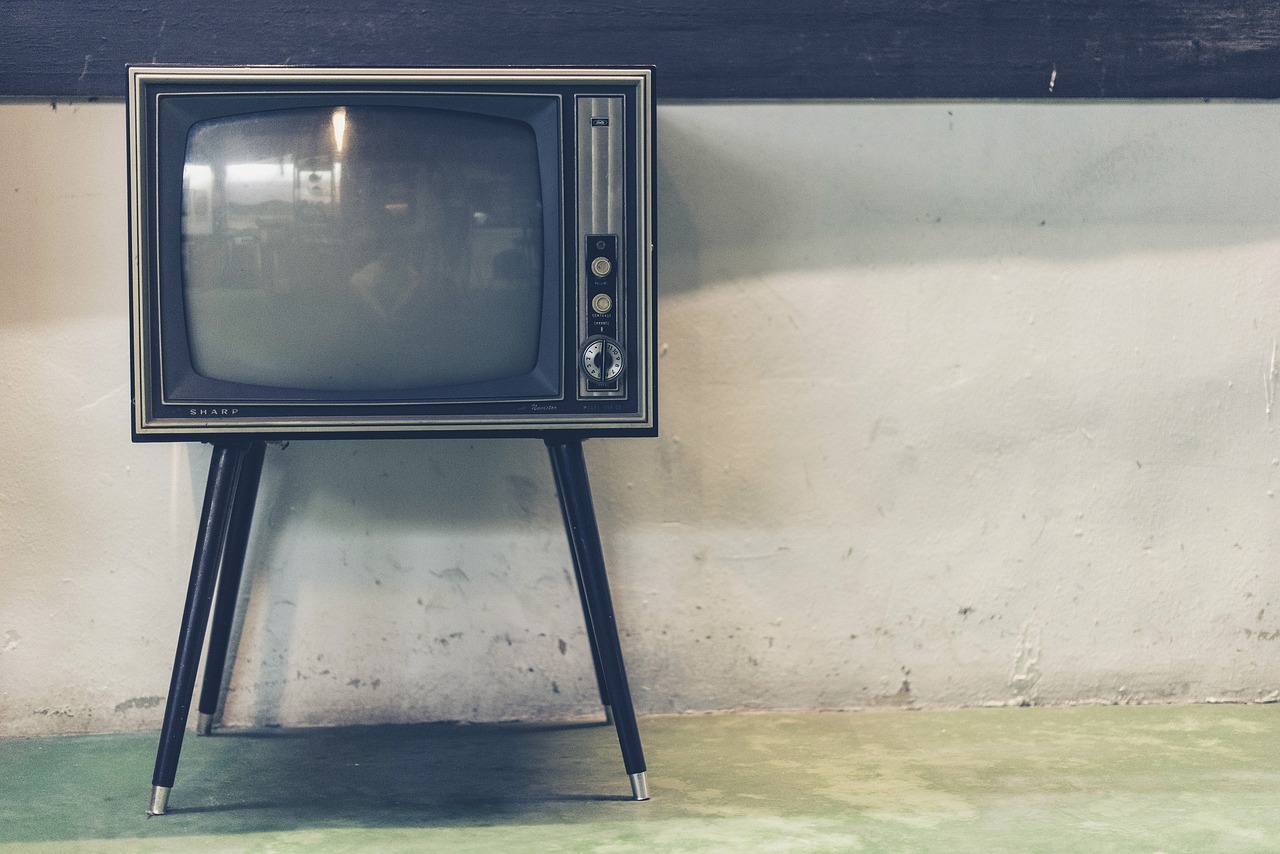
Once considered mere background noise or a simpler form of entertainment, television shows have blossomed into a global cultural phenomenon. From gripping dramas that spark worldwide conversations to comedic masterpieces that define generations, the small screen has truly become the new canvas for some of the most profound and engaging storytelling of our time. This blog post delves into the transformative power of TV shows, exploring their evolution, cultural impact, the burgeoning streaming landscape, the intricate craft behind their production, and how you can maximize your viewing experience in this golden age of television.
The Evolution of Television Storytelling
The journey of television shows has been nothing short of revolutionary. What started as primarily episodic content with self-contained stories now embraces complex, serialized narratives that demand deep viewer engagement and reward long-term commitment.
From Episodic to Cinematic Masterpieces
- In its early days, television primarily featured procedural dramas and sitcoms where each episode offered a fresh start, requiring minimal prior knowledge. Think of classic shows like I Love Lucy or Bon Voyage, which aimed for broad appeal and easily digestible narratives.
- The late 20th and early 21st centuries ushered in a paradigm shift. Shows like The Sopranos and The Wire pioneered serialized storytelling, focusing on intricate character development, multi-season arcs, and moral ambiguity. This approach treated television more like a long-form novel, allowing for unparalleled depth.
- Today, this trend continues with shows like Succession and Ozark, where every episode builds on a sprawling narrative tapestry, drawing viewers deeper into meticulously crafted worlds and character journeys.
The Rise of High Production Value
Modern television boasts budgets and production quality that rival feature films, blurring the lines between the two mediums. This investment is evident in various aspects:
- Stunning Cinematography: Shows like Game of Thrones and The Crown demonstrate breathtaking visuals, intricate set pieces, and on-location shooting across the globe, elevating the aesthetic standard for TV.
- Sophisticated Special Effects: Advances in CGI and practical effects allow for fantastical worlds and intense action sequences that were once exclusive to blockbuster movies, as seen in hits like Stranger Things and The Mandalorian.
- Top-Tier Talent: Renowned film directors, writers, and actors are increasingly drawn to television, recognizing it as a vibrant medium for ambitious projects. This influx of talent further enhances the quality and prestige of TV productions.
Actionable Takeaway: Take a moment to appreciate the artistry and craftsmanship behind your favorite shows. Observe the camera work, the set design, and the subtle character development that make these series truly exceptional.
The Cultural Impact of TV Shows
Television is more than just entertainment; it’s a powerful mirror reflecting and shaping societal conversations, forging communities, and influencing global perspectives.
Shaping Societal Conversations
TV shows have an unparalleled ability to bring complex social issues into living rooms worldwide, sparking dialogue and fostering understanding:
- Raising Awareness: Series like When They See Us brought critical attention to racial injustice and judicial bias, while Chernobyl educated millions about the devastating human and environmental costs of nuclear disaster.
- Challenging Norms: Shows like Pose and Transparent have been instrumental in increasing LGBTQ+ visibility and representation, offering nuanced portrayals that foster empathy and break down stereotypes.
- Political and Social Commentary: Dystopian narratives like The Handmaid’s Tale offer stark warnings and commentaries on real-world political landscapes, prompting viewers to think critically about freedom and control.
Building Global Communities: Fandoms
The shared experience of watching a beloved TV series often extends far beyond the final credits, creating vibrant global communities:
- Online Forums and Social Media: Platforms like Reddit, Twitter, and dedicated fan sites become hubs for discussion, theory crafting, and reaction sharing. The active fandoms of shows like Sherlock or Attack on Titan exemplify this global interconnectedness.
- Conventions and Events: Fan conventions, whether in-person or virtual, allow viewers to connect with creators and fellow fans, celebrating their shared passion. Comic-Con and various ‘Con’ events are testaments to the power of collective TV enthusiasm.
- Merchandise and Spin-offs: The cultural impact also manifests in a thriving market for merchandise, books, podcasts, and even spin-off series, demonstrating the deep emotional investment viewers have in their favorite fictional worlds.
Actionable Takeaway: After watching a particularly impactful show, seek out online discussions or podcasts about it. Engaging with diverse perspectives can deepen your appreciation and understanding of the themes presented.
Navigating the Streaming Ecosystem
The proliferation of streaming services has transformed how we consume television, offering unprecedented choice but also posing new challenges for discovery and subscription management.
The Proliferation of Platforms
The streaming landscape is a vast and ever-expanding universe, each platform vying for viewer attention with exclusive content:
- Major Players: Giants like Netflix, HBO Max, Disney+, Amazon Prime Video, and Hulu dominate the market, each boasting extensive libraries and critically acclaimed originals.
- Niche and Specialty Services: Beyond the big names, numerous services cater to specific tastes, such as Shudder (horror), BritBox (British TV), or anime-focused platforms, ensuring almost every genre has a dedicated home.
- Benefits: This fragmentation offers unparalleled choice, allowing viewers to access content on demand, anytime, anywhere.
- Drawbacks: The downside includes subscription fatigue, where costs accumulate, and content fragmentation, making it harder to find all your desired shows on a single platform.
Discovering Your Next Binge-Watch
With thousands of titles available, finding your next must-watch series can feel overwhelming. Here are strategies to navigate the sea of content:
- Algorithmic Recommendations: Streaming services use sophisticated algorithms based on your viewing history. While convenient, they can sometimes trap you in a “recommendation bubble.”
- Leverage Curated Lists and Reviews:
- Consult reputable critics and entertainment websites (e.g., Rotten Tomatoes, Metacritic, Variety, The Hollywood Reporter) for their top picks and in-depth reviews.
- Look for “best of” lists tailored to specific genres or themes.
- Word-of-Mouth and Social Media: Often, the best recommendations come from friends, family, or trending discussions on social media platforms. Pay attention to what people are genuinely excited about.
- Utilize Aggregator Apps: Apps like JustWatch or Reelgood allow you to search for shows across multiple streaming services and see where they are available, simplifying the discovery process.
Actionable Takeaway: To avoid subscription fatigue, consider rotating your streaming services monthly or quarterly. Focus on platforms with shows you’re actively watching, then switch to a new one for fresh content.
Behind the Scenes: The Art and Science of TV Production
A truly great TV show is a symphony of creative talents, where meticulous planning meets artistic vision. Understanding the craft behind the screen enhances appreciation for the final product.
The Power of Scriptwriting
At the heart of every compelling series is a strong script. The writers’ room is where worlds are built, characters are sculpted, and narratives are painstakingly constructed.
- Compelling Narratives: Showrunners like Shonda Rhimes (Grey’s Anatomy, Scandal) and Vince Gilligan (Breaking Bad) are renowned for their ability to craft intricate plots, surprising twists, and emotionally resonant storylines that keep audiences hooked.
- Character Development: Good writing ensures characters evolve, face moral dilemmas, and feel authentic. The transformation of Walter White in Breaking Bad is a prime example of character writing mastery.
- Dialogue and Subtext: The words spoken, and often the unsaid, reveal character motivations and relationships. Sharp, witty, or profound dialogue elevates a show significantly.
Directing, Cinematography, and Score
These elements bring the script to life, transforming written words into a visual and auditory experience.
- Visual Storytelling: Directors and cinematographers use camera angles, lighting, and composition to convey mood, themes, and character perspectives. The distinct visual styles of shows like Euphoria or Mindhunter are integral to their identity.
- Immersive Sound Design: Beyond dialogue and music, sound effects are crucial for world-building and immersion. The chilling silence in a horror scene or the bustling ambiance of a city street can make or break a show’s realism.
- Impactful Musical Scores: A powerful score can amplify emotion, foreshadow events, and become iconic in its own right (e.g., the opening theme of Succession or the score of The Queen’s Gambit).
The Craft of Acting and Ensemble Casts
Even the best scripts and direction need talented actors to breathe life into the characters.
- Transformative Performances: Actors like Sarah Snook (Succession), Brian Cox (Succession), or Anya Taylor-Joy (The Queen’s Gambit) deliver performances that are so compelling they become synonymous with their roles.
- Ensemble Chemistry: Many of the greatest shows rely on the dynamic interplay and believable relationships between an entire cast, where the collective performance is greater than the sum of its parts (e.g., Friends, The Office).
- Casting Directors: These unsung heroes play a vital role in finding the perfect actors whose talents align with the vision of the showrunners and writers.
Actionable Takeaway: Next time you watch a show, pay attention not just to the plot, but also to the technical aspects. Notice how the music makes you feel, how the camera moves, and how the actors convey emotion without words. This deep dive will enrich your viewing.
Optimizing Your Viewing Experience and Engaging with Fandoms
To truly embrace the golden age of television, optimize your setup and actively engage with the content and its community.
Enhancing Your Home Viewing Setup
A few upgrades can significantly improve your immersion and enjoyment of TV shows:
- Picture Quality:
- 4K HDR TV: If your budget allows, invest in a 4K HDR (High Dynamic Range) television. HDR offers incredible contrast and a wider spectrum of colors, making visuals pop.
- OLED vs. QLED: Consider OLED for perfect blacks and infinite contrast, or QLED for brighter images and better performance in well-lit rooms.
- Calibration: Many TVs come with default settings that aren’t optimal. Look up professional calibration settings for your specific TV model online to get the best picture.
- Audio Experience:
- Soundbar: A good soundbar can dramatically improve dialogue clarity and provide a more immersive soundstage than built-in TV speakers.
- Surround Sound System: For true cinematic audio, a 5.1 or 7.1 surround sound system creates a dynamic audio environment, essential for action-packed series or dramas with intricate sound design.
- Comfort and Ambiance: Ensure comfortable seating, control ambient light, and minimize distractions for an uninterrupted viewing experience.
Deepening Your Engagement with Shows
Beyond passive viewing, there are many ways to actively engage with your favorite TV shows:
- Join Online Communities: Participate in discussions on dedicated subreddits (e.g., r/television, or show-specific subreddits), fan forums, or social media groups. Share theories, insights, and reactions.
- Listen to Companion Podcasts: Many popular shows have official or fan-created podcasts that offer episode recaps, interviews with cast and crew, and deeper analyses of themes and plot points.
- Explore Behind-the-Scenes Content: Look for “making of” documentaries, interviews, and blooper reels. Many streaming services include these extras, providing valuable insights into the production process.
- Attend Virtual or In-Person Fan Events: Engage with creators and fellow fans at Q&A sessions, panels, and conventions, fostering a deeper connection to the series.
Actionable Takeaway: Even small tweaks like adjusting your TV’s picture settings can make a difference. After that, pick one show you love and seek out a dedicated fan community or companion podcast to truly immerse yourself.
Conclusion
From its humble beginnings to its current status as a powerhouse of compelling narratives and cinematic artistry, the TV show has undergone a profound evolution. It stands today not just as a source of entertainment, but as a vital cultural force, shaping conversations, building global communities, and pushing the boundaries of storytelling. With an ever-expanding universe of streaming options and a continuous influx of groundbreaking productions, the future of television promises even more innovation and captivating content. So, settle in, explore the vast landscape of available series, and allow yourself to be transported by the magic of the small screen – a truly golden age awaits every discerning viewer.