
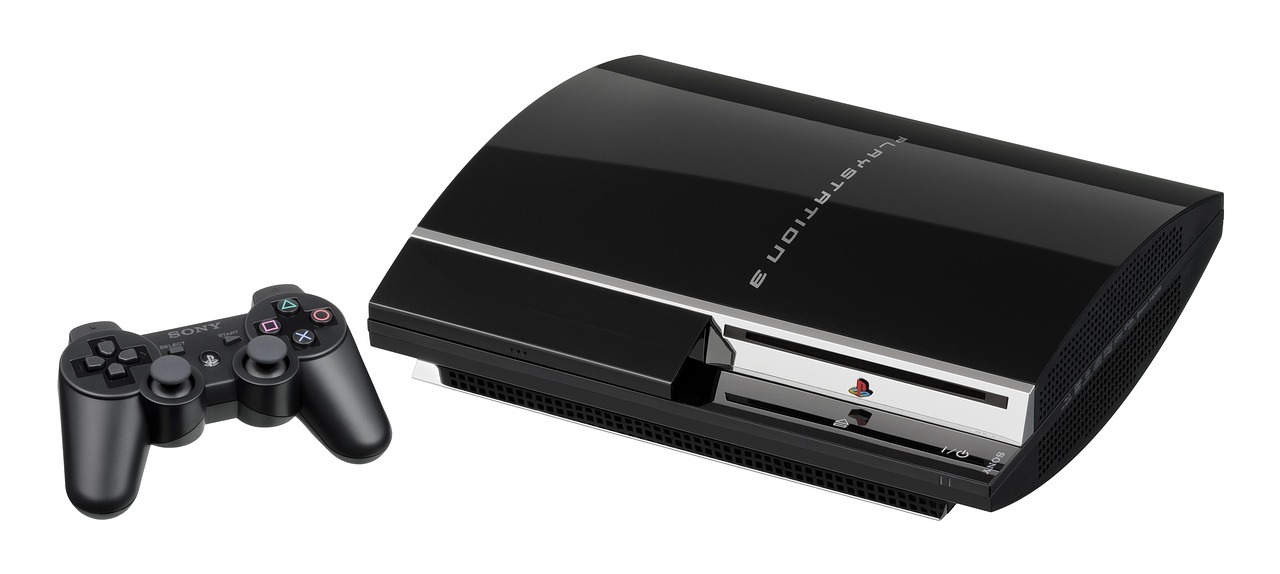
From the nostalgic glow of arcade cabinets to the immersive worlds rendered in stunning 4K, gaming has transcended its origins as a niche hobby to become a global cultural phenomenon. It’s a universe of boundless creativity, complex challenges, and deep social connections, continuously evolving and redefining the boundaries of interactive entertainment. Whether you’re a casual mobile player, a dedicated console enthusiast, or an aspiring esports professional, the world of gaming offers something for everyone, promising not just entertainment but often a path to skill development, community, and even career opportunities.
The Evolution of Gaming: From Pixels to Photorealism
Gaming’s journey has been nothing short of spectacular, reflecting rapid advancements in technology and creative vision. What began as simple pixelated experiences has blossomed into a multi-billion dollar industry producing visually stunning and emotionally resonant interactive art forms.
Early Beginnings: The Birth of Digital Play
The dawn of gaming was marked by pioneering engineers and enthusiasts crafting rudimentary digital games. These early innovations laid the groundwork for the industry we know today.
- Arcade Era: Titles like Pong (1972), Space Invaders (1978), and Pac-Man (1980) captivated audiences, establishing the arcade as a social hub for competitive play.
- First Home Consoles: The Magnavox Odyssey (1972) and later the Atari 2600 (1977) brought gaming into living rooms, making titles like Pitfall! and Asteroids household names.
- The NES Revolution: Nintendo’s Famicom/NES (1983/1985) revitalized the industry after the 1983 video game crash, introducing iconic franchises like Super Mario Bros. and The Legend of Zelda, which defined platforming and adventure genres.
Actionable Takeaway: Explore classic games through emulators or re-releases to appreciate the foundations of modern gaming and how core mechanics have persisted.
The Rise of 3D, Online Multiplayer, and Modern Gaming
The mid-90s marked a pivotal shift with the advent of 3D graphics and the burgeoning internet, dramatically expanding gaming’s scope.
- 3D Revolution: Consoles like the Sony PlayStation (1994) and Nintendo 64 (1996) introduced fully 3D worlds with games like Super Mario 64 and Final Fantasy VII, offering unprecedented immersion.
- Online Multiplayer: PC gaming, fueled by titles like Doom, Quake, and later World of Warcraft (2004), pioneered online multiplayer, connecting players globally. Console online play gained traction with Xbox Live (2002).
- Mobile & Cloud Gaming: The 21st century brought mobile gaming (e.g., Angry Birds, Genshin Impact) to the forefront, making gaming ubiquitous. Cloud gaming services like Xbox Game Pass Ultimate and GeForce NOW promise access to high-fidelity games without powerful local hardware.
Actionable Takeaway: Dive into a massively multiplayer online (MMO) game or experiment with a cloud gaming service to experience the cutting edge of connectivity and accessibility.
Beyond Entertainment: The Cognitive & Social Benefits of Gaming
While often seen purely as entertainment, extensive research highlights the significant cognitive and social advantages that gaming can offer when approached mindfully.
Brain Boosters: Sharpening Cognitive Skills
Many games are intricate puzzles disguised as adventures, demanding quick thinking and strategic planning.
- Problem-Solving & Critical Thinking: Strategy games like Civilization or puzzle games like Portal require players to devise complex plans, adapt to changing scenarios, and think several steps ahead.
- Improved Reflexes & Hand-Eye Coordination: Fast-paced action games (e.g., first-person shooters like Call of Duty) and rhythm games (e.g., Beat Saber) demand rapid reaction times and precise motor control.
- Enhanced Memory & Attention: Role-playing games (RPGs) often involve memorizing lore, character abilities, and quest objectives, while competitive games necessitate tracking multiple elements simultaneously. A study published in Molecular Psychiatry suggests certain games can even improve working memory.
Practical Example: Playing a real-time strategy game for 30 minutes a day can improve your ability to multitask and make quick decisions under pressure.
Actionable Takeaway: Choose games that challenge different cognitive areas – try a puzzle game for logic, an FPS for reflexes, or an RPG for memory and narrative engagement.
Social Connections & Community Building
Gaming is no longer a solitary activity; it’s a powerful tool for forging connections and building communities.
- Teamwork & Communication: Multiplayer games like League of Legends, Overwatch, or Apex Legends necessitate effective communication, coordination, and strategic teamwork to achieve victory.
- Online Friendships & Support: Gaming communities provide spaces for players with shared interests to connect, form lasting friendships, and even find emotional support. Dedicated platforms like Discord serve as hubs for these communities.
- Cross-Cultural Interaction: Online gaming transcends geographical boundaries, allowing players to interact with people from diverse backgrounds and cultures, fostering global understanding.
Practical Example: Joining a guild or clan in an MMORPG provides a structured environment for social interaction, shared goals, and developing leadership skills.
Actionable Takeaway: Actively engage with your online gaming communities. Participate in voice chat, help new players, and join community events to maximize social benefits.
Navigating the Gaming Landscape: Genres, Platforms, and Accessibility
With an overwhelming array of choices, understanding the different facets of the gaming world can help you find your perfect play experience.
Popular Game Genres: Finding Your Niche
Games are categorized into genres based on their gameplay mechanics, themes, and objectives. Exploring different genres can broaden your gaming horizons.
- Role-Playing Games (RPGs): Focus on character development, narrative, and exploration (e.g., The Witcher 3: Wild Hunt, Final Fantasy XIV).
- First-Person Shooters (FPS): Emphasize combat from a first-person perspective (e.g., Doom Eternal, Valorant).
- Strategy Games: Require tactical decision-making and resource management (e.g., StarCraft II, XCOM 2).
- Adventure Games: Focus on exploration, puzzle-solving, and story (e.g., Uncharted 4, Life is Strange).
- Simulation Games: Mimic real-world activities or systems (e.g., The Sims 4, Microsoft Flight Simulator).
- Indie Games: Often created by smaller teams, known for innovation and unique experiences (e.g., Hades, Stardew Valley).
Practical Example: If you enjoy deep storytelling and character progression, an RPG might be perfect. If you prefer competitive action and quick reflexes, an FPS could be your choice.
Actionable Takeaway: Don’t stick to just one genre. Try a highly-rated game from a genre you’ve never explored to discover new preferences.
Choosing Your Platform: Where to Play
Gaming is available across numerous platforms, each with its unique advantages and disadvantages.
- PC Gaming: Offers the most graphical fidelity, customization, vast game libraries (Steam, Epic Games Store), and often competitive pricing for games. Requires a significant initial investment for high-end rigs.
- Console Gaming (PlayStation, Xbox, Nintendo Switch): Provides a curated, plug-and-play experience, exclusive titles, and strong community features. Consoles are generally more affordable upfront than high-end PCs.
- Mobile Gaming: Extremely accessible on smartphones and tablets, with a massive library of free-to-play and premium titles. Perfect for casual gaming on the go.
- Cloud Gaming: Services like GeForce NOW and Xbox Cloud Gaming allow you to stream games over the internet, reducing hardware requirements but demanding a stable, fast internet connection.
Practical Example: A family looking for shared gaming experiences might opt for a Nintendo Switch due to its local multiplayer focus and unique games. A competitive player might prefer a high-refresh-rate PC setup for peak performance.
Actionable Takeaway: Consider your budget, desired game types, and play style before investing in a new platform. Many games are multi-platform, allowing you to choose where you play.
The Business of Play: Esports, Streaming, and Industry Impact
Gaming has evolved far beyond a hobby; it’s a legitimate entertainment industry with professional leagues, massive spectator events, and a vibrant creator economy.
The Rise of Esports: Professional Gaming
Competitive video gaming, or esports, has exploded into a global phenomenon, mirroring traditional sports in scale and spectacle.
- Professional Leagues & Tournaments: Games like League of Legends, Dota 2, CS:GO, and Fortnite host international tournaments with multi-million dollar prize pools. The 2023 League of Legends World Championship had a peak viewership of over 6.4 million.
- Athlete Status: Professional gamers train rigorously, employ coaches, and live disciplined lifestyles to compete at the highest levels, earning salaries, sponsorships, and prize money.
- Growing Audience: Esports events fill arenas, are broadcast on major streaming platforms, and attract millions of viewers globally, demonstrating gaming’s appeal as a spectator sport.
Practical Example: Major esports organizations like TSM or Fnatic manage teams across multiple games, scout talent, and participate in global competitions, providing career paths for talented players.
Actionable Takeaway: Watch a professional esports match on Twitch or YouTube to experience the excitement and competitive depth of high-level gaming. You might find a new team to root for!
Content Creation & Streaming: Building Personal Brands
The rise of platforms like Twitch and YouTube has enabled gamers to turn their passion into content creation careers, building massive audiences and personal brands.
- Live Streaming: Streamers broadcast their gameplay, interact with chat, and build communities in real-time. Popular streamers can earn significant income through subscriptions, donations, and sponsorships.
- Video Creation: YouTubers create edited gameplay highlights, tutorials, reviews, and commentary, attracting viewers interested in specific games or creators’ personalities.
- Community & Interaction: Content creators foster direct relationships with their audience, creating engaging and interactive entertainment experiences that differ from traditional media.
Practical Example: A streamer might play a new release, offer comedic commentary, and answer questions from viewers, building a loyal following who return for daily interactions.
Actionable Takeaway: If you’re passionate about a game, consider starting a small stream or creating short video clips. It’s a great way to connect with others and share your enthusiasm.
Responsible Gaming: Tips for a Healthy Balance
While gaming offers immense benefits, maintaining a healthy balance is crucial to ensure it remains a positive force in your life.
Time Management & Breaks: Setting Healthy Limits
Consciously managing your gaming time prevents it from negatively impacting other aspects of your life.
- Set Time Limits: Decide beforehand how long you’ll play and stick to it. Use in-game timers or external alarms.
- Regular Breaks: Implement the “20-20-20 rule” – every 20 minutes, look at something 20 feet away for 20 seconds to reduce eye strain. Stand up, stretch, and move around every hour.
- Prioritize Other Activities: Ensure gaming doesn’t overshadow responsibilities like work/school, exercise, sleep, social interaction, and hobbies.
Practical Example: If you plan a 2-hour gaming session, schedule a 10-minute break in the middle to grab a drink, stretch, or do a quick chore.
Actionable Takeaway: Use your console’s or PC’s built-in parental controls/screen time limits to help enforce healthy gaming schedules for yourself or family members.
Online Etiquette & Safety: Navigating Digital Spaces
Online gaming involves interacting with others, making good etiquette and safety practices essential.
- Be Respectful: Avoid toxicity, harassment, and cheating. Treat other players as you would like to be treated.
- Protect Personal Information: Never share real-world personal details (address, phone number, financial information) with strangers online.
- Use Privacy Settings: Configure your console or game’s privacy settings to control who can contact you and see your activity.
- Report Misconduct: Most games have reporting features for abusive behavior. Use them to help maintain a positive community.
Practical Example: If you encounter a player who is being verbally abusive, use the game’s mute and report features rather than engaging in a negative exchange.
Actionable Takeaway: Familiarize yourself with the community guidelines of the games you play and actively contribute to a positive gaming environment.
Conclusion
Gaming, in its vast and vibrant forms, offers an unparalleled blend of entertainment, challenge, and connection. From its humble pixelated beginnings to today’s photorealistic virtual worlds and global esports arenas, it continues to push technological boundaries and foster dynamic communities. Beyond mere recreation, gaming can sharpen cognitive skills, build lasting friendships, and even provide exciting career paths. As the industry continues its rapid evolution, embracing gaming responsibly – balancing play with other life commitments and fostering positive online interactions – ensures that this powerful medium enriches our lives in meaningful and sustainable ways. So, pick up a controller, fire up your PC, or launch a mobile app; a world of adventure awaits, ready for you to explore, learn, and connect.