
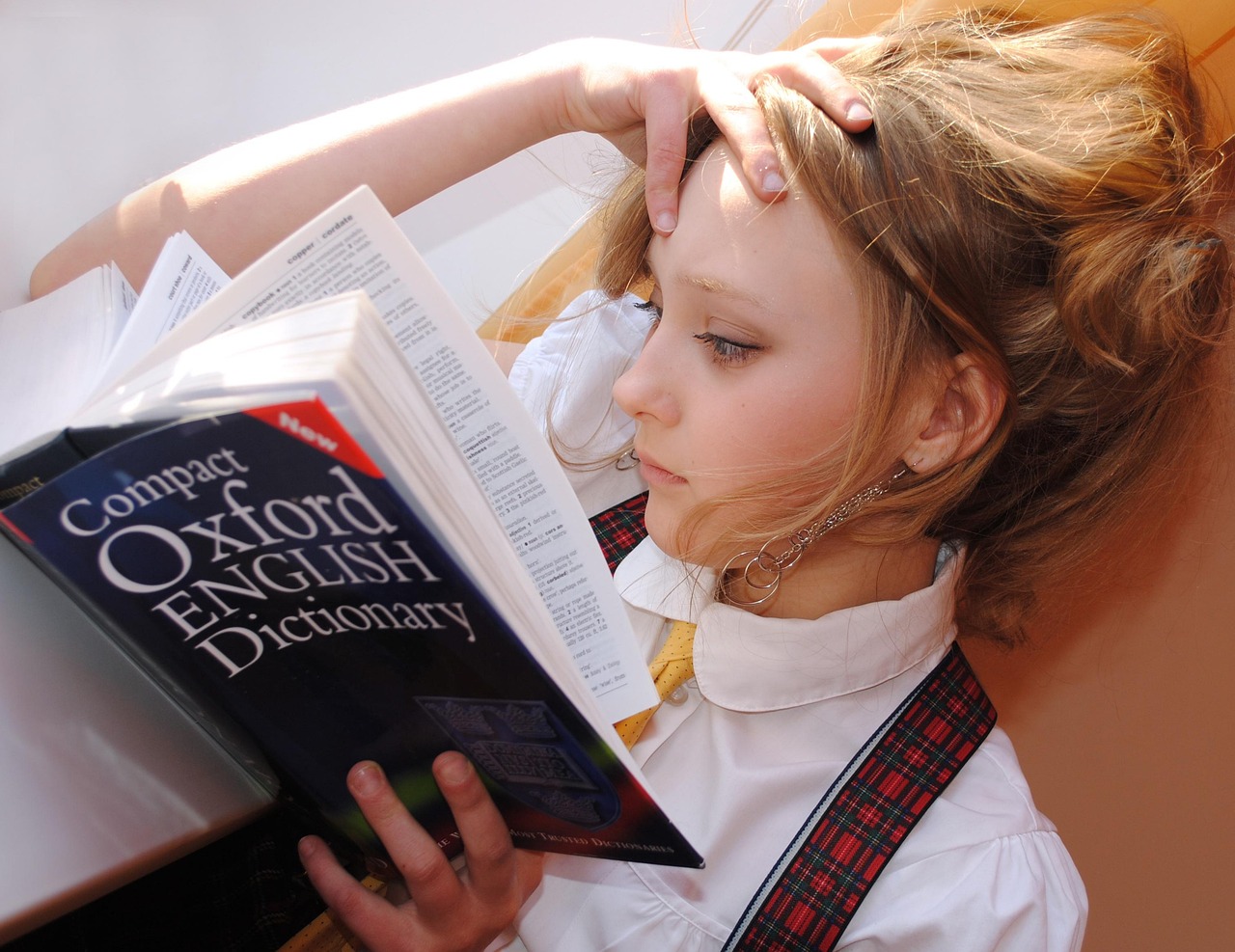
Literacy, at its core, is the ability to read and write. Yet, in our rapidly evolving world, its definition has expanded far beyond foundational reading and writing skills. Today, literacy is a dynamic and multifaceted concept, encompassing everything from understanding digital information to making informed financial decisions. It is the bedrock of personal empowerment, societal progress, and a vibrant democracy. A truly literate individual isn’t just someone who can decode words on a page; they are critical thinkers, effective communicators, and engaged citizens capable of navigating complex information landscapes to make informed choices.
What is Literacy? Beyond ABCs
Traditionally, literacy has been understood as the capacity to read, write, and comprehend language. These foundational skills remain absolutely crucial, forming the gateway to all other forms of learning and communication. However, the demands of the 21st century necessitate a much broader understanding.
Traditional Literacy: The Foundation
- Reading Comprehension: The ability to understand the meaning, context, and implications of written text. This goes beyond mere word recognition to inferring meaning and identifying main ideas.
- Written Expression: The capacity to communicate thoughts, ideas, and information clearly and effectively through writing, tailored to different audiences and purposes.
- Verbal Communication: While often overlooked in traditional definitions, effective speaking and listening are integral parts of language literacy, enabling nuanced understanding and expression.
Practical Example: A student reading a history textbook doesn’t just recognize words; they comprehend the events, analyze cause-and-effect relationships, and synthesize information to form an understanding of the past.
Evolving Literacy: Critical Thinking and Context
Modern literacy emphasizes not just the “what” but also the “how” and “why.” It’s about developing the critical thinking skills to evaluate information, discern bias, and apply knowledge in diverse contexts. This means understanding that different texts (a news article, a scientific paper, a social media post) require different approaches to comprehension and evaluation.
- Information Literacy: The ability to locate, evaluate, effectively use, and ethically create information.
- Critical Literacy: Engaging with texts in a way that questions power structures, biases, and underlying messages.
- Media Literacy: The capacity to access, analyze, evaluate, and create media in a variety of forms.
Actionable Takeaway: Encourage children and adults alike to ask “who wrote this?”, “why was it written?”, and “what’s missing?” when engaging with any text or media.
The Multifaceted Dimensions of Modern Literacy
In today’s interconnected world, literacy extends into various specialized domains, each vital for successful navigation of daily life and global challenges.
Digital Literacy: Navigating the Information Age
The internet and digital technologies have transformed how we access information, communicate, and work. Digital literacy is crucial for navigating this landscape effectively and safely.
- Understanding Digital Tools: Proficiency in using computers, smartphones, software, and online platforms.
- Online Safety and Etiquette: Knowing how to protect personal information, identify phishing scams, and behave responsibly in online spaces.
- Evaluating Digital Content: Critically assessing the credibility of websites, social media posts, and online news sources to distinguish fact from misinformation.
Practical Example: Identifying fake news on social media by cross-referencing information with reputable sources, checking author credentials, and looking for sensationalized language.
Financial Literacy: Empowering Economic Decisions
Financial literacy empowers individuals to make informed decisions about their money, leading to greater economic stability and well-being.
- Budgeting and Saving: Understanding income and expenses, creating a budget, and setting financial goals.
- Understanding Investments and Debt: Comprehending concepts like interest rates, loans, credit scores, and various investment vehicles.
- Consumer Awareness: Evaluating financial products and services, understanding contracts, and recognizing predatory practices.
Practical Example: Reading a loan agreement and understanding the total cost of borrowing, including interest and fees, before signing.
Health Literacy: Making Informed Wellness Choices
Health literacy is the ability to obtain, process, and understand basic health information and services needed to make appropriate health decisions.
- Understanding Medical Information: Interpreting prescription labels, doctor’s instructions, and health advisories.
- Navigating Healthcare Systems: Understanding insurance, appointment systems, and rights as a patient.
- Promoting Wellness: Making informed choices about diet, exercise, and preventative care based on reliable health information.
Practical Example: Reading the nutritional labels on food products to make healthier dietary choices, or understanding vaccine information from public health authorities.
Global and Cultural Literacy: Connecting in a Diverse World
In an interconnected world, understanding diverse cultures, global issues, and different perspectives is more important than ever.
- Cross-Cultural Understanding: Appreciating different customs, values, and communication styles.
- Global Awareness: Understanding complex international issues such as climate change, poverty, and human rights.
- Empathy and Respect: Developing the capacity to see issues from multiple viewpoints and engage respectfully with people from different backgrounds.
Actionable Takeaway: Seek out news and perspectives from diverse global sources, engage in discussions with people from different cultural backgrounds, and learn about international events.
The Profound Impact of Literacy on Individuals and Society
Literacy is not just an academic skill; it’s a fundamental human right and a powerful catalyst for change, shaping individual lives and the fabric of society.
Personal Empowerment and Opportunities
For individuals, literacy unlocks a world of possibilities, fostering independence, self-confidence, and a higher quality of life.
- Educational Attainment: Literacy is the gateway to further education, vocational training, and lifelong learning.
- Employment and Economic Mobility: Highly literate individuals are more likely to secure better-paying jobs, adapt to new technologies, and advance in their careers. Studies consistently show a strong correlation between literacy levels and economic productivity.
- Self-Esteem and Well-being: The ability to read, write, and understand empowers individuals, reducing feelings of isolation and increasing participation in society.
- Civic Participation: Literate citizens are better equipped to understand political issues, evaluate candidates, and participate actively in democratic processes.
Practical Example: An adult who learns to read can independently read contracts, navigate public transport schedules, help their children with homework, and vote with greater understanding.
Economic Growth and Community Development
A highly literate populace is a cornerstone of a thriving economy and resilient communities.
- Skilled Workforce: Literacy fuels a knowledgeable and adaptable workforce, essential for innovation and competitiveness in the global economy.
- Increased Productivity: Literate employees are more efficient, make fewer errors, and can contribute to problem-solving and process improvements.
- Reduced Poverty: Investing in literacy programs can break cycles of poverty by creating pathways to better education and employment for marginalized communities.
- Innovation and Research: High literacy rates support a culture of inquiry, research, and technological advancement.
Actionable Takeaway: Support local literacy initiatives and educational programs, as they contribute directly to the economic vitality of your community.
Social Cohesion and Informed Citizenship
Beyond individual and economic benefits, literacy plays a critical role in fostering a cohesive and informed society.
- Critical Thinking: Literacy enables citizens to critically evaluate information, resist propaganda, and engage in constructive public discourse.
- Democratic Participation: An informed citizenry is vital for a healthy democracy, ensuring that decisions are made based on facts and sound reasoning rather than misinformation.
- Healthier Communities: Health-literate communities can better understand and implement public health guidelines, leading to improved collective well-being.
- Reduced Crime Rates: Studies suggest a correlation between higher literacy rates and lower crime rates, as education provides opportunities and reduces despair.
Actionable Takeaway: Engage in informed discussions, seek diverse perspectives, and actively participate in local civic life to strengthen social cohesion.
Challenges to Achieving Universal Literacy and Solutions
Despite significant progress, millions worldwide still lack basic literacy skills, and many more struggle with the specialized literacies required for modern life. Addressing these challenges requires concerted effort.
Access to Education and Resources
Many communities lack adequate access to schools, qualified teachers, books, and educational technology, especially in remote or impoverished regions.
- Problem: Lack of physical schools, trained educators, and learning materials.
- Solution: Invest in infrastructure for schools, provide teacher training and professional development, establish community libraries, and distribute affordable learning resources.
Practical Example: Non-profit organizations providing mobile libraries to rural areas or governments funding internet access in underserved schools.
Socioeconomic Disparities
Poverty, parental education levels, and early childhood experiences significantly impact a child’s readiness for literacy and ongoing educational success.
- Problem: Children from low-income families often have less exposure to print-rich environments and early literacy activities.
- Solution: Implement high-quality, accessible early childhood education programs, offer parental literacy workshops, and provide resources that promote reading at home.
Practical Example: “Dolly Parton’s Imagination Library” program mails free books to children from birth until they start school, fostering early literacy regardless of income.
Digital Divide and Misinformation
Unequal access to technology and the skills to navigate digital information creates new forms of illiteracy and vulnerability to misinformation.
- Problem: Gaps in internet access, device ownership, and critical digital literacy skills.
- Solution: Bridge the digital divide through public Wi-Fi initiatives and affordable technology programs, and integrate comprehensive digital and media literacy education into curricula at all levels.
Actionable Takeaway: Support initiatives that provide free public internet access and digital skills training for all age groups.
Fostering Literacy: Practical Steps for Everyone
Promoting literacy is a shared responsibility, requiring active participation from individuals, families, educators, and policymakers.
For Parents and Guardians
The home environment plays a critical role in laying the groundwork for literacy.
- Read Aloud Daily: Start reading to children from infancy, making it a regular, enjoyable activity.
- Create a Print-Rich Environment: Have books, magazines, and writing materials accessible at home.
- Encourage Curiosity: Ask open-ended questions, engage in conversations, and explore new topics together.
- Model Reading Behavior: Let children see you reading for pleasure and information.
Practical Example: Make trips to the local library a regular family outing, allowing children to choose their own books and participate in story time.
For Educators and Institutions
Schools are pivotal in developing strong literacy skills across all subjects.
- Differentiated Instruction: Tailor teaching methods to meet the diverse literacy needs of all students.
- Integrate All Literacies: Teach digital, financial, health, and global literacy skills alongside traditional reading and writing.
- Professional Development: Provide ongoing training for teachers on effective literacy instruction strategies.
- Engaging Curriculum: Use diverse, culturally relevant texts and real-world projects to make learning meaningful.
Actionable Takeaway: Advocate for schools to prioritize comprehensive literacy programs, including robust library resources and technology integration.
For Communities and Policymakers
Collective action and supportive policies are essential for creating literate societies.
- Fund Literacy Programs: Support public libraries, adult literacy classes, and early childhood education initiatives.
- Promote Lifelong Learning: Create opportunities for adults to continue developing their literacy skills throughout their lives.
- Ensure Accessibility: Work to remove barriers to education and resources for all individuals, regardless of socioeconomic status or disability.
- Public Awareness Campaigns: Highlight the importance of literacy through community events and media campaigns.
Practical Example: Local governments allocating funds to provide free Wi-Fi in public spaces or subsidizing adult education courses.
For Individuals
Each person can contribute to fostering a more literate world and continuously enhance their own literacy skills.
- Embrace Lifelong Learning: Regularly read diverse materials, learn new skills, and stay informed on current events.
- Critically Consume Information: Practice evaluating sources, questioning biases, and seeking multiple perspectives.
- Advocate for Literacy: Support literacy organizations, volunteer your time, or mentor someone learning to read.
- Practice Digital Citizenship: Be a responsible and ethical user of digital technologies and help others do the same.
Actionable Takeaway: Commit to reading at least one non-fiction book a month on a topic outside your usual interest, and fact-check information before sharing it online.
Conclusion
Literacy is far more than the simple act of reading and writing; it is a fundamental human right and a powerful engine for individual and societal advancement. From foundational reading comprehension to navigating complex digital information, understanding personal finances, and making informed health choices, a broad spectrum of literacies is essential for thriving in the 21st century. The profound impact of literacy on personal empowerment, economic growth, and social cohesion cannot be overstated. While challenges remain in achieving universal literacy, collective efforts from families, educators, communities, and individuals can create a world where everyone has the opportunity to develop these vital skills. By embracing lifelong learning and actively fostering literacy in all its forms, we build a future that is more informed, equitable, and prosperous for all.