
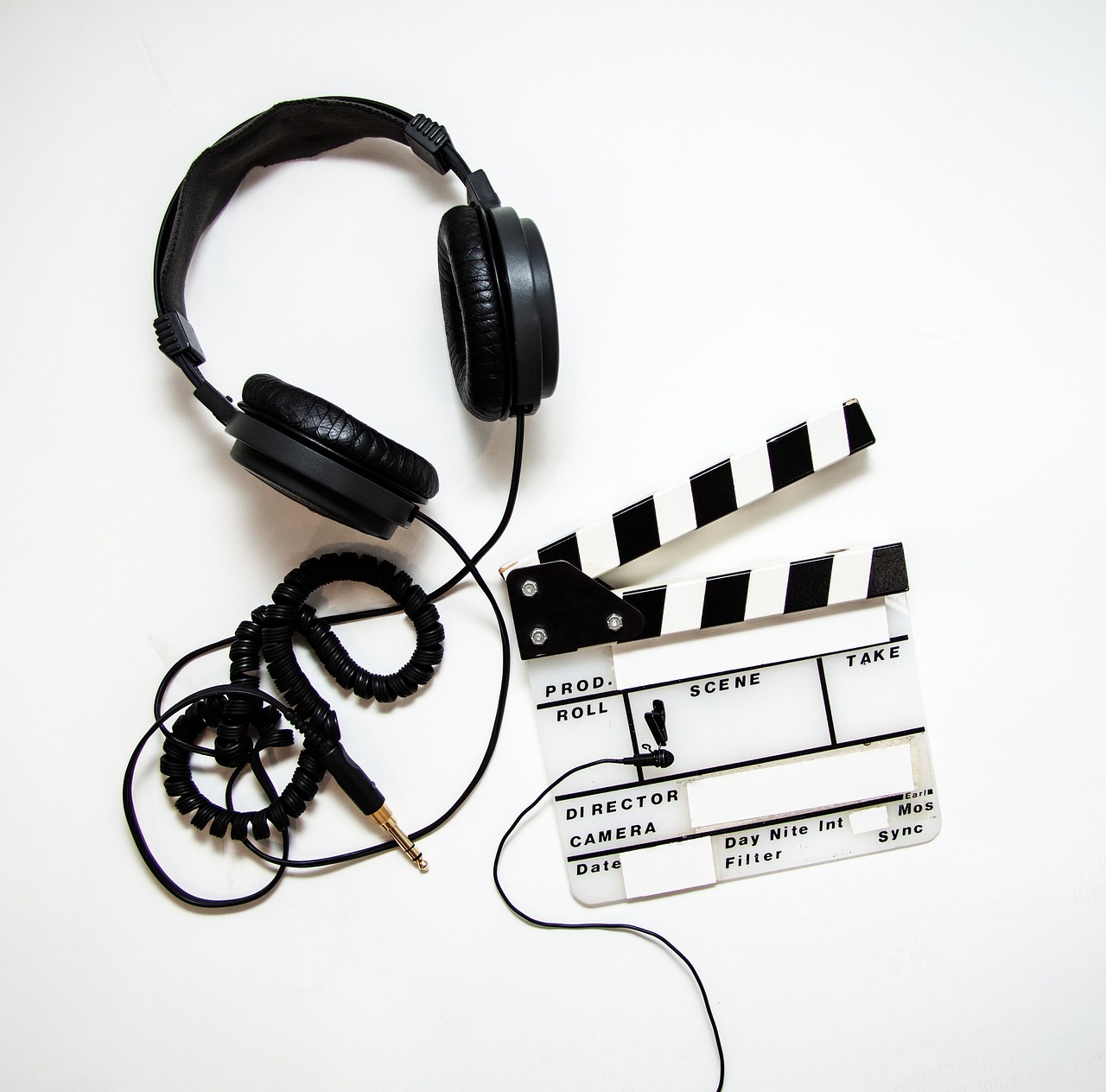
From the songs that dominate our playlists to the viral memes that shape our daily conversations, pop culture is the invisible thread weaving through the fabric of modern life. It’s the shared language, the collective experience, and the rapidly evolving backdrop against which we live, love, and connect. Far from being trivial, understanding pop culture offers profound insights into societal values, technological advancements, and the ever-changing human condition. Join us as we explore the multifaceted world of popular culture, dissecting its definition, influence, global reach, and what its future might hold.
What Exactly is Pop Culture? Defining the Zeitgeist
Pop culture, short for “popular culture,” refers to the collection of ideas, perspectives, attitudes, images, and phenomena that are preferred by an informal consensus within the mainstream of a given culture, especially Western culture in the early to mid-20th century and, more broadly, global culture today. It’s the “stuff” that a large portion of a society interacts with and understands.
The Evolving Definition: More Than Just Trends
- Shared Experiences: Pop culture encompasses the widely consumed media, fashion, music, slang, memes, and even food trends that define an era. It’s the common ground for conversation and connection.
- Distinction from “High Culture”: Historically, pop culture was often contrasted with “high culture” (art, classical music, literature appreciated by an elite few). Today, the lines are increasingly blurred, with pop culture often influencing or being influenced by more niche artistic expressions.
Key Components of Contemporary Pop Culture
Its elements are diverse and constantly shifting, reflecting the dynamic nature of society:
- Music: Chart-topping artists, global genres like K-Pop and Afrobeats, streaming sensations, and viral song challenges.
- Film & TV: Blockbuster movies, binge-worthy streaming series, iconic characters, and award-winning independent films.
- Fashion: Runway trends influencing high street stores, celebrity styles, sustainable fashion movements, and the rise of streetwear.
- Technology & Social Media: New platforms, viral content, influencer culture, and the rapid spread of information and entertainment.
- Gaming: Esports championships, major console and PC releases, mobile gaming, and interactive online communities.
- Food & Drink: Trendy diets, viral recipes, coffee culture, and the social impact of celebrity chefs.
Actionable Takeaway: Pay attention to the diverse elements that capture widespread attention around you. Recognizing these components helps you understand the collective interests and conversations of the moment.
The Immense Influence of Pop Culture on Society
Pop culture is not merely entertainment; it’s a powerful force that shapes individual identities, influences social norms, and drives significant economic activity. Its reach extends into nearly every facet of our lives.
Shaping Identity and Self-Expression
The narratives, characters, and styles presented in popular media significantly impact how individuals perceive themselves and choose to express their identities.
- Role Models and Aspirations: From superheroes embodying courage to pop stars promoting unique fashion senses, pop culture figures often serve as inspirations.
- Fashion Choices and Language: Trends in clothing, hairstyles, and even slang often originate from or are amplified by popular media, influencing how people present themselves and communicate.
- Community Formation: Shared passion for certain media creates strong subcultures and fandoms (e.g., Marvel Cinematic Universe fans, K-Pop stans), fostering a sense of belonging and collective identity.
Driving Social Commentary and Change
Beyond entertainment, pop culture often serves as a mirror, reflecting societal issues, or as a megaphone, amplifying calls for change.
- Addressing Social Issues: Film and television series frequently tackle complex themes like mental health, racial injustice, gender equality, and environmental concerns, sparking public discourse. For example, the success of “Black Panther” highlighted the demand for diverse representation and storytelling.
- Music as Protest: Throughout history, music has been a powerful tool for social and political commentary, mobilizing movements and expressing dissent.
- Comedy as Critique: Stand-up comedians and satirical shows often use humor to critique political figures, social norms, and cultural absurdities.
Economic Impact: A Multi-Billion Dollar Industry
The production, distribution, and consumption of pop culture generate immense wealth globally, creating jobs and driving innovation.
- Merchandising and Franchises: Iconic characters and brands often spawn vast merchandising empires, from toys and apparel to theme park attractions. The global success of the Star Wars or Harry Potter franchises illustrates this perfectly.
- Media Production and Advertising: The film, music, television, and gaming industries are colossal, attracting massive investments and shaping advertising landscapes. Global spending on advertising alone is projected to reach over $1 trillion by 2026, heavily reliant on popular media.
- Tourism and Events: Concerts, film festivals, comic conventions, and locations featured in popular media attract millions of tourists, boosting local economies.
Actionable Takeaway: Be mindful of how the stories and trends you consume influence your own identity and perceptions. Support content that not only entertains but also thoughtfully contributes to important societal conversations and aligns with your values.
The Global Reach and Digital Revolution of Pop Culture
The digital age has fundamentally transformed how pop culture is created, disseminated, and consumed, turning local phenomena into global sensations almost overnight. Social media platforms, streaming services, and online communities have dismantled geographical barriers, fostering a truly interconnected cultural landscape.
From Local to Global: The K-Pop Phenomenon
The meteoric rise of K-Pop is a prime example of how digital platforms can propel a regional cultural product onto the world stage.
- Breaking Language Barriers: Artists like BTS and Blackpink have amassed millions of fans worldwide, transcending language through compelling music, synchronized choreography, and sophisticated visuals.
- Comprehensive Cultural Export: K-Pop’s success isn’t just about music; it’s part of a broader “Hallyu” (Korean Wave) that includes K-dramas, fashion, beauty products, and cuisine, creating a global lifestyle appeal.
Social Media as a Catalyst
Social media platforms are the primary engines driving the rapid evolution and spread of pop culture.
- TikTok’s Influence: The platform has democratized trend-setting, allowing unknown artists to go viral and influencing everything from dance crazes to fashion microtrends. Its algorithms quickly identify and push engaging content to a global audience.
- Instagram and Visual Culture: A hub for fashion, lifestyle, and influencer marketing, Instagram shapes visual aesthetics and consumer desires worldwide.
- Twitter for Real-Time Discourse: Fans engage in real-time commentary, express opinions, and drive trending topics, often influencing media narratives and corporate decisions.
The Rise of Fandoms and Online Communities
Digital tools have empowered fans to connect, organize, and even influence the content they consume.
- Organized Fan Engagement: From crowdfunding projects to fan-created content (fan fiction, art, cosplay), online communities are powerful forces in shaping a franchise’s longevity and impact.
- The Power of Collective Passion: Fandoms can generate immense hype, drive sales, and even advocate for social causes, demonstrating the collective power of shared pop culture interests.
Actionable Takeaway: Actively explore diverse global pop culture, using streaming services and social media to discover new artists, shows, and trends. Engaging with online communities can enrich your experience and broaden your perspective.
Navigating the Fleeting Nature of Trends and Authenticity
While exciting, the rapid pace of pop culture can also be overwhelming. Trends emerge and fade with unprecedented speed, challenging consumers to discern authenticity amidst rampant commercialism and fleeting fads.
The Acceleration of Trend Cycles
The digital age, particularly social media, has compressed the lifecycle of trends, making them more numerous but often shorter-lived.
- Microtrends and Fast Fashion: What was “in” yesterday can be “out” tomorrow. This applies to fashion, internet challenges, and even vocabulary. Fast fashion, for instance, thrives on rapidly replicating runway trends, often at an environmental cost.
- The 24/7 News and Content Cycle: Constant bombardment with new information and entertainment creates a demand for novelty, pushing content creators to churn out new material continuously.
The Search for Authenticity Amidst Commercialism
As pop culture becomes increasingly commercialized, there’s a growing consumer desire for genuine connections and transparency.
- Relatability Over Perfection: Consumers often prefer creators who show vulnerability and transparency over those who project an unattainable, curated image.
- The “De-influencing” Movement: A counter-trend where influencers advise against certain products or trends, promoting mindful consumption and questioning the constant pressure to buy. This highlights a yearning for genuine recommendations.
- Brand Trust: Brands that align with ethical practices and demonstrate genuine social responsibility tend to resonate more with an audience tired of performative activism.
Media Literacy in the Age of Pop Culture
Developing strong media literacy skills is crucial for navigating the complexities of pop culture, allowing individuals to engage critically and thoughtfully.
- Questioning Narratives: Understanding that media often presents specific viewpoints and may simplify complex issues. Ask: Who created this? What is their agenda?
- Identifying Sponsored Content: Distinguishing between genuine content and paid promotions, especially from influencers, is essential for informed decision-making.
- Evaluating Sources: Learning to verify information and recognize sensationalism or misinformation, particularly in entertainment news and social media feeds.
Actionable Takeaway: Practice critical thinking when consuming pop culture. Question the messages, identify sponsored content, and prioritize genuine connections over fleeting trends. Support creators and brands that demonstrate authenticity and responsible practices.
The Future of Pop Culture: Interaction, Immersion, and Inclusivity
The landscape of pop culture is in constant flux, driven by technological innovation and evolving societal values. Looking ahead, we can anticipate a future defined by more interactive experiences, greater personalization, and a continued push for diverse representation.
Interactive Experiences: Gaming, VR, and AR
The lines between consumers and creators are blurring, with increasingly immersive and interactive forms of entertainment taking center stage.
- The Metaverse Concept: Virtual worlds where users can interact, socialize, and consume content are becoming more prevalent, offering new platforms for entertainment and cultural exchange.
- Immersive Storytelling: Virtual Reality (VR) and Augmented Reality (AR) technologies are enhancing storytelling, allowing audiences to step inside narratives and engage with characters in new ways. Concerts in virtual spaces, like Travis Scott’s event in Fortnite, offer a glimpse into this future.
- Gaming as the New Social Hub: Multiplayer online games are not just entertainment but significant social spaces where communities form and cultural trends emerge.
Diversification and Representation
There’s a growing demand for pop culture to reflect the true diversity of the global audience, moving beyond historically narrow representations.
- Amplifying Diverse Voices: Increased focus on showcasing stories from marginalized communities, ensuring authentic representation across race, gender, sexuality, ability, and background.
- Inclusivity as a Standard: Audiences expect media to be inclusive, challenging stereotypes and offering nuanced portrayals of diverse characters and experiences. This isn’t just a moral imperative but also a significant market demand.
Personalization and Algorithm-Driven Content
Algorithms will continue to shape individual pop culture consumption, offering both unprecedented discovery and potential pitfalls.
- Tailored Recommendations: Streaming services and social media platforms will further refine their algorithms to deliver highly personalized content, anticipating user preferences.
- The Echo Chamber Effect: While personalization aids discovery, it also risks creating “echo chambers” where individuals are primarily exposed to content that reinforces existing beliefs, limiting exposure to new perspectives.
- Curated Experiences: Users will increasingly have the tools to curate their own pop culture experiences, blending different media forms and engaging with content on their own terms.
Actionable Takeaway: Actively seek out and support diverse content creators and platforms that champion inclusivity. Embrace new interactive forms of entertainment, but also consciously step outside your algorithmic bubble to explore different perspectives and broaden your cultural horizons.
Conclusion
Pop culture is an undeniable and ever-present force, reflecting and shaping our world in profound ways. From the songs that define generations to the social movements sparked by viral content, it’s a dynamic tapestry woven from shared experiences, powerful narratives, and relentless innovation. Understanding its components, recognizing its global influence, and navigating its fast-paced evolution allows us to engage with our cultural landscape more thoughtfully and critically.
As we move forward, pop culture will continue to evolve, offering increasingly interactive, immersive, and diverse experiences. By embracing media literacy, celebrating authenticity, and advocating for inclusivity, we can help shape a future where popular culture is not just entertaining, but also enriching, representative, and a true reflection of our shared humanity.