
Classrooms are far more than just four walls and a chalkboard; they are dynamic ecosystems where curiosity is sparked, knowledge is forged, and futures are shaped. These vital learning environments are the foundational spaces for education, evolving constantly to meet the demands of a changing world and diverse student needs. From the traditional setups of yesteryear to the innovative, tech-infused hubs of today, understanding the pivotal role and multifaceted nature of classrooms is essential for educators, policymakers, and parents alike, as we strive to create optimal spaces for every learner to thrive.
The Evolving Landscape of Classrooms: Beyond Four Walls
The concept of a classroom has undergone a significant transformation over the decades, moving away from a singular, prescriptive model to a diverse array of spaces designed to support varied pedagogical approaches and learning styles. This evolution reflects a deeper understanding of how students learn best and what constitutes an effective educational experience.
From Traditional Rows to Dynamic Zones
Historically, classrooms were characterized by rigid rows of desks facing a teacher at the front, emphasizing lecture-based instruction and rote learning. While this model had its place, modern educational philosophy advocates for more flexible and interactive arrangements. Today’s classrooms often feature:
- Flexible Seating: Options like standing desks, wobble stools, floor cushions, and couches allow students to choose where and how they learn most effectively, promoting comfort and focus.
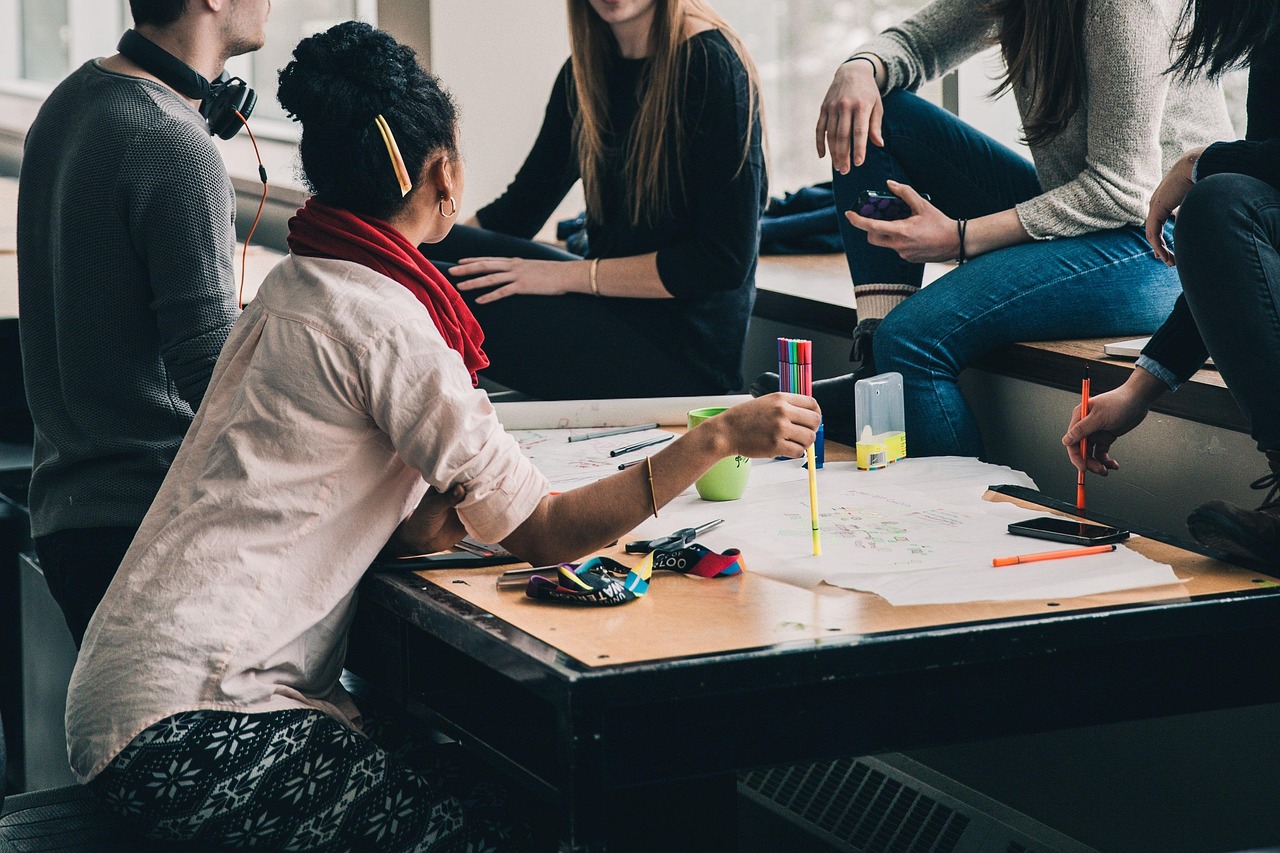
- Collaborative Zones: Group tables or clustered desks facilitate teamwork, project-based learning, and peer-to-peer instruction.
- Quiet Reflection Nooks: Dedicated spaces for individual work, reading, or quiet contemplation help students focus without distraction.
Practical Example: Imagine a 5th-grade classroom where one corner features beanbags and a small rug for reading time, another has a large whiteboard with movable desks for group problem-solving, and individual carrels are available for students needing deep focus. This adaptability caters to different learning tasks and preferences.
The Shift in Educational Philosophy
This physical transformation is mirrored by a fundamental shift in educational philosophy. The focus has moved from merely transmitting information to fostering critical thinking, creativity, communication, and collaboration—the 21st-century skills vital for success in an increasingly complex world. Classrooms are now designed to support:
- Student-Centered Learning: Empowering students to take ownership of their learning journey.
- Inquiry-Based Learning: Encouraging questions, exploration, and discovery.
- Differentiated Instruction: Tailoring teaching methods and content to meet the diverse needs of all learners.
Actionable Takeaway: Educators can begin by gradually introducing flexible seating options or dedicating a small area for collaborative work, observing how students respond and adapting accordingly. Small changes can lead to significant shifts in student engagement.
Designing Classrooms for Optimal Learning and Engagement
An intentionally designed classroom is a powerful tool for enhancing learning. Beyond aesthetics, thoughtful design considers ergonomics, acoustics, lighting, and the psychological impact of space on learners.
Flexible Seating Arrangements
The ability to choose where and how one sits can significantly impact a student’s engagement and focus. Flexible seating is not just a trend; it’s a pedagogical strategy that recognizes individual differences.
- Benefits:
- Increased student comfort and focus.
- Improved attention spans by allowing movement.
- Greater autonomy and choice in learning.
- Better classroom management as students are more invested.
- Tips for Implementation: Start small with a few alternative seating options. Clearly define expectations for using different seating areas. Ensure options support various learning tasks.
Practical Example: A high school English teacher might offer high-top tables for group discussions, individual desks with privacy screens for writing assignments, and comfortable armchairs for reading literary works, allowing students to choose based on the day’s activity.
Zoned Learning Areas
Dividing the classroom into distinct zones helps delineate different types of learning activities, reducing distractions and promoting organization.
- Common Zones:
- Reading Nook: Soft lighting, comfortable seating, access to books.
- Project/Makerspace: Durable surfaces, access to craft supplies, technology.
- Quiet Work Zone: Individual desks or carrels, minimal distractions.
- Teacher Zone: Organized space for the teacher, often near the main interactive board.
Actionable Takeaway: Identify key learning activities that occur regularly in your classroom and designate specific, visually distinct areas for them. Use rugs, shelving, or even portable screens to create soft boundaries.
Maximizing Natural Light and Aesthetics
The physical environment plays a crucial role in mood, energy levels, and cognitive function. Natural light has been linked to improved academic performance and reduced instances of anxiety.
- Environmental Factors:
- Natural Light: Position desks to utilize windows, use sheer curtains if direct glare is an issue.
- Air Quality: Ensure proper ventilation; consider adding classroom plants to improve air quality and aesthetics.
- Color Palette: Use calming colors (blues, greens) for walls and furniture accents, reserving brighter colors for accent pieces or learning materials.
- Organization: A tidy, clutter-free space reduces cognitive load and creates a more peaceful learning atmosphere.
Statistics: Research by Heschong Mahone Group found that students with the most daylight in their classrooms progressed 20% faster on math tests and 26% faster on reading tests in one year than those with the least. (Source: “Daylighting in Schools: An Investigation into the Relationship Between Daylighting and Human Performance”)
Actionable Takeaway: Prioritize decluttering, optimize window usage, and introduce a few easy-to-care-for plants. Even small aesthetic improvements can significantly impact the classroom’s overall feel.
Technology’s Transformative Role in Modern Classrooms
Technology has become an indispensable component of the modern classroom, offering dynamic tools that enhance instruction, personalize learning, and prepare students for a digital world.
Interactive Displays and Whiteboards
Gone are the days of static chalkboards. Interactive whiteboards and large display screens have revolutionized whole-class instruction.
- Features and Benefits:
- Dynamic Content Delivery: Teachers can display multimedia, annotate documents, and conduct interactive quizzes in real-time.
- Engaged Learning: Students can directly interact with the board, solving problems or participating in activities, fostering active participation.
- Access to Resources: Instant access to online resources, educational apps, and digital textbooks.
- Collaboration: Multiple students can work on the board simultaneously, promoting teamwork.
Practical Example: A science teacher uses an interactive display to project a 3D model of the human heart, allowing students to virtually dissect it, label parts, and understand its functions in vivid detail, making complex concepts more accessible.
Personalized Learning with Digital Tools
Technology enables educators to differentiate instruction and personalize learning paths for each student, catering to individual pace, style, and needs.
- Tools and Strategies:
- Adaptive Learning Platforms: Software that adjusts content difficulty and pace based on student performance (e.g., Khan Academy, i-Ready).
- Educational Apps: A vast array of apps for various subjects, from language learning to coding, offering engaging and interactive practice.
- Learning Management Systems (LMS): Platforms like Google Classroom or Canvas facilitate content delivery, assignment submission, and communication.
- Virtual Reality (VR) / Augmented Reality (AR): Offering immersive experiences, like virtual field trips to ancient Rome or exploring the inside of a cell.
Actionable Takeaway: Explore one or two adaptive learning platforms relevant to your subject area. Start with a pilot group of students to understand its benefits and challenges before wider implementation.
Fostering Digital Citizenship
Integrating technology also comes with the crucial responsibility of teaching students how to be responsible, ethical, and safe digital citizens.
- Key Areas:
- Online Safety and Privacy: Understanding password security, phishing, and personal data protection.
- Cyberbullying Prevention: Promoting respectful online interactions.
- Information Literacy: Teaching critical evaluation of online sources and identifying misinformation.
- Digital Etiquette: Understanding appropriate online communication and behavior.
Actionable Takeaway: Regularly incorporate lessons on digital citizenship into classroom activities, discussing real-world scenarios and emphasizing the importance of a positive digital footprint.
Cultivating Inclusive and Supportive Classroom Environments
An effective classroom is not just about physical design or technology; it’s fundamentally about the culture and ethos established within its walls. Creating an inclusive and supportive environment ensures every student feels valued, safe, and ready to learn.
Promoting Social-Emotional Learning (SEL)
SEL is the process through which children and adults acquire and effectively apply the knowledge, attitudes, and skills necessary to understand and manage emotions, set and achieve positive goals, feel and show empathy for others, establish and maintain positive relationships, and make responsible decisions.
- Classroom Strategies:
- Morning Meetings/Circles: Regular check-ins to build community and discuss feelings.
- Conflict Resolution Skills: Teaching students strategies to peacefully resolve disagreements.
- Empathy-Building Activities: Encouraging perspective-taking through literature, role-playing, or discussions.
- Mindfulness Practices: Short breaks for breathing exercises or quiet reflection to help regulate emotions.
Practical Example: A kindergarten teacher starts each day with a “feelings check-in” where students share how they are feeling using visual cards, fostering emotional literacy and creating a safe space to express themselves.
Differentiated Instruction and Accessibility
Recognizing that students come with diverse learning profiles, backgrounds, and needs, inclusive classrooms employ differentiated instruction and ensure accessibility for all.
- Key Practices:
- Multiple Means of Representation: Presenting information in various formats (visual, auditory, kinesthetic).
- Multiple Means of Engagement: Offering choices in how students learn and stay motivated.
- Multiple Means of Expression: Allowing students to demonstrate understanding in different ways (oral reports, written essays, artistic projects).
- Physical Accessibility: Ensuring ramps, clear pathways, and accessible furniture for students with mobility impairments.
- Cognitive Accessibility: Providing clear instructions, chunking tasks, and offering assistive technologies for students with learning differences.
Actionable Takeaway: Regularly review your teaching materials and methods to identify opportunities for differentiation. Provide options for how students can engage with content and how they can demonstrate their learning.
Building a Positive Classroom Culture
A positive culture is the bedrock of an inclusive and effective classroom. It’s built on mutual respect, clear expectations, and a sense of belonging.
- Components:
- Clear Expectations and Routines: Students thrive on predictability and understanding what’s expected of them.
- Positive Reinforcement: Acknowledging and celebrating effort and positive behaviors.
- Student Voice: Involving students in decision-making processes, giving them agency.
- Teacher-Student Relationships: Building rapport and trust through genuine interest and consistent support.
Actionable Takeaway: Co-create classroom rules or norms with your students at the beginning of the year. This fosters a sense of ownership and commitment to the shared learning environment.
The Classroom as a Hub for 21st-Century Skills
Modern classrooms are designed to do more than impart knowledge; they are incubators for the skills students will need to navigate a rapidly changing world. These “21st-century skills” include critical thinking, creativity, collaboration, and communication.
Fostering Collaboration and Critical Thinking
Moving beyond individual work, contemporary classrooms emphasize activities that require students to work together and think deeply about problems.
- Collaborative Activities:
- Group Projects: Assignments that require students to combine their skills and knowledge to achieve a common goal.
- Peer Tutoring: Students learning from and teaching each other, reinforcing their own understanding.
- Debates and Discussions: Structured opportunities for students to articulate their viewpoints, listen to others, and respectfully challenge ideas.
- Critical Thinking Strategies:
- Problem-Based Learning (PBL): Presenting students with real-world problems to solve, encouraging research, analysis, and solution development.
- Socratic Seminars: Facilitated discussions that encourage deep questioning and thoughtful responses rather than simple answers.
- Analyzing Sources: Teaching students to evaluate the credibility and bias of information.
Practical Example: A history class might engage in a mock United Nations debate on a historical conflict, requiring students to research, collaborate on position papers, and critically defend their assigned country’s stance.
Empowering Student Voice and Agency
When students have a voice in their learning, they become more engaged, motivated, and take greater responsibility for their education. This fosters a sense of agency—the belief in one’s ability to influence outcomes.
- Ways to Empower Students:
- Choice in Projects: Offering options for how students demonstrate their learning.
- Classroom Leadership Roles: Assigning responsibilities that give students ownership of the classroom environment.
- Feedback Loops: Actively soliciting and responding to student feedback on lessons, activities, and the classroom environment.
- Goal Setting: Teaching students to set personal academic and social goals.
Actionable Takeaway: Implement a “suggestion box” or a regular check-in where students can anonymously share ideas or concerns about classroom activities, demonstrating that their input is valued.
Preparing for a Future-Ready Workforce
The skills cultivated in modern classrooms are precisely what employers seek in the 21st century. Classrooms are not just preparing students for tests, but for life and careers.
- Key Skill Development:
- Adaptability and Resilience: Through embracing challenges and learning from mistakes.
- Innovation: Encouraged by creative problem-solving and open-ended tasks.
- Cross-Cultural Competence: Developed through diverse classroom communities and global awareness projects.
- Digital Literacy: Essential for virtually any modern profession.
Actionable Takeaway: Integrate project-based learning opportunities that mimic real-world professional scenarios, such as developing a marketing plan for a fictional product or designing a solution to a community problem.
Conclusion
The classroom, whether a physical space or a virtual gathering, remains the pulsating heart of education. It is here that seeds of knowledge are sown, critical thinking is nurtured, and the foundation for future success is laid. By embracing flexible designs, integrating technology thoughtfully, fostering inclusive cultures, and prioritizing 21st-century skills, we can transform these vital spaces into dynamic, engaging, and highly effective learning environments. As educators and stakeholders, our continuous commitment to evolving and optimizing classrooms will ensure that every student has the opportunity to unlock their full potential and confidently navigate the complexities of tomorrow’s world. The future of education truly begins within the vibrant walls of an empowered classroom.