
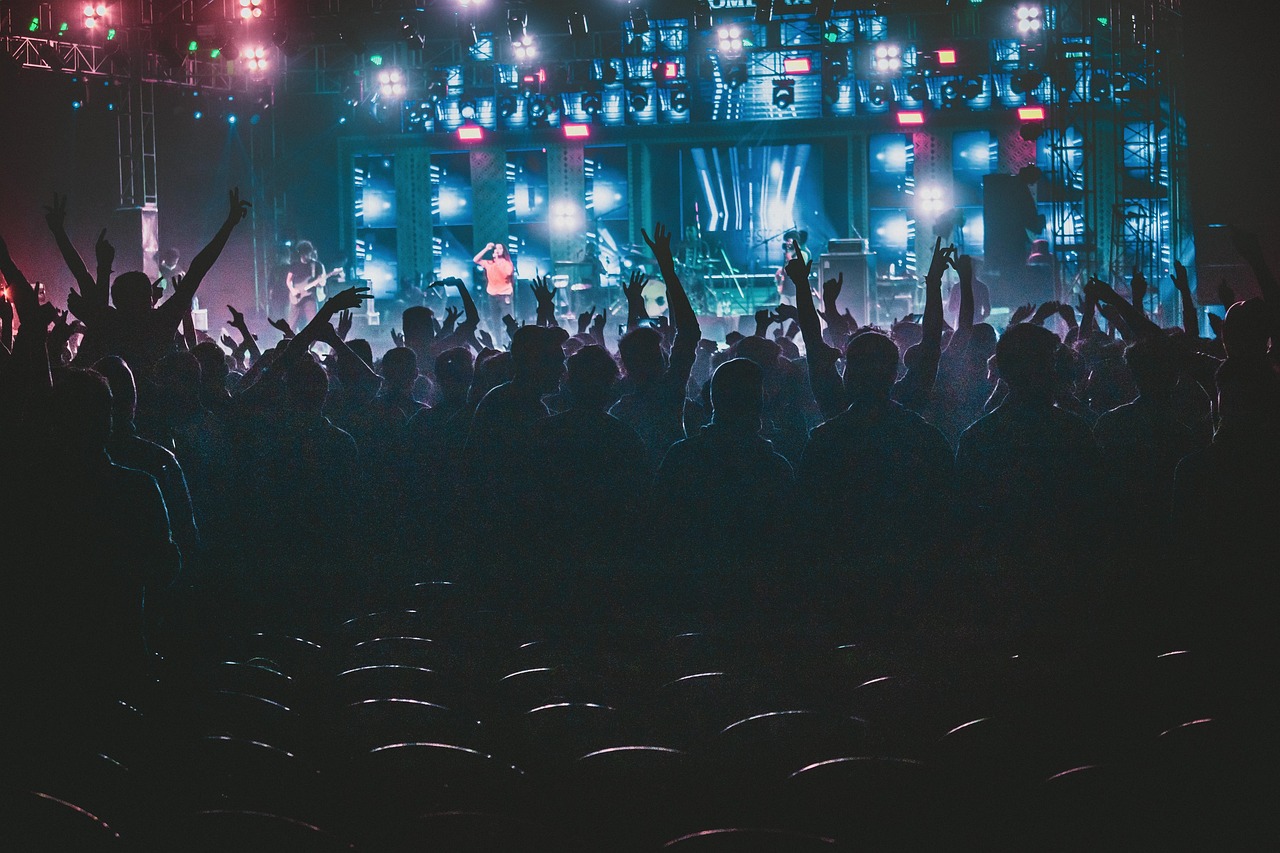
From ancient rituals to modern stages, dance has always been an intrinsic part of the human experience. It’s a universal language, transcending words and cultures, allowing us to express the deepest emotions, tell stories, and connect with ourselves and others. Whether you’ve always dreamed of gliding across a ballroom floor, mastering a complex hip-hop routine, or simply moving freely in your living room, the world of dance offers boundless opportunities for joy, fitness, and profound self-discovery.
The Timeless Appeal and Universal Language of Dance
A Glimpse into Dance History
Dance isn’t merely a recreational activity; it’s a fundamental aspect of human history and culture, dating back tens of thousands of years. Early forms of dance were deeply intertwined with:
- Ritual and Ceremony: Used to worship deities, prepare for hunts, celebrate harvests, and mark rites of passage. Evidence from cave paintings in France and temple carvings in ancient Egypt and India depicts organized dance forms.
- Storytelling: Before written language, dance was a powerful medium for passing down myths, legends, and historical events through generations.
- Social Cohesion: Bringing communities together, fostering unity and shared identity.
The evolution of dance mirrors human civilization itself, transforming from sacred rituals to sophisticated court entertainment and eventually, a global performing art accessible to everyone.
Dance as Communication and Expression
One of dance’s most extraordinary qualities is its ability to communicate without a single word. It leverages the body as an instrument to convey a vast spectrum of human experience:
- Emotion: A dancer can articulate joy through leaps and spins, sorrow through slow, grounded movements, or passion through intricate partner work.
- Narrative: Ballet productions like “Swan Lake” or contemporary pieces weave complex stories using only movement, music, and staging.
- Culture: Folk dances from around the world instantly communicate the values, history, and spirit of a particular people.
Actionable Takeaway: The next time you watch a dance performance, challenge yourself to interpret the story or emotions conveyed before consulting the program. You might be surprised by what your intuition picks up!
Unveiling the Profound Benefits of Dance
Beyond its artistic and cultural significance, engaging in dance offers a wealth of benefits that enhance both physical and mental well-being, making it a truly holistic activity.
Physical Health & Fitness
Regular dancing is an excellent full-body workout that often feels more like fun than exercise.
- Cardiovascular Endurance: Most dance styles elevate your heart rate, improving stamina and promoting heart health. A lively salsa class, for instance, can burn 300-500 calories per hour, comparable to brisk walking or cycling.
- Strength and Flexibility: From the core strength required for ballet pirouettes to the deep stretches in contemporary dance, it tones muscles, increases range of motion, and improves overall body control.
- Balance and Coordination: Learning complex steps and moving gracefully through space significantly enhances equilibrium and agility, reducing the risk of falls, especially as we age.
- Weight Management: Consistent dance practice is an enjoyable way to burn calories and maintain a healthy weight.
Mental Well-being & Cognitive Boost
The benefits of dance extend deep into the mind, offering powerful advantages for cognitive function and emotional health.
- Stress Reduction: Like other forms of exercise, dance releases endorphins, natural mood elevators that help reduce stress and anxiety. The focus required for choreography also acts as a meditative escape.
- Memory and Cognitive Function: Learning and remembering dance sequences stimulate various parts of the brain, improving pattern recognition, spatial awareness, and memory retention. A notable study published in The New England Journal of Medicine found that frequent dancing was the only physical activity that significantly lowered the risk of dementia.
- Mood Enhancement: The combination of physical activity, music, and social interaction makes dance a potent mood booster, effectively combating symptoms of depression and loneliness.
Social Connection & Community Building
Dance often thrives on interaction, making it a fantastic avenue for social engagement.
- Meeting New People: Dance classes and social dance events are natural environments to meet individuals who share a common interest, fostering new friendships and connections.
- Teamwork and Trust: Partner dances or group choreographies require collaboration, communication, and trust, building strong bonds between participants.
- Boosted Self-Confidence: Mastering new steps, performing in front of others, and receiving positive feedback all contribute to a significant boost in self-esteem and body positivity.
Actionable Takeaway: Consider joining a beginner dance class not just for the steps, but for the opportunity to expand your social circle and experience collective joy. Many studios offer trial classes for free or at a reduced rate.
A Kaleidoscope of Dance Styles to Explore
The world of dance is incredibly diverse, offering a style to suit every personality, preference, and fitness level. Discovering the right one for you is part of the exciting journey.
Classical & Performance Dance
These styles often have a rich history, strict techniques, and are frequently performed on stage.
- Ballet: Known for its grace, precision, and ethereal quality, ballet is the foundation for many other dance forms, demanding incredible strength, flexibility, and discipline. Think of iconic works like “The Nutcracker” or “Swan Lake.”
- Contemporary Dance: Emerging from a rebellion against classical ballet, contemporary dance is highly expressive, fluid, and often incorporates elements from jazz, modern, and even martial arts. It emphasizes individuality and emotional depth.
- Modern Dance: Pioneered by artists like Martha Graham and Isadora Duncan, modern dance focuses on natural movement, gravity, and often raw, primal expression.
Social & Partner Dance
These styles are designed for interaction and enjoyment, often in a social setting.
- Salsa: An energetic and vibrant Latin American dance known for its fast turns, rhythmic footwork, and close partner connection. It’s often improvised and highly social.
- Ballroom Dance: An elegant category encompassing various partner dances like the Waltz, Tango, Foxtrot, and Quickstep. Each has distinct rhythms, steps, and character.
- Swing Dance: Lively and often acrobatic, swing dances like the Lindy Hop and Jive emerged from the jazz era. They are characterized by playful movements, lifts, and energetic improvisation.
Urban & Street Dance
Born from cultural movements, these styles are typically characterized by their rhythmic complexity and dynamic energy.
- Hip-Hop: A broad category originating from street culture, encompassing styles like breaking (b-boying/b-girling), popping, locking, and krumping. It’s dynamic, improvisational, and deeply connected to music.
- Jazz Dance: Influenced by African rhythms and theatrical performance, jazz dance is characterized by its syncopated rhythms, isolations (moving individual body parts), and expressive theatricality.
Actionable Takeaway: Watch introductory videos of different dance styles online to see what sparks your interest. Many local studios offer “taster classes” – a low-commitment way to try out a new style before fully committing.
Embarking on Your Dance Journey: Tips for Beginners
Taking the first step into the world of dance can feel intimidating, but with the right approach, it can be an incredibly rewarding experience. Here’s how to begin your journey.
Finding Your Rhythm: Choosing a Style
Don’t feel pressured to pick the “right” style immediately. Consider these factors:
- Your Personality: Do you prefer structured choreography or free-form movement? Solo expression or partner interaction? High energy or graceful fluidity?
- Your Goals: Are you looking for a fun workout, a new social outlet, a creative release, or perhaps a path to performance?
- Music Preferences: What kind of music makes you want to move? Latin rhythms, classical scores, pop beats, or jazz?
Practical Tip: Research local dance studios and their offerings. Many offer introductory packages or free trial classes, allowing you to sample different styles without a long-term commitment. Don’t be afraid to try something unexpected!
Selecting the Right Studio & Instructor
A good learning environment is crucial for a positive dance experience.
- Qualified Instructors: Look for teachers with proven experience, clear teaching methodologies, and a passion for their craft.
- Welcoming Atmosphere: Visit the studio, read reviews, and observe a class if possible. An inclusive and supportive environment is key, especially for beginners.
- Class Structure: Ensure there are dedicated beginner classes that focus on fundamentals and proper technique.
Essential Tips for Success
Once you’ve chosen a style and a studio, these tips will help you make the most of your dance journey:
- Start Slowly and Be Patient: Dance is a skill that takes time to develop. Focus on mastering the basics before rushing into complex moves. Consistency is more important than intensity.
- Listen to Your Body: Pay attention to any pain or discomfort. Proper warm-ups and cool-downs are vital for preventing injuries. Don’t push yourself too hard too soon.
- Practice Consistently: Regular attendance at classes and even short practice sessions at home will build muscle memory and confidence quickly.
- Embrace Mistakes: Every dancer makes mistakes; they are an integral part of the learning process. View them as opportunities for growth rather than failures.
- Invest in Proper Attire: Comfortable clothing that allows for full range of motion and appropriate footwear for your chosen style (e.g., ballet slippers, salsa shoes, clean sneakers) can make a significant difference in your comfort and performance.
Actionable Takeaway: Prioritize finding a class that makes you feel comfortable and inspired. The right environment can make all the difference in your enjoyment and commitment to dance.
Conclusion
Dance is far more than just movement; it is a profound art form, a powerful communicative tool, and a transformative pathway to holistic well-being. From its ancient roots as ritual and storytelling to its modern expressions as competitive sport, theatrical spectacle, and social recreation, dance continuously enriches human lives. It offers unparalleled physical fitness, sharpens cognitive abilities, boosts mental health, and forges deep social connections. Whether you’re drawn to the elegance of ballet, the fiery passion of salsa, the dynamic energy of hip-hop, or simply the joy of free movement, there is a dance form waiting to ignite your spirit. Don’t hesitate to take that first step – discover the dancer within you and unlock a world of expression, health, and profound connection.