
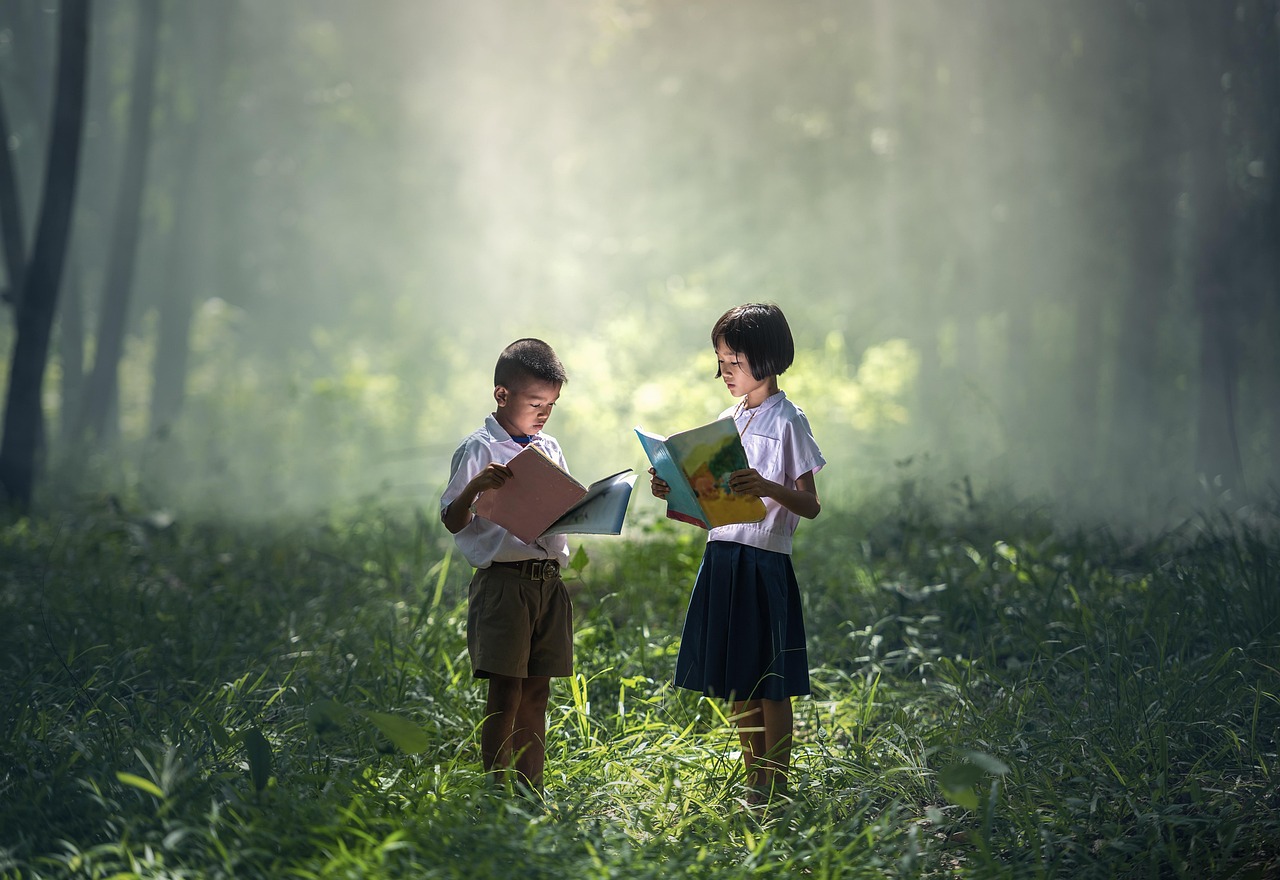
The classroom, often perceived as merely four walls and a blackboard, is in reality the dynamic heart of any educational institution. It’s a vibrant ecosystem where knowledge is shared, ideas are born, and futures are shaped. From the earliest forms of instruction to today’s technologically advanced learning hubs, classrooms have constantly evolved, reflecting societal shifts, pedagogical advancements, and our deepening understanding of how people learn best. Understanding the multi-faceted nature of modern classrooms is crucial for educators, parents, policymakers, and indeed, anyone invested in the future of education.
The Evolving Landscape of Classrooms
Classrooms are not static entities; they are living spaces that adapt to the needs of learners and the demands of a changing world. Their evolution tells a story of pedagogical shifts and a growing emphasis on student-centered learning.
From Traditional to Transformative Spaces
Historically, classrooms were often characterized by rigid rows of desks, a teacher at the front, and a focus on rote memorization and direct instruction. This model, efficient for disseminating information to large groups, often overlooked individual learning styles and collaborative potential. The shift began with a recognition that active engagement and personalized learning are far more effective.
- Traditional Classroom: Emphasized teacher-led instruction, discipline, and standardized curriculum delivery.
- Modern Classroom: Prioritizes student engagement, critical thinking, problem-solving, and collaborative learning.
The Impact of Educational Philosophy
The transformation of classrooms is deeply rooted in educational philosophies that advocate for active learning and holistic development. Influential theories from educators like John Dewey, Maria Montessori, and Lev Vygotsky have reshaped our understanding of optimal learning environments.
For instance, the Montessori method highlights self-directed activity, hands-on learning, and collaborative play, requiring a classroom setup that supports these principles. Similarly, Vygotsky’s socio-cultural theory emphasizes the importance of social interaction in learning, leading to designs that facilitate group work and peer collaboration.
Actionable Takeaway: Consider how your classroom’s physical setup and instructional approach align with a philosophy that empowers students to be active participants in their learning journey, rather than passive recipients.
Designing the Modern Learning Environment
The physical design of a classroom significantly impacts student engagement, well-being, and learning outcomes. Intentional design choices can foster creativity, collaboration, and a sense of belonging.
Flexible Seating Arrangements
Gone are the days when fixed desks in neat rows were the only option. Flexible seating offers students choices in how and where they learn, catering to different needs and learning styles. Studies suggest that flexible learning spaces can increase student satisfaction and engagement.
- Benefits of Flexible Seating:
- Improved comfort and focus
- Enhanced collaboration and communication
- Increased student choice and autonomy
- Reduced disruptive behavior
- Adaptability for various activities (individual, small group, whole class)
- Practical Examples: Yoga balls, standing desks, floor cushions, wobble stools, small group tables, individual quiet zones.
Optimizing for Comfort and Well-being
A classroom should be a comfortable and stimulating space. Factors like lighting, acoustics, temperature, and even color schemes play a crucial role in creating an environment conducive to learning.
- Natural Light: Maximizing natural light has been linked to improved mood, focus, and academic performance.
- Acoustics: Reducing noise distractions and ensuring clear communication is vital, especially for students with hearing impairments or attention challenges.
- Ergonomics: Providing age-appropriate, adjustable furniture supports physical health and sustained concentration.
- Biophilic Design: Incorporating natural elements like plants can reduce stress and enhance cognitive function.
Actionable Takeaway: Regularly assess your classroom’s physical environment. Small changes, like reorganizing furniture to create different zones or adding a plant, can have a significant positive impact on student experience and focus.
Technology Integration in Classrooms
Educational technology (EdTech) has revolutionized teaching and learning, opening up new possibilities for engagement, personalization, and access to information. Its strategic integration transforms the classroom into a dynamic, interactive space.
Leveraging Digital Tools for Enhanced Learning
From interactive whiteboards to virtual reality, technology offers powerful tools that can cater to diverse learning styles and provide immersive experiences.
- Interactive Displays: Facilitate collaborative problem-solving and dynamic presentations.
- Learning Management Systems (LMS): Platforms like Canvas or Google Classroom streamline assignment submission, communication, and resource sharing.
- Educational Software & Apps: Offer adaptive learning pathways, gamified content, and personalized feedback for subjects ranging from mathematics to language arts.
- Virtual Reality (VR) & Augmented Reality (AR): Provide immersive field trips (e.g., exploring ancient Rome or the human body) and hands-on scientific simulations that might otherwise be impossible.
The Role of Technology in Personalization and Accessibility
One of the most profound impacts of technology is its ability to personalize the learning experience and make education more accessible to all students, including those with special needs.
- Differentiated Instruction: AI-powered learning platforms can adapt content difficulty and pace to individual student needs.
- Assistive Technologies: Screen readers, speech-to-text software, and alternative input devices empower students with disabilities to participate fully.
- Global Collaboration: Video conferencing tools connect classrooms across continents, fostering cultural understanding and real-world problem-solving.
Actionable Takeaway: Identify one new piece of educational technology or digital tool that aligns with your teaching goals and explore how it can be integrated to enhance a specific lesson or learning objective. Provide clear guidelines for its effective and responsible use.
The Classroom as a Learning Ecosystem
Beyond its physical attributes and technological tools, the classroom functions as a complex social and emotional ecosystem. A thriving classroom fosters not just academic growth, but also social-emotional development and a strong sense of community.
Fostering Social-Emotional Learning (SEL)
SEL skills – self-awareness, self-management, social awareness, relationship skills, and responsible decision-making – are foundational for academic success and life readiness. Classrooms are ideal environments for nurturing these skills.
- Morning Meetings/Check-ins: Provide a routine for students to share feelings, build empathy, and practice active listening.
- Collaborative Projects: Teach negotiation, conflict resolution, and teamwork.
- Mindfulness Practices: Help students regulate emotions and improve focus.
- Restorative Practices: Focus on repairing harm and building relationships rather than purely punitive measures.
Cultivating an Inclusive and Equitable Space
An inclusive classroom ensures that every student feels valued, respected, and supported, regardless of their background, identity, or ability. Equity in the classroom means providing each student with what they need to succeed.
- Diverse Curriculum: Incorporate materials and perspectives that reflect the diversity of the student body and the wider world.
- Differentiated Instruction: Tailor teaching methods, materials, and assessments to meet the varied learning needs of students.
- Positive Classroom Culture: Establish clear expectations for respectful behavior and celebrate individual differences.
- Accessible Resources: Ensure all learning materials and activities are accessible to students with diverse abilities and learning styles.
Actionable Takeaway: Dedicate specific time each week to an SEL activity or discussion. Reflect on your curriculum and resources to ensure they represent diverse voices and experiences, making all students feel seen and heard.
The Future of Classrooms: Innovation and Adaptability
As education continues to evolve, so too will the classroom. The future points towards increasingly personalized, adaptive, and interconnected learning experiences, blurring the lines between physical and virtual spaces.
Hybrid and Blended Learning Models
The recent global shifts have accelerated the adoption of hybrid models, combining in-person instruction with online learning. This approach offers flexibility and caters to diverse learning preferences.
- Blended Learning: Integrates online digital media with traditional classroom methods, allowing students to control part of their learning pace and path.
- Hybrid Learning: A more structured approach where some students learn in person and others learn remotely simultaneously, or where certain days are dedicated to online learning.
- Benefits: Increased flexibility, personalized learning paths, development of digital literacy, expanded access to resources.
Personalized Learning Pathways and AI
Artificial intelligence (AI) holds immense potential to further individualize education within and beyond the classroom walls. AI tutors, adaptive assessment tools, and intelligent content recommendation systems can tailor learning experiences like never before.
Imagine a classroom where an AI assistant helps a teacher identify a student’s misconceptions in real-time, or where each student receives a custom-curated list of resources based on their progress and interests. The goal is not to replace teachers but to augment their capabilities, freeing them to focus on deeper pedagogical interactions.
Actionable Takeaway: Stay informed about emerging educational technologies and pedagogical approaches. Consider how future innovations might allow you to personalize learning experiences even further, preparing students for an increasingly dynamic world.
Conclusion
The classroom, whether traditional or cutting-edge, physical or virtual, remains the crucible of learning. It is a space designed not just for instruction, but for inspiration, collaboration, and the cultivation of future-ready citizens. By thoughtfully designing these spaces, integrating appropriate technology, fostering a supportive ecosystem, and embracing continuous innovation, we can ensure that classrooms remain vibrant, effective, and inclusive environments where every student can thrive. The ongoing evolution of the classroom reflects our collective commitment to unlocking human potential, one lesson, one interaction, one breakthrough at a time.