
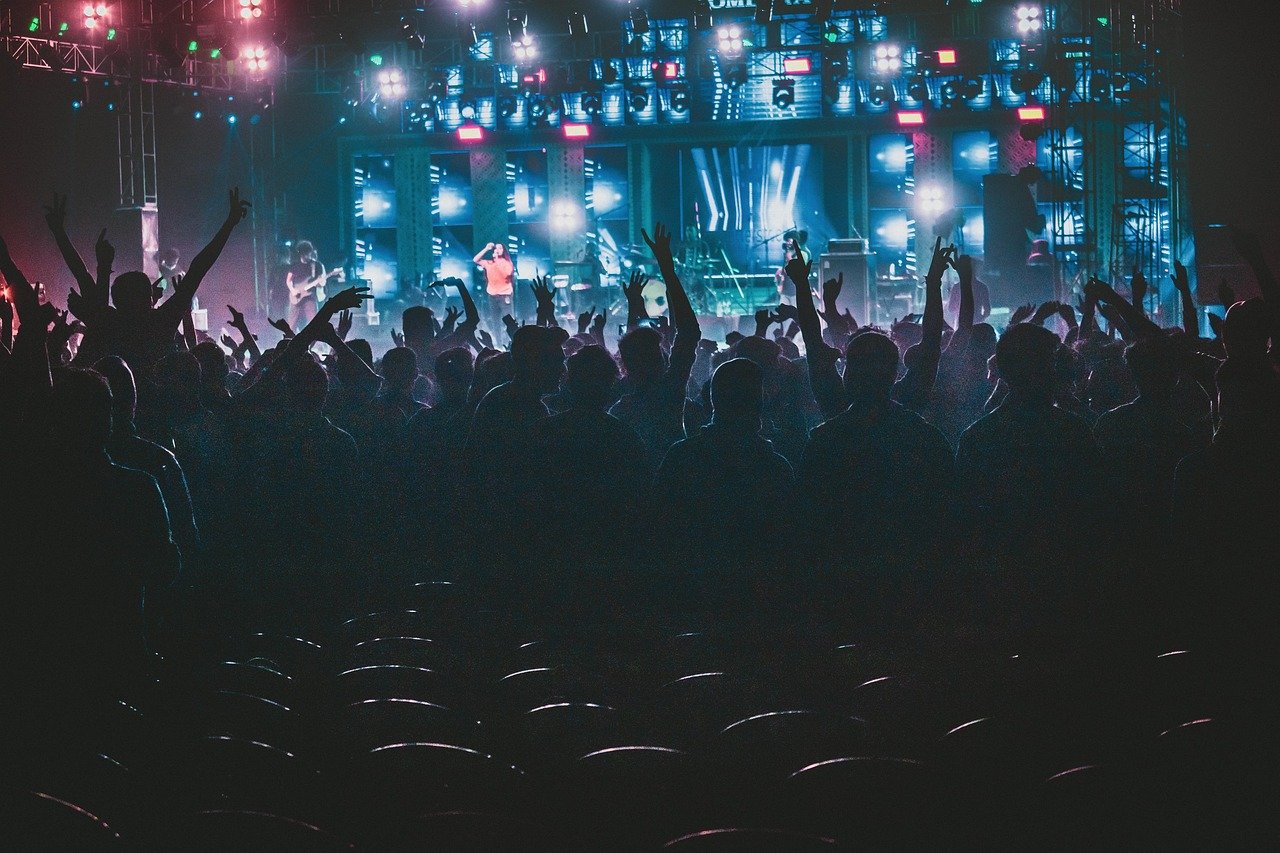
From the primal rhythms echoing in ancient ceremonies to the dazzling displays on global stages, dance is a universal language, a profound expression woven into the very fabric of human existence. It transcends cultural barriers, communicates complex emotions without a single spoken word, and offers a unique pathway to connect with ourselves and others. Whether you’re a seasoned performer or someone who simply can’t resist tapping your foot to a catchy beat, the world of dance is an exhilarating journey waiting to be explored.
The Universal Language of Dance: More Than Just Movement
Dance is an art form that speaks volumes, conveying stories, emotions, and cultural narratives across generations. It’s a testament to human creativity and a powerful tool for connection.
A Timeless Art Form
Across continents and centuries, dance has played a pivotal role in human society, reflecting beliefs, rituals, and celebrations.
- Ancient Origins: From cave paintings depicting communal dances to Egyptian tomb art showing ritualistic movements, dance served spiritual and social functions.
- Cultural Heritage: Folk dances like Ireland’s Riverdance, India’s Bharatanatyam, or Spain’s Flamenco are living museums of cultural identity and storytelling.
- Evolution of Forms: Classical ballet emerged from Renaissance courts, while hip-hop evolved from urban street culture, each telling a unique story of its time and place.
Practical Takeaway: To truly appreciate dance, observe different forms not just for their aesthetics but for the historical and cultural narratives they embody. Attend local cultural festivals or watch documentaries to witness the diversity.
Communication Without Words
One of dance’s most profound aspects is its ability to communicate complex ideas and feelings when words fall short.
- Emotional Expression: A dancer’s posture, gestures, and facial expressions can convey joy, sorrow, anger, or love, creating an immediate emotional resonance with the audience.
- Narrative Power: Ballets like “Swan Lake” or traditional storytelling dances tell intricate narratives purely through movement, music, and stagecraft.
- Social Bonding: Partner dances like Tango or Salsa rely on non-verbal communication and connection between dancers, fostering intimacy and understanding.
Practical Takeaway: Pay attention to the subtle cues and emotional shifts in a dance performance. Try freestyling to your favorite music, focusing on how different emotions manifest through your own body movements.
The Myriad Benefits of Dance for Mind, Body, and Soul
Engaging in dance offers a holistic array of advantages, transforming not just your physical self but also your mental landscape and emotional well-being.
Physical Health Advantages
Dance is a fantastic full-body workout that’s often so enjoyable you forget you’re exercising!
- Cardiovascular Health: Styles like Zumba, aerobic dance, or high-energy hip-hop elevate heart rate, improving stamina and cardiovascular fitness.
- Strength and Endurance: Ballet builds core strength and leg power, while partner dances often require lifting and supporting, enhancing overall muscle tone.
- Flexibility and Balance: Regular stretching and movement increase range of motion, and intricate footwork in styles like jazz or tap significantly improves balance and coordination.
- Weight Management: Consistent dance activity burns calories and helps maintain a healthy weight.
Practical Tip: Aim for at least 30 minutes of moderate-intensity dance a few times a week. Consider a dance fitness class that combines fun with effective exercise, such as a Bollywood dance workout or a contemporary dance fusion class.
Mental and Emotional Well-being
Beyond physical benefits, dance profoundly impacts our psychological state, offering a unique form of therapy and self-discovery.
- Stress Reduction: The rhythmic movement and focus required in dance act as a powerful antidote to stress, releasing endorphins that uplift mood.
- Cognitive Enhancement: Learning choreography demands memory, pattern recognition, and quick decision-making, sharpening cognitive functions and even potentially reducing the risk of cognitive decline.
- Self-Expression and Confidence: Dance provides a safe space to express emotions, fostering creativity and boosting self-esteem as skills improve.
- Mood Booster: The sheer joy of moving to music is a potent antidepressant, alleviating symptoms of anxiety and depression.
Practical Tip: If you’re feeling stressed, put on some music and just move. Don’t worry about steps; simply let your body respond naturally to the rhythm. Consider a dance meditation or a free-form movement class to explore this aspect.
Social Connection and Community
Dance is a powerful catalyst for building friendships and fostering a sense of belonging.
- Group Classes: Participating in studio classes or workshops offers opportunities to meet like-minded individuals and share a common passion.
- Social Dance Events: Salsa nights, ballroom dance parties, or swing dance events are vibrant hubs for social interaction and community building.
- Performance Opportunities: Joining a dance troupe or studio that offers performance showcases can forge strong bonds and shared accomplishments.
Practical Takeaway: If loneliness is a concern, seek out group dance classes in your community. Even a beginner’s class can open doors to new friendships and a supportive environment.
Exploring Diverse Dance Styles: A World of Rhythms
The world of dance is incredibly rich, offering a style to suit every personality, preference, and physical capability. Discovering your perfect rhythm is part of the adventure.
Classical and Traditional Forms
These styles are often characterized by rigorous training, specific techniques, and deep historical roots.
- Ballet: Emphasizes grace, precision, and ethereal movement. It’s the foundation for many other dance forms.
- Flamenco: A passionate Spanish dance with intricate footwork (zapateado), expressive arm movements, and hand clapping (palmas).
- Bharatanatyam: A classical Indian dance known for its intricate hand gestures (mudras), expressive facial movements (abhinaya), and rhythmic footwork.
- Irish Step Dance: Features rapid and precise foot movements, often with a stiff upper body.
Practical Tip: To appreciate the discipline and artistry, attend a live classical dance performance. Many academies offer introductory workshops that focus on fundamental postures and steps without the full commitment of rigorous training.
Contemporary and Urban Styles
These genres often blend techniques, prioritize self-expression, and have evolved from modern societal influences.
- Modern Dance: Rejects the strictures of classical ballet, focusing on more natural movements, improvisation, and gravity. Pioneers include Martha Graham and Merce Cunningham.
- Contemporary Dance: A fusion of modern, ballet, jazz, and lyrical styles, characterized by fluidity, versatility, and emotional depth.
- Hip-Hop: A broad category encompassing various street dance styles like breaking, popping, locking, and krumping, characterized by intricate footwork, acrobatic moves, and strong rhythms.
- Jazz Dance: Energetic and theatrical, often seen in musicals and music videos, characterized by sharp movements, turns, and leaps.
Practical Tip: Explore online tutorials for a taste of urban styles like hip-hop, or find a local studio offering a contemporary fusion class. These styles often encourage individual interpretation, making them great for personal expression.
Social and Partner Dances
These dances are centered around interaction, rhythm, and often have a strong social component.
- Salsa: A vibrant Latin dance known for its fast turns, intricate footwork, and close partner connection.
- Ballroom Dances: Includes elegant styles like Waltz, Foxtrot, Tango, and energetic ones like Cha-Cha and Jive, often practiced in formal settings.
- Swing Dance: A lively group of dances (e.g., Lindy Hop, Jitterbug) originating from the swing era, characterized by energetic movements and aerials.
- Line Dancing: Dancers move in lines without partners, performing a sequence of steps in unison to country or pop music.
Practical Tip: If you’re looking to meet new people or improve your coordination, a beginner’s social dance class is an excellent choice. Many studios offer free trial lessons or open house events.
Getting Started with Dance: Your First Steps
The idea of starting dance can feel daunting, but with the right approach, anyone can embark on this rewarding journey.
Finding the Right Class or Instructor
Choosing a suitable environment is crucial for a positive learning experience.
- Assess Your Goals: Are you looking for fitness, performance, social interaction, or pure self-expression? This will guide your style choice.
- Research Local Studios: Look for studios with positive reviews, experienced instructors, and classes for beginners. Many offer trial classes or introductory packages.
- Consider Instructor Style: Some prefer structured teaching, others a more free-form approach. Find an instructor whose teaching style resonates with you.
- Don’t Be Afraid to Try Different Places: It’s okay to visit a few studios before committing.
Actionable Takeaway: Utilize online search engines (e.g., “beginner dance classes near me”) and check out community centers, which often offer affordable options. Read reviews on platforms like Google or Yelp.
Essential Gear and Preparation
You don’t need much to start, but a few basics will enhance your comfort and safety.
- Comfortable Clothing: Wear clothes that allow for a full range of motion. Athletic wear is usually a safe bet.
- Appropriate Footwear: Some styles require specific shoes (e.g., ballet slippers, tap shoes, jazz sneakers), but many beginner classes are fine with clean sneakers or bare feet. Ask your instructor.
- Hydration: Always bring a water bottle. Dance is physical, and staying hydrated is key.
- Open Mind: The most important piece of “gear” is a willingness to learn, make mistakes, and have fun.
Practical Tip: For your first few classes, don’t invest heavily in specialized gear. Borrow if you can, or wear basic athletic attire. Your instructor can advise on necessary purchases once you decide to continue.
Overcoming Common Hurdles
It’s normal to face challenges when learning something new, especially dance.
- Fear of Judgment: Remember that everyone in a beginner class is learning. Focus on your own progress and enjoyment, not on comparing yourself to others.
- Lack of Coordination: Coordination is a skill developed through practice. Be patient, consistent, and celebrate small improvements.
- Time Constraints: Even 30 minutes of dance practice a few times a week can make a significant difference. Find what fits your schedule.
- Feeling Awkward: It’s part of the process! Embrace the awkwardness; it means you’re trying something new and growing.
Actionable Takeaway: Set realistic expectations. Your goal should be enjoyment and gradual improvement, not immediate perfection. Talk to your instructor about any specific concerns – they’ve likely heard it all before!
Dance for All Ages and Abilities: Inclusivity in Motion
Dance truly is for everyone, proving that passion and movement know no bounds when it comes to age or physical capability.
Dance for Children and Youth
Starting dance early offers numerous developmental benefits beyond just learning steps.
- Motor Skill Development: Improves gross and fine motor skills, coordination, and spatial awareness.
- Creativity and Imagination: Encourages self-expression and imaginative play through movement.
- Discipline and Focus: Learning choreography instills discipline, listening skills, and perseverance.
- Social Skills: Teaches teamwork, respect, and communication in a group setting.
Practical Example: A “creative movement” class for preschoolers focuses on exploring different ways to move their bodies, while a ballet class for older children introduces structured technique and discipline.
Dance for Adults and Seniors
It’s never too late to start dancing, and the benefits for older adults are particularly profound.
- Maintaining Mobility and Flexibility: Gentle dance classes can help combat stiffness and improve range of motion, reducing the risk of falls.
- Cognitive Health: Learning new routines stimulates the brain, helping to maintain cognitive function and memory.
- Social Engagement: Group dance provides vital social interaction, combating loneliness and fostering community.
- Improved Mood: The joy of movement and music is a powerful antidote to stress and can alleviate symptoms of depression.
Practical Example: Chair dance classes for seniors allow participants to enjoy rhythmic movement and music from a seated position, offering a safe and accessible way to stay active. Zumba Gold classes are tailored for active older adults, offering lower-impact, easy-to-follow choreography.
Adaptive Dance Programs
Dedicated programs ensure that dance is accessible and enjoyable for individuals with diverse needs.
- Inclusive Environments: These programs are designed to accommodate various physical, cognitive, and sensory needs, creating a supportive space for all.
- Therapeutic Benefits: Adaptive dance can improve motor skills, spatial awareness, communication, and emotional regulation.
- Wheelchair Dance: Participants use their wheelchairs as an extension of their bodies, performing intricate movements and partnering with others.
- Sensory-Friendly Classes: Modified lighting, sound, and teaching methods cater to individuals with sensory sensitivities, often including those on the autism spectrum.
Actionable Takeaway: If you or a loved one have specific needs, search for “adaptive dance” or “inclusive dance classes” in your area. Organizations like AXIS Dance Company are pioneers in physically integrated dance, proving that creativity knows no physical limits.
Conclusion
Dance is far more than just a sequence of steps; it’s a profound expression of humanity, a powerful tool for wellness, and a vibrant pathway to connection. From its ancient roots as a form of communication and ritual to its modern-day iterations as a fitness regimen, a social outlet, or a profound art, the benefits of dance are undeniable. It strengthens our bodies, sharpens our minds, uplifts our spirits, and binds us together. So, whether you’re drawn to the elegance of ballet, the energy of hip-hop, the rhythm of salsa, or simply the joy of free movement in your living room, we encourage you to step onto the dance floor. Discover your rhythm, embrace the journey, and experience the transformative power that only dance can offer. Your body, mind, and soul will thank you.