
Retail is far more than just a transaction; it’s a vibrant, ever-evolving ecosystem that sits at the intersection of commerce, culture, and innovation. From bustling street markets to sophisticated online storefronts, the retail industry shapes economies, defines consumer experiences, and reflects societal trends. In a world increasingly driven by digital connectivity and personalized expectations, understanding the complexities and opportunities within retail is crucial for businesses looking to thrive and consumers seeking value. This post will delve into the dynamic landscape of retail, exploring its transformations, key pillars, and future trajectory.
The Ever-Evolving Landscape of Retail
The retail sector has undergone a seismic shift, transforming from a largely localized, brick-and-mortar domain to a global, interconnected marketplace. This evolution isn’t just about technology; it’s about fundamental changes in how consumers discover, purchase, and interact with brands.
From Traditional Stores to Omnichannel Experiences
For centuries, retail was synonymous with physical stores – places where products could be seen, touched, and purchased. The advent of the internet, however, ushered in the era of e-commerce, revolutionizing convenience and accessibility. Today, the most successful retailers don’t choose between online and offline; they integrate them seamlessly into an omnichannel strategy.
- Brick-and-Mortar Reinvention: Physical stores are no longer just points of sale but experiential hubs, showrooms, and fulfillment centers. Think of Apple Stores offering workshops or Lululemon integrating yoga classes.
- Digital Dominance: Online sales continue to grow, driven by convenience, wider selection, and personalized recommendations. Mobile commerce, in particular, is a dominant force, with many consumers making purchases directly from their smartphones.
- The Omnichannel Imperative: A truly omnichannel approach ensures a consistent and cohesive customer journey across all touchpoints – whether a customer starts browsing on a mobile app, adds items to a cart on a desktop, and then picks them up in-store. This means unified inventory, customer data, and brand messaging across all channels.
Actionable Takeaway: Retailers must invest in creating a frictionless experience that bridges digital and physical channels, allowing customers to engage on their own terms. This requires integrated systems and a customer-centric mindset.
Customer Experience (CX) at the Core of Modern Retail
In a saturated market, price and product alone are often not enough to secure loyalty. The quality of the customer experience has become the ultimate differentiator. Brands that prioritize understanding and delighting their customers across every interaction are the ones that win long-term loyalty and advocacy.
Personalization and Engagement
Customers today expect more than just service; they expect experiences tailored to their individual needs and preferences. This level of personalization extends from product recommendations to post-purchase support.
- Data-Driven Personalization: Utilizing customer data (purchase history, browsing behavior, demographics) to offer relevant product suggestions, personalized emails, and targeted promotions. For example, a streaming service recommending shows based on past viewing habits, or an online apparel store suggesting outfits based on previous purchases.
- Exceptional In-Store Service: Empowering sales associates with product knowledge and tools (like mobile POS systems or access to customer profiles) to provide informed and personalized assistance. A great example is a boutique salesperson remembering a customer’s style preferences from a previous visit.
- Seamless Returns and Support: A straightforward return policy and responsive customer service build trust and reduce friction. The ease of returning an online purchase to a physical store, for instance, significantly enhances CX.
Actionable Takeaway: Invest heavily in understanding your customer segments. Implement technologies that enable personalization at scale, but never lose the human touch – empower your staff to create memorable, positive interactions.
Leveraging Data and Analytics for Retail Success
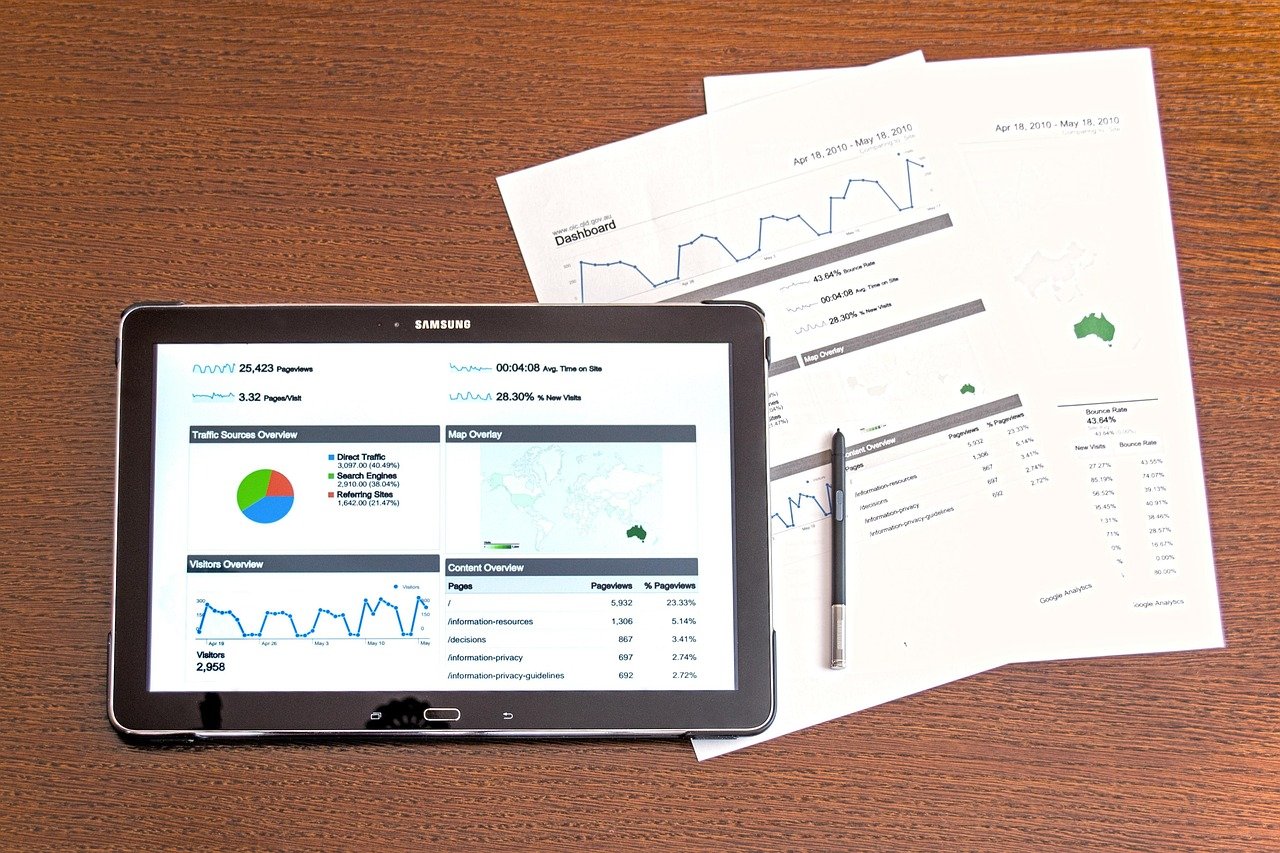
The digital age has turned retail into a data-rich environment. Every click, purchase, and interaction generates valuable information that, when analyzed effectively, can unlock unprecedented insights into consumer behavior, operational efficiency, and market trends.
Informing Strategy and Operations
Retail data analytics is no longer an optional add-on; it’s a core component of strategic decision-making. From optimizing inventory to crafting targeted marketing campaigns, data provides the intelligence needed to operate efficiently and profitably.
- Inventory Management: Analyzing sales data, seasonality, and promotional impact to optimize stock levels, minimize waste, and prevent stockouts. Predictive analytics can forecast demand for new products, reducing risk.
- Pricing Strategies: Dynamic pricing models, informed by competitor data, demand elasticity, and inventory levels, allow retailers to optimize margins and remain competitive.
- Marketing and Merchandising: Understanding which products are browsed together, which promotions convert best, and which channels drive the most traffic allows for highly effective marketing spend and visual merchandising layouts, both online and in-store.
- Customer Insights: Detailed analysis of customer segments, lifetime value (LTV), and churn rates helps in developing targeted loyalty programs and retention strategies.
Practical Example: A fashion retailer uses purchase history and browsing data to identify a rising trend in a particular style. They then leverage this data to quickly adjust their inventory orders, launch targeted social media campaigns featuring that style, and create in-store displays to capitalize on the trend before competitors. This data-driven agility leads to higher sales and reduced unsold inventory.
Actionable Takeaway: Implement robust data collection systems across all touchpoints and invest in analytics tools and expertise. Make data analysis an ongoing practice to identify trends, optimize operations, and inform every strategic decision.
Sustainability and Ethical Practices in Retail
Modern consumers, particularly younger generations, are increasingly conscious of the environmental and social impact of their purchases. This has made sustainable retail and ethical sourcing not just a niche concern but a mainstream expectation, driving significant shifts in brand strategy.
Building Trust Through Transparency
Consumers want to know where products come from, how they’re made, and what impact their purchase has. Brands that demonstrate a genuine commitment to sustainability and ethics can build stronger trust and loyalty.
- Supply Chain Transparency: Providing clear information about product origins, labor practices, and raw material sourcing. Blockchain technology is emerging as a tool to verify ethical sourcing from farm to shelf.
- Eco-Friendly Products and Packaging: Offering products made from recycled, organic, or sustainably sourced materials, and reducing single-use plastics in packaging. Many beauty brands now offer refillable options.
- Circular Economy Initiatives: Implementing programs for product take-back, repair, or recycling, thereby extending product lifecycles and reducing waste. Patagonia’s Worn Wear program is a prime example.
- Social Responsibility: Engaging in fair trade practices, supporting local communities, and ensuring ethical labor conditions throughout the supply chain.
Practical Example: A coffee company proudly displays certifications for fair trade and organic farming on its packaging and website. They also detail their partnerships with local growers, showing how a portion of profits directly benefits those communities. This transparency resonates deeply with consumers seeking ethically produced goods.
Actionable Takeaway: Integrate sustainable and ethical practices into your core business model, not just as a marketing tactic. Communicate your efforts clearly and authentically to your customers to build brand trust and attract conscious consumers.
Future Trends Shaping the Retail Industry
The retail industry is constantly evolving, with new technologies and shifting consumer behaviors driving innovation. Staying ahead of these retail trends is crucial for long-term success.
Innovation and Immersive Experiences
Technology continues to push the boundaries of what’s possible in retail, promising more immersive, personalized, and efficient shopping experiences.
- Artificial Intelligence (AI) and Machine Learning (ML): Powering hyper-personalization, predictive analytics, intelligent chatbots for customer service, and optimized inventory management. AI-driven visual search allows customers to find products by uploading an image.
- Augmented Reality (AR) and Virtual Reality (VR): Offering immersive shopping experiences, allowing customers to “try on” clothes virtually, visualize furniture in their homes before purchase (e.g., IKEA Place app), or explore virtual stores in the metaverse.
- Social Commerce: Integrating shopping directly within social media platforms, allowing users to discover and purchase products without leaving the app. Live stream shopping is gaining significant traction.
- Voice Commerce: The rise of smart speakers and voice assistants enables customers to make purchases using voice commands, simplifying the shopping process for everyday items.
- Subscription Models: From curated beauty boxes to essential refills, subscription services offer convenience, personalization, and recurring revenue for retailers.
Actionable Takeaway: Stay informed about emerging technologies and consumer behaviors. Consider pilot programs for AI-powered tools or AR shopping experiences to explore their potential for your brand and gain a competitive edge.
Conclusion
The retail industry is a dynamic force, constantly reinventing itself to meet the demands of an ever-changing world. From its traditional roots to its current state as a complex omnichannel ecosystem, retail continues to be defined by innovation, customer focus, and adaptability. Successful retailers of today and tomorrow will be those who:
- Embrace technology to create seamless, personalized shopping experiences.
- Leverage data effectively to drive intelligent business decisions.
- Prioritize customer experience across all touchpoints.
- Integrate sustainability and ethical practices into their core values.
- Remain agile and open to emerging trends like AI, AR, and social commerce.
As consumers continue to seek convenience, value, and purpose in their purchases, the retail landscape will only become more exciting and challenging. By understanding these fundamental shifts and committing to continuous innovation, businesses can not only survive but truly thrive in the vibrant world of retail.