
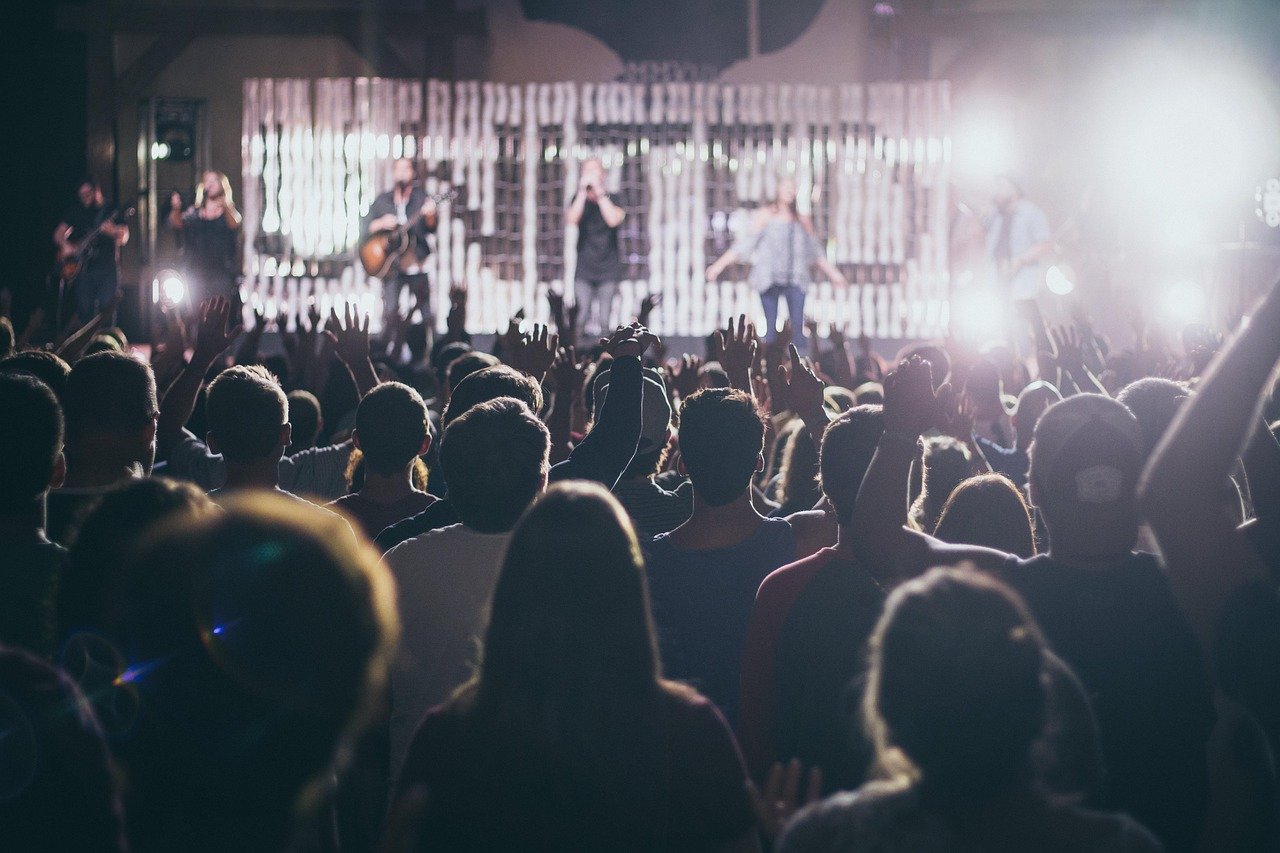
From the viral memes that dominate our social feeds to the blockbuster movies that define generations, pop culture is the vibrant, ever-evolving tapestry of shared experiences that shape our daily lives. It’s more than just fleeting trends or celebrity gossip; it’s a powerful force reflecting our collective values, anxieties, and aspirations. Understanding pop culture means understanding the pulse of modern society, a dynamic interplay of media, art, technology, and human connection that influences everything from fashion and language to political discourse and social movements. Dive in with us as we explore the intricate world of popular culture, dissecting its impact, evolution, and enduring significance.
The Ubiquitous Nature of Pop Culture
Pop culture, short for “popular culture,” encompasses the attitudes, ideas, images, and other phenomena that are within the mainstream of a given culture. It’s the collection of cultural products consumed by the majority of a society’s population. Unlike high culture, which often refers to elite or classical forms of art, pop culture is accessible, widespread, and often ephemeral, reflecting the current zeitgeist.
Defining the Undefinable
While seemingly simple, pinning down a precise definition of pop culture can be elusive. It’s fluid and constantly redefines itself. Historically, it was often juxtaposed with “folk culture” (traditional, locally produced) or “high culture” (artistic works appreciated by an educated elite). Today, the lines are increasingly blurred, with influences flowing in every direction.
- Accessibility: Pop culture is readily available to a large audience, often through mass media.
- Commercial Appeal: It often has significant commercial value, driving industries like entertainment, fashion, and technology.
- Temporal: Trends come and go, making much of pop culture time-sensitive and reflective of current societal moods.
- Reflective & Shaping: It both mirrors societal values and actively shapes them.
Actionable Takeaway: Recognize that pop culture isn’t a static concept but a living, breathing entity that mirrors and influences our collective consciousness. Staying attuned to its shifts can offer insights into broader societal trends.
Key Pillars of Pop Culture
Pop culture manifests across various mediums, each contributing to its pervasive influence:
- Entertainment: Film, television, music, video games, streaming content, and live performances are central to pop culture. Think global phenomena like the Marvel Cinematic Universe or the unprecedented success of artists like Taylor Swift and Bad Bunny.
- Fashion & Lifestyle: Clothing trends, celebrity endorsements, beauty standards, and dietary fads all fall under this umbrella. Brands and influencers often dictate what’s “in.”
- Technology & Digital Media: Social media platforms (TikTok, Instagram), viral trends, internet memes, and content creators are now primary drivers of pop culture. The average person spends hours daily consuming digital content, making it an undeniable force.
- Sports: Major sporting events and celebrity athletes often transcend the game itself, becoming cultural touchstones and influencing fashion, language, and national identity.
- News & Politics: The way political events are framed, the popularity of certain pundits, and how public figures engage with social media all contribute to the pop culture landscape.
Practical Example: The “quiet luxury” fashion trend, popularized on social media and reflected in TV shows like “Succession,” demonstrates how aesthetics, media, and consumer aspirations converge within pop culture.
The Evolution and Acceleration of Pop Culture
Pop culture is not a new phenomenon, but its speed, reach, and impact have been dramatically amplified over the last century, particularly with the advent of mass media and digital technology.
From Niche to Mainstream
In earlier eras, popular culture spread more slowly, relying on print media, radio, and eventually cinema. A hit song might take months to sweep a nation, and fashion trends would trickle down from Paris over years. The mid-20th century saw the rise of television, creating truly mass audiences for shows, advertisements, and news, laying the groundwork for modern pop culture’s rapid dissemination.
- Post-War Boom: The economic boom post-WWII led to more disposable income and leisure time, fueling the growth of entertainment industries.
- Youth Culture Emergence: Teenagers became a distinct consumer group, driving trends in music (e.g., rock and roll), fashion, and rebellion.
- Globalization: Increased international travel and trade helped cross-pollinate cultural ideas, leading to global trends in music, film, and fashion.
Practical Example: The Beatles’ arrival in America in 1964 exemplifies a watershed moment where a musical act became a global pop culture phenomenon almost overnight, thanks to television and radio.
The Digital Revolution’s Role
The internet, and specifically social media, has fundamentally reshaped how pop culture is created, consumed, and disseminated. It’s no longer a top-down phenomenon dictated solely by media moguls; individuals and grassroots movements can now launch global trends.
- Instant Global Reach: A meme or TikTok dance can go viral across continents in hours, not weeks.
- Democratization of Content Creation: Anyone with a smartphone can become a content creator, influencer, or trendsetter.
- Personalized Algorithms: Streaming services and social media platforms use algorithms to deliver personalized content, creating echo chambers but also exposing users to diverse trends.
- Short-Form Content Dominance: Platforms like TikTok have popularized short, digestible content, accelerating trend cycles.
Actionable Takeaway: Understand that the pace of pop culture is ever-increasing due to digital media. To stay relevant, engagement needs to be agile and responsive to emerging platforms and trends.
The Profound Impact of Pop Culture
Pop culture is not merely entertainment; it’s a powerful agent of change, influencing everything from individual identity to global economics and political discourse.
Societal Cohesion and Division
Pop culture can unite people, providing common ground and shared experiences. Think of a global sporting event like the Olympics or a universally loved TV show. However, it can also highlight societal divisions, sparking debates over values, representation, and authenticity.
- Building Community: Fandoms built around TV shows, bands, or games create strong communities, both online and offline, fostering a sense of belonging. Comic-Con attendees, for instance, share a deep passion for their chosen universes.
- Reflecting & Challenging Norms: Shows like “Pose” on FX brought LGBTQ+ narratives and experiences to a mainstream audience, prompting discussions and fostering empathy.
- Cultural Appropriation Debates: Pop culture often sparks debates about cultural appropriation versus appreciation, highlighting sensitivities around identity and heritage.
Practical Example: The global sensation of K-Pop group BTS has not only united millions of fans worldwide but also introduced many to Korean language and culture, showcasing pop culture’s power to bridge cultural divides.
Economic Powerhouse
Pop culture is a massive global industry. From streaming subscriptions and concert tickets to merchandise and brand endorsements, its economic footprint is staggering.
- Billions in Revenue: The global entertainment and media market alone is projected to reach over $2.6 trillion by 2026.
- Job Creation: It supports millions of jobs in creative industries, marketing, technology, and beyond.
- Tourism & Merchandising: Iconic film locations, music festivals, and character merchandise generate substantial revenue. Think of the tourism generated by “Game of Thrones” filming locations.
- Brand Influence: Influencer marketing, a direct result of pop culture’s reach, is a multi-billion dollar industry.
Actionable Takeaway: Recognize pop culture’s immense economic power. Businesses can leverage trending topics and personalities for marketing, while individuals can find career paths within its diverse industries.
Political and Social Commentary
Artists, filmmakers, musicians, and comedians often use their platforms to critique society, raise awareness, or spark political discussion. Pop culture can be a subtle yet potent tool for social change.
- Satire and Critique: Shows like “The Daily Show” or “Last Week Tonight” use humor to dissect political events and hold power accountable.
- Activism Through Art: Music, film, and art have long been tools for social movements, from protest songs of the civil rights era to modern climate change documentaries.
- Shaping Public Opinion: Portrayals of different groups or issues in popular media can significantly influence public perception and policy debates.
Practical Example: Beyoncé’s “Formation” music video and Super Bowl performance were powerful cultural statements about race, feminism, and police brutality, sparking widespread discussion and illustrating pop culture’s political potential.
Pop Culture as a Reflection and Driver of Society
Pop culture operates as a dynamic feedback loop: it reflects the prevailing moods and concerns of society, while simultaneously shaping new trends, values, and aspirations.
Mirroring Our Values and Anxieties
What becomes popular often reveals what society cares about, fears, or desires. Changes in popular narratives, character archetypes, or musical themes can provide insights into the collective psyche.
- Escapism & Aspiration: Fantasy shows and superhero blockbusters often reflect a desire for heroism and escape from everyday challenges. Reality TV, conversely, might tap into voyeurism or aspirations for fame.
- Social Justice Themes: The increasing popularity of diverse casts and storylines in film and TV reflects a growing societal demand for representation and equity.
- Technological Fears: Dystopian shows like “Black Mirror” explore anxieties about artificial intelligence, surveillance, and the impact of technology on humanity.
Practical Example: The surge in “cozy games” or “cottagecore” aesthetics during the pandemic reflected a widespread longing for simplicity, nature, and comfort amidst global uncertainty.
Shaping Trends and Aspirations
Beyond reflection, pop culture actively drives what we wear, what we say, and even how we perceive success and happiness.
- Language Evolution: Slang often originates in subcultures that gain pop culture traction, then integrates into broader usage (e.g., “stan,” “cringe,” “ghosting”).
- Fashion Cycles: Styles seen on celebrities or in popular media quickly influence retail trends, from runway to fast fashion.
- Career & Lifestyle Choices: The glamorization of certain professions in TV shows (e.g., forensic science in “CSI”) can influence career choices. Similarly, the prevalence of certain lifestyles on social media can set aspirational benchmarks.
Actionable Takeaway: Be a conscious consumer. Understand that the media you consume isn’t neutral; it carries messages that can influence your perceptions, values, and choices. Critically evaluate what’s being presented.
Navigating and Engaging with Pop Culture
In a world saturated with content, actively engaging with pop culture means being discerning, critical, and sometimes even a creator yourself.
Conscious Consumption
With an endless stream of media, it’s crucial to approach pop culture consumption mindfully. This means questioning narratives, understanding commercial motives, and seeking diverse perspectives.
- Media Literacy: Develop skills to critically analyze messages, identify biases, and understand the production context of pop culture products.
- Curate Your Feed: Actively choose what content and creators you follow on social media to ensure a diverse, healthy, and enriching experience.
- Support Ethical Content: Choose to support artists, platforms, and productions that align with your values, promoting ethical practices and responsible storytelling.
Practical Tip: Before sharing a viral trend or meme, take a moment to consider its origin and potential implications. Is it promoting positive values or inadvertently spreading misinformation?
The Rise of Fan Cultures and Fandom
Fandoms are perhaps one of the most vibrant and active aspects of modern pop culture. They represent communities built around shared passions, often leading to creative output and social activism.
- Active Participation: Fans don’t just consume; they create fan art, fan fiction, cosplay, theories, and host conventions.
- Community & Belonging: Fandoms provide spaces for individuals to connect with like-minded people, fostering a strong sense of identity and belonging.
- Driving Influence: Fandoms can wield significant power, influencing production decisions (e.g., campaigns to save a cancelled show) or driving social movements.
Actionable Takeaway: If you find a piece of pop culture that resonates deeply, consider joining its fandom. It can be a powerful way to connect, create, and experience a deeper sense of community.
Creating Your Own Pop Culture Narrative
The digital age has lowered the barrier to entry for content creation. You no longer need a major studio or record label to make an impact. Individuals and small groups can shape their own pop culture moments.
- Share Your Voice: Use platforms like blogs, podcasts, YouTube, or TikTok to express your unique perspective, talents, or interests.
- Engage Authentically: Success in the digital pop culture landscape often comes from authenticity and genuine connection with an audience.
- Innovate: Don’t just follow trends; consider how you can put a unique spin on them or create something entirely new that resonates with others.
Practical Example: Many popular podcasters started from humble beginnings, discussing niche interests that eventually gained massive followings, demonstrating how individual voices can become significant cultural forces.
Conclusion
Pop culture is an undeniable and increasingly influential force in the modern world. It’s a complex, dynamic ecosystem that both reflects our societal landscape and actively shapes our values, aspirations, and daily lives. From the global reach of streaming giants to the hyper-local communities of online fandoms, understanding pop culture is essential for anyone seeking to grasp the nuances of contemporary society. By engaging with it consciously, critically, and even creatively, we can not only navigate its ever-changing tides but also contribute meaningfully to the cultural narrative of our time, ensuring a richer, more representative, and more informed collective experience.