
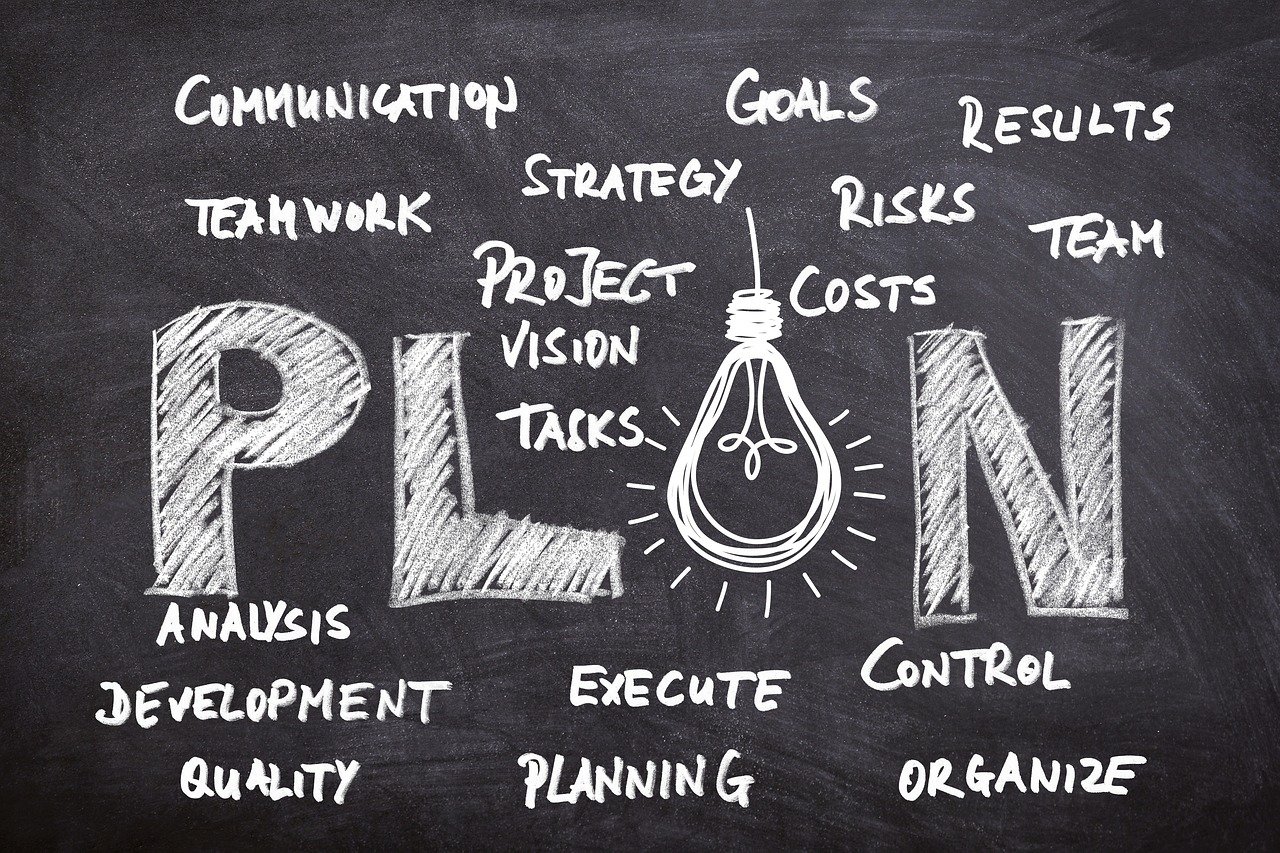
In the dynamic landscape of today’s business world, management is far more than just overseeing tasks; it’s the fundamental bedrock upon which successful organizations are built. From steering daily operations to charting long-term strategic directions, effective management is the catalyst that transforms ambition into achievement, challenges into opportunities, and individual efforts into collective triumphs. This comprehensive guide will delve into the multifaceted world of management, exploring its core principles, essential skills, and profound impact on organizational success.
What is Management? A Core Definition and Its Evolution
Management, at its heart, is the art and science of coordinating and directing resources—human, financial, technological, and natural—to achieve specific organizational goals. It encompasses planning, organizing, leading, and controlling, all while navigating complexity and fostering an environment where individuals and teams can thrive. While its core functions remain constant, the practice of management has evolved significantly over time.
Defining Management in the Modern Era
Modern management emphasizes agility, collaboration, and a people-first approach. It’s about empowering teams, fostering innovation, and adapting rapidly to market changes, rather than a purely top-down directive style.
- Planning: Setting objectives and determining the best course of action to achieve them.
- Organizing: Arranging resources and activities in a structured way to implement the plans.
- Leading: Motivating, guiding, and influencing employees to work towards organizational goals.
- Controlling: Monitoring performance, comparing it with goals, and taking corrective action as needed.
Actionable Takeaway: View management not as a static role, but as a dynamic process of continuous improvement and adaptation, always aligning individual contributions with overarching strategic objectives.
The Evolving Role of Managers
Today’s managers are not just taskmasters; they are coaches, mentors, facilitators, and strategic partners. Their role has expanded to include nurturing talent, fostering a positive work culture, and championing change.
- From Boss to Coach: Shifting focus from giving orders to developing employees’ skills and potential.
- Embracing Technology: Utilizing digital tools for project management, communication, and data analysis.
- Global Perspective: Managing diverse teams across different geographies and cultures.
- Emphasis on Soft Skills: Prioritizing emotional intelligence, empathy, and communication alongside technical expertise.
Practical Example: A modern manager uses project management software (e.g., Asana, Trello) to track team progress, holds weekly one-on-one coaching sessions, and actively solicits feedback to improve processes, rather than just assigning tasks and waiting for completion.
Key Pillars of Effective Management
Effective management rests on a few critical pillars that ensure smooth operations and progress towards desired outcomes. Mastering these foundational aspects is crucial for any aspiring or current leader.
Planning and Goal Setting
Strategic planning and clear goal setting provide direction and purpose. Without them, efforts can become fragmented and inefficient. This involves anticipating future challenges and opportunities.
- SMART Goals: Goals should be Specific, Measurable, Achievable, Relevant, and Time-bound.
- Strategic Planning: Defining the organization’s mission, vision, and long-term objectives.
- Operational Planning: Translating strategic goals into actionable short-term plans for departments or teams.
Practical Tip: Regularly review and update plans. For instance, a marketing manager might set a SMART goal to “increase website traffic by 20% within the next six months by launching three targeted SEO campaigns and two social media initiatives.”
Organizing Resources
Efficient organization of resources ensures that tasks are carried out effectively and without unnecessary bottlenecks. This includes human capital, financial assets, technology, and physical infrastructure.
- Delegation: Assigning tasks and authority to team members effectively.
- Structure Design: Creating clear reporting lines and departmental structures.
- Resource Allocation: Distributing budgets, equipment, and personnel optimally.
Actionable Takeaway: Develop a clear organizational chart and define roles and responsibilities to minimize confusion and maximize efficiency. Ensure everyone knows “who does what.”
Leading and Motivating Teams
Leadership is arguably the most vital aspect of management. It involves inspiring employees, fostering a positive work environment, and guiding them towards shared objectives. Great leaders don’t just manage; they empower.
- Inspirational Leadership: Communicating a compelling vision that motivates individuals.
- Employee Engagement: Creating an environment where employees feel valued, heard, and committed.
- Conflict Resolution: Mediating disputes and fostering harmonious working relationships.
Practical Example: A team manager holds weekly “wins and learnings” meetings, celebrating successes and openly discussing challenges, thereby building trust and morale. They also provide constructive feedback focused on growth, not just criticism.
Controlling and Monitoring Performance
The control function ensures that activities are aligned with planned goals and that deviations are corrected promptly. This involves setting performance standards and tracking progress.
- Performance Standards: Establishing measurable benchmarks for quality, quantity, and timeliness.
- Feedback Loops: Implementing regular performance reviews and feedback mechanisms.
- Corrective Actions: Identifying performance gaps and implementing strategies to bridge them.
Actionable Takeaway: Implement a robust performance management system that includes regular check-ins, clear metrics, and opportunities for both recognition and constructive improvement discussions. This directly impacts productivity.
Essential Skills for Modern Managers
Beyond the core functions, successful managers possess a refined set of skills that enable them to navigate complex situations, inspire their teams, and drive exceptional results. These are often referred to as management skills.
Communication and Interpersonal Skills
Clear, effective communication is the cornerstone of all successful relationships, professional or personal. Managers must be adept at both conveying information and actively listening.
- Active Listening: Truly understanding what others are saying, not just waiting to respond.
- Clear Articulation: Expressing ideas, expectations, and feedback in an unambiguous manner.
- Conflict Management: Facilitating resolution through open and honest dialogue.
Practical Tip: Practice the 3 C’s of communication: Be Clear, Concise, and Consistent. For important messages, follow up verbal communication with written summaries.
Decision-Making and Problem-Solving
Managers are constantly faced with choices and challenges. The ability to make sound decisions under pressure and effectively solve problems is paramount for steering a team or project in the right direction.
- Data-Driven Decisions: Basing choices on facts and analysis, not just intuition.
- Critical Thinking: Analyzing situations thoroughly to identify root causes of problems.
- Risk Assessment: Evaluating potential outcomes and implications of various decisions.
Practical Example: When faced with a project delay, an effective manager doesn’t just blame. They gather data on the cause, brainstorm solutions with the team, assess the pros and cons of each, and then make an informed decision on the best path forward (e.g., reallocating resources, adjusting deadlines, or simplifying scope).
Delegation and Empowerment
Effective managers understand that they cannot do everything themselves. Delegating tasks not only lightens their load but also empowers team members, fostering growth and ownership.
- Trust: Believing in the capabilities of team members to complete delegated tasks.
- Clear Instructions: Providing precise guidelines and expected outcomes for delegated work.
- Support: Offering necessary resources and guidance without micromanaging.
Actionable Takeaway: Identify tasks that can be delegated to develop team members. Start with smaller, less critical tasks, provide thorough instructions, and offer support and feedback throughout the process.
Emotional Intelligence and Empathy
Understanding and managing one’s own emotions, and recognizing and influencing the emotions of others, is crucial for building strong relationships and navigating workplace dynamics. This is key to effective team management.
- Self-Awareness: Understanding one’s own strengths, weaknesses, and emotional triggers.
- Empathy: The ability to understand and share the feelings of others.
- Relationship Management: Building rapport and resolving interpersonal issues effectively.
Practical Tip: Practice active listening and put yourself in your team members’ shoes. If an employee is struggling, instead of immediately criticizing, ask “What challenges are you facing right now? How can I support you?”
Adaptability and Change Management
The business world is constantly evolving. Managers must be flexible, open to new ideas, and skilled at guiding their teams through periods of transition and change.
- Flexibility: Adjusting strategies and approaches in response to new information or circumstances.
- Resilience: Maintaining composure and effectiveness during challenging times.
- Driving Innovation: Encouraging creativity and continuous improvement within the team.
Actionable Takeaway: When introducing a new process or technology, clearly communicate the ‘why’ behind the change, address concerns proactively, and involve team members in the implementation where possible to foster buy-in.
Strategies for Cultivating High-Performing Teams
A manager’s ultimate success is often measured by the performance of their team. Cultivating a high-performing team requires deliberate strategies focused on development, engagement, and clear direction.
Setting Clear Expectations
Ambiguity is the enemy of performance. Teams thrive when they understand what is expected of them, how their work contributes to the bigger picture, and how success will be measured.
- Role Clarity: Defining individual roles, responsibilities, and decision-making authority.
- Performance Metrics: Establishing quantifiable indicators for tracking progress and success.
- Vision Alignment: Ensuring team members understand the organization’s mission and how their work supports it.
Practical Example: Before starting a new project management initiative, hold a kick-off meeting to clearly define project scope, individual roles, timelines, and expected deliverables, ensuring every team member is aligned.
Fostering a Culture of Feedback
Feedback is a gift that helps individuals and teams grow. A continuous feedback loop, both positive and constructive, is essential for identifying areas for improvement and celebrating achievements.
- Regular 1-on-1s: Dedicated time for individual check-ins, coaching, and career development discussions.
- 360-Degree Feedback: Gathering input from peers, subordinates, and superiors for a holistic view.
- Constructive Criticism: Delivering feedback specifically on behavior or outcomes, rather than personality.
Actionable Takeaway: Implement a “feedback culture” where giving and receiving feedback is seen as a normal and valuable part of daily work. Model this behavior yourself by actively seeking feedback from your team.
Recognizing and Rewarding Performance
Motivation is significantly boosted when employees feel their efforts are seen and appreciated. Recognition can take many forms, from simple praise to formal rewards.
- Timely Recognition: Acknowledging achievements as they happen, not just during annual reviews.
- Varied Rewards: Utilizing both monetary and non-monetary recognition (e.g., verbal praise, public acknowledgment, professional development opportunities).
- Fairness and Transparency: Ensuring reward systems are perceived as equitable and clear.
Practical Example: Publicly acknowledge a team member’s exceptional effort during a team meeting, or send a personalized email to the entire department highlighting their contribution to a successful project. This fuels employee engagement.
Promoting Professional Development
Investing in your team’s growth benefits both the individual and the organization. Providing opportunities for learning and skill development demonstrates commitment to their long-term success.
- Training Programs: Offering access to workshops, courses, or certifications relevant to their roles.
- Mentorship Opportunities: Connecting team members with experienced professionals for guidance.
- Stretch Assignments: Giving individuals challenging tasks that push them outside their comfort zone for growth.
Actionable Takeaway: During performance reviews, discuss career aspirations with each team member and identify specific training or development opportunities that align with their goals and the needs of the business.
The Impact of Management on Organizational Success
The quality of management directly correlates with the overall health and success of an organization. From day-to-day operations to long-term strategic positioning, effective management is the driving force.
Driving Productivity and Efficiency
Well-managed teams are inherently more productive. Clear direction, optimized processes, and motivated employees lead to higher output and better utilization of resources, contributing to overall organizational success.
- Streamlined Workflows: Eliminating redundancies and optimizing operational processes.
- Resource Optimization: Ensuring proper allocation of time, budget, and personnel.
- Performance Monitoring: Tracking key metrics to identify and address inefficiencies.
Relevant Statistic: Studies often show that organizations with highly engaged employees (a direct result of good management) experience 21% higher profitability and 17% higher productivity compared to those with low engagement.
Enhancing Employee Engagement and Retention
Effective managers create workplaces where employees feel valued, supported, and motivated to stay. This reduces turnover costs and fosters a stable, experienced workforce.
- Positive Work Culture: Cultivating an environment of respect, trust, and psychological safety.
- Career Pathing: Helping employees see a future within the organization.
- Work-Life Balance: Supporting initiatives that promote employee well-being.
Practical Tip: Conduct regular stay interviews (informal chats with employees to understand why they stay and what might make them leave) to proactively address concerns and improve retention.
Navigating Challenges and Innovation
In a rapidly changing world, organizations need managers who can guide them through uncertainty, foster resilience, and champion innovation. This requires strong strategic management capabilities.
- Crisis Management: Leading teams effectively through unexpected downturns or challenges.
- Strategic Vision: Adapting to market shifts and identifying new opportunities for growth.
- Innovation Culture: Encouraging experimentation, learning from failures, and fostering creative problem-solving.
Actionable Takeaway: Regularly scan the industry landscape for emerging trends and technologies. Encourage your team to experiment with new ideas and dedicate a portion of team meetings to discussing potential future innovations for your products or services.
Conclusion
Management is a dynamic and indispensable discipline that underpins the very fabric of every successful enterprise. It’s about much more than just telling people what to do; it’s about inspiring, empowering, organizing, and strategically guiding individuals and teams towards shared objectives. By embracing the core pillars of planning, organizing, leading, and controlling, and by continuously developing essential skills like communication, empathy, and adaptability, managers can unlock immense potential within their teams and drive significant organizational success. Investing in strong management practices isn’t just an expense—it’s the most crucial investment a company can make for sustainable growth, innovation, and a thriving workforce.