
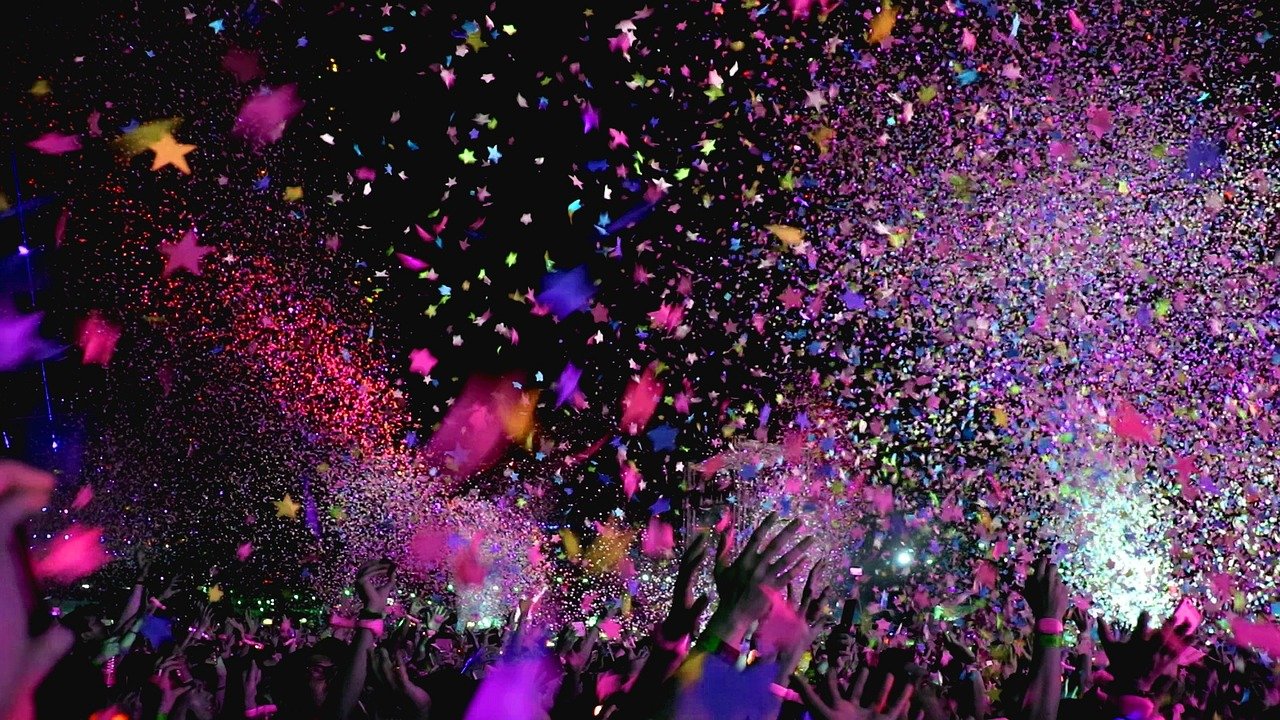
From the primal drumbeats of ancient rituals to the dazzling lights of a Broadway stage, dance has captivated humanity for millennia. It is more than just a sequence of movements; it’s a universal language, an art form, a powerful expression of joy, sorrow, love, and life itself. Dance transcends cultural barriers, speaking directly to the soul and connecting individuals in profound ways. Whether you’re a seasoned professional or someone who simply enjoys moving to music, the world of dance offers boundless opportunities for discovery, creativity, and well-being. Let’s delve into why this vibrant art form continues to resonate so deeply with us all.
The Timeless Appeal and Profound Benefits of Dance
Dance is a holistic activity that nurtures the body, mind, and spirit. Its multifaceted benefits contribute significantly to overall well-being, making it a powerful tool for personal growth and collective joy.
Physical Health Advantages
Engaging in regular dance practice offers an impressive array of physical benefits, suitable for people of all ages and fitness levels.
- Cardiovascular Health: Dynamic dance styles like Salsa, Hip-Hop, or Jazz elevate heart rate, strengthening the cardiovascular system and improving endurance. For example, a 30-minute high-energy dance session can burn as many calories as a moderate jog.
- Flexibility and Range of Motion: Styles such as Ballet, Contemporary, and even Yoga-infused dance forms significantly improve flexibility, helping to lengthen muscles and increase joint mobility. This can prevent injuries and reduce stiffness.
- Strength and Muscle Toning: From the core engagement in Ballroom dance to the powerful jumps in Tap, dance builds muscle strength and endurance across the entire body.
- Balance and Coordination: The intricate footwork and graceful arm movements inherent in almost all dance forms sharpen balance and enhance coordination, improving proprioception and reducing the risk of falls, particularly as we age.
- Weight Management: Dance is an enjoyable and effective way to burn calories and manage weight. A study published in the Journal of Physiological Anthropology found that women who engaged in Zumba for 16 weeks showed significant improvements in body composition.
Actionable Takeaway: Consider how incorporating just 30 minutes of dance into your weekly routine can significantly boost your physical health beyond just traditional exercise.
Mental and Emotional Well-being
Beyond the physical, dance offers profound mental and emotional benefits, acting as a natural mood enhancer and stress reliever.
- Stress Reduction: The physical exertion combined with the expressive nature of dance serves as an excellent outlet for releasing tension and stress. The focus required during choreography can also distract from worries.
- Mood Enhancement: Dancing releases endorphins, the body’s natural feel-good chemicals, leading to improved mood and reduced symptoms of anxiety and depression.
- Cognitive Function and Memory: Learning and remembering complex routines and steps, especially in partner dances, stimulates the brain. Studies suggest that dance can reduce the risk of dementia and improve cognitive function in older adults.
- Self-Expression and Emotional Release: Dance provides a non-verbal medium to express a wide range of emotions, allowing for catharsis and a deeper understanding of one’s inner world. For instance, improvisational dance workshops often encourage participants to explore feelings through uninhibited movement.
Actionable Takeaway: If you’re feeling overwhelmed, put on your favorite music and simply move. Even a few minutes of free-form dancing can be a powerful emotional reset.
Social Connection and Community
Dance is inherently a social activity, fostering connections and building communities.
- Meeting New People: Dance classes, workshops, and social dance events are excellent avenues for meeting like-minded individuals and expanding your social circle.
- Building Confidence: Successfully learning new steps, performing, or even just participating in a group class can significantly boost self-esteem and confidence.
- Teamwork and Communication: Partner dances like Ballroom, Latin, or Swing require clear non-verbal communication and teamwork, building trust and connection between dancers.
Actionable Takeaway: Seek out local dance studios or community centers offering beginner classes. You might not only learn a new skill but also find a welcoming new community.
Exploring the Vibrant World of Dance Styles
The beauty of dance lies in its incredible diversity. There’s a style for every personality, every mood, and every aspiration. Exploring different types of dance can be a journey of self-discovery.
Classical and Theatrical Dance
These styles often emphasize strict technique, grace, and storytelling through formalized movement.
- Ballet: Renowned for its elegance, precision, and ethereal quality. Ballet develops incredible strength, flexibility, and discipline. Think of iconic works like Tchaikovsky’s Swan Lake or The Nutcracker.
- Contemporary Dance: A fusion of ballet, jazz, and modern dance, contemporary emphasizes fluidity, emotional expression, and often ground work. It allows for greater freedom and innovation in movement.
- Jazz Dance: Energetic and rhythmic, Jazz dance incorporates a mix of African, European, and American influences. It’s often seen in musical theatre and commercial dance, known for its dynamic turns, leaps, and syncopated rhythms.
Social and Ballroom Dance
Focused on partner work and social interaction, these styles are perfect for events, parties, and building connection.
- Salsa: A vibrant, passionate Latin dance characterized by intricate footwork, turns, and a strong connection with a partner. It’s widely popular in social settings globally.
- Waltz: The epitome of elegance and grace, the Waltz is a classic ballroom dance performed in triple time. It’s a fundamental dance often learned for weddings and formal events.
- Tango: Originating in Argentina, Tango is known for its dramatic intensity, close embrace, and improvisational steps that convey passion and storytelling between partners.
Urban and Street Dance
Emerging from communities and informal settings, these styles are often highly improvisational, energetic, and expressive of youth culture.
- Hip-Hop Dance: A broad category encompassing styles like breaking, popping, locking, and funk. Hip-Hop is characterized by its powerful, rhythmic movements, individual expression, and strong connection to Hip-Hop music culture.
- Breaking (B-boying/B-girling): An athletic and acrobatic style featuring intricate footwork, freezes, power moves, and drops, often performed in battles or cyphers.
Folk and Cultural Dance
These dances are deeply rooted in specific cultures, preserving history, traditions, and community identity.
- Flamenco: A passionate Spanish art form combining intricate footwork (zapateado), hand clapping (palmas), guitar, and singing. It’s rich in emotion and improvisation.
- Bollywood Dance: Inspired by Indian cinema, Bollywood dance is a vibrant, energetic, and often narrative style that blends classical Indian dance with folk, Western, and street styles, characterized by elaborate costumes and expressive gestures.
Actionable Takeaway: Don’t limit yourself to what you think you “should” try. Explore a variety of dance class introductions, whether it’s a high-energy Zumba class, a graceful ballet session, or an expressive contemporary workshop. You might surprise yourself!
Getting Started: Your Journey into Dance
Embarking on your dance journey can be exciting and incredibly rewarding. Here’s how to take those first steps.
Finding the Right Class or Instructor
The quality of your initial experience can greatly influence your long-term engagement with dance.
- Research Local Studios: Look for dance studios in your area. Check their websites for class schedules, instructor bios, and testimonials. Many offer dedicated beginner classes or workshops.
- Consider Your Goals: Are you looking for fitness, social interaction, performance, or artistic expression? Some studios specialize more in certain areas (e.g., a “social dance” studio vs. a “pre-professional ballet” academy).
- Trial Classes: Many studios offer a free or discounted first class. This is an excellent way to sample different styles, meet instructors, and get a feel for the studio’s atmosphere before committing.
- Instructor Philosophy: Look for instructors who are supportive, encouraging, and patient, especially for beginners. A good teacher makes learning fun and accessible.
Practical Example: If you’re interested in Latin dance for social events, search for “Salsa classes near me” or “Bachata beginner workshops.” If ballet appeals to you, look for “adult beginner ballet” programs.
Essential Gear and Preparation
While you don’t need much to start, a few items can enhance your comfort and safety.
- Comfortable Clothing: Wear clothes that allow for a full range of movement. Leggings, track pants, t-shirts, and tank tops are usually suitable for most styles. Avoid overly baggy clothes that might snag or restrict.
- Appropriate Footwear:
- Ballet: Soft ballet slippers.
- Jazz/Contemporary: Jazz shoes or bare feet, depending on the class.
- Hip-Hop: Clean, supportive sneakers.
- Ballroom/Latin: Specific dance shoes with suede soles, often with a small heel. For beginners, clean indoor sneakers or flexible flat shoes might suffice.
- Water Bottle: Hydration is key! Bring a reusable water bottle to every class.
- Open Mind: The most crucial “gear” is a willingness to learn, make mistakes, and have fun.
Always check with the studio or instructor for specific footwear recommendations.
Embracing the Learning Process
Dance is a skill that develops over time, and patience is your best friend.
- Be Patient with Yourself: You won’t master everything in one class. Celebrate small victories and focus on your personal progress, not comparing yourself to others.
- Practice Regularly: Consistency is more important than intensity. Even 10-15 minutes of practice at home can make a significant difference.
- Ask Questions: Don’t hesitate to ask your instructor for clarification or extra tips. They are there to help you learn.
- Enjoy the Journey: Remember why you started dancing – for the joy of movement, the music, and the expression.
Actionable Takeaway: Commit to trying at least three different beginner dance classes before deciding which style feels right for you. This varied experience will give you a broader appreciation and a better chance of finding your passion.
Dance as a Form of Expression and Artistry
At its core, dance is an art form—a powerful and nuanced means of communication that transcends spoken language.
Storytelling Through Movement
Dance has an extraordinary capacity to convey complex narratives, emotions, and themes without uttering a single word.
- Conveying Emotions: A dancer’s posture, gestures, facial expressions, and dynamics can instantly communicate joy, sorrow, anger, or love. Think of the emotional weight in a single movement of a contemporary piece.
- Narrative Arc: From classical ballets like Giselle that tell tales of love and betrayal to modern choreographies addressing social justice, dance can unfold entire stories, often more powerfully than words alone.
- Cultural Heritage: Many traditional and folk dances are living stories, preserving historical events, myths, and cultural values through specific movements and rituals passed down through generations. For example, traditional Irish Step Dance carries centuries of cultural identity.
Personal Growth and Self-Discovery
Engaging in dance can be a profound journey into one’s inner self, fostering self-awareness and emotional intelligence.
- Unlocking Creativity: Dance encourages creative thinking, whether it’s through improvisation, developing personal style, or interpreting existing choreography in a unique way.
- Body Awareness: Dancers develop an acute understanding of their bodies, learning to listen to its signals and push its boundaries. This heightened proprioception can lead to greater confidence and control in everyday life.
- Emotional Processing: For many, dance acts as a therapeutic outlet. Moving through emotions physically can help process trauma, grief, or stress, leading to a sense of catharsis and healing. Dance movement therapy is a recognized field that uses this power for psychological healing.
The Role of Performance
While not every dancer seeks the stage, performance is an integral aspect of dance as an art form, creating a unique connection between performer and audience.
- Connecting with an Audience: A live dance performance creates an energy exchange, allowing the audience to feel and interpret the story or emotion presented by the dancer.
- Artistic Discipline: Preparing for a performance instills discipline, dedication, and attention to detail, pushing dancers to refine their technique and artistry.
- Shared Experience: Both for the performers and the audience, a dance performance is a shared, ephemeral experience that can evoke deep emotions and foster a sense of collective wonder.
Actionable Takeaway: Attend a local dance performance, whether at a community theatre or a professional venue. Observe how movement alone tells a story and evokes emotion; you might find yourself inspired to express more through your own body.
Dance Beyond the Studio: Career and Community
The influence of dance extends far beyond the studio or stage, shaping careers and strengthening communities.
Professional Dance Careers
For those with passion and dedication, dance can be a fulfilling career path with diverse roles.
- Performer: Professional dancers find roles in ballet companies, modern dance troupes, musical theatre productions, cruise lines, theme parks, and commercial work (music videos, tours).
- Choreographer: Creators of movement, choreographers conceptualize and stage dance pieces for various productions, from film and television to stage shows and competitive dance.
- Dance Educator: Teaching dance in studios, schools, universities, or community programs allows passionate dancers to share their knowledge and inspire the next generation.
- Dance Therapist: Utilizing movement to promote emotional, social, cognitive, and physical integration of the individual. Dance/movement therapists work in a variety of settings including hospitals, rehabilitation centers, and private practice.
- Arts Administrator: Professionals who manage and promote dance companies, festivals, or educational institutions, handling everything from funding to marketing.
Building a Dance Community
Dance is a powerful unifier, creating bonds and fostering a sense of belonging among participants.
- Social Dance Events: From weekly Salsa nights at a local club to swing dance conventions, these events create vibrant social hubs where people connect through shared movement and music.
- Workshops and Festivals: Attending dance workshops or international festivals provides opportunities to learn from diverse instructors, meet dancers from different backgrounds, and immerse oneself in a specific dance culture.
- Flash Mobs and Community Projects: Organized dance events in public spaces often bring together people from all walks of life, creating surprising and joyful collective experiences.
Dance for Social Change and Advocacy
Dance has always been a medium for protest, celebration, and giving voice to the voiceless.
- Political and Social Commentary: Choreographers and dance companies often create works that address pressing social issues, raising awareness and sparking dialogue on topics like human rights, environmental concerns, or gender equality.
- Therapeutic Outreach: Dance programs are used in underserved communities, with at-risk youth, or with individuals facing physical or mental health challenges, offering healing, empowerment, and a positive outlet.
- Cultural Preservation: Many indigenous and traditional dance forms are actively preserved and promoted to maintain cultural identity and resist cultural erosion, serving as a powerful form of advocacy.
Actionable Takeaway: If you’re passionate about dance, explore ways to get involved beyond just taking classes. Volunteer for a local dance company, attend a dance festival, or even organize a small social dance gathering. Your contributions can enrich the broader dance ecosystem.
Conclusion
Dance is far more than just exercise or entertainment; it is a fundamental human expression, a profound art form, and a powerful catalyst for personal and collective well-being. From strengthening our bodies and sharpening our minds to fostering deep social connections and enabling potent self-expression, the benefits of dance are truly transformative. Whether you dream of gracing a grand stage, finding solace in mindful movement, or simply enjoying the rhythm of life with new friends, there is a dance style waiting to ignite your spirit. Embrace the opportunity to move, to feel, to connect, and discover the boundless joy that dance can bring to your life. Take that first step, and let the music guide you.