
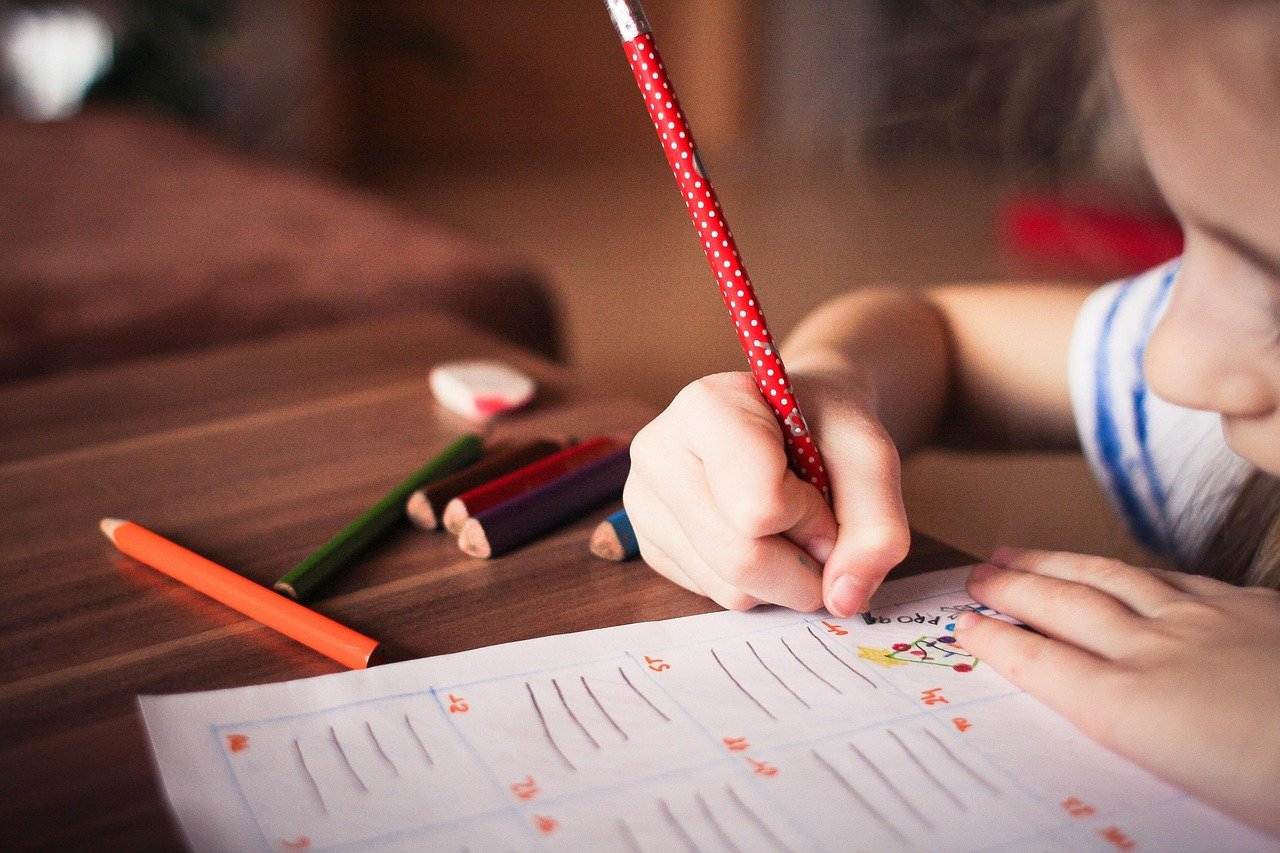
The classroom, once a static space primarily for rote memorization, has undergone a profound transformation. Today, it stands as the dynamic heart of learning, evolving to meet the complex demands of a rapidly changing world. More than just four walls and a chalkboard, modern classrooms are meticulously designed environments that foster creativity, critical thinking, collaboration, and communication – the essential skills for 21st-century success. They are spaces where curiosity is ignited, ideas are shared, and every student is empowered to reach their full potential, blurring the lines between physical design, pedagogical approach, and technological integration.
The Evolving Landscape of Modern Classrooms
Gone are the days when a classroom was solely defined by rows of desks facing a teacher. Modern educational philosophy emphasizes active learning, student-centered approaches, and the development of essential life skills. This shift has fundamentally reshaped our understanding and design of learning spaces.
From Rote Learning to Dynamic Hubs
The traditional classroom model, often synonymous with passive absorption of facts, is being replaced by dynamic learning hubs. These spaces prioritize engagement, exploration, and application of knowledge.
- Active Participation: Students are no longer just listeners but active participants in their learning journey.
- Inquiry-Based Learning: Encourages students to ask questions, investigate, and discover answers independently or collaboratively.
- Project-Based Learning (PBL): Students work on real-world projects, developing deeper understanding and practical skills.
Actionable Takeaway: Consider how your classroom encourages students to be active co-creators of knowledge rather than mere recipients. Facilitate discussions, debates, and hands-on activities regularly.
Key Characteristics of 21st-Century Classrooms
Modern learning environments are defined by several core characteristics that promote holistic student development.
- Flexibility: Spaces that can be easily reconfigured to support different learning activities, from individual study to small group collaboration or whole-class discussions.
- Collaboration Zones: Designated areas equipped for group work, brainstorming, and peer-to-peer learning.
- Personalization: Environments that allow for diverse learning styles and paces, catering to individual student needs.
- Technology-Rich: Seamless integration of digital tools and resources to enhance learning and extend beyond physical boundaries.
- Comfort and Well-being: Design elements that support student comfort, reduce stress, and promote mental and physical health.
Practical Example: A classroom with mobile desks, versatile chairs, and distinct areas for quiet reading, group projects, and direct instruction embodies flexibility. Imagine students seamlessly moving from a carpeted reading nook to a standing collaboration table for a science experiment.
Designing an Optimal Physical Learning Environment
The physical layout of a classroom has a profound impact on student behavior, engagement, and learning outcomes. Intentional design can transform a simple room into an inspiring educational space.
Flexible Seating Arrangements
Moving beyond traditional desk rows opens up a world of possibilities for student comfort and collaboration. Flexible seating empowers students to choose the learning position that best suits their needs.
- Increased Engagement: Students are more attentive and motivated when they are comfortable.
- Improved Focus: Different seating options can cater to varying attention spans and sensory needs.
- Enhanced Collaboration: Easy reconfiguration allows for quick transitions between individual and group work.
Examples:
- Standing Desks: Promote alertness and can improve posture.
- Floor Cushions/Beanbags: Offer relaxed reading or independent work zones.
- Wobble Stools/Stability Balls: Provide subtle movement for students who benefit from sensory input.
- Small Group Tables: Ideal for collaborative projects and discussions.
Actionable Takeaway: Gradually introduce a variety of seating options. Observe which options students gravitate towards for different tasks and adapt your classroom layout based on their preferences and needs.
Ergonomics and Comfort
A comfortable learning environment minimizes physical strain and maximizes a student’s ability to focus.
- Appropriate Furniture Height: Ensure desks and chairs are suitable for students’ ages and sizes.
- Ample Space: Avoid overcrowding, allowing students to move freely and minimize distractions.
- Temperature Control: Maintain a comfortable ambient temperature (typically 68-72°F or 20-22°C).
Practical Example: Providing adjustable height chairs and tables, or even simple footrests, can make a significant difference for students of varying heights, preventing discomfort and improving concentration during long lessons.
Sensory Considerations: Lighting, Acoustics, Color
The sensory environment plays a crucial role in student well-being and cognitive function.
- Natural Lighting: Maximize natural light to improve mood, reduce eye strain, and boost concentration. Use dimmable artificial lights when natural light is insufficient.
- Acoustics: Minimize noise distractions through sound-absorbing materials (carpets, acoustic panels) and clear communication practices.
- Color Palette: Use calming colors (blues, greens) for walls and vibrant accents for specific zones to stimulate creativity without overstimulation.
Actionable Takeaway: Open blinds and curtains whenever possible. Consider adding plants for improved air quality and a touch of nature. Test classroom acoustics by speaking from different areas to identify potential dead spots or echo issues.
Organization and Aesthetics
A well-organized and visually appealing classroom fosters a sense of calm and productivity.
- Clear Pathways: Ensure unobstructed routes for movement, enhancing safety and accessibility.
- Labeled Storage: Make it easy for students to find and put away materials independently.
- Student Work Displays: Showcase student achievements to build pride and ownership of the learning space.
- Decluttering: Regularly remove unnecessary items to reduce visual overload and create a focused atmosphere.
Practical Example: Implement a color-coding system for different subject materials or group supplies. Dedicate a “maker space” corner with accessible bins for art supplies, construction materials, and other creative tools, clearly labeled and easily maintained by students.
Integrating Technology for Enhanced Learning
Technology is no longer an add-on but an integral component of the modern classroom, offering unparalleled opportunities to personalize learning, access vast resources, and prepare students for a digital future.
Interactive Tools and Digital Resources
Leveraging technology can transform passive learning into active engagement and exploration.
- Interactive Whiteboards/Displays: Facilitate dynamic presentations, collaborative problem-solving, and access to online content.
- Tablets and Laptops: Enable personalized learning, research, content creation, and access to educational apps.
- Virtual Reality (VR) & Augmented Reality (AR): Offer immersive experiences, allowing students to explore historical sites, human anatomy, or distant galaxies from their desks.
- Online Learning Platforms (LMS): Tools like Google Classroom or Canvas streamline assignments, communication, and resource sharing.
Practical Example: Using an interactive whiteboard to annotate a historical map, then having students collaborate on a shared document outlining key events on their tablets. Or, take a virtual field trip to the Amazon rainforest using VR headsets.
Personalized Learning Pathways
Technology allows educators to tailor instruction to individual student needs, learning styles, and paces.
- Adaptive Learning Software: Programs that adjust content difficulty and pace based on student performance.
- Data Analytics: Tools that help teachers identify learning gaps and strengths, informing targeted interventions.
- Access to Diverse Content: Students can explore topics through videos, simulations, articles, and podcasts, catering to various learning preferences.
Actionable Takeaway: Explore free educational apps and websites relevant to your curriculum. Start with one new tool each term, providing clear instructions and scaffolding for student use.
Managing Technology Effectively
Successful tech integration requires thoughtful planning and clear guidelines.
- Digital Citizenship Education: Teach students about responsible and ethical online behavior, cybersecurity, and digital well-being.
- Clear Device Management: Establish rules for device usage, charging, and storage to minimize distractions and ensure equitable access.
- Teacher Training: Ongoing professional development for educators to effectively leverage new technologies.
- Technical Support: Ensure reliable IT support is available to address hardware or software issues promptly.
Practical Example: Establish a “tech-free zone” for certain activities or a designated charging station for all devices at the end of the day. Have students sign a digital citizenship agreement at the beginning of the school year.
Fostering Inclusivity and Diverse Learning Needs
An inclusive classroom is one where every student feels valued, respected, and supported, regardless of their background, abilities, or learning style. It’s about creating equitable opportunities for all.
Creating Accessible Spaces
Physical and digital accessibility ensures that all students can participate fully in the learning environment.
- Physical Accessibility: Ensure clear pathways, ramps where needed, accessible restrooms, and adjustable furniture for students with mobility impairments.
- Sensory Accommodations: Provide noise-canceling headphones for students sensitive to sound, fidget tools for those needing sensory input, or alternative lighting options.
- Digital Accessibility: Use screen readers, closed captions for videos, and accessible fonts and colors in digital materials.
Practical Example: For a student using a wheelchair, ensure their desk is positioned in a way that allows easy movement and access to materials. For a student with visual impairment, provide large print materials or digital text that can be magnified.
Differentiated Instruction Strategies
Tailoring instruction to meet the varied needs of students in the same classroom is fundamental to inclusivity.
- Content Differentiation: Provide materials at varying reading levels or in different formats (visual, auditory, kinesthetic).
- Process Differentiation: Offer choices in how students learn or make sense of content (e.g., individual work, partner work, small groups).
- Product Differentiation: Allow students to demonstrate their learning in various ways (e.g., written essay, oral presentation, artistic creation, digital project).
- Flexible Grouping: Group students strategically based on specific learning needs, interests, or project requirements, allowing for fluid transitions.
Actionable Takeaway: When introducing a new concept, provide a mini-lesson for the whole class, then offer three different follow-up activities catering to varying readiness levels or learning styles.
Promoting a Culture of Belonging
Beyond physical and instructional accommodations, fostering a strong sense of community is vital for an inclusive classroom.
- Culturally Responsive Teaching: Incorporate diverse perspectives, authors, and histories into the curriculum.
- Explicit Social-Emotional Learning (SEL): Teach empathy, conflict resolution, and respectful communication.
- Student Voice and Choice: Empower students to contribute to classroom rules, activities, and design decisions.
- Celebrate Diversity: Acknowledge and celebrate the unique backgrounds, languages, and traditions of all students.
Practical Example: Create a “Me Museum” project where students bring in items representing their culture, hobbies, or family history. Use cooperative learning strategies where students from different backgrounds work together on shared goals, building mutual respect and understanding.
Beyond the Traditional Walls: Expanding Learning Horizons
The concept of a “classroom” is expanding beyond its physical boundaries, embracing new environments and technologies to create richer, more diverse learning experiences.
Outdoor Classrooms and Nature-Based Learning
Taking learning outside connects students with nature, promotes physical activity, and offers unique hands-on experiences.
- Environmental Education: Direct observation of ecosystems, weather patterns, and plant life.
- Sensory Engagement: Stimulates senses through sounds, smells, and textures of the natural world.
- Well-being Benefits: Reduces stress, improves focus, and encourages physical activity.
- Creative Play: Natural elements like sticks, stones, and leaves become tools for imaginative construction and problem-solving.
Practical Example: Utilize a school garden for science lessons on plant growth, mathematics through measuring garden plots, or art through nature sketching. Conduct storytelling sessions under a tree or build a “bug hotel” to study local insect populations.
Virtual Classrooms and Blended Models
Digital platforms and online resources allow learning to transcend geographical limitations and integrate seamlessly with in-person instruction.
- Remote Learning Opportunities: Provides flexibility for students who cannot attend in-person, or for specialized courses.
- Blended Learning: Combines online digital media with traditional classroom methods, offering the best of both worlds.
- Access to Global Resources: Connects students to experts, virtual libraries, and peers worldwide.
Actionable Takeaway: Integrate short online modules or educational videos into your traditional lessons. Use collaborative online documents for group projects, allowing students to work together even when physically apart.
Community as a Classroom
The broader community offers an invaluable extension of the classroom, providing authentic learning experiences and real-world connections.
- Field Trips: Visits to museums, historical sites, businesses, and government offices.
- Guest Speakers: Inviting local professionals, artists, or community leaders to share their expertise.
- Service Learning: Engaging students in community projects that address real-world needs, fostering civic responsibility.
- Mentorship Programs: Connecting students with adult mentors from various fields.
Practical Example: A history class visits a local historical society, then interviews community elders about local history. A science class partners with a local environmental agency for a water quality testing project in a nearby stream. This makes learning relevant and impactful.
Conclusion
The modern classroom is a vibrant, evolving ecosystem, far removed from its traditional predecessors. It is a carefully curated space that champions student agency, fosters collaboration, embraces technological innovation, and prioritizes inclusivity. By thoughtfully designing our learning environments, integrating purposeful technology, and expanding our concept of “where” learning happens, educators can unlock unprecedented potential for student growth and success. Creating truly effective classrooms means continually adapting, listening to student needs, and fostering spaces where every learner feels empowered, inspired, and prepared for the challenges and opportunities of tomorrow.