
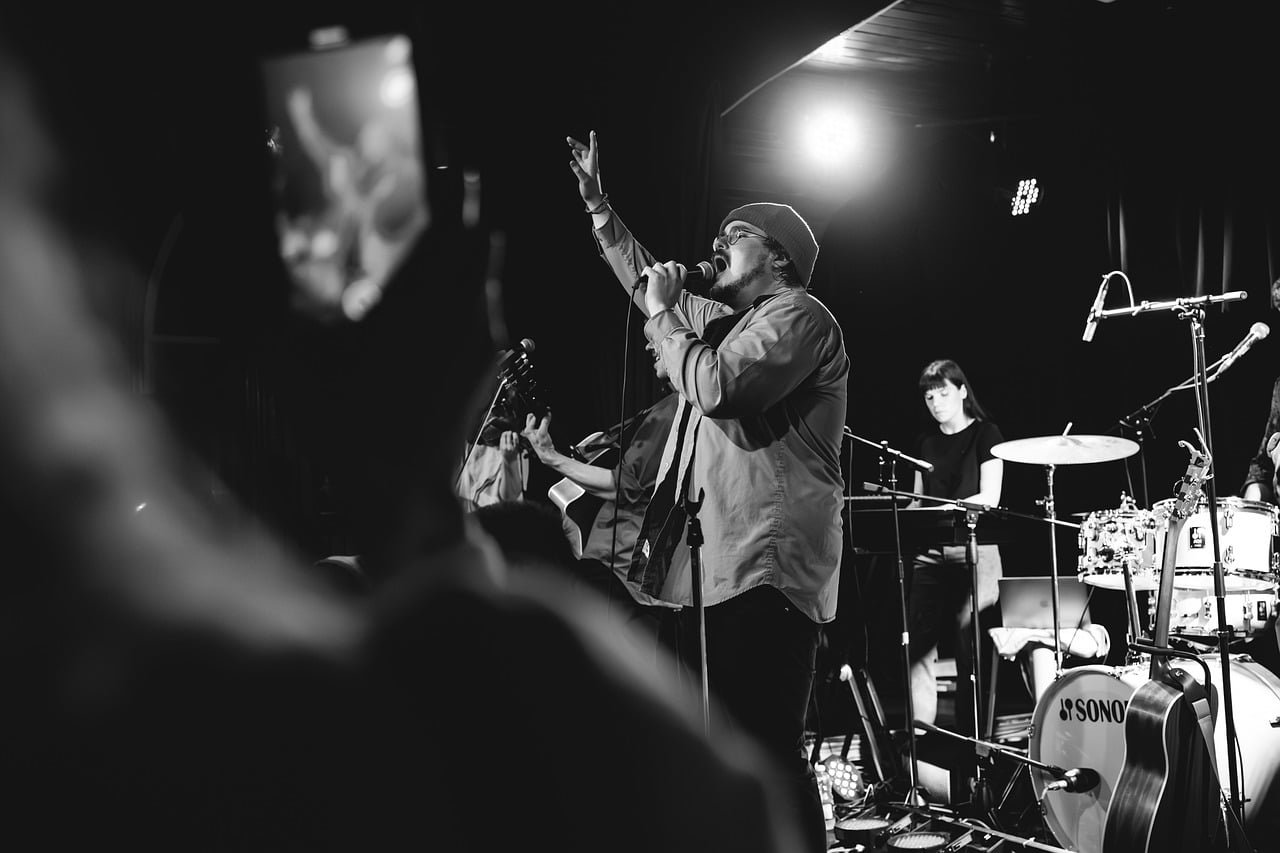
From ancient rituals marking the changing seasons to modern-day spectacles celebrating art, music, and cuisine, festivals are a universal language of human joy, connection, and expression. Across every continent and culture, these vibrant gatherings serve as powerful reminders of our shared humanity, offering a dynamic fusion of tradition and innovation. They are moments when communities come alive, stories are told through dance and song, and the mundane is transcended by the extraordinary. Dive into the captivating world of festivals, where every beat, every flavor, and every shared smile weaves into the rich tapestry of our collective experience.
The Universal Appeal of Festivals
Festivals are more than just events; they are intrinsic to human existence, woven into the fabric of societies worldwide. Their magnetic pull lies in their ability to unite, inspire, and offer a much-needed escape from daily routines, creating memories that last a lifetime.
What Defines a Festival?
At its core, a festival is a special occasion of celebration, typically observed by a community or cultural group, often with a specific theme. While their forms are incredibly diverse, key characteristics define them:
- Collective Celebration: A shared experience that brings people together.
- Thematic Focus: Centered around a particular idea, season, deity, art form, or historical event.
- Ritual and Tradition: Often involve specific customs, ceremonies, and practices passed down through generations.
- Sensory Immersion: Engaging multiple senses through music, food, decorations, costumes, and performances.
- Temporal Significance: Usually occur at specific, often recurring, times of the year.
Understanding these elements helps us appreciate the depth and meaning behind global celebrations, from the smallest local festival to the largest international spectacle.
Why Do We Celebrate?
The reasons for festival celebrations are as varied as the festivals themselves, yet they often stem from fundamental human needs and desires:
- Community Bonding: Festivals strengthen social ties, fostering a sense of belonging and collective identity. They are platforms for friends and families to reconnect and for strangers to find common ground.
- Cultural Expression and Preservation: They are living museums of culture, preserving traditions, storytelling, music, dance, and artisanal crafts for future generations. This ensures the continuity of heritage.
- Spiritual and Religious Observance: Many festivals are deeply rooted in faith, offering opportunities for devotees to honor deities, reflect on spiritual values, and express gratitude.
- Economic Stimulation: Festivals are significant drivers of local and national economies, boosting tourism, creating temporary jobs, and supporting local businesses. For example, major music festivals can contribute millions to local economies annually.
- Stress Relief and Joy: In a fast-paced world, festivals provide a crucial break, allowing people to relax, let loose, and experience pure joy and euphoria.
Actionable Takeaway: Seek out a local festival in your area. Engaging with community events is a fantastic way to experience cultural richness and meet new people, fostering a stronger sense of local belonging.
A Kaleidoscope of Festival Types
The world of festivals is incredibly diverse, reflecting the myriad cultures, interests, and beliefs that populate our planet. Exploring different types of festivals offers a window into humanity’s boundless creativity and celebratory spirit.
Cultural and Traditional Festivals
These festivals celebrate the unique heritage, history, and customs of a particular group or region. They are often steeped in ancient practices and are vital for cultural continuity.
- Diwali (India & Global): The Hindu “Festival of Lights,” symbolizing the victory of light over darkness, good over evil, and knowledge over ignorance. Celebrations involve lighting lamps, fireworks, family gatherings, and sweets.
- Carnival (Brazil, Caribbean, Europe): A vibrant pre-Lenten celebration known for elaborate parades, colorful costumes, samba dancing, and street parties. Rio Carnival alone attracts millions of visitors annually.
- Chinese New Year (East Asia & Global): Also known as the Spring Festival, it marks the start of the new year in the traditional lunisolar Chinese calendar. Family reunions, special foods, dragon dances, and red envelopes are key features.
Music and Arts Festivals
These events are dedicated to showcasing diverse musical genres, visual arts, performing arts, and creative expression. They attract artists and audiences from around the globe.
- Glastonbury Festival (UK): One of the world’s largest and most famous greenfield music and performing arts festivals, featuring contemporary music, dance, comedy, theatre, circus, and other arts.
- Coachella Valley Music and Arts Festival (USA): Renowned for its blend of established and emerging artists across rock, pop, indie, hip hop, and electronic dance music, alongside large-scale art installations.
- Edinburgh Fringe Festival (Scotland): The largest arts festival in the world, offering thousands of shows in theatre, comedy, dance, circus, cabaret, and more, performed in various venues across Edinburgh.
Food and Drink Festivals
A paradise for gourmands, these festivals celebrate local and international culinary traditions, offering tastings, cooking demonstrations, and unique gastronomic experiences.
- Oktoberfest (Germany): The world’s largest beer festival, held annually in Munich, Bavaria. Millions of visitors consume vast quantities of beer, traditional Bavarian food, and enjoy amusement rides and games.
- Taste of Chicago (USA): The world’s largest food festival, showcasing a vast array of Chicago’s diverse culinary landscape with food samples from hundreds of restaurants, alongside live music.
Religious and Spiritual Festivals
These festivals honor deities, commemorate significant religious events, or mark periods of spiritual reflection and renewal.
- Christmas (Global): Celebrating the birth of Jesus Christ, marked by gift-giving, family meals, decorations, and religious services.
- Eid al-Fitr (Global): Marking the end of Ramadan, the Islamic holy month of fasting. It’s a day of prayers, feasting, charitable giving, and family gatherings.
Modern and Niche Festivals
Reflecting contemporary interests, these festivals cater to specific hobbies, fan bases, or cutting-edge ideas.
- Comic-Con International (USA): A multi-genre entertainment and comic convention, primarily showcasing comic books, sci-fi/fantasy films and television, video games, and related popular arts.
- South by Southwest (SXSW) (USA): An annual conglomerate of film, interactive media, and music festivals and conferences that takes place in Austin, Texas. It’s a hub for innovation and creativity.
Actionable Takeaway: Make a list of three different types of festivals you’d like to experience. Research upcoming dates and locations for one of them and mark it on your calendar!
The Profound Impact of Festivals
Beyond entertainment, festivals wield significant influence, shaping economies, preserving cultures, and strengthening social bonds. Their ripple effects are felt far and wide, making them indispensable components of global society.
Economic Benefits
Festivals are powerful economic engines, injecting life and capital into host communities:
- Tourism Revenue: Major festivals attract domestic and international tourists, leading to increased spending on accommodation, transport, food, and local attractions. A study by UK Music found that music tourism generated £4.7 billion for the UK economy in 2019.
- Job Creation: They create temporary and permanent jobs across various sectors, including event management, security, catering, logistics, marketing, and hospitality.
- Support for Local Businesses: Local vendors, artists, and service providers benefit directly from increased foot traffic and demand for their products and services during festival periods.
- Infrastructure Development: Host cities may invest in improved public transport, venues, and public spaces to accommodate festivals, leading to long-term benefits for residents.
Cultural Preservation and Exchange
Festivals are crucial for maintaining the delicate balance of cultural heritage in an ever-globalizing world:
- Safeguarding Traditions: They provide a platform for elders to pass down knowledge, rituals, and skills to younger generations, preventing the loss of invaluable cultural practices.
- Showcasing Diversity: Festivals allow different cultures to proudly display their unique customs, fostering mutual respect and understanding among diverse populations.
- Artistic Innovation: While preserving tradition, many festivals also encourage contemporary artistic expression, blending old and new forms to create vibrant cultural narratives.
Social Cohesion and Well-being
The collective experience of festivals fosters strong community ties and contributes positively to individual well-being:
- Community Building: Working together to organize or participate in a festival strengthens community bonds and fosters a shared sense of identity and purpose.
- Mental Health Boost: The joy, excitement, and social interaction experienced at festivals can significantly reduce stress, combat feelings of isolation, and improve overall mood and mental health.
- Intergenerational Connection: Festivals often involve activities suitable for all ages, encouraging interaction between different generations and strengthening family ties.
Actionable Takeaway: Consider how you can support festivals sustainably. This could mean purchasing from local vendors, volunteering, or choosing eco-friendly travel options, thereby contributing positively to the festival’s long-term impact.
Navigating the Festival Experience: Tips for Attendees
Attending a festival can be an exhilarating and transformative experience. To make the most of it, a little preparation and mindful participation go a long way.
Planning Your Festival Adventure
Good planning ensures a smooth and enjoyable experience, whether you’re heading to a local fair or an international music event.
- Research Thoroughly: Understand the festival’s theme, schedule, venue layout, and rules. Check for specific entry requirements, such as age restrictions or prohibited items.
- Book Early: Tickets, accommodation (especially for destination festivals), and travel arrangements often sell out quickly or become more expensive closer to the date. For popular festivals, consider booking a year in advance.
- Budget Wisely: Factor in tickets, travel, food, merchandise, and emergency funds. Many festivals are cashless, so check payment options in advance.
- Pack Smart:
- Essentials: ID, tickets, money/cards, phone charger, power bank.
- Comfort: Comfortable shoes (you’ll be walking a lot!), weather-appropriate clothing layers, hat, sunglasses.
- Health & Safety: Sunscreen, hand sanitizer, first-aid kit (band-aids, pain relievers), any necessary medications.
- Hydration: Reusable water bottle (check if refill stations are available).
- Plan Meeting Points: Cell service can be spotty at large events. Designate clear meeting spots and times with your group.
Staying Safe and Sustainable
Your well-being and responsible environmental practices are crucial for a positive festival experience for everyone.
- Prioritize Hydration and Nutrition: Drink plenty of water throughout the day, especially if it’s hot or you’re active. Don’t skip meals.
- Protect Yourself: Use sunscreen, wear a hat, and seek shade. Be aware of your surroundings and keep valuables secure. Never leave drinks unattended.
- Travel Responsibly: Use public transport, carpool, or bike if possible to reduce your carbon footprint.
- Reduce Waste: Bring a reusable water bottle and coffee cup. Dispose of trash in designated bins and try to minimize single-use plastics. Many festivals are moving towards zero-waste initiatives.
- Respect the Environment: Stick to marked paths, do not litter, and respect local flora and fauna, especially in natural settings.
Maximizing Your Enjoyment
Embrace the spirit of the festival to create unforgettable moments.
- Embrace Spontaneity: While a plan is good, be open to discovering new artists, food vendors, or hidden corners you didn’t anticipate.
- Engage and Interact: Talk to fellow attendees, participate in workshops, or try local crafts. Festivals are prime opportunities for unique social connections.
- Capture Memories (Respectfully): Take photos and videos, but be mindful of others’ privacy and avoid blocking views. Immerse yourself in the moment rather than constantly viewing it through a screen.
- Rest and Recharge: Festivals can be intense. Pace yourself, take breaks, and get enough sleep to enjoy the entire duration.
Actionable Takeaway: Before your next festival, create a personalized packing list focusing on comfort, safety, and sustainability. Challenge yourself to bring zero single-use plastics to the event.
Conclusion
Festivals are truly magnificent expressions of human culture, creativity, and community. From the rhythmic beats of a music festival to the sacred solemnity of a religious observance, each event is a testament to our innate need to connect, celebrate, and share. They are powerful engines of economy, vital custodians of tradition, and essential catalysts for joy and social cohesion. By understanding their diverse forms, profound impacts, and how to engage with them responsibly, we not only enrich our own lives but also contribute to the vibrant tapestry of global celebrations. So, whether you seek cultural immersion, musical ecstasy, or simply a moment of shared festivity, there’s a festival out there waiting to ignite your spirit and create indelible memories. Go forth and celebrate!