
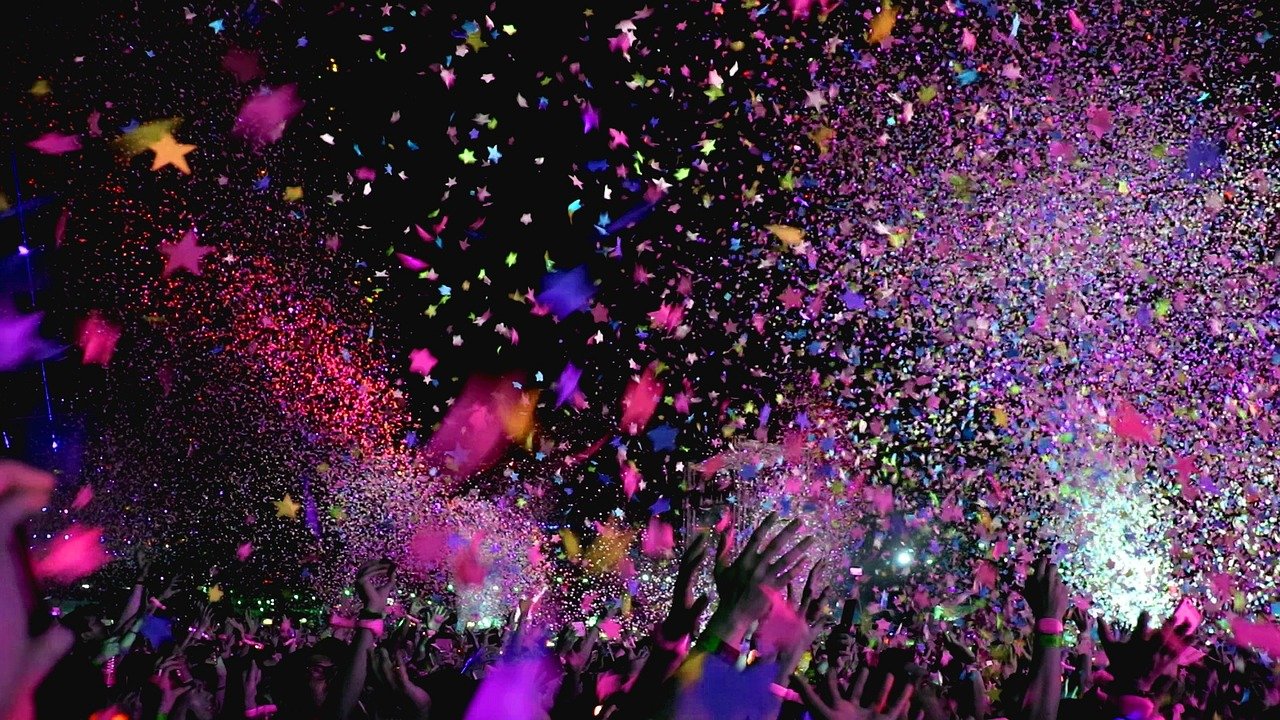
From the rhythmic pulse of ancient drums to the complex harmonies of a symphony orchestra, and the digital beats that dominate today’s airwaves, music has been an enduring, universal thread woven into the tapestry of human existence. It transcends barriers of language, culture, and time, speaking directly to the soul. Whether you’re a casual listener, an aspiring artist, a seasoned producer, or a curious mind, the world of music offers an endless landscape of discovery, emotion, and innovation. This post delves deep into the multifaceted nature of music, exploring its profound impact, its evolution, the modern tools shaping its creation, and the exciting future it holds.
The Universal Language and Emotional Power of Music
Music’s unique ability to communicate across all boundaries makes it truly a universal language. It’s more than just sound; it’s a profound form of expression that connects us on a fundamental level.
Emotional Resonance and Human Connection
The power of music to evoke emotion is unparalleled. A particular melody can trigger memories, shift moods, or even inspire collective action. This isn’t just anecdotal; scientific studies show how music impacts the brain’s reward system, releasing dopamine and other neurochemicals linked to pleasure and emotion.
- Mood Alteration: Upbeat tempos can energize and uplift, while melancholic tunes can provide comfort during sadness.
- Memory Triggers: Songs often become soundtracks to our lives, strongly associated with specific events, people, or places.
- Empathy and Bonding: Shared musical experiences, like concerts or sing-alongs, foster a sense of community and connection.
Actionable Takeaway: Curate playlists for different moods and activities. Use music consciously to enhance focus during work, relax before sleep, or energize your workouts. Pay attention to how different genres make you feel and build your personal sonic landscape.
Cultural Significance and Identity
Music is a vital component of cultural identity, reflecting the history, values, and traditions of communities around the world. It serves as a historical archive, a vehicle for storytelling, and a cornerstone of social rituals.
- Folk Music: Often preserves oral histories, ancient traditions, and regional dialects. Examples include Irish folk ballads or African griot traditions.
- National Anthems: Evoke patriotism and unity, symbolizing the spirit of a nation.
- Protest Songs: Have historically been powerful tools for social change, giving voice to marginalized groups and inspiring movements. Think of civil rights anthems or anti-war songs.
Actionable Takeaway: Explore music from different cultures and historical periods. Understanding the stories and contexts behind these sounds can deepen your appreciation for global diversity and the shared human experience.
The Evolution of Musical Styles and Genres
From ancient ritualistic chants to complex classical symphonies and the diverse genres of the modern era, music has continuously evolved, mirroring human innovation and societal changes.
A Historical Tapestry of Sound
Music’s journey is a fascinating narrative of innovation. Early forms were likely vocal, percussion-based, and tied to rituals. The development of notation in the medieval era allowed for complex compositional structures, leading to the Renaissance and Baroque periods, and culminating in the highly structured Classical era (e.g., Mozart, Beethoven).
- Medieval to Renaissance: Gregorian chants, madrigals, early polyphony.
- Baroque to Classical: Oratorios, concertos, symphonies, sonatas, opera – emphasizing structure, harmony, and grand expression.
- Romantic Era: Focus on emotion, individualism, nationalism, and program music (e.g., Chopin, Tchaikovsky).
Practical Example: Listen to Handel’s “Messiah” (Baroque) and then a Beethoven Symphony (Classical) to hear the shift in complexity, instrumentation, and emotional scope. Then, compare it to a Chopin nocturne (Romantic) to feel the surge of personal expression.
Modern Genres and Global Fusion
The 20th century witnessed an explosion of new genres driven by technological advancements and social upheaval. Jazz, Blues, Rock and Roll, Pop, R&B, Hip-Hop, Electronic Dance Music (EDM), and countless sub-genres emerged, often blending and influencing each other.
- Jazz and Blues: Roots of many modern genres, emerging from African American communities in the US.
- Rock & Pop: Defined youth culture for decades, constantly reinventing itself.
- Hip-Hop: A cultural phenomenon combining spoken word, rhythm, and sampling, deeply rooted in urban experiences.
- Electronic Music: Born from synthesizers and drum machines, now a vast landscape from techno to ambient.
Actionable Takeaway: Don’t limit your listening. Dive into unfamiliar genres. Many artists today are masters of genre fusion, creating exciting new sounds by blending elements of jazz with hip-hop, classical with electronic, or world music with pop. Sites like AllMusic or RateYourMusic can guide your exploration.
Music Creation and Production in the Digital Age
The barriers to entry for creating music have drastically lowered. What once required expensive studios and large teams can now be achieved by individuals with a laptop and some software, revolutionizing the creative landscape.
Essential Tools for the Modern Musician
Today’s music creation primarily revolves around powerful software and accessible hardware. These tools have democratized the production process, putting studio-quality capabilities into the hands of many.
- Digital Audio Workstations (DAWs): Software like Ableton Live, Logic Pro X, FL Studio, and Pro Tools are the heart of any modern music setup, allowing for recording, arranging, mixing, and mastering.
- Virtual Studio Technology (VSTs): These are software plugins that emulate instruments (synths, drums, pianos) or audio effects (reverb, delay, compression).
- Microphones and Audio Interfaces: Essential for capturing vocals and acoustic instruments with clarity, connecting them to your computer.
- MIDI Controllers: Keyboards, drum pads, and other devices that allow you to play and control virtual instruments in your DAW.
Practical Example: An aspiring songwriter can use a DAW like GarageBand (free on Apple devices) to record their vocals, program drums, add virtual instruments, and mix a demo track all from their bedroom. Learning a DAW is the first step for anyone interested in music production.
The Production Process Simplified
While the tools are accessible, the process still requires skill and artistry. Understanding the fundamental stages of music production is key.
- Songwriting/Composition: Developing melodies, harmonies, rhythms, and lyrics.
- Arrangement: Deciding which instruments play what parts and when, structuring the song (verse-chorus-bridge).
- Recording: Capturing audio (vocals, instruments) using microphones and interfaces, or programming MIDI.
- Editing: Cleaning up takes, correcting timing or pitch, removing unwanted noise.
- Mixing: Blending all the recorded tracks together, adjusting volume levels, panning, adding effects to create a cohesive sound.
- Mastering: The final polish to a stereo track, optimizing it for playback across various platforms and ensuring competitive loudness and sonic quality.
Actionable Takeaway: If you’re interested in creating music, start small. Experiment with a free DAW like GarageBand or Audacity. Watch tutorials online for basic recording, arranging, and mixing techniques. Don’t aim for perfection initially; focus on learning the workflow and expressing your ideas.
The Business of Music: From Labels to Streaming
The music industry has undergone a seismic shift, moving from a predominantly physical and label-controlled model to a digital, streaming-dominated landscape that empowers independent artists more than ever before.
The Traditional Industry Model
Historically, record labels held immense power, handling every aspect of an artist’s career from recording and promotion to distribution. Their infrastructure was crucial for reaching mass audiences.
- Record Labels: Provided advances for recording, marketing, and distribution.
- Publishing Companies: Managed songwriting rights, licensing, and royalties.
- Touring and Live Performance: Managed by booking agents and promoters, generating significant income for artists.
- Physical Distribution: CDs, vinyl, and cassettes were the primary revenue drivers.
Practical Example: In the 1990s, a band would sign a deal with a major label, which would fund their album recording, promote their singles on radio and MTV, and distribute CDs to stores worldwide. The label would take a significant cut, but the artist gained unparalleled reach.
The Rise of Streaming and Digital Distribution
The advent of MP3s, file-sharing, and later, legal streaming platforms fundamentally reshaped the industry. Services like Spotify, Apple Music, and YouTube Music now dominate consumption, providing unprecedented access to vast libraries of music.
- Global Reach: Artists can reach listeners in any corner of the world instantly.
- Data Insights: Streaming platforms provide artists with analytics on listener demographics, geographic reach, and popular tracks.
- New Revenue Streams: While individual stream payouts are small, the aggregate can be substantial, complemented by merchandise, sync licensing, and direct-to-fan platforms.
Relevant Data: Industry reports consistently show that streaming accounts for the largest share of music industry revenue globally, significantly surpassing physical sales and downloads.
Actionable Takeaway: For independent artists, leverage digital distributors (e.g., DistroKid, TuneCore) to get your music on all major streaming platforms. Focus on building a direct relationship with your audience through social media, email lists, and platforms like Patreon, rather than solely relying on third-party services.
The Future of Music: AI, Immersive Experiences, and Global Connectivity
The music landscape is constantly evolving, with new technologies and trends pushing the boundaries of creation, consumption, and interaction. The future promises even more personalization, immersion, and global collaboration.
Artificial Intelligence in Music
AI is increasingly playing a role in various aspects of music, from composition to personalized recommendations, offering both exciting possibilities and ethical considerations.
- AI Composition: Algorithms can generate melodies, harmonies, and even full instrumental pieces based on learned styles and parameters. Examples include Amper Music and AIVA.
- AI Mastering: Tools like LANDR use AI to master tracks quickly and affordably.
- Personalized Discovery: Streaming services use AI to analyze listening habits and recommend new music tailored to individual tastes.
- Enhanced Production: AI plugins can assist with mixing, sound design, and even de-mixing existing tracks.
Practical Example: A video game developer could use an AI composition tool to generate an endless stream of background music tailored to the game’s mood and action, rather than relying on a limited library of pre-composed tracks.
Immersive Listening Experiences
Beyond traditional stereo, new audio technologies are emerging that aim to place the listener within the music, creating highly immersive and spatial experiences.
- Spatial Audio: Technologies like Dolby Atmos and Sony 360 Reality Audio create a three-dimensional soundstage, making it feel like instruments are coming from all around you.
- Virtual Reality (VR) Concerts: Artists are experimenting with live performances in virtual spaces, allowing fans to attend concerts from anywhere in the world and interact in new ways.
- Interactive Music: Future possibilities include music that adapts in real-time to a listener’s biometric data (e.g., heart rate) or environmental factors.
Actionable Takeaway: If you have access to headphones and a streaming service that supports spatial audio (e.g., Apple Music with compatible devices), try listening to an album mixed in Dolby Atmos. It can offer a fresh perspective on familiar tracks and demonstrate the future of sonic immersion.
Breaking Down Barriers: Global Connectivity
The internet has made the world a smaller place for music, fostering unprecedented global collaboration and cross-cultural exchange, leading to new hybrid genres and a truly global music scene.
- International Collaborations: Artists from different continents can easily work together on tracks, sharing files and ideas online.
- Discovery of Niche Genres: Listeners can easily discover regional music scenes and sub-genres that were once inaccessible.
- Diversification of Mainstream: Global hits often incorporate elements from various world music traditions, reflecting a more interconnected world.
Actionable Takeaway: Actively seek out global music charts and curated playlists from different countries. Explore platforms like Bandcamp for independent international artists. Engage with artists and fans from diverse backgrounds to broaden your musical horizons and understanding.
Conclusion
Music, in its myriad forms, remains an indispensable part of the human experience. From its ancient roots as a communicative tool and emotional outlet to its modern manifestation as a global industry driven by digital innovation, its power to connect, inspire, and transform is undeniable. We’ve journeyed through its rich history, explored the democratization of its creation, navigated the complexities of its business, and peered into a future shaped by AI and immersive technologies. As we continue to evolve, so too will music, forever adapting and reflecting the intricate symphony of life itself. So, keep listening, keep exploring, and perhaps, even keep creating, for the world of music is an infinite wellspring of wonder.