
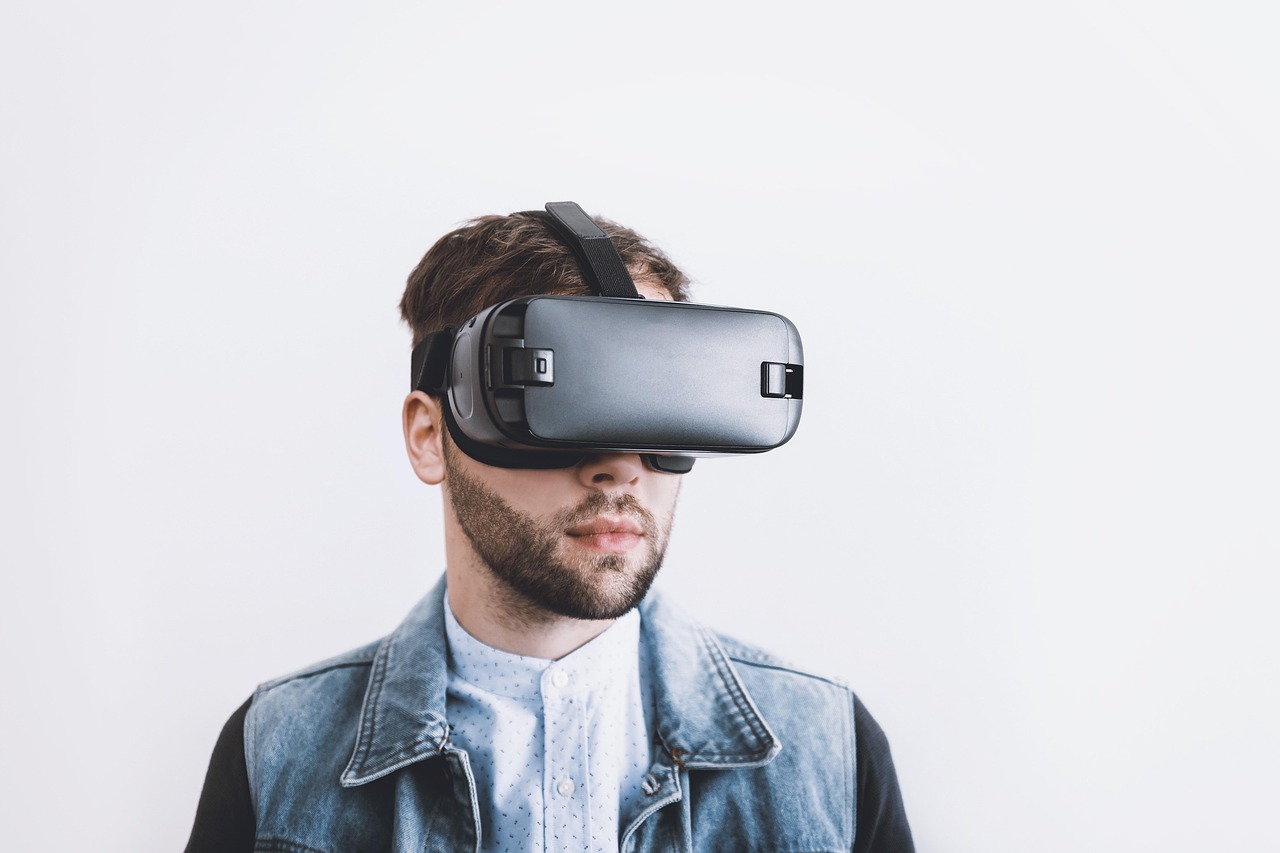
In a world saturated with information, noise, and fleeting attention spans, there’s a powerful force that cuts through the clutter, captivates audiences, and leaves a lasting impression: creative media. It’s the dynamic fusion of art, technology, and communication that shapes our perceptions, drives innovation, and enriches our daily lives. From the mesmerizing visuals of a blockbuster film to the immersive experience of a virtual reality game, creative media isn’t just about making things look good; it’s about crafting compelling stories, building meaningful connections, and pushing the boundaries of human expression in the digital age. This post will explore the expansive world of creative media, its disciplines, tools, impact, and future, offering insights for anyone looking to understand or thrive within this vibrant industry.
Unpacking Creative Media: More Than Just Art
Creative media encompasses any form of content that uses artistic and technical skills to communicate messages, ideas, or emotions through digital or traditional mediums. It’s an umbrella term for a vast array of disciplines that leverage creativity and technology to produce engaging and impactful experiences. At its heart, it’s about visual storytelling, auditory engagement, and interactive design.
Defining the Digital Canvas
- Fusion of Disciplines: Creative media blends traditional artistic principles (like composition, color theory, narrative) with modern technological tools (software, hardware, platforms).
- Purpose-Driven: While often aesthetic, creative media typically serves a purpose – whether it’s to inform, entertain, educate, persuade, or simply provoke thought.
- Dynamic Evolution: This field is constantly evolving, driven by advancements in technology and shifts in audience consumption habits. What was cutting-edge yesterday might be standard today.
Practical Example: Consider a marketing campaign for a new product. It might involve graphic designers creating eye-catching visuals, video producers shooting commercials, sound designers crafting engaging audio, and web developers building an interactive landing page. All these elements fall under the umbrella of creative media, working in concert to achieve a specific goal.
Actionable Takeaway: To truly grasp creative media, think beyond individual art forms. Recognize it as an integrated ecosystem where different creative disciplines collaborate to deliver a cohesive message or experience.
Key Disciplines and Their Impact
The landscape of creative media is incredibly diverse, offering a multitude of paths for expression and professional development. Each discipline contributes uniquely to the overall media ecosystem, from static visuals to fully immersive interactive worlds.
Visual Storytelling: Graphic Design, Photography, and Illustration
These disciplines are the foundation of much of what we see daily, shaping brand identities, conveying information, and evoking emotions without words.
- Graphic Design: Focuses on visual communication and presentation. This includes logos, branding, UI/UX design, print media (brochures, posters), and digital advertisements. Tools often include Adobe Photoshop, Illustrator, and InDesign.
- Photography: The art of capturing images with light. Used in journalism, advertising, fashion, fine art, and documentary work. Techniques vary from street photography to elaborate studio setups.
- Illustration: Creating images that tell a story or convey a concept, often used in books, magazines, animations, and branding. Can be traditional (hand-drawn) or digital (Procreate, Clip Studio Paint).
Practical Example: A startup company requires a unique brand identity. A graphic designer creates a memorable logo and color palette. A photographer shoots product images for their website, and an illustrator develops mascots or infographics to explain complex services. This combination creates a strong visual presence.
Actionable Takeaway: Master the fundamentals of visual hierarchy, color theory, and composition, regardless of your chosen visual medium. Strong foundational skills are universally applicable.
Dynamic & Immersive Experiences: Video, Animation, and Sound Design
These fields bring visuals and audio to life, creating engaging narratives and sensory experiences that captivate audiences across various platforms.
- Video Production: Encompasses everything from filmmaking and documentary creation to corporate videos, music videos, and vlogs. Involves pre-production (scripting, storyboarding), production (shooting), and post-production (editing, VFX).
- Animation: The art of bringing still images to life through motion. This includes 2D (cartoon, motion graphics) and 3D animation (CGI in films, game assets). Software like Blender, Autodesk Maya, and Adobe After Effects are key.
- Sound Design: The creative process of specifying, acquiring, manipulating, or generating auditory elements. Crucial for film, games, podcasts, and even user interfaces to enhance immersion and emotional impact.
Practical Example: A game developer wants to create an immersive forest environment. Video animators model trees and characters, while sound designers record and manipulate ambient forest sounds, animal calls, and character footsteps. The combination transports the player into the virtual world.
Actionable Takeaway: Explore how sound and motion complement static visuals. A well-placed sound effect or smooth animation can significantly elevate the user’s engagement and understanding.
Interactive & Digital Design: Web, UI/UX, and Game Development
These disciplines focus on creating interactive experiences where users actively participate and engage with the content, making the digital world more intuitive and enjoyable.
- Web Design: The creation of websites and web applications, focusing on both aesthetics and functionality. Involves coding (HTML, CSS, JavaScript) and design principles for user experience.
- UI/UX Design (User Interface/User Experience): UI focuses on the visual and interactive elements users engage with (buttons, icons). UX focuses on the overall feeling and satisfaction a user gets from interacting with a product or service. Both are critical for intuitive digital products.
- Game Development: The process of creating video games. This involves concept art, programming, level design, character modeling, animation, and sound design, bringing together almost all aspects of creative media.
Practical Example: An e-commerce brand wants to redesign its mobile app. UX designers research user behavior to optimize the flow for easy purchases. UI designers then create intuitive, visually appealing screens and interactive elements, ensuring a seamless and enjoyable shopping experience.
Actionable Takeaway: Always prioritize the end-user. Good interactive design isn’t just about looking good; it’s about being intuitive, accessible, and functional.
Essential Tools and Technologies for Creative Media Professionals
The right tools are indispensable for any creative media professional. Technology has democratized content creation, making powerful software and hardware accessible to a broader audience, while also constantly pushing the boundaries of what’s possible.
Software Powerhouses: The Digital Workshops
Industry-standard software suites are the backbone of modern creative media production.
- Adobe Creative Suite: A comprehensive collection including Photoshop (image manipulation), Illustrator (vector graphics), InDesign (page layout), Premiere Pro (video editing), After Effects (motion graphics, VFX), and Audition (audio editing).
- 3D Software: Blender (free, open-source 3D modeling, animation, rendering), Autodesk Maya (industry-standard for film and games), Cinema 4D (motion graphics).
- Audio Workstations: Pro Tools (professional audio production), Logic Pro X (Apple-specific music production), DaVinci Resolve (all-in-one video editing, color grading, audio post-production, VFX).
- Web Development & UI/UX: Figma, Sketch, Adobe XD (UI/UX design), VS Code (code editor), various CMS platforms (WordPress, Shopify).
Practical Tip: While paid suites offer comprehensive features, many powerful free alternatives exist. Blender, DaVinci Resolve, and GIMP are excellent starting points for aspiring creatives on a budget.
Actionable Takeaway: Don’t just learn the software; understand the underlying principles of design and storytelling. Software is merely a tool to execute your creative vision.
Hardware Essentials: Extending Capabilities
Beyond software, specialized hardware can significantly enhance creative output and efficiency.
- High-Performance Computers: Powerful CPUs, ample RAM, and dedicated graphics cards are crucial for rendering complex visuals, editing high-resolution video, and running demanding software smoothly.
- Cameras & Microphones: DSLR/mirrorless cameras (photography, videography), professional camcorders, high-quality condenser microphones for crystal-clear audio recording.
- Graphics Tablets: Wacom, XP-Pen, or Huion tablets provide natural drawing and painting interfaces for digital artists and illustrators.
- VR/AR Headsets: Oculus Quest, HTC Vive, Apple Vision Pro for developing and experiencing immersive content.
Practical Tip: Invest in hardware based on your primary creative focus. A video editor needs a strong GPU, while a sound designer needs quality audio interfaces and microphones.
Actionable Takeaway: Regularly research and upgrade your hardware as technology advances. While creativity is paramount, efficient tools can save significant time and improve quality.
The Transformative Power of Creative Media Across Industries
Creative media is not confined to the entertainment industry; its influence permeates nearly every sector, driving engagement, innovation, and communication in profound ways.
Business & Marketing Revolution
In today’s competitive market, creative media is essential for brand differentiation and customer acquisition.
- Branding & Advertising: Memorable logos, visually striking advertisements, and consistent brand aesthetics built through graphic design and motion graphics create strong brand identities.
- Content Marketing: Engaging blogs, informative explainer videos, compelling social media campaigns, and interactive infographics keep audiences engaged and informed.
- E-commerce & Sales: High-quality product photography, 360-degree product videos, and user-friendly website designs directly impact conversion rates.
Practical Example: A small business uses a series of short, animated explainer videos on social media to introduce its services. These videos are highly shareable and effective at conveying complex information quickly, leading to a significant increase in website traffic and inquiries.
Actionable Takeaway: For businesses, investing in high-quality creative media assets is no longer a luxury but a necessity for standing out and connecting with target audiences.
Education & Engagement
Creative media transforms learning into an interactive and more effective experience.
- E-learning & Training: Interactive modules, animated tutorials, and educational video series make complex subjects more accessible and engaging for students and professionals alike.
- Virtual Field Trips: VR/AR experiences allow students to explore historical sites, scientific phenomena, or even distant planets without leaving the classroom.
- Gamification: Incorporating game-like elements and challenges into learning platforms boosts motivation and retention.
Practical Example: Medical students can use VR simulations to practice complex surgical procedures, gaining hands-on experience in a risk-free virtual environment before working with real patients.
Actionable Takeaway: Educators and trainers should explore how interactive and dynamic media can improve comprehension, retention, and learner engagement.
Entertainment & Culture
This is arguably where creative media truly shines, shaping our cultural landscape and providing immersive experiences.
- Film & Television: Blockbuster movies, streaming series, documentaries, and short films leverage advanced visual effects, sound design, and storytelling techniques.
- Video Games: A massive industry built entirely on interactive creative media, combining visual art, programming, sound, and narrative to create virtual worlds.
- Music Industry: Music videos, album art, concert visuals, and interactive fan experiences are integral to artist branding and audience connection.
Practical Example: The success of a major animated film relies on the collaboration of thousands of creative media professionals – character designers, animators, storyboard artists, texture artists, sound engineers, voice actors, and more, all contributing to a cohesive cinematic experience.
Actionable Takeaway: Study successful entertainment projects to understand how different creative media elements are harmoniously blended to create a powerful emotional or immersive impact.
Navigating the Future: Trends and Tips for Creative Media Success
The creative media landscape is in constant flux, driven by technological breakthroughs and evolving consumer expectations. Staying ahead requires adaptability, continuous learning, and a proactive approach.
Emerging Technologies Shaping Tomorrow’s Media
Keeping an eye on these trends is crucial for any aspiring or current creative media professional.
- Artificial Intelligence (AI) and Machine Learning: AI is increasingly assisting with content generation (AI art, scriptwriting prompts), personalization, automated video editing, and enhancing design workflows. Tools like DALL-E, Midjourney, and ChatGPT are already changing how creatives work.
- Extended Reality (XR – VR/AR/MR): Immersive experiences are moving beyond gaming into education, retail, healthcare, and industrial design, creating new frontiers for interactive media creators. The Metaverse promises an interconnected web of virtual worlds.
- Interactive Storytelling: Beyond traditional linear narratives, audiences crave more control and personalized experiences, driving demand for choose-your-own-adventure narratives, interactive documentaries, and adaptive content.
- Generative Art and Procedural Content: Using algorithms to create complex visuals, music, or game environments with minimal human input, allowing for endless variations and rapid prototyping.
Practical Tip: Experiment with AI tools in your creative workflow. Understand their capabilities and limitations to leverage them effectively as co-creators or productivity enhancers, rather than fearing them as replacements.
Actionable Takeaway: Embrace continuous learning and skill development in these emerging areas. The creatives who can integrate new technologies into their workflow will be the most sought after.
Cultivating a Creative Mindset for Longevity
Beyond technical skills, certain soft skills and approaches are vital for sustained success in creative media.
- Adaptability: Be prepared to learn new software, techniques, and platforms constantly. The industry evolves rapidly.
- Problem-Solving: Creative media is often about finding innovative solutions to communication challenges.
- Collaboration: Many creative projects are teamwork-driven. Strong communication and collaboration skills are essential.
- Networking: Connect with other creatives, potential clients, and mentors. Opportunities often arise through relationships.
- Portfolio Building: A strong, up-to-date portfolio showcasing your best work is your most important asset.
Practical Tip: Dedicate regular time each week to personal projects or skill-building exercises. This keeps your portfolio fresh and your skills sharp, even if client work is slow.
Actionable Takeaway: Develop a growth mindset. View every project, even failures, as an opportunity to learn and refine your craft. Regularly seek feedback on your work to improve.
Conclusion
Creative media is a vibrant, ever-expanding field that stands at the intersection of art, technology, and communication. From the nuanced brushstrokes of digital illustration to the complex architecture of virtual realities, it offers endless possibilities for expression, innovation, and impact. Its power lies not just in its ability to entertain, but also to educate, inform, persuade, and ultimately, to shape our understanding of the world. As technology continues to advance, the boundaries of creative media will only expand, presenting exciting challenges and unparalleled opportunities for those willing to learn, adapt, and push the limits of imagination. Whether you’re an aspiring artist, a seasoned professional, or a business looking to leverage its power, understanding and embracing creative media is key to thriving in our visually-driven, interconnected future.