
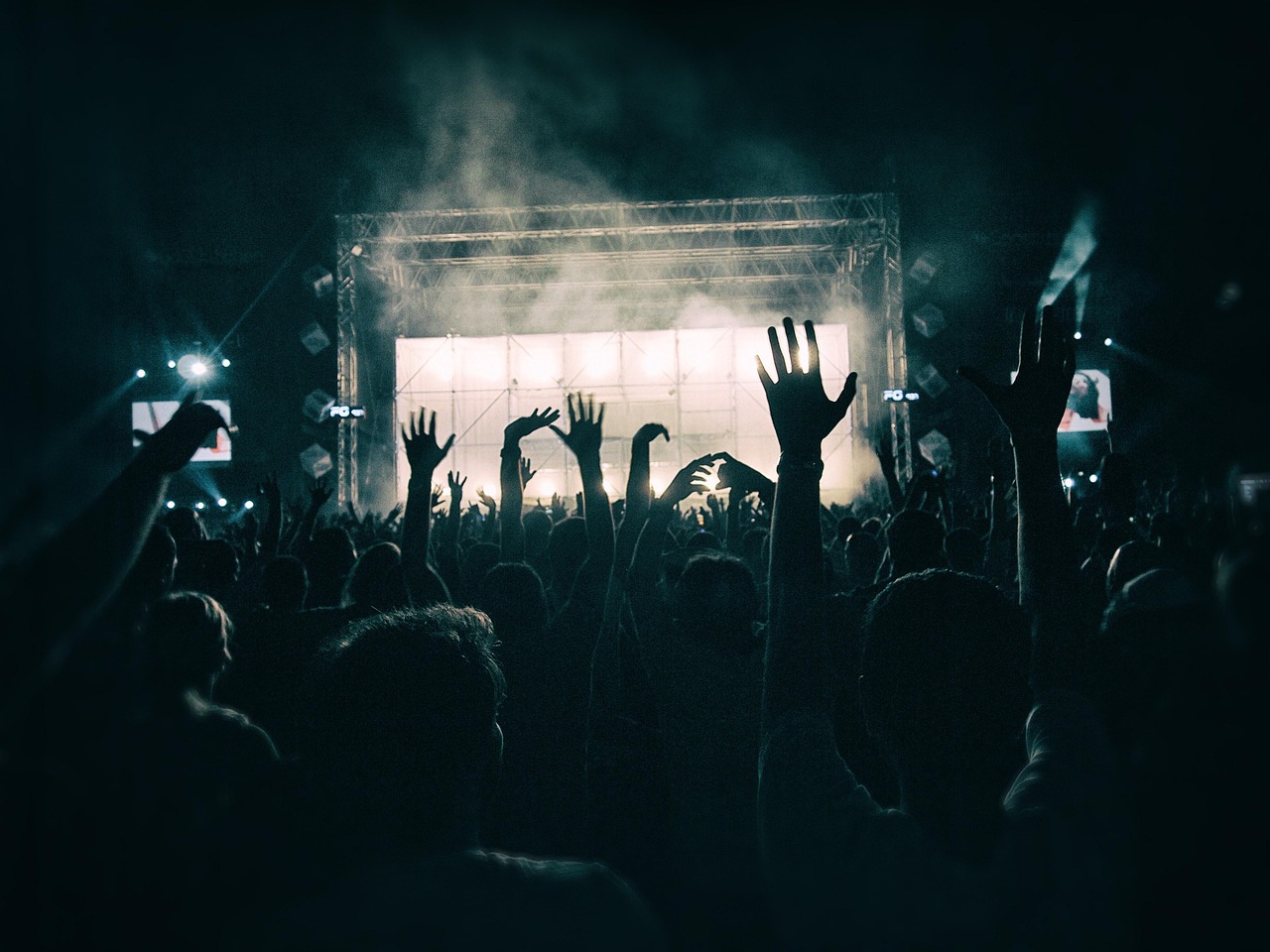
From ancient harvest rituals to modern-day music extravaganzas, festivals have always been an integral part of human civilization. They are vibrant tapestries woven with threads of tradition, joy, creativity, and communal spirit, offering a much-needed escape from the mundane. Whether you’re drawn to the pulsating beats of a global music event, the aromatic delights of a food fair, or the spiritual depth of a cultural celebration, festivals provide unparalleled opportunities for connection, learning, and pure exhilaration. Join us as we explore the captivating world of festivals, delving into their profound significance, diverse forms, and how you can make the most of these unforgettable experiences.
The Enduring Allure of Festivals: More Than Just Parties
At their core, festivals are powerful expressions of human identity and aspiration. They serve multiple vital roles in society, far beyond mere entertainment, fostering community, preserving heritage, and driving economic growth.
Cultural Immersion and Preservation
Festivals are living museums, breathing life into traditions, stories, and art forms that might otherwise fade away. They offer a direct portal into the heart of a culture, allowing participants to witness and engage with practices passed down through generations.
- Showcasing Heritage: Events like Mexico’s Dia de los Muertos beautifully illustrate the intricate relationship between the living and the departed, featuring altars, marigolds, and sugar skulls that are rich in symbolism.
- Artistic Expression: Many cultural festivals celebrate traditional music, dance, storytelling, and craftsmanship, ensuring their continuity and inspiring new generations of artists.
- Language and Rituals: Participation often involves specific greetings, songs, or ceremonial acts that reinforce cultural distinctiveness and understanding.
Actionable Takeaway: When traveling, actively seek out local cultural festivals. Engaging with these events offers a deeper, more authentic understanding of your destination than traditional tourism alone.
Building Community and Connection
In an increasingly digitized world, festivals provide crucial spaces for face-to-face interaction and the forging of shared memories. They break down social barriers, allowing people from diverse backgrounds to come together in collective celebration.
- Shared Experiences: Dancing to the same music, sharing a meal, or watching a spectacular parade creates a powerful sense of camaraderie among strangers.
- Strengthening Bonds: For families and friends, attending festivals together can become cherished annual traditions, reinforcing personal relationships.
- Sense of Belonging: Especially for local community events, festivals foster civic pride and a collective identity, making residents feel more connected to their hometown.
Practical Example: Consider the global phenomenon of Carnival, celebrated from Rio to Venice. Beyond its vibrant costumes and parades, it’s a profound demonstration of collective joy and social cohesion, temporarily dissolving class distinctions in a sea of shared revelry.
Economic and Social Impact
The ripple effect of a successful festival extends far beyond its immediate participants. Festivals are significant economic drivers and catalysts for social change.
- Tourism Boost: Major festivals attract visitors from around the globe, filling hotels, restaurants, and local businesses. For instance, the Albuquerque International Balloon Fiesta alone can generate hundreds of millions of dollars for the New Mexico economy annually.
- Job Creation: From event organizers and security personnel to vendors and artists, festivals create temporary and sometimes permanent employment opportunities.
- Local Pride & Investment: Successful festivals can put a city or region on the map, encouraging further investment in infrastructure, arts, and cultural initiatives. Many cities report millions in revenue and thousands of jobs supported annually by major festivals.
Actionable Takeaway: When attending a festival, make an effort to support local vendors and artisans. Your spending directly contributes to the economic well-being of the host community.
A Kaleidoscope of Celebrations: Exploring Diverse Festival Types
The world of festivals is incredibly diverse, reflecting the myriad interests and traditions of humanity. From pulsating music events to serene spiritual gatherings, there’s a festival for every inclination.
Music Festivals: Rhythms That Unite
Music festivals are immersive experiences built around live performances, bringing together artists and fans from various genres in a communal celebration of sound.
- Genres Galore: Whether you’re into rock, EDM, jazz, folk, or classical, there’s a music festival tailored to your taste. Think Glastonbury for its eclectic mix, Tomorrowland for electronic dance music, or the Newport Folk Festival for Americana.
- Multi-Sensory Experiences: Beyond the music, these festivals often feature art installations, gourmet food trucks, camping, and vibrant fashion, creating an entire world to explore.
- Star-Studded Lineups: Many festivals are renowned for attracting top-tier global talent, offering attendees the chance to see multiple favorite artists in one location.
Tips for Music Festival Attendees: Stay hydrated, wear comfortable shoes, plan your schedule, and embrace the spontaneous discoveries of new artists and friends.
Food and Drink Festivals: A Culinary Journey
These festivals are a paradise for gourmands and gastronomes, celebrating local and international culinary traditions through tastings, cooking demonstrations, and unique dining experiences.
- Taste of Place: From Germany’s Oktoberfest (celebrating beer and Bavarian culture) to Japan’s ramen festivals or Italy’s truffle fairs, these events are deeply tied to regional specialties.
- Culinary Innovation: Many food festivals also showcase emerging chefs, new food trends, and sustainable food practices, pushing the boundaries of gastronomy.
- Local Producers: They provide an excellent platform for local farmers, cheesemongers, winemakers, and craft brewers to connect directly with consumers.
Actionable Takeaway: Approach food festivals with an open mind and an adventurous palate. Don’t be afraid to try new flavors or engage with chefs and producers to learn about their craft.
Arts and Cultural Festivals: A Feast for the Senses
These festivals celebrate human creativity in all its forms, from visual arts and performing arts to literature and traditional crafts. They often serve as platforms for avant-garde expressions and cultural exchange.
- Visual Arts: Events like the Venice Biennale or local sculpture parks showcase contemporary and traditional visual art, often transforming public spaces into galleries.
- Performing Arts: The Edinburgh Fringe Festival is legendary for its vast array of theater, comedy, dance, and musical performances, providing a global stage for artists.
- Celebrating Heritage: Festivals dedicated to specific cultural traditions, such as Japanese Cherry Blossom Festivals or Celtic music festivals, blend artistic expression with historical significance.
Practical Example: Attending an arts festival can expose you to groundbreaking performances, thought-provoking installations, and unique handcrafted goods, enriching your perspective on creativity and culture.
Religious and Traditional Festivals: Honoring Heritage
Deeply rooted in spiritual beliefs, historical events, or seasonal cycles, these festivals are often profoundly meaningful to their participants, reflecting ancient customs and communal values.
- Spiritual Significance: Festivals like Diwali (the Hindu festival of lights), Holi (the Hindu festival of colors), or Christmas carry deep religious meaning and are observed with specific rituals and prayers.
- Historical Commemoration: Many festivals commemorate significant historical events or figures, reinforcing collective memory and identity within a community.
- Seasonal Cycles: Harvest festivals, solstice celebrations, and New Year festivities (such as Chinese New Year) mark important transitions in the natural world and human life.
Importance: Understanding and respecting these festivals offers crucial insight into global traditions, fostering empathy and cross-cultural understanding. Always be mindful of local customs and dress codes when attending.
Navigating the Festival Landscape: Tips for an Unforgettable Experience
A successful festival experience isn’t just about showing up; it’s about smart planning, preparedness, and a responsible mindset. Here’s how to maximize your enjoyment.
Pre-Festival Planning: The Key to Success
The right preparation can significantly enhance your festival journey, saving you stress and ensuring you don’t miss out on key experiences.
- Research Thoroughly: Understand the festival’s theme, lineup, rules, and accessibility. Check for early bird tickets, accommodation options (camping, hotels, local rentals), and transportation routes.
- Budget Wisely: Factor in ticket costs, travel, food, drinks, souvenirs, and any unexpected expenses. Many festivals offer cashless systems, so understand how those work.
- Pack Smart:
- Essentials: Identification, tickets (digital and physical backup), cash, power bank for your phone, reusable water bottle.
- Comfort: Comfortable shoes (you’ll be walking a lot!), layers for varying weather, rain gear, sun protection (hat, sunscreen), small backpack.
- Health & Safety: Basic first-aid kit (band-aids, pain relievers), any personal medications.
Actionable Takeaway: Create a festival checklist several weeks in advance to ensure you have everything you need. Booking accommodation and travel early often saves money and guarantees availability.
On-Site Survival Guide
Once you’re at the festival, a few practical tips can make all the difference in keeping you comfortable and safe.
- Stay Hydrated and Fueled: Drink plenty of water throughout the day, especially at outdoor events. Eat regular meals to maintain your energy levels; don’t rely solely on sugary snacks.
- Establish a Meeting Point: In large crowds, phone service can be unreliable. Designate a clear, easy-to-find meeting spot with your group in case you get separated.
- Know Your Exits and Facilities: Familiarize yourself with emergency exits, first-aid stations, and restroom locations as soon as you arrive.
- Embrace the Unexpected: While planning is good, some of the best festival moments are often spontaneous. Be open to exploring new areas, trying different foods, or stumbling upon a lesser-known artist.
Practical Example: At a music festival, setting a “home base” at a distinctive landmark (like a specific art installation or food truck) makes it easier for friends to regroup if phones die or signals drop.
Responsible Festival-Going: Leave No Trace
Being a conscientious festival-goer ensures that these events remain enjoyable and sustainable for years to come, benefiting both the environment and local communities.
- Minimize Your Waste: Use reusable water bottles, coffee cups, and cutlery. Dispose of trash in designated bins and participate in recycling programs.
- Respect the Environment: Stick to marked paths, do not disturb wildlife or natural habitats, and leave the site as clean as or cleaner than you found it.
- Be Mindful of Locals: If the festival is in an urban area, be considerate of residents regarding noise levels, traffic, and public spaces.
- Support Local Businesses: Prioritize purchasing from local vendors, artists, and food stalls to directly contribute to the local economy and culture.
Actionable Takeaway: Before attending, look into the festival’s sustainability initiatives and actively participate in them. Encourage your friends to do the same.
The Future of Festivals: Innovation and Sustainability
The festival landscape is constantly evolving, driven by technological advancements, a growing awareness of environmental impact, and a desire to create even more inclusive experiences.
Technological Integration
Technology is increasingly being used to enhance everything from logistical planning to attendee engagement, making festivals smoother, safer, and more interactive.
- Mobile Apps: Dedicated festival apps offer real-time schedules, interactive maps, artist information, and emergency alerts, all at your fingertips.
- Cashless Payments: RFID wristbands and mobile payment systems streamline transactions, reducing queues and enhancing security.
- Virtual & Augmented Reality: Some festivals are experimenting with AR elements to enhance on-site art installations or VR to offer immersive experiences for remote audiences.
- Data Analytics: Organizers use data to understand crowd flow, popular areas, and attendee preferences, leading to better planning and resource allocation.
Practical Example: Many large music festivals now use geo-fencing technology to send targeted safety messages or schedule updates to attendees within specific areas, improving responsiveness and communication.
Focus on Sustainability and Ethics
As the environmental footprint of large events becomes a major concern, festivals are increasingly prioritizing eco-friendly practices and social responsibility.
- Waste Reduction: Initiatives like banning single-use plastics, implementing robust recycling and composting programs, and encouraging attendees to bring their own reusables.
- Renewable Energy: Shifting towards solar power, wind turbines, and other renewable energy sources to power stages and facilities.
- Local Sourcing: Prioritizing local food vendors and suppliers to reduce transportation emissions and support the regional economy.
- Social Responsibility: Ensuring fair labor practices, promoting diversity and inclusion, and making festivals accessible to people with disabilities.
Actionable Takeaway: When choosing which festivals to attend, consider their commitment to sustainability. Support events that are actively working to minimize their environmental impact and contribute positively to their host communities.
Hybrid and Virtual Festival Models
The recent global shifts have accelerated the adoption of hybrid and fully virtual festival formats, expanding reach and accessibility.
- Global Accessibility: Virtual components allow people who cannot travel (due to cost, disability, or location) to participate in and enjoy festival content from anywhere in the world.
- Extended Engagement: Hybrid models can offer pre-festival virtual workshops, live-streamed key performances, and post-festival online content, extending the festival experience beyond its physical dates.
- New Revenue Streams: Virtual tickets and digital merchandise can open up new economic opportunities for organizers and artists.
Practical Example: During the pandemic, many film festivals and music events successfully pivoted to online platforms, demonstrating the potential for engaging digital experiences that complement traditional physical gatherings.
Conclusion
From the ancient ritualistic dances to the flashing lights of a modern EDM stage, festivals stand as enduring testaments to humanity’s need for connection, celebration, and shared experience. They are powerful vehicles for cultural preservation, economic growth, and the creation of unforgettable memories. As we look ahead, festivals will continue to evolve, embracing new technologies and sustainable practices, ensuring their legacy for generations to come. Whether you’re a seasoned festival-goer or planning your first adventure, remember that each festival offers a unique window into a world of vibrant energy and collective joy. So, step out, explore, and let the rhythm of the world’s celebrations move you.
What’s your favorite festival experience, and what makes it special to you? Share your stories in the comments below!