
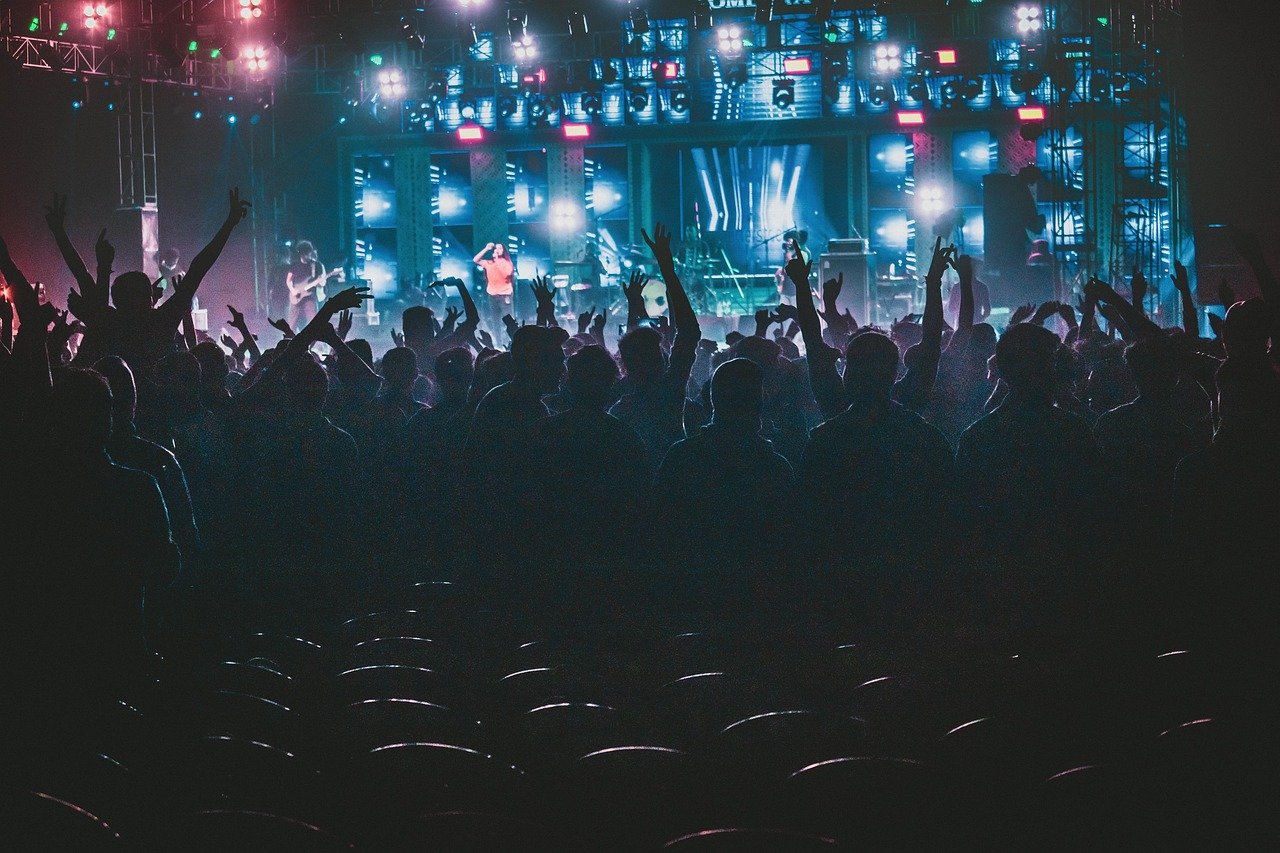
From the primal rhythms that stirred our ancestors to the sophisticated choreographies gracing modern stages, dance is an intrinsic part of the human experience. It’s a universal language that transcends words, expressing joy, sorrow, love, and defiance through the poetry of motion. More than just an art form, dance is a powerful tool for physical fitness, mental well-being, and social connection. Whether you’re a seasoned professional, a curious beginner, or simply an appreciative audience member, the world of dance offers boundless opportunities for discovery and enrichment. Let’s delve into the myriad facets of this captivating discipline and uncover why moving to the music resonates so deeply within us.
The Universal Language of Movement: Why We Dance
Dance isn’t merely a series of steps; it’s a holistic activity that engages the body, mind, and spirit. Its profound impact on our overall well-being is why it has endured across cultures and generations.
Physical Benefits of Dance
Engaging in dance is a fantastic way to boost your physical health, offering a comprehensive workout that often feels more like fun than exercise.
- Cardiovascular Health: Regular dance significantly improves heart and lung function, reducing the risk of heart disease and boosting stamina. Think of the sustained energy required for a salsa routine or a ballet class.
- Strength and Endurance: Most dance styles utilize body weight for resistance, building lean muscle and improving muscular endurance. Lifts in partner dancing, jumps in jazz, or core work in contemporary all contribute to overall strength.
- Flexibility and Balance: Dance is a natural way to increase range of motion and improve balance. Holding a développé in ballet or executing a controlled turn in hip-hop demands and develops these crucial physical attributes, helping prevent falls as we age.
- Coordination and Agility: Learning complex sequences of steps, arm movements, and turns sharpens both gross and fine motor skills. This enhanced coordination translates to better everyday agility and quicker reaction times.
- Weight Management: A high-energy dance class can burn hundreds of calories per hour, making it an enjoyable and effective component of a weight management program.
Actionable Takeaway: Incorporate at least 30 minutes of dancing into your weekly routine, whether it’s a formal class or just grooving in your living room, to reap significant physical health benefits.
Mental & Emotional Well-being
Beyond the physical, dance offers profound advantages for our mental and emotional health, acting as a natural mood enhancer and stress reliever.
- Stress Reduction: The combination of physical exertion and artistic expression provides a powerful outlet for tension and anxiety. Focusing on movement can clear the mind, much like meditation.
- Mood Enhancement: Dancing releases endorphins, the body’s natural feel-good chemicals, leading to reduced symptoms of depression and anxiety, and an overall uplifted mood.
- Cognitive Function: Learning new choreography challenges the brain, improving memory, pattern recognition, and problem-solving skills. Studies have shown that dancing can even reduce the risk of dementia.
- Self-Expression and Confidence: Dance provides a safe space to explore emotions and tell stories without words, fostering a deeper understanding of oneself and boosting self-esteem. Overcoming challenges in class also builds resilience.
Actionable Takeaway: When feeling stressed or down, put on your favorite music and dance freely. It’s a quick and effective way to reset your mental state and boost your emotional resilience.
Social Connection and Community
Dance is inherently a communal activity, fostering connection and belonging.
- Building Community: Dance classes, workshops, and social events bring people together from diverse backgrounds who share a common passion. This creates opportunities for friendship and support.
- Cultural Understanding: Exploring different dance forms offers insights into the traditions, histories, and values of various cultures, promoting empathy and global awareness.
- Teamwork and Trust: Partner dances, ensemble pieces, and group choreography require cooperation, communication, and trust, enhancing social skills.
Actionable Takeaway: Seek out local dance studios or community centers offering beginner classes. Joining a dance group is an excellent way to expand your social circle and experience shared joy.
Exploring the Diverse World of Dance Styles
The beauty of dance lies in its incredible diversity. From classical elegance to street-style swagger, there’s a dance style for every personality and preference.
Classical & Theatrical Dance
These styles are often performed on stage, characterized by specific techniques, storytelling, and aesthetic principles.
- Ballet: The foundation of many dance forms, known for its grace, precision, and ethereal quality. It builds incredible strength and flexibility. Example: Pointe work and grand jetés.
- Contemporary Dance: A fluid, expressive style that often blends elements of ballet, modern, and jazz. It emphasizes emotionality and often breaks from strict classical lines. Example: Floor work, improvisation, and dynamic shifts.
- Jazz Dance: Energetic and stylized, jazz draws inspiration from African rhythms and social dances. It’s known for its sharp movements, syncopated rhythms, and theatrical flair. Example: Broadway-style choreography with high kicks and pirouettes.
- Tap Dance: A percussive dance form where dancers use special shoes to create rhythms and sounds. It’s both visual and auditory, requiring intricate footwork. Example: Rhythm tap focusing on intricate syncopation or Broadway tap with big, flashy movements.
Actionable Takeaway: If you’re drawn to precision, storytelling, or theatrical performance, consider a trial class in ballet, jazz, or contemporary dance. Many studios offer introductory packages.
Social & Partner Dance
These styles are designed for social interaction and often involve dancing with a partner, though solo variations exist.
- Salsa & Bachata: Popular Latin dances characterized by vibrant music, intricate footwork, and close partner connection. They are widely danced in clubs and social events globally. Example: Salsa’s quick turns and shimmies; Bachata’s sensual body rolls and dips.
- Ballroom Dance: An umbrella term for a variety of partner dances including Waltz, Tango, Foxtrot, and Quickstep. These dances are elegant, structured, and often seen at formal events. Example: The graceful glides of the Viennese Waltz or the dramatic pauses of the Argentine Tango.
- Swing Dance: A lively group of dances originating in the Jazz Age, including Lindy Hop, Jitterbug, and Charleston. Known for their energetic movements, aerials, and improvisational nature. Example: The dynamic swings and lifts of the Lindy Hop.
Actionable Takeaway: To enhance your social life and learn a valuable skill for events, try a beginner course in salsa, bachata, or a ballroom style. Many studios offer free intro nights!
Cultural & Folk Dance
These dances are deeply rooted in specific cultures, often carrying historical, religious, or community significance.
- Hip-Hop Dance: Evolved from street culture, encompassing styles like breaking, popping, locking, and krumping. It’s characterized by its freestyle nature, powerful movements, and strong connection to music. Example: A B-boy performing power moves like windmills and freezes.
- Bharatanatyam (India): A classical South Indian dance form known for its intricate hand gestures (mudras), expressive facial movements, and rhythmic footwork.
- Flamenco (Spain): A passionate art form combining guitar music, singing, and intricate dance with powerful foot stamping (zapateado) and expressive arm movements.
- Irish Step Dance: Characterized by rigid upper bodies and rapid, intricate footwork, often performed in specialized hard shoes for percussive sounds.
Actionable Takeaway: Explore a cultural dance form that piques your interest. It’s a fantastic way to learn about different traditions and connect with your heritage or a new culture.
Starting Your Dance Journey: Tips for Beginners
Feeling inspired but don’t know where to begin? Starting your dance journey can be incredibly rewarding with the right approach.
Finding Your Style and Setting Goals
With so many options, narrowing down your focus can make the initial steps easier.
- Explore and Research: Watch videos, attend performances, or try introductory workshops to see which styles resonate with you. Do you prefer high energy, graceful movements, or a strong beat?
- Consider Your Interests: Are you looking for a great workout, a new social hobby, a creative outlet, or a path to performance? Your goal can help guide your choice.
- Start Simple: Don’t feel pressured to pick the most complex style. Many studios offer “Intro to Dance” classes that expose you to various basics.
Actionable Takeaway: Make a list of 2-3 dance styles that genuinely excite you. Then, commit to trying a single introductory class for each to experience them firsthand.
Choosing the Right Class and Instructor
The right environment and guidance are crucial for a positive learning experience.
- Look for Beginner-Specific Classes: Ensure the class is clearly labeled for absolute beginners. This ensures you’ll learn foundational steps without feeling overwhelmed.
- Research Instructors: A good instructor is patient, encouraging, and clear in their explanations. Read reviews or ask for recommendations.
- Studio Atmosphere: Visit the studio if possible. A welcoming, inclusive, and positive atmosphere is key. Do they offer trial classes or drop-in rates?
- Location and Schedule: Choose a studio that’s conveniently located and offers classes at times that fit your schedule to ensure consistency.
Practical Example: “I want to learn Tango, so I’ll research studios in my area known for their partner dance programs. I’ll look for an ‘Absolute Beginner Tango’ class with an instructor who emphasizes technique and partner communication, and ideally, I’ll try a single drop-in class before committing to a full session.”
Actionable Takeaway: Prioritize studios with beginner-friendly classes and a supportive teaching philosophy. Don’t be afraid to try a few different places before settling on one.
Essential Gear and Preparation
While many styles require minimal equipment, some basic considerations can enhance your comfort and safety.
- Comfortable Clothing: Wear attire that allows for a full range of motion. For most classes, activewear like leggings, shorts, and a t-shirt or tank top is perfect.
- Appropriate Footwear:
- Ballet: Ballet slippers
- Tap: Tap shoes
- Jazz: Jazz shoes or socks
- Salsa/Ballroom: Dance shoes with a smooth sole and often a small heel
- Hip-Hop/Contemporary: Clean sneakers or bare feet
- Hydration: Bring a water bottle to stay hydrated, especially during energetic classes.
- Warm-up and Cool-down: Arrive a few minutes early to gently stretch and warm up your muscles. Many classes will include this, but personal preparation is always good.
Ask your studio or instructor for specific recommendations. For your first class, clean sneakers or socks are often fine.
Actionable Takeaway: For your first class, prioritize comfortable clothing and appropriate footwear (even if it’s just socks or clean sneakers). Hydration is non-negotiable!
Embracing the Process and Enjoying the Journey
Learning to dance is a marathon, not a sprint. Patience and a positive attitude are your best allies.
- Patience is Key: You won’t master complex steps overnight. Celebrate small victories and understand that progress is gradual.
- Don’t Be Afraid to Make Mistakes: Everyone makes mistakes, especially beginners. See them as learning opportunities, not failures.
- Listen to Your Body: Pushing too hard can lead to injury. Rest when needed and communicate any pain to your instructor.
- Practice Consistently: Regular attendance and even short practice sessions at home will significantly accelerate your learning.
- Have Fun!: Remember why you started. Dance is meant to be joyful and expressive. Let loose and enjoy the movement!
Actionable Takeaway: Set realistic expectations, focus on enjoying the process, and remind yourself that every dancer, no matter how skilled, started as a beginner.
Beyond the Studio: Dance as a Career and Lifestyle
For many, dance evolves from a hobby into a central part of their life, offering diverse career paths and profound personal fulfillment.
Professional Dance Careers
The world of professional dance extends far beyond being a stage performer, though that remains a dream for many.
- Performer: Dancers can perform in ballet companies, modern dance troupes, Broadway shows, touring productions, cruise lines, or as backup dancers for musicians.
- Choreographer: Creators of dance, choreographers design routines for performances, films, music videos, and even competitive teams.
- Dance Instructor/Teacher: Sharing knowledge and passion in studios, schools, universities, or community centers. This path often requires certifications or extensive performance experience.
- Dance Captain: A leader within a performance ensemble, responsible for maintaining choreographic integrity, rehearsing understudies, and assisting the choreographer.
- Dance Therapist: Using movement to promote emotional, social, cognitive, and physical integration for individuals facing various challenges (requires specific academic qualifications).
- Arts Administrator/Manager: Working behind the scenes in dance companies or arts organizations, handling logistics, marketing, fundraising, and programming.
Practical Example: “A professional dancer might start in a regional ballet company, eventually transition to touring with a contemporary troupe, and later pursue a master’s degree in dance education to become a university professor.”
Actionable Takeaway: If considering a dance career, research the diverse roles available and identify which aligns with your skills and passion. Networking and continuous training are vital.
Dance in Education and Therapy
Dance offers incredible potential for learning and healing, making it a valuable tool in various professional fields.
- Academic Programs: Many universities offer degrees in dance performance, choreography, dance history, and dance education, providing a structured path for serious students.
- Dance Movement Therapy (DMT): A recognized therapeutic profession that uses movement to facilitate emotional, physical, cognitive, and social integration of individuals. DMT is applied in mental health clinics, hospitals, schools, and elder care facilities.
- Dance in K-12 Education: Integrating dance into school curricula can enhance physical literacy, creativity, and cultural understanding for children and adolescents.
Actionable Takeaway: Explore academic institutions if you’re interested in a formal dance education, or research Dance Movement Therapy programs if you’re drawn to its healing potential.
Building a Dance Community and Lifestyle
Even if not pursuing a professional career, dance can profoundly enrich one’s daily life.
- Workshops and Intensives: Participate in workshops with guest artists or intensive programs to deepen your skills and meet like-minded individuals.
- Social Dance Events: Attend local dance parties, “socials,” or milongas (for Tango) to practice, perform, and connect with the broader dance community.
- Performance Opportunities: Many studios offer student showcases, or local groups organize flash mobs and community performances, providing a chance to share your art.
- Travel for Dance: Combine your passion with travel by attending international dance festivals or workshops in different cities.
Actionable Takeaway: Actively engage with your local dance scene by attending events and workshops. The connections and experiences gained will significantly enhance your dance journey.
Conclusion
Dance is far more than just movement; it’s a vibrant tapestry woven from physical exertion, emotional expression, cultural heritage, and human connection. It offers a powerful avenue for improving physical health, boosting mental well-being, and fostering a strong sense of community. From the disciplined beauty of ballet to the electrifying energy of hip-hop, there’s a style for every soul seeking rhythm and motion. Whether you aspire to grace the professional stage, find a joyful new hobby, or simply dance freely in your living room, the world of dance welcomes you. Embrace the journey, celebrate every step, and allow the universal language of movement to enrich your life in countless profound ways. So, what are you waiting for? Find your beat and start dancing today!