
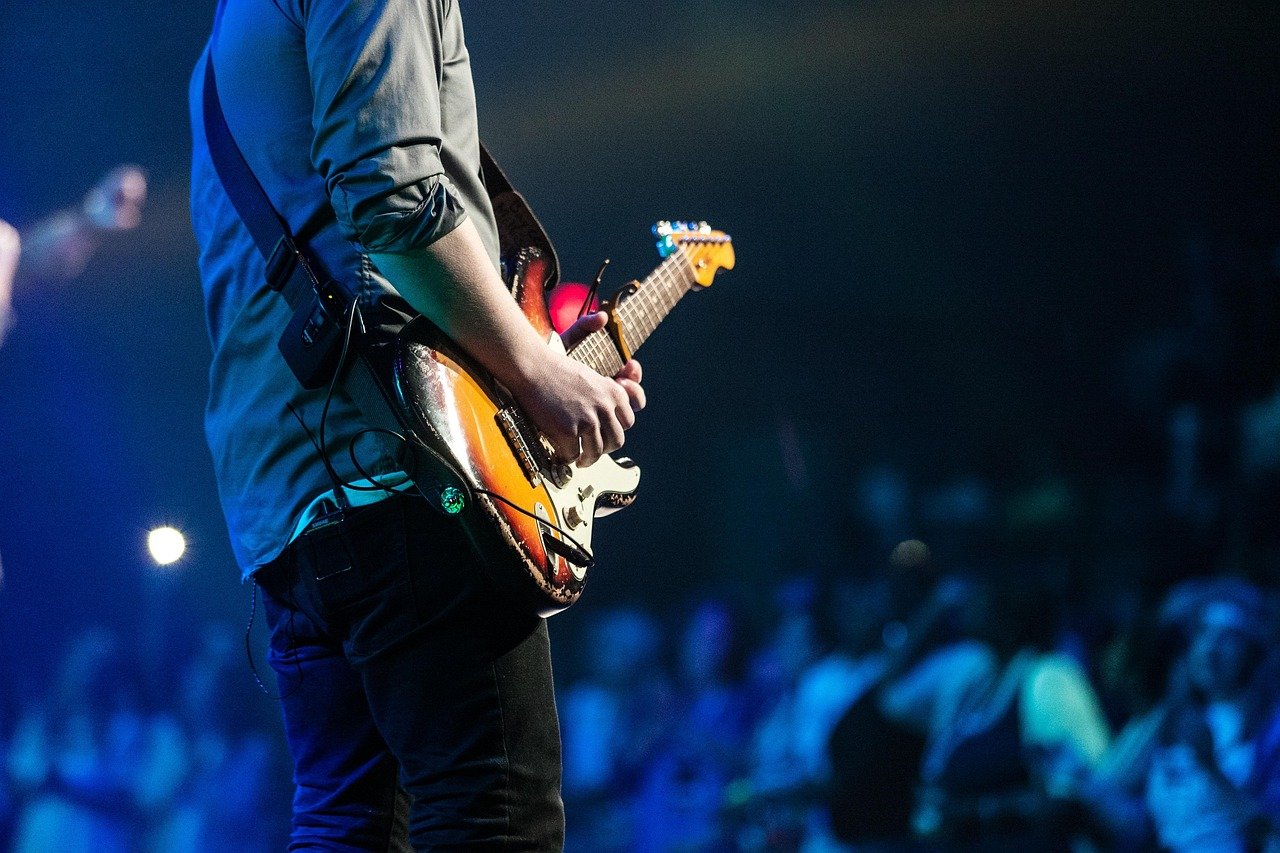
The lights dim, the roar of the crowd swells, and then, a single chord strikes – the electrifying sensation of a live concert begins. There’s an undeniable magic in experiencing music performed right before your eyes, a vibrant energy that transcends anything you can hear through headphones or speakers. From the thunderous bass reverberating through your chest to the collective euphoria of thousands singing along to a favorite anthem, concerts offer a profound, shared experience that connects us not only to the artists but to each other. It’s more than just a performance; it’s an immersive journey, a celebration of sound, passion, and human connection that leaves an indelible mark on the soul.
The Enduring Allure of Live Music
Concerts have remained a cornerstone of entertainment for centuries, evolving from classical recitals to colossal rock shows and immersive electronic dance festivals. The fundamental appeal, however, remains timeless: the raw, unfiltered power of music in its most direct form.
The Unforgettable Atmosphere
- Collective Energy: The shared excitement and anticipation within a crowd create an electric atmosphere. When thousands of people are all focused on the same performance, the collective energy is palpable, amplifying emotions and creating a powerful sense of community.
- Emotional Connection: Live performances often evoke a deeper emotional response. Artists pour their heart and soul into their craft, and that raw passion is infectious, allowing audience members to connect with the music and its creators on a profound level.
- Escapism and Release: For many, a concert is a perfect escape from daily stresses. It’s a chance to lose oneself in the moment, to sing, dance, and simply be present, offering a powerful form of catharsis and joy.
Actionable Takeaway: Don’t just attend a concert; immerse yourself. Let the music move you, connect with the energy of the crowd, and allow yourself to fully experience the moment for maximum emotional impact.
A Unique Sensory Experience
A live concert engages far more than just your ears. It’s a multi-sensory feast:
- Auditory Immersion: The sound quality, when engineered correctly, is unparalleled. You don’t just hear the music; you feel the vibrations, from the deep bass to the crisp highs, creating a physical experience that studio recordings can’t replicate.
- Visual Spectacle: Modern concerts often feature elaborate stage designs, sophisticated lighting rigs, LED screens, pyrotechnics, and even laser shows. These visual elements enhance the storytelling and emotional arc of the performance, turning it into a truly grand spectacle.
- The Artist’s Presence: Witnessing an artist’s stage presence, their movements, expressions, and interaction with the audience, adds another layer of depth and understanding to their craft. It’s a chance to see their artistry in full bloom.
Actionable Takeaway: Pay attention to the full production – the lights, stage design, and artist interaction. These elements are meticulously crafted to enhance your overall concert experience.
Navigating the Concert Landscape
The world of live music is incredibly diverse, offering experiences tailored to every taste and preference. Understanding the different types of events can help you find your perfect groove.
From Intimate Gigs to Stadium Spectacles
- Intimate Club Shows: These offer a close-up, raw experience. Think small venues like local bars, jazz clubs, or independent music halls. You might be just a few feet from the band, feeling every strum and beat. Ideal for discovering emerging artists or experiencing acoustic sets.
Example: Catching an up-and-coming indie band at The Echo in Los Angeles. - Mid-Sized Venues: Theatres, auditoriums, and larger clubs strike a balance between intimacy and grand production. They often boast excellent acoustics and sightlines, providing a comfortable yet energetic setting.
Example: Seeing a classic rock band perform at the historic Ryman Auditorium in Nashville. - Arena and Stadium Concerts: These are massive productions featuring global superstars, intricate stage setups, and spectacular visuals. The sheer scale is breathtaking, though you might be further from the stage.
Example: Attending a global pop sensation’s stadium tour at Wembley Arena.
Actionable Takeaway: Consider the atmosphere you prefer. For a personal connection, seek out smaller venues; for a grand spectacle, opt for arenas. Each offers a distinct and valuable live music experience.
The Rise of Music Festivals
Music festivals have exploded in popularity, offering multi-day, multi-stage events that encompass diverse genres and cultures.
- Genre Diversity: Festivals often feature a wide array of artists across various genres, allowing attendees to discover new music and enjoy multiple favorites in one location.
- Immersive Experience: Beyond the music, festivals often include art installations, food vendors, workshops, and unique cultural experiences, creating a temporary community and a truly immersive environment.
- Community and Social Aspect: Many festival-goers attend with friends, camping or staying together, which adds a significant social dimension to the event. The camaraderie among attendees is a major draw.
Example: Coachella’s blend of indie rock, hip-hop, and electronic music with art installations, or Tomorrowland’s unparalleled electronic music experience with theatrical staging.
Actionable Takeaway: If you love variety and a communal vibe, explore a music festival. Plan your schedule in advance to catch all your must-see acts and factor in travel time between stages.
Planning Your Ultimate Concert Experience
A little preparation goes a long way in ensuring your concert experience is seamless and unforgettable. Strategic planning can elevate your enjoyment from good to truly great.
Securing Your Spot: Tickets and Timing
- Act Fast for Popular Shows: For high-demand artists, tickets can sell out in minutes. Sign up for artist fan clubs or venue newsletters for pre-sale codes.
- Use Official Vendors: Always purchase tickets from official ticketing platforms (e.g., Ticketmaster, Live Nation, AXS) or the venue’s direct website to avoid scams and inflated prices.
- Understand Resale Markets: If a show is sold out, reputable resale platforms (e.g., StubHub, SeatGeek) can be an option, but be aware prices may be higher than face value. Verify seller authenticity if possible.
- Festival Early Bird Pricing: Many festivals offer significantly discounted ‘early bird’ tickets months in advance. If you know you want to go, buying early can save a substantial amount.
Actionable Takeaway: Be proactive and vigilant when buying tickets. Researching release dates and using official channels will save you stress and money.
Pre-Concert Preparations
- Comfort is Key: You’ll likely be standing, dancing, and possibly walking a lot. Wear comfortable shoes and clothing appropriate for the venue’s temperature and crowd density.
- Stay Hydrated and Nourished: Eat a meal before you go and carry a reusable water bottle (if permitted) or plan to buy drinks inside. Dehydration is common, especially in large crowds.
- Transportation Strategy: Plan your route to and from the venue in advance. Consider public transport, ride-shares, or designated drivers. Parking can be expensive and scarce near popular venues.
- Check Bag Policy: Most venues have strict bag policies (size, type). Check the venue’s website beforehand to avoid issues at security.
- Merchandise Budget: If you plan to buy band merch, factor it into your budget and consider purchasing early to avoid long lines post-show.
Actionable Takeaway: Treat concert day like a mini-marathon. Prioritize comfort, hydration, and a solid travel plan to avoid any last-minute hassles.
Maximizing the Live Show
- Arrive Early: This gives you time to find parking, navigate security, grab a drink, find a good spot, and catch opening acts.
- Embrace the Moment: While it’s tempting to film everything, try to put your phone away for at least some parts of the show. Experience the music with your eyes and ears, not just through a screen.
- Engage Respectfully: Sing along, dance, and cheer! Your energy contributes to the overall atmosphere. However, be mindful of those around you and respect personal space.
- Ear Protection: Especially for loud shows, consider wearing earplugs. They protect your hearing without diminishing the music quality and can prevent ringing ears the next day.
Actionable Takeaway: Be present. The most memorable concert moments often happen when you’re fully immersed, not just documenting for social media. Invest in good ear protection for long-term enjoyment of live music.
The Art and Science Behind the Stage
While the performers command the spotlight, a vast team of professionals works tirelessly behind the scenes to create the magic. Understanding these intricate roles enhances your appreciation for the entire production.
Sound Engineering: The Unsung Hero
A concert’s audio quality is paramount, and it’s the sound engineers who are the architects of what you hear.
- Front of House (FOH) Engineer: This individual is responsible for mixing the audio for the audience, balancing vocals, instruments, and effects to ensure a clear, powerful, and balanced sound that fills the venue. They adjust for the unique acoustics of each space.
- Monitor Engineer: Working closely with the artists on stage, the monitor engineer provides each musician with their specific mix of instruments and vocals, ensuring they can hear themselves and their bandmates clearly for a tight performance.
- Acoustic Challenges: Every venue presents different acoustic challenges. Engineers must constantly adapt, using sophisticated digital consoles and processing to mitigate echoes, dead spots, and unwanted frequencies.
Example: A perfectly mixed guitar solo cutting through a dense band arrangement, allowing every note to shine without overpowering the vocals.
Actionable Takeaway: Take a moment to appreciate the sonic landscape. If the sound is crystal clear and perfectly balanced, you’re experiencing the mastery of skilled audio professionals.
Visuals and Stagecraft
Beyond the sound, the visual elements of a modern concert are meticulously designed to complement and elevate the music.
- Lighting Design: Lighting directors choreograph complex light shows that sync with the music, creating mood, highlighting performers, and guiding the audience’s attention. From subtle washes to blinding strobes, lighting is crucial for emotional impact.
- LED Screens and Projections: Large video screens display live close-ups of the performers, pre-recorded visual content, or elaborate graphics, enhancing the narrative and ensuring even those in the back can feel connected.
- Pyrotechnics and Special Effects: Explosions, smoke, lasers, confetti cannons – these elements are strategically deployed to punctuate key moments, adding a sense of grandeur and excitement to the performance.
- Stage Design and Set Pieces: Elaborate stage sets can transform a venue, creating immersive worlds that align with the artist’s aesthetic and the tour’s theme.
Example: A dramatic silhouette created by backlighting during a slow ballad, transitioning into a full-scale laser show for an energetic rock anthem.
Actionable Takeaway: Observe how the visual elements interact with the music. They’re not just decorative; they’re integral to the artist’s vision and the overall storytelling of the show.
Conclusion
From the first note to the final encore, concerts offer an unparalleled tapestry of sensory experiences, emotional connection, and shared joy. Whether you’re swaying in an intimate club, singing along at a massive stadium, or dancing through a multi-day festival, live music holds a unique power to captivate, inspire, and unite. It’s a testament to the enduring human need for shared experience and the profound impact of artistic expression. So, the next time your favorite artist announces a tour, or a local band plays down the street, answer the call of the stage. Embrace the preparation, savor the atmosphere, and let the transformative power of live music wash over you. Your next unforgettable memory is just a ticket away.