
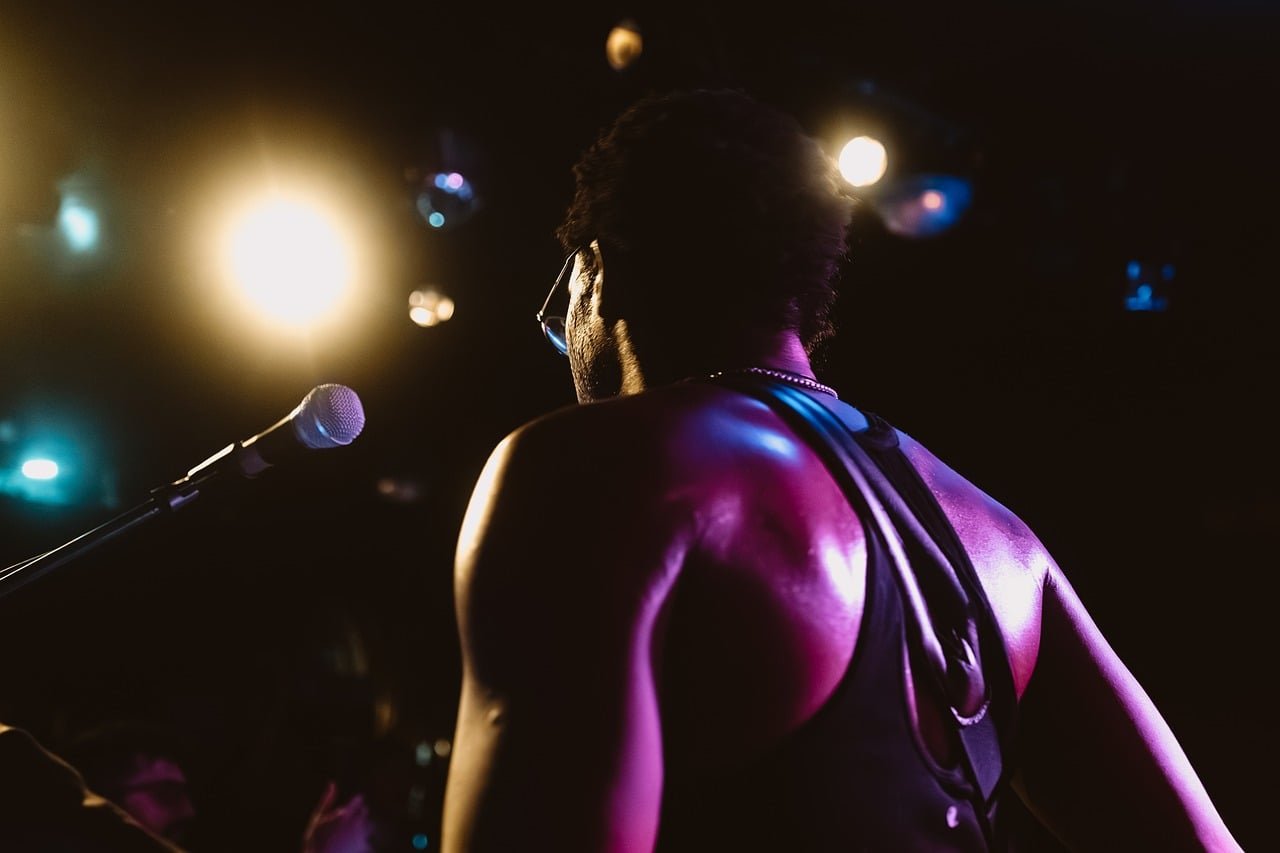
From ancient rituals to modern-day extravaganzas, festivals are vibrant expressions of human culture, creativity, and connection. They are global phenomena, each a unique tapestry woven with threads of tradition, music, art, food, and community spirit. Whether you’re drawn to the pulsating energy of a music festival, the rich flavors of a culinary celebration, or the profound solemnity of a religious observance, festivals offer unparalleled opportunities to create lasting memories, learn about diverse cultures, and connect with people from all walks of life. Dive into the fascinating world of festivals and discover why these joyful gatherings hold such an enduring place in our hearts and societies.
The Enduring Appeal and Impact of Festivals
Festivals are far more than just fleeting events; they are deeply ingrained in the human experience, serving multiple vital roles within societies globally. Their appeal is universal, transcending geographical and cultural boundaries.
Cultural Preservation and Expression
At their core, festivals are powerful vehicles for cultural preservation. They provide a dynamic platform for communities to celebrate and pass down their heritage, stories, and artistic forms from one generation to the next. Attending a festival offers an immersive window into a culture’s soul.
- Traditional Rituals: Many festivals reenact ancient customs, dances, and ceremonies, keeping history alive.
- Artistic Showcases: They highlight local arts, crafts, music, and culinary traditions, fostering a sense of identity.
- Storytelling: Festivals often involve narratives, myths, and historical commemorations that reinforce shared values.
Actionable Takeaway: Seek out local festivals when traveling to gain a deeper, more authentic understanding of a region’s heritage beyond typical tourist attractions.
Fostering Community and Connection
Festivals excel at bringing people together. They break down social barriers, encouraging interaction and shared joy among participants, whether they are locals or visitors.
- Shared Experiences: Participating in collective celebrations creates a strong sense of camaraderie and belonging.
- Social Bonding: They offer opportunities to meet new people, strengthen existing friendships, and build community networks.
- Inclusive Spaces: Many festivals are designed to be inclusive, welcoming diverse groups and promoting unity.
Practical Example: The Rio Carnival in Brazil, a global spectacle, unites millions in a shared celebration of music, dance, and vibrant costumes, embodying the spirit of collective joy and cultural pride.
Significant Economic and Tourism Impact
Beyond their cultural and social benefits, festivals are significant economic drivers, particularly for the tourism industry and local economies.
- Tourism Boost: Large festivals attract thousands, sometimes millions, of visitors, generating substantial revenue through accommodation, transport, and spending.
- Job Creation: They create temporary and permanent jobs in event management, hospitality, security, and retail.
- Local Business Support: Festivals provide direct business opportunities for local vendors, artists, and service providers.
Statistic Highlight: According to various industry reports, the global events industry, heavily influenced by festivals, contributes billions to economies worldwide, creating millions of jobs and driving tourism growth in host cities and regions.
Actionable Takeaway: When attending a festival, make an effort to support local businesses and artisans to contribute directly to the host community’s prosperity.
Diverse Types of Festivals Across the Globe
The world of festivals is incredibly diverse, reflecting the myriad beliefs, traditions, and passions of humanity. Categorizing them helps us appreciate their rich variety.
Cultural and Heritage Festivals
These festivals celebrate specific cultural identities, historical events, or ancestral traditions. They are often characterized by traditional attire, music, dance, and culinary practices.
- Oktoberfest (Munich, Germany): A celebration of Bavarian culture, beer, and traditional food, attracting millions annually.
- Diwali (India & beyond): The Hindu festival of lights, symbolizing the victory of light over darkness and good over evil, celebrated with lamps, fireworks, and feasts.
- Chinese New Year (Global): A vibrant celebration marking the lunar new year, filled with parades, dragon dances, family reunions, and symbolic foods.
Music and Arts Festivals
Focused on artistic expression, these festivals gather musicians, artists, performers, and audiences in often immersive and multi-day experiences.
- Glastonbury Festival (England): One of the world’s largest and most famous greenfield music and performing arts festivals.
- Coachella (California, USA): Renowned for its diverse musical lineup across multiple genres, art installations, and celebrity attendees.
- Edinburgh Fringe Festival (Scotland): The largest arts festival in the world, showcasing theatre, comedy, dance, music, and more.
Food and Drink Festivals
These celebrations revolve around culinary delights, regional specialties, and the shared joy of eating and drinking. They are a paradise for gourmands and casual foodies alike.
- La Tomatina (Buñol, Spain): A unique food fight festival where participants throw tomatoes purely for entertainment.
- Taste of Chicago (USA): One of the world’s largest food festivals, offering samples from hundreds of Chicago’s restaurants.
- Various Wine & Harvest Festivals: Celebrations like the Alba White Truffle Festival in Italy or grape harvest festivals globally, honoring agricultural bounty.
Religious and Spiritual Festivals
Rooted in faith, these festivals commemorate significant events, deities, or spiritual principles, often involving prayers, rituals, processions, and communal gatherings.
- Holi (India & Nepal): The Hindu festival of colors, celebrating spring, love, and new life, with participants joyfully throwing colored powders and water.
- Eid al-Fitr (Global): Marks the end of Ramadan, the Islamic holy month of fasting, celebrated with prayers, feasts, and gift-giving.
- Christmas (Global): Celebrated by Christians worldwide to commemorate the birth of Jesus Christ, involving traditions like gift-giving, carol singing, and festive meals.
Actionable Takeaway: Research the types of festivals available in your area or travel destinations to find an event that resonates with your interests, whether it’s music, food, or cultural immersion.
Planning Your Unforgettable Festival Experience
Attending a festival can be an incredible adventure, but a little preparation goes a long way in ensuring a smooth and enjoyable experience. Smart planning is key to maximizing your festival fun.
Research and Ticketing
Thorough research is your first step. Understand what the festival offers, its rules, and when to secure your entry.
- Official Sources: Always buy tickets from the festival’s official website or authorized vendors to avoid scams.
- Early Bird Perks: Many popular festivals offer early bird tickets at reduced prices, so plan ahead.
- Lineup & Schedule: Review the artist lineup, performance schedules, and any special events to prioritize what you want to see.
- Festival Rules: Familiarize yourself with prohibited items, entry/exit policies, and any age restrictions.
Practical Example: For large events like Tomorrowland or Burning Man, tickets sell out in minutes. Setting up alerts and being ready at the precise sale time is crucial.
Accommodation and Travel Logistics
Where you’ll sleep and how you’ll get there are critical considerations, especially for multi-day events.
- Book Early: Hotels, hostels, and Airbnb accommodations near popular festival sites book up quickly and prices surge.
- Transportation: Plan your travel to and from the festival site. Consider public transport, carpooling, or designated festival shuttles to avoid traffic and parking woes.
- Camping Options: Many music festivals offer on-site camping. Research facilities, what you can bring, and security.
Essential Packing List
Your packing list will vary depending on the festival type and duration, but some items are universally helpful.
- Weather Protection: Rain gear (poncho, waterproof jacket), sunscreen, hats, sunglasses.
- Comfortable Footwear: You’ll be doing a lot of walking or standing. Prioritize comfort!
- Hydration & Snacks: Reusable water bottle, non-perishable snacks (check festival’s outside food policy).
- First-Aid Kit: Band-aids, pain relievers, antiseptic wipes, any personal medications.
- Portable Charger: Keep your phone alive for photos, emergencies, and meeting up with friends.
- Cash: While many places accept cards, having some cash can be useful for smaller vendors or emergencies.
Budgeting and Safety Measures
A well-planned budget and awareness of safety can prevent stress during your festival experience.
- Set a Budget: Account for tickets, accommodation, travel, food, drinks, and souvenirs.
- Stay Connected: Travel with friends if possible, establish meeting points, and share your itinerary with someone outside the festival.
- Protect Valuables: Use a fanny pack or secure bag, and avoid bringing irreplaceable items.
- Know Emergency Exits: Familiarize yourself with the layout and emergency procedures of the festival grounds.
- Drink Responsibly: Stay hydrated with water, especially if consuming alcohol, and know your limits.
Actionable Takeaway: Create a checklist for pre-festival planning, covering tickets, travel, packing, and a daily budget, to ensure nothing is overlooked.
Maximizing Your Festival Enjoyment and Making Memories
Once you’ve arrived and settled in, it’s time to immerse yourself fully in the festival experience. Here’s how to make the most of every moment.
Embrace the Local Culture and Atmosphere
Festivals are about more than just the main event; they’re an opportunity to explore and appreciate the surrounding environment and traditions.
- Try Local Cuisine: Sample unique foods and drinks offered by local vendors. It’s often a highlight of cultural festivals.
- Engage with Artisans: Support local craftspeople by purchasing unique souvenirs and learning about their work.
- Participate Respectfully: If it’s a cultural or religious festival, observe and participate in traditions with an open mind and respect for local customs.
Practical Example: At the Sapporo Snow Festival in Japan, not only do visitors marvel at the ice sculptures, but they also enjoy local Hokkaido delicacies like ramen and fresh seafood, enriching the overall cultural immersion.
Connect with Others and Be Open
A significant part of the festival magic comes from the people you meet and the connections you forge.
- Strike Up Conversations: Festivals are communal spaces; don’t be afraid to talk to fellow attendees.
- Go with the Flow: Be flexible with your schedule. Spontaneous detours and unexpected encounters often lead to the best memories.
- Share Experiences: Attend with friends and share the joy, or make new ones on the spot.
Capture Memories Responsibly
While documenting your experience is natural, remember to also live in the moment.
- Photos & Videos: Take pictures and videos to remember the highlights, but avoid spending the entire event behind a screen.
- Respect Privacy: Always ask permission before taking photos of individuals, especially in cultural or religious settings.
- Be Present: Put your phone away periodically and soak in the sights, sounds, and feelings of the festival without distraction.
Stay Hydrated, Energized, and Aware
Taking care of your physical well-being ensures you can enjoy the festival from start to finish.
- Drink Plenty of Water: Dehydration is a common issue, especially in warm weather or during active events.
- Eat Nutritious Meals: Balance indulgent festival food with healthier options to maintain energy levels.
- Pace Yourself: Don’t try to do everything at once. Rest when you need to, and listen to your body.
- Be Aware of Surroundings: Stay vigilant, especially in crowded areas, and keep an eye on your belongings.
Actionable Takeaway: Prioritize being present and open to new experiences, but also remember to take care of your basic needs for a truly enjoyable and memorable festival journey.
Conclusion
Festivals are more than just events; they are vibrant celebrations of human spirit, cultural diversity, and shared experiences. From the ancient rhythms of traditional ceremonies to the electrifying beats of modern music stages, they offer unique windows into the world’s myriad cultures and invaluable opportunities for personal growth and connection. They fuel local economies, preserve precious heritage, and most importantly, bring people together in joy and unity.
Whether you’re a seasoned festival-goer or planning your very first adventure, the world of festivals beckons with endless possibilities. Embrace the planning, immerse yourself in the moment, and come away with memories that will last a lifetime. So, which festival will you explore next? The next great celebration awaits!