
From the intricate patterns on ancient pottery to the dynamic designs of modern cityscapes, visual arts are not just a part of our world; they are the very fabric through which we often understand and interpret it. They transcend language barriers, evoke profound emotions, and communicate complex ideas, shaping cultures and reflecting the human experience across millennia. This powerful realm encompasses everything we perceive visually, inviting us to look closer, think deeper, and feel more intensely.
What Defines Visual Arts? Unpacking Its Essence
The term “visual arts” broadly covers art forms that are primarily visual in nature. These artistic expressions are created to be seen, interpreted, and appreciated through the sense of sight, offering a rich tapestry of human creativity and ingenuity.
Beyond Aesthetics: The Purpose of Visual Art
Visual art is far more than just “pretty pictures.” It serves manifold purposes:
- Communication: Art can convey messages, stories, and information without words. Consider cave paintings detailing hunts or political cartoons critiquing current events.
- Expression: It allows artists to externalize their inner thoughts, emotions, and personal interpretations of the world, fostering a connection with viewers.
- Social Commentary: Many artworks challenge societal norms, advocate for change, or bring attention to critical issues, acting as powerful tools for activism.
- Cultural Preservation: Art often records history, traditions, and the values of a civilization, serving as a tangible link to the past.
- Spiritual & Ritualistic: Throughout history, art has been integral to religious practices and spiritual ceremonies, from altar pieces to sacred sculptures.
The Fundamental Elements and Principles of Design
Understanding visual arts begins with grasping its building blocks:
- Elements of Art: These are the basic components artists use to create a work of art.
- Line: The path of a point moving through space (e.g., straight, curved, broken).
- Shape: Two-dimensional enclosed areas (geometric like squares, or organic like free forms).
- Form: Three-dimensional objects (cubes, spheres, pyramids).
- Color: Hue, saturation, and value (warm vs. cool, bright vs. dull).
- Texture: The perceived surface quality of a work (rough, smooth, bumpy).
- Space: The area around, within, or between objects (positive and negative space).
- Value: The lightness or darkness of a color or tone.
- Principles of Design: These are how artists organize and arrange the elements of art.
- Balance: The distribution of visual weight (symmetrical, asymmetrical, radial).
- Contrast: The arrangement of opposing elements (light vs. dark, rough vs. smooth).
- Emphasis: Creating a focal point to draw the viewer’s eye.
- Movement: The path the viewer’s eye takes through the artwork.
- Pattern: The repetition of visual elements.
- Rhythm: Created by repeating elements to create a sense of organized movement.
- Unity: The feeling of harmony and oneness in a work of art.
Actionable Takeaway: The next time you encounter a piece of visual art, try to identify these elements and principles. It will deepen your appreciation and understanding of the artist’s choices.
The Profound Power of Visual Expression
Visual arts possess an unparalleled ability to move, inform, and transform us. They offer unique avenues for understanding ourselves and the world.
Communicating Beyond Words: Emotion and Storytelling
One of the most compelling aspects of visual arts is its capacity to bypass linguistic barriers and speak directly to our emotions. A portrait can convey sorrow, a landscape can evoke tranquility, and an abstract piece can spark introspection.
- Evoking Empathy: Witnessing the raw emotion in Frida Kahlo’s self-portraits or the devastating impact of war depicted in Picasso’s Guernica can foster deep empathy and understanding of human suffering.
- Narrative Storytelling: From ancient Egyptian hieroglyphs illustrating myths to contemporary graphic novels, visual sequences guide us through compelling stories.
- Social and Political Commentary: Artists often use their work to challenge authority, question norms, or highlight injustices. Works like Ai Weiwei’s installations frequently address human rights and political freedom.
Fostering Critical Thinking and Cultural Understanding
Engaging with art is an active process that stimulates intellectual curiosity and analytical skills.
- Interpretation and Analysis: Deciphering the symbolism in a Renaissance painting or the conceptual layers of a modern sculpture encourages critical thinking and diverse interpretations.
- Cultural Bridges: Art provides a window into different cultures, helping us understand traditions, beliefs, and histories that may be vastly different from our own. For example, studying Aboriginal dot paintings reveals intricate knowledge of the land and ancient narratives.
Actionable Takeaway: Engage with art that challenges your perspective. Visit a gallery featuring art from a culture unfamiliar to you and try to understand the story it tells.
Exploring Diverse Disciplines and Creative Mediums
The world of visual arts is incredibly vast, encompassing a multitude of forms, techniques, and materials. Each discipline offers a unique lens through which to create and perceive.
Traditional Fine Arts: Foundation of Visual Expression
These are often considered the classical forms of visual art, celebrated for their historical significance and technical mastery.
- Painting: The application of pigment to a surface.
- Oil Painting: Known for rich colors, slow drying time, and blendability (e.g., Leonardo da Vinci, Vincent van Gogh).
- Acrylic Painting: Versatile, fast-drying, and vibrant, popular in contemporary art.
- Watercolor: Translucent and delicate, often used for landscapes and illustrations.
- Sculpture: Creating three-dimensional forms by carving, modeling, casting, or constructing.
- Carving: Removing material from a block (e.g., Michelangelo’s David from marble).
- Modeling: Adding and shaping malleable materials like clay.
- Casting: Pouring liquid material into a mold.
- Drawing: Using lines and marks to create images, often a foundational skill.
- Pencil, Charcoal, Ink: Diverse mediums for varying effects, from precise detail to expressive gestures.
- Printmaking: Creating images by transferring ink from a matrix onto another surface.
- Etching, Lithography, Screen Printing: Techniques producing multiple original prints, democratizing art access.
Design Arts and Applied Arts: Art with Purpose
These disciplines integrate aesthetic principles with practical functionality, shaping our built and virtual environments.
- Graphic Design: Visual communication through typography, imagery, and layout (e.g., logos, websites, advertisements). It’s crucial for brand identity and effective messaging in the digital age.
- Fashion Design: The art of creating clothing and accessories, blending aesthetics with wearability.
- Interior Design: Planning and designing internal spaces to be aesthetically pleasing and functionally optimal.
- Architecture: The art and science of designing and constructing buildings and other physical structures, profoundly impacting urban landscapes and human experience.
Contemporary and Emerging Forms: Pushing Boundaries
The evolution of technology and new conceptual frameworks continually expand the definition of visual arts.
- Photography: Capturing images using light. From documentary to fine art, photography is a powerful medium for storytelling and social commentary (e.g., Ansel Adams, Annie Leibovitz).
- Video Art & Film: Using moving images and sound to create artistic expressions, often experimental and conceptual.
- Installation Art: Large-scale, site-specific artworks designed to transform the perception of a space, creating immersive experiences.
- Performance Art: Live art where the artist’s body and actions are the medium, challenging traditional art forms.
- Digital Art: Art created using digital technology, including computer graphics, digital painting, and generative art.
Actionable Takeaway: Consider trying a new medium or visiting an exhibition focusing on a type of visual art you’ve never explored. You might discover a hidden passion!
Cultivating Your Artistic Eye: Appreciation and Creation
Engaging with visual arts can be a deeply rewarding experience, whether you’re admiring a masterpiece or creating one yourself. Developing your “artistic eye” involves both learning to see and learning to express.
Strategies for Art Appreciation and Interpretation
Becoming a more discerning viewer enhances your enjoyment and understanding of art.
- Visit Galleries and Museums: Experience art firsthand. Observe the scale, texture, and nuances that can’t be fully appreciated through reproductions. Many museums offer free or discounted admission days, making art accessible.
- Research Artists and Movements: Context is key. Understanding the historical period, the artist’s biography, and the philosophical underpinnings of a movement can unlock deeper meanings.
- Engage in Critical Analysis: Don’t just look; see. Ask yourself:
- What elements and principles of design do I notice?
- What emotions does the artwork evoke in me?
- What message, if any, do I think the artist is trying to convey?
- How does this work relate to its time period or current events?
- Read Art Criticism and Theory: Exposing yourself to different interpretations can broaden your perspective and challenge your own assumptions.
Nurturing Your Inner Artist: Tips for Creation
Everyone possesses creative potential. Unleashing it can be a source of joy and personal growth.
- Start Simple: Sketching and Journaling: Begin with basic drawing exercises or keep a visual journal to capture ideas and practice observation. You don’t need expensive supplies.
- Experiment with Different Mediums: Don’t limit yourself. Try painting, sculpting with clay, digital drawing, or even collage. Each medium offers a different experience and learning curve.
- Take Classes or Workshops: Formal instruction can provide foundational skills, introduce you to new techniques, and connect you with a creative community. Many online platforms offer excellent tutorials.
- Embrace Mistakes as Learning Opportunities: Art is a process of exploration. Don’t fear imperfections; they are often stepping stones to new discoveries.
- Find Inspiration Everywhere: Observe the colors in a sunset, the patterns in nature, the architecture of buildings, or the emotions on people’s faces. Your surroundings are a constant source of ideas.
- Share Your Work and Seek Feedback: While intimidating, sharing your art can provide valuable insights and encouragement. Join local art groups or online communities.
Actionable Takeaway: Commit to 15 minutes of creative activity a few times a week. Whether it’s sketching, doodling, or just experimenting with colors, consistency builds skill and confidence.
The Digital Transformation of Visual Arts
The 21st century has ushered in an unprecedented era of change for visual arts, driven largely by digital technology. This revolution has redefined how art is created, disseminated, and experienced.
New Tools, Techniques, and Artistic Frontiers
Digital platforms have empowered artists with an array of innovative tools, opening up entirely new creative possibilities.
- Digital Painting and Illustration: Software like Adobe Photoshop, Procreate, and Clip Studio Paint replicate traditional brushstrokes with incredible fidelity, offering endless colors, layers, and undo options.
- 3D Modeling and Animation: Artists can now sculpt virtual objects and create dynamic animations, revolutionizing fields from film and gaming to product design and architecture.
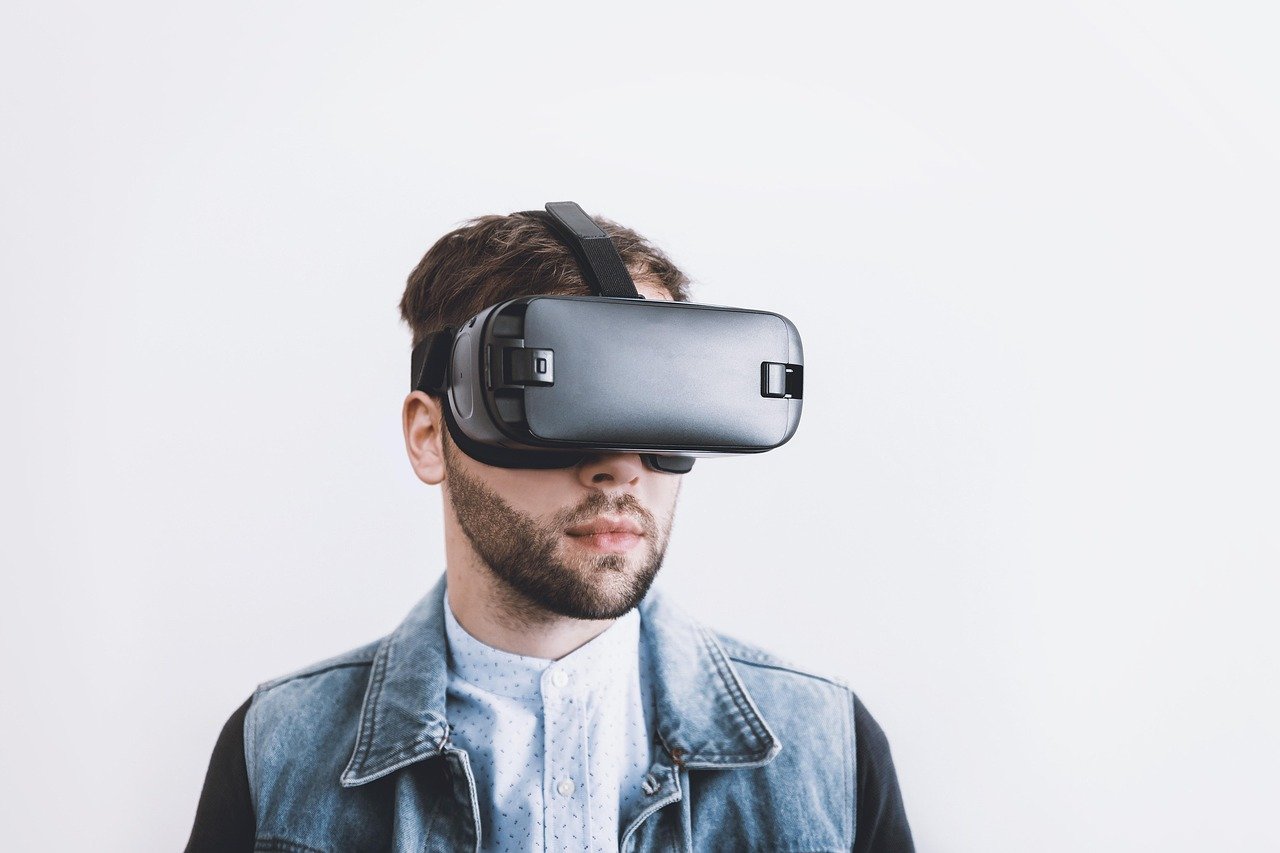
- Virtual and Augmented Reality Art: Immersive experiences where art exists in digital spaces, allowing viewers to interact with sculptures or environments that blur the lines between reality and imagination.
- Generative AI Art: Artificial intelligence algorithms can create entirely new images or modify existing ones based on text prompts or training data, raising questions about authorship and creativity.
Expanding Reach, Accessibility, and the Art Market
Digitalization has democratized art on an unprecedented scale.
- Online Galleries and Social Media: Platforms like Instagram, Behance, and ArtStation allow artists to showcase their work to a global audience without the need for traditional gallery representation. This has flattened hierarchies and given emerging artists a voice.
- Global Collaboration: Digital tools facilitate seamless collaboration between artists across different continents, leading to diverse and innovative projects.
- NFTs (Non-Fungible Tokens) and Digital Ownership: The rise of NFTs has created a new paradigm for owning and trading unique digital artworks, establishing verifiable provenance and value in the digital realm. In 2021, the digital collage “Everydays: The First 5000 Days” by Beeple sold for a staggering $69 million, highlighting the burgeoning market for digital art.
Actionable Takeaway: Explore online art communities or digital art platforms. Witnessing the diverse works being created with new technologies can be incredibly inspiring and introduce you to contemporary artists pushing boundaries.
The Economic and Social Impact of Visual Arts
Beyond its aesthetic and emotional appeal, the visual arts sector is a significant economic driver and a powerful force for social change, contributing profoundly to our global society.
A Vital Industry and Economic Contributor
The art world is a complex ecosystem that supports millions of jobs and generates substantial revenue worldwide.
- Art Markets and Galleries: The global art market reached an estimated $67.8 billion in 2022, demonstrating its significant economic clout. This includes sales through auctions, galleries, and art fairs.
- Job Creation: The arts sector employs a vast array of professionals, including artists, gallerists, curators, conservators, art historians, educators, designers, and artisans.
- Cultural Tourism: Major art exhibitions and museum collections attract millions of tourists annually, boosting local economies through hospitality, travel, and related services. Iconic institutions like the Louvre Museum or the Metropolitan Museum of Art are major tourist draws.
- Creative Industries Growth: Visual arts are a cornerstone of the broader creative industries, which encompasses film, fashion, gaming, and advertising – all sectors that heavily rely on visual creativity.
Driving Social Change and Innovation
Art’s impact extends far beyond economic figures; it profoundly influences our collective consciousness and well-being.
- Art as Advocacy and Activism: Throughout history, art has been a potent medium for protest, raising awareness about human rights, environmental issues, and social injustices. From murals to installations, artists use their platforms to spark dialogue and mobilize communities.
- Inspiring Creativity Across Sectors: The principles of visual design and creative thinking are not confined to fine art; they are integral to innovation in science, technology, engineering, and business. Design thinking, for instance, is a highly valued skill in many industries.
- Enhancing Quality of Life and Well-being: Engaging with visual arts, whether through creation or appreciation, has proven benefits for mental health, stress reduction, and cognitive function. Art therapy is a recognized form of healing.
- Preserving Cultural Heritage: Art institutions play a critical role in preserving and interpreting cultural heritage, ensuring that historical narratives and artistic legacies are passed down through generations.
Actionable Takeaway: Support local artists and art organizations. Purchasing a piece of art, attending a local exhibition, or donating to an arts non-profit directly contributes to the vitality of the visual arts ecosystem and its broader societal benefits.
Conclusion
The visual arts are an indelible part of the human experience, a testament to our innate desire to create, communicate, and comprehend. From ancient cave paintings to cutting-edge digital installations, these expressions serve as mirrors reflecting our world and windows inviting us to explore new perspectives. They enrich our lives, challenge our perceptions, and connect us across cultures and generations. Whether you are a dedicated artist, a casual admirer, or someone just beginning to explore its depths, the world of visual arts offers endless opportunities for discovery, inspiration, and profound engagement. Embrace its power, cultivate your artistic eye, and allow the vibrant spectrum of visual expression to continually shape and enhance your understanding of the world.