
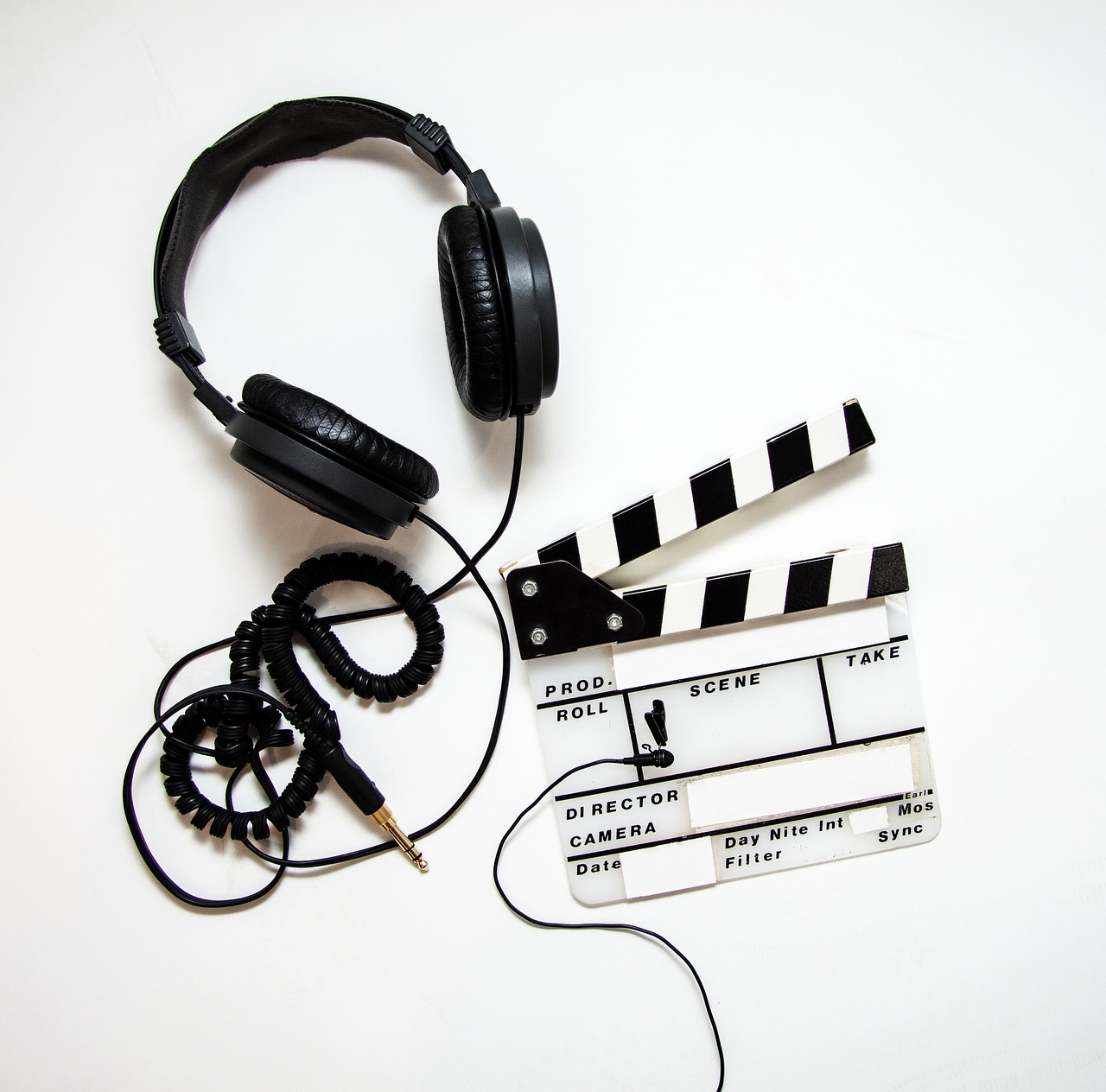
In a world saturated with digital content, what often sets exceptional experiences apart isn’t just stunning visuals, but captivating audio. From the chart-topping melodies that define a generation to the crystal-clear voice of your favorite podcast host, or the immersive soundscapes of a blockbuster film, the magic behind these sonic wonders lies in audio production. More than just recording sounds, audio production is a sophisticated blend of art and science, meticulously shaping raw audio into a polished, impactful listening experience. Whether you’re an aspiring musician, a budding podcaster, a filmmaker, or simply someone fascinated by sound, understanding the principles and practices of professional audio production is your key to elevating your craft and connecting with your audience on a deeper, more profound level.
The Foundation: Understanding Audio Production Fundamentals
At its core, audio production is the process of manipulating sound for any medium. It encompasses everything from capturing initial recordings to the final polishing that prepares a track for distribution. Mastering this craft requires a deep understanding of both creative expression and technical execution.
What is Audio Production?
Audio production is the holistic process of creating, shaping, and enhancing sound. It’s a broad field that spans various industries and applications, always with the goal of delivering high-quality, engaging audio.
- Music Production: The most commonly recognized form, involving recording instruments and vocals, arranging, mixing, and mastering songs.
- Podcast Production: Focusing on clear vocal recording, editing, adding music, sound effects, and mastering for broadcast.
- Film & Video Game Audio: Creating dialogue, sound effects (SFX), Foley, and scoring music to complement visual narratives and enhance immersion.
- Broadcast & Live Sound: Managing audio for television, radio, and live events, ensuring optimal sound quality for audiences.
The journey of any audio project typically follows a similar path: pre-production, recording, editing, mixing, and mastering.
Essential Concepts in Sound Engineering
Before diving into gear, it’s crucial to grasp some fundamental concepts that govern how we perceive and manipulate sound.
- Frequency (Pitch): Measured in Hertz (Hz), frequency determines how high or low a sound is. The human hearing range is typically 20 Hz to 20,000 Hz (20 kHz).
- Amplitude (Loudness): Measured in Decibels (dB), amplitude relates to the perceived loudness or intensity of a sound.
- Dynamic Range: The difference between the loudest and quietest parts of an audio signal. Managing this is key to clear, impactful audio.
- Analog vs. Digital Audio:
- Analog: Sound represented by continuous electrical signals (e.g., vinyl records, tape).
- Digital: Sound converted into numerical data (bits and samples) for storage and processing (e.g., CDs, MP3s, computer files). Most modern audio production relies heavily on digital workflows.
- Signal Flow: Understanding how audio signals travel through your equipment (e.g., microphone -> preamp -> audio interface -> DAW) is fundamental to troubleshooting and optimizing your setup.
Actionable Takeaway: Invest time in understanding these core concepts. A strong theoretical foundation will make your practical production decisions more informed and effective, leading to significantly better audio quality.
Building Your Studio: Essential Gear & Setup
Setting up an effective audio production workspace, whether it’s a professional recording studio or a home studio, involves acquiring the right tools. The good news is that advancements in technology have made quality equipment more accessible than ever.
The Heart of Your Setup: Digital Audio Workstations (DAWs)
A Digital Audio Workstation (DAW) is software that serves as your central hub for recording, editing, mixing, and mastering. Choosing the right DAW depends on your budget, operating system, and specific needs.
- Pro Tools: Industry standard, renowned for robust audio editing and mixing capabilities.
- Ableton Live: Popular for electronic music production, live performance, and creative sound design with its unique session view.
- Logic Pro X (Mac only): A powerful, professional-grade DAW offering a vast library of instruments and effects, known for its intuitive interface.
- FL Studio: Widely used for beat making and electronic genres, offering a pattern-based workflow.
- Reaper: Highly customizable, lightweight, and very affordable, making it a favorite for independent producers.
- Studio One: Known for its user-friendly interface and efficient workflow, bridging the gap between traditional and modern production.
Crucial Hardware Components for Quality Recording
Beyond the software, several pieces of hardware are non-negotiable for serious audio production.
- Microphones: The transducers that convert acoustic sound into electrical signals.
- Condenser Microphones: Highly sensitive, excellent for capturing detail in vocals and acoustic instruments. Require phantom power. E.g., Rode NT1, Neumann U87.
- Dynamic Microphones: Durable, less sensitive, great for loud sources like drums, electric guitar amps, and live vocals. E.g., Shure SM57, Shure SM58.
- Ribbon Microphones: Known for a warm, vintage sound, often used for vocals and brass.
- Polar Patterns: How a mic picks up sound (e.g., cardioid for front-only, omnidirectional for all directions, figure-8 for front and back).
- Audio Interface: Connects your microphones and instruments to your computer. It houses high-quality preamps and Analog-to-Digital (A/D) converters, translating analog sound into digital data for your DAW. Look for low-latency performance. E.g., Focusrite Scarlett, Universal Audio Apollo.
- Studio Monitors & Headphones: Critical for accurate playback.
- Studio Monitors: Flat frequency response speakers designed to give you an uncolored sound, essential for making informed mixing decisions. E.g., KRK Rokit, Yamaha HS series.
- Studio Headphones: Open-back headphones offer a more natural soundstage for mixing, while closed-back headphones are crucial for tracking to prevent bleed into microphones. E.g., Sennheiser HD 650 (open-back), Sony MDR-7506 (closed-back).
- Cables & Accessories: Don’t overlook these! High-quality XLR cables for microphones, TRS cables for monitors, pop filters for vocals, and sturdy microphone stands are essential.
Acoustics: Often Overlooked, Always Important
Even with the best gear, a poorly treated room can ruin your sound. Room acoustics dramatically affect how you hear and record audio.
- Sound Absorption: Using panels (foam, rockwool) to reduce reflections and reverberation.
- Sound Diffusion: Scattering sound waves to prevent flutter echoes and create a more natural sound field.
- Bass Traps: Crucial for controlling low-end frequencies, which tend to build up in corners and create muddy mixes.
- Monitoring Position: Setting up your monitors in an equilateral triangle with your listening position, away from walls, helps create an accurate stereo image.
Actionable Takeaway: Start with quality microphones and an audio interface, as they are your gateway to capturing sound. Invest incrementally in studio monitors and acoustic treatment. Even DIY acoustic solutions can make a significant difference in your home studio setup.
The Production Workflow: From Recording to Mixing
The journey from an idea to a finished track involves a structured workflow. Each stage builds upon the last, ensuring a cohesive and professional final product.
Pre-Production: Laying the Groundwork
Good audio production starts long before the record button is pressed. Thoughtful pre-production saves countless hours later.
- Planning & Arrangement: Outline song structure, choose tempos, create click tracks, and develop instrument arrangements. For podcasts, script outlines and segment planning.
- Microphone Placement: Experiment with different mic positions relative to the sound source. A few inches can make a huge difference in tone and clarity. E.g., for an acoustic guitar, try pointing a condenser mic at the 12th fret for a balanced sound.
- Scratch Tracks: Record guide vocals or instruments to help other performers stay in time and in tune during subsequent takes.
Recording Techniques for Pristine Audio
The goal of recording is to capture the best possible source material. A well-recorded track requires less fixing in the mix, saving time and preserving audio quality.
- Vocal Recording:
- Use a pop filter to eliminate plosives (P, B sounds).
- Maintain consistent distance from the microphone.
- Record in a treated room to minimize reflections.
- Ensure the singer is comfortable and well-rehearsed.
- Instrument Recording:
- Close Miking: Places a mic very near the instrument for direct, isolated sound (e.g., snare drum, guitar amp).
- Room Miking: Places a mic further away to capture the natural ambience of the recording space.
- Direct Input (DI): Recording instruments like bass guitar or keyboard directly into the audio interface, capturing a clean signal for re-amping or processing later.
- Gain Staging: Properly setting input levels to achieve a strong signal without clipping (distortion). Aim for healthy levels peaking around -6 dBFS during recording to leave headroom for mixing.
Editing & Arrangement: Crafting the Sonic Narrative
Once recorded, raw audio is refined and organized within your DAW. This stage is crucial for perfecting timing, removing imperfections, and shaping the overall flow.
- Comping (Composite Takes): Combining the best parts from multiple takes into one perfect performance.
- Timing Correction: Using quantization or manual editing to align performances with the grid or groove.
- Noise Reduction: Removing unwanted background noise, hums, or clicks using specialized plugins.
- Vocal Tuning: Gently correcting pitch inaccuracies to ensure professional-sounding vocals (e.g., Auto-Tune, Melodyne).
- Arrangement: Structuring the song or podcast episode, deciding when instruments or voices enter and exit, and building dynamic tension.
Actionable Takeaway: Focus relentlessly on capturing the highest quality recording possible. “Fix it in the mix” is a myth – a clean recording is the bedrock of a professional-sounding production. Proper audio editing and arrangement bring your creative vision to life.
The Art of Mixing & Mastering: Polishing Your Sound
Mixing and mastering are distinct but interconnected processes that transform your edited tracks into a cohesive, balanced, and commercially competitive final product. These stages are where the magic truly happens, elevating raw recordings to a professional standard.
Mixing: Achieving Clarity, Balance, and Depth
Mixing is the process of blending all the individual tracks in your project into a single stereo file. The goal is to make every element sit perfectly in the sonic landscape, ensuring clarity, impact, and an engaging listening experience.
- EQ (Equalization): Sculpting the frequency content of each track to remove muddiness, harshness, and allow instruments to occupy their own sonic space. Use subtractive EQ (cutting frequencies) before additive EQ (boosting).
- Compression: Reducing the dynamic range of a signal, making quiet parts louder and loud parts quieter, resulting in a more consistent and impactful sound. It adds punch to drums, sustains to bass, and smooths out vocals.
- Reverb & Delay: Creating a sense of space, depth, and ambience. Reverb simulates the sound of a room, while delay creates echoes. Use sparingly to avoid muddying the mix.
- Saturation & Distortion: Adding harmonic richness and warmth to tracks, often used to make sounds “stand out” or give them a vintage character.
- Panning: Positioning sounds in the stereo field (left to right) to create width and separate elements.
- Volume Balancing: The most fundamental aspect of mixing. Ensuring all elements are at appropriate levels relative to each other.
- Practical Tip: Regularly use reference tracks – professionally mixed and mastered songs in a similar genre – to compare your mix and identify areas for improvement. Listen on various systems (studio monitors, headphones, car stereo, phone speakers).
Mastering: The Final Sheen
Mastering is the final step in audio production, preparing your stereo mix for distribution. It’s an often subtle but critical process that enhances overall loudness, tonal balance, and stereo width, making your track sound polished and competitive across all playback systems.
- What it is: Mastering engineers optimize the overall volume, tonal balance, and dynamic range of a stereo mix. This ensures the track translates well across different speakers and platforms (streaming, CD, vinyl).
- Key Tools & Processes:
- EQ: Subtle broadband adjustments to the overall tonal balance.
- Multi-band Compression: Applying compression differently to various frequency ranges to control dynamics more precisely.
- Limiting: The most crucial tool for achieving competitive loudness without introducing distortion, pushing the track to its maximum perceived volume.
- Stereo Imaging: Enhancing or tightening the stereo width of the overall track.
- Dithering & Noise Shaping: Processes applied when reducing bit depth (e.g., from 24-bit to 16-bit for CD) to preserve detail and minimize quantization noise.
- Delivery Formats: Mastering typically delivers high-resolution WAV files, along with optimized MP3s or other formats tailored for specific platforms.
- Professional vs. DIY Mastering: While basic mastering can be done at home, professional mastering engineers bring specialized acoustic environments, high-end equipment, and years of experience to the table, often making a noticeable difference in the final product.
Actionable Takeaway: Approach mixing systematically, focusing on balance and clarity before applying effects. For mastering, understand its purpose as the final polish. If budget allows, consider professional mastering to give your project that crucial competitive edge and optimal audio quality for distribution.
Beyond Music: Audio Production in Other Media
While music production often comes to mind first, audio production is a ubiquitous and vital component in virtually all forms of media, enhancing storytelling, immersion, and user experience across diverse platforms.
Podcast Production: The Rise of the Spoken Word
The podcasting boom has highlighted the critical role of clear, engaging audio for spoken word content. Poor audio quality is a leading reason listeners abandon podcasts, making professional production essential.
- Crystal-Clear Vocals: Prioritize good microphone technique, proper gain staging, and acoustic treatment to capture clean dialogue.
- Editing for Flow: Removing filler words (“um,” “uh”), dead air, stutters, and ensuring smooth transitions between segments.
- Music & Sound Effects: Thoughtfully integrating intro/outro music, background scores, and sound effects to set the mood and enhance listener engagement without distracting from the dialogue.
- Loudness Normalization: Mastering podcasts to industry standards (e.g., -16 LUFS for stereo, -19 LUFS for mono) ensures consistent playback volume across platforms.
- Noise Reduction: Essential for cleaning up recordings that may have background hums or room noise.
Practical Example: A well-produced podcast might use a subtle, atmospheric bed of music during an interview to enhance emotional impact, or a brief, punchy sound effect to mark a segment transition, all while keeping the primary focus on the speaker’s voice.
Film & Video Game Audio: Crafting Immersive Worlds
Audio in visual media is far more than just background noise; it’s a powerful tool for storytelling, building tension, guiding attention, and creating believable environments.
- Dialogue Editing: Cleaning up spoken lines, ensuring continuity in tone and volume, and removing production flaws.
- Sound Effects (SFX): Adding realistic or stylized sounds to actions, objects, and environments (e.g., footsteps, explosions, creature roars). These are often sourced from libraries or recorded specifically for the project.
- Foley: Recreating everyday sounds in a studio to match on-screen actions (e.g., the rustle of clothes, the clinking of keys) for added realism and presence.
- Music Scoring: Composing and integrating musical pieces to evoke emotions, emphasize dramatic moments, and propel the narrative.
- Mixing for Picture: Balancing all these elements (dialogue, SFX, music) to complement the visuals and meet broadcast/cinema standards, often in surround sound formats for an immersive experience.
Practical Example: In a horror game, ambient sound design combined with carefully placed jump scare effects (SFX) can heighten player anxiety more effectively than visuals alone. In film, the subtle shift in a character’s breathing (Foley) can convey deep emotion.
Sound Design: Creating Sonic Worlds
Sound design is the art of creating and manipulating sounds to achieve a desired emotional or practical effect. It’s often the most creative and experimental aspect of audio production.
- Synthesizers: Using hardware or software synthesizers to generate unique sounds, from sci-fi effects to otherworldly textures.
- Field Recording: Capturing sounds from the real world (e.g., city ambience, natural environments, specific object sounds) to build sound libraries or use directly in projects.
- Sampling: Taking snippets of existing audio and manipulating them to create new sounds or musical elements.
- Layering & Processing: Combining multiple sounds and applying effects (reverb, delay, distortion, modulation) to create complex, original soundscapes.
Actionable Takeaway: Think broadly about where your audio production skills can apply. Podcasts, film, and games offer vast opportunities. Experiment with sound design techniques to add unique character and depth to any project, enhancing its impact and audience engagement. Mastering sound engineering principles is key to excelling in these diverse fields.
Conclusion
The journey through the world of audio production is a captivating blend of technical mastery and artistic expression. From the initial spark of an idea to the final, polished sound that moves an audience, every stage demands precision, creativity, and a deep understanding of how sound works. We’ve explored the foundational concepts of sound, the essential gear required to build an effective home studio setup or professional workspace, the meticulous workflow from recording to intricate audio editing, and the transformative power of mixing and mastering.
Beyond music, we’ve seen how these principles are applied to craft compelling narratives in podcasts, build immersive worlds in film and video games through sophisticated sound engineering, and invent entirely new sonic experiences through dedicated sound design. The pursuit of high-quality audio is not just a technical challenge; it’s a commitment to delivering a richer, more engaging experience to your listeners.
The landscape of audio production is continuously evolving, with new technologies and techniques emerging regularly. Embrace a mindset of continuous learning, experiment boldly with your tools, and always prioritize listening critically. Whether you’re recording your first vocal take, mixing a multi-track song, or designing unique sound effects, remember that passion, patience, and practice are your greatest assets. The power to create incredible sound is within your reach; now, go forth and make some noise!