
Music, an intangible yet profoundly powerful force, has been an intrinsic part of the human experience since time immemorial. From ancient tribal chants echoing through caves to the intricate symphonies filling grand concert halls and the pulsing electronic beats in modern clubs, music transcends language, culture, and time. It’s more than just sound; it’s a universal language that communicates emotions, tells stories, and connects souls. In a world often divided, music stands as a unifying art form, shaping identities, inspiring movements, and providing comfort. This blog post delves into the multifaceted world of music, exploring its profound impact, its fascinating evolution, the technological advancements driving its future, and practical ways to engage with its magic.
The Universal Language: Music’s Profound Impact
Music’s reach extends far beyond mere entertainment. It’s a fundamental aspect of human existence, influencing our moods, minds, and even our bodies in remarkable ways. Understanding its impact helps us harness its power more effectively.
Emotional Connection and Well-being
Few things can evoke such a strong emotional response as music. A melody can trigger nostalgia, a rhythm can ignite joy, and lyrics can articulate feelings we sometimes struggle to express. This deep emotional resonance contributes significantly to our mental well-being.
- Stress Reduction: Listening to calming music can lower heart rate, reduce cortisol levels, and promote relaxation. Studies show a direct correlation between music listening and decreased anxiety.
- Mood Enhancement: Upbeat tempos and major keys can elevate mood, boost energy, and even improve optimism. Think of how a favorite pump-up song can change your outlook before a big event.
- Empathy and Connection: Sharing musical experiences, whether at a concert or simply discussing favorite artists, fosters a sense of community and strengthens social bonds.
Actionable Takeaway: Create playlists tailored to different emotional needs – a calming one for winding down, an energizing one for motivation, and a reflective one for introspection.
Cognitive Benefits and Development
Beyond emotions, music has a significant impact on our cognitive functions, offering benefits across all age groups, from early childhood to later life.
- Brain Stimulation: Engaging with music, especially learning an instrument, activates multiple areas of the brain, including those involved in memory, language, and motor skills.
- Memory Enhancement: Music can serve as a powerful mnemonic device. Think of how jingles help us remember facts or how a song can vividly bring back a specific memory.
- Improved Focus and Attention: Instrumental music, in particular, can help some individuals concentrate better during work or study sessions, blocking out distractions.
Practical Example: Many students find listening to classical or ambient music helpful for studying, as it provides a non-distracting background that can improve focus without competing for attention.
Physical Wellness and Healing
The therapeutic potential of music is increasingly recognized in healthcare settings, demonstrating its ability to contribute to physical recovery and pain management.
- Pain Management: Music therapy is used in hospitals to help patients manage chronic pain, post-operative discomfort, and even during childbirth, often reducing the need for medication.
- Motor Skill Rehabilitation: Rhythmic auditory stimulation (RAS) is a technique where therapists use music and rhythm to help patients with neurological conditions like Parkinson’s disease or stroke victims improve gait, balance, and coordination.
- Exercise Performance: Listening to music with a steady, motivating beat can significantly improve endurance, reduce perceived effort, and boost mood during physical activity.
Statistics: Research published in The Lancet found that patients listening to music before, during, or after surgery experienced less pain and anxiety, and used less pain medication.
A Journey Through Sound: The Evolution of Musical Expression
The story of music is a grand narrative spanning millennia, constantly evolving, adapting, and reflecting the human condition. From rudimentary instruments to complex digital soundscapes, each era has left its unique imprint.
Historical Milestones in Music
Music’s journey is marked by pivotal discoveries and shifts in cultural practice, shaping what we hear today.
- Ancient Roots: The oldest known musical instrument, a bone flute, dates back over 40,000 years. Early music was often functional, used in rituals, storytelling, and communication.
- Classical Era (c. 1750-1820): Marked by the rise of influential composers like Mozart and Beethoven, this era emphasized clarity, balance, and formal structure, giving birth to the symphony and concerto.
- Jazz Age (early 20th century): Originating in African American communities in New Orleans, jazz introduced improvisation, syncopation, and swing rhythms, profoundly influencing popular music worldwide.
- Rock & Roll Revolution (mid-20th century): Combining blues, gospel, and country, rock & roll became a global phenomenon, symbolizing youth rebellion and cultural shifts.
- Digital Age (late 20th century to present): The advent of synthesizers, samplers, and digital audio workstations (DAWs) revolutionized music production, making it more accessible and diverse than ever before.
Practical Example: Listen to Stravinsky’s “The Rite of Spring” to experience a piece that, upon its 1913 premiere, was so avant-garde and rhythmically complex it caused a riot, showcasing music’s power to provoke and innovate.
Genre Diversification and Fusion
Music’s beauty lies in its infinite forms. As cultures interact and technology progresses, new genres emerge and existing ones blend in exciting ways.
- The Birth of New Styles: From Hip-Hop’s origins in Bronx block parties to the intricate layers of Electronic Dance Music (EDM) born in clubs, music constantly reinvents itself.
- Cross-Genre Collaboration: Artists frequently draw inspiration from disparate styles, leading to innovative fusions like rock-opera, folk-electronica, or jazz-hip hop.
- Microgenres: The digital era has facilitated the emergence of highly specific niche genres, often thriving within online communities, such as “vaporwave” or “lo-fi hip hop.”
Actionable Takeaway: Step outside your usual musical comfort zone. Explore a genre you’ve never listened to before, or find artists who blend your favorite styles in unexpected ways.
Cultural Significance and Identity
Music is a powerful mirror and shaper of culture, reflecting societal values, historical events, and collective identities.
- National Anthems: Music often serves as a symbol of national identity and pride, unifying people during significant events.
- Protest Songs: Throughout history, music has been a potent tool for social change, giving voice to marginalized communities and driving movements for justice and equality.
- Rituals and Celebrations: Music plays a central role in religious ceremonies, weddings, funerals, and countless other cultural celebrations worldwide.
Example: The protest songs of the American Civil Rights Movement, such as “We Shall Overcome,” provided a powerful soundtrack to the struggle for equality, embodying hope and resilience.
The Digital Symphony: Technology’s Role in Modern Music
The digital age has ushered in a transformative era for music, democratizing creation, revolutionizing distribution, and redefining how we experience sound. Technology is not just a tool; it’s an active participant in music’s evolution.
Creation & Production: Empowering Artists
Gone are the days when music production was exclusive to lavish studios and highly specialized engineers. Digital tools have put the power of creation into the hands of many.
- Digital Audio Workstations (DAWs): Software like Ableton Live, Logic Pro X, and FL Studio allows anyone with a computer to record, compose, mix, and master professional-quality music.
- Virtual Instruments & Plugins: Affordable or free virtual instruments and effects plugins simulate everything from grand pianos to futuristic synthesizers, offering an endless sonic palette.
- AI-Assisted Composition: Emerging AI technologies can help generate melodies, harmonies, or even entire tracks, acting as a collaborative partner for human composers.
Practical Example: An aspiring musician can now record a demo album in their bedroom studio using a laptop, a USB microphone, and a free DAW, then distribute it globally – a feat unimaginable just a few decades ago.
Distribution & Consumption: Redefining Access
The way music reaches listeners has been fundamentally reshaped by digital innovation, leading to unprecedented access and personalization.
- Streaming Services: Platforms like Spotify, Apple Music, and Amazon Music Unlimited offer vast catalogs, making billions of songs accessible on demand for a monthly subscription. This has become the dominant mode of consumption.
- Digital Downloads: While streaming dominates, platforms like Bandcamp allow artists to sell high-quality digital downloads directly to fans, often giving them a larger share of revenue.
- Personalized Playlists & Algorithms: AI-driven algorithms analyze listening habits to recommend new music, fostering discovery and creating highly personalized user experiences.
Statistics: In 2023, global recorded music revenue reached $28.6 billion, with streaming accounting for 67% of the total, underscoring its pivotal role in the industry.
Fan Engagement & Community
Technology has also transformed the relationship between artists and their fans, fostering deeper connections and more direct interaction.
- Social Media & Live Streams: Artists use platforms like Instagram, TikTok, and YouTube to share behind-the-scenes content, interact with fans, and even perform live concerts from their homes.
- Crowdfunding Platforms: Websites like Kickstarter or Patreon allow fans to directly support their favorite artists, funding new albums, tours, or creative projects.
- Virtual Reality (VR) Concerts: Emerging VR technologies offer immersive concert experiences, allowing fans to attend virtual shows from anywhere in the world, often with interactive elements.
Actionable Takeaway: Follow your favorite artists on social media and consider supporting them directly through platforms like Patreon to help them continue creating the music you love.
The Business Behind the Beat: Navigating the Music Industry
The music industry is a complex ecosystem where creativity meets commerce. Understanding its dynamics is crucial for artists, businesses, and even informed listeners. It’s an industry constantly adapting to technological shifts and evolving consumer habits.
Artist Development & Monetization
For artists, navigating the path from creation to financial sustainability involves multiple avenues and strategic decisions.
- Record Labels vs. Independence: While major labels offer extensive resources, independent artists can leverage digital tools to maintain creative control and retain a larger share of their earnings.
- Revenue Streams: Artists generate income from a diverse range of sources, including:
- Streaming Royalties: Payments from platforms like Spotify and Apple Music.
- Live Performances: Concerts, tours, and festival appearances.
- Merchandise Sales: T-shirts, vinyl records, and other branded items.
- Sync Licensing: Music used in films, TV shows, commercials, and video games.
- Publishing: Royalties from songwriting and composition.
- Building a Brand: Developing a unique artistic identity, consistent visual branding, and engaging with fans are vital for long-term career success.
Practical Example: An indie artist might release an EP on Bandcamp, promote it through TikTok, sell custom t-shirts on their website, and use the revenue to fund their next music video, all without a traditional record deal.
Rights & Royalties: Protecting Intellectual Property
Intellectual property is at the heart of the music business. Understanding copyrights and royalties is essential for fair compensation and protection.
- Copyright Protection: Music typically has two main copyrights:
- Sound Recording Copyright: Protects the specific recording of a song (often owned by the record label or artist).
- Composition Copyright: Protects the underlying melody, lyrics, and harmony (owned by the songwriter/composer).
- Performance Rights Organizations (PROs): Organizations like ASCAP, BMI, and SESAC collect and distribute performance royalties to songwriters and publishers when their music is played publicly (radio, TV, venues).
- Mechanical Royalties: Paid to songwriters and publishers when their music is reproduced (e.g., sold on CDs, vinyl, or streamed interactively).
Actionable Takeaway: If you’re a musician, familiarize yourself with copyright basics and consider registering your works with a PRO to ensure you receive proper compensation for your creations.
Emerging Business Models & The Future
The industry is in a constant state of flux, with new models emerging to address evolving technologies and consumer expectations.
- NFTs (Non-Fungible Tokens): Artists are experimenting with NFTs to create unique, verifiable digital collectibles, offering fans exclusive content, early access, or even a share of future royalties.
- Fan-Centric Economies: Platforms that prioritize direct artist-to-fan connections and revenue sharing are gaining traction, empowering creators to build sustainable careers.
- Immersive Experiences: Beyond traditional concerts, virtual reality, augmented reality, and gaming platforms are becoming new venues for musical performances and monetization.
Example: Artists like 3LAU and Grimes have successfully sold music and art as NFTs, generating significant revenue and exploring new avenues for fan engagement and ownership in the digital realm.
Cultivating Your Musical Journey: Engagement & Exploration
Music is meant to be experienced, not just passively consumed. Actively engaging with music enriches your life, deepens your appreciation, and opens up new avenues for personal growth and enjoyment.
Active Listening: Beyond Background Noise
In an age of constant stimulation, truly listening to music can be a profound and meditative experience, revealing layers you might otherwise miss.
- Focus on Elements: Pay attention to individual instruments, vocal harmonies, rhythmic patterns, and lyrical storytelling. How do they interact?
- Explore Dynamic Range: Notice the subtle shifts in volume, intensity, and emotion throughout a piece.
- Understand Context: Research the artist’s background, the song’s meaning, or the historical period it was created in to gain deeper insight.
Practical Example: Pick a favorite song and listen to it through high-quality headphones, focusing solely on the music without distractions. You might discover intricate details or hidden instruments you’ve never noticed before.
Learning an Instrument or Singing
There’s immense satisfaction in creating music yourself. It’s a journey that offers cognitive, emotional, and social rewards.
- Start Small: Don’t feel pressured to master a complex instrument immediately. Begin with something simple like a ukulele, harmonica, or even a drumming app on your phone.
- Online Resources: The internet offers a wealth of free tutorials, lessons, and sheet music for every instrument and skill level. Platforms like YouTube or apps like Simply Piano can be excellent starting points.
- Find a Community: Join a local choir, a jam session, or connect with other aspiring musicians online. Sharing your musical journey can be incredibly motivating.
Actionable Takeaway: Dedicate 15-30 minutes each day to practice an instrument or vocal exercises. Consistency, even in small increments, is key to progress and enjoyment.
Attending Live Music Events
The energy and immediacy of a live performance offer a unique and often unforgettable musical experience that cannot be replicated elsewhere.
- Local Gigs: Support local artists by attending shows at small venues, coffee shops, or open mic nights. You might discover your next favorite band.
- Concerts & Festivals: Experience the spectacle of larger productions, from intimate theater performances to massive outdoor music festivals.
- Diverse Genres: Attend performances outside your usual genre preferences – a classical symphony, a jazz club, a world music concert – to broaden your musical horizons.
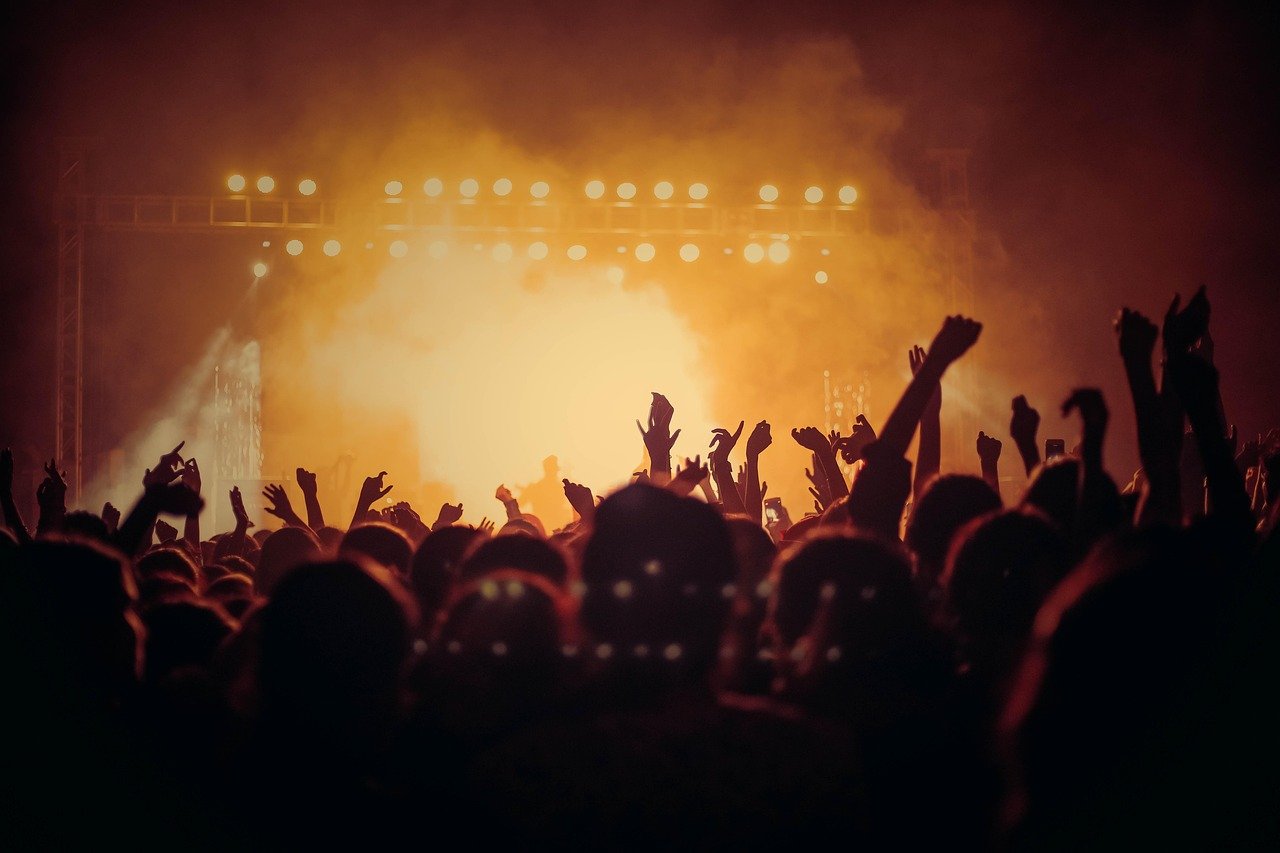
Example: The communal experience of thousands of people singing along to a band at a festival creates an unparalleled sense of unity and shared joy, highlighting music’s power to bring people together in a physical space.
Conclusion
Music, in its myriad forms, is much more than just sound waves; it is a fundamental pillar of human culture, a catalyst for emotion, a stimulant for the mind, and a powerful tool for connection and healing. From its ancient origins to its digital future, music continues to evolve, reflecting and shaping our world. The advancements in technology have democratized its creation and consumption, while the underlying business structures strive to adapt to a rapidly changing landscape. Whether you are an artist, an industry professional, or simply an appreciative listener, actively engaging with music enriches life in countless ways. So, take a moment today to truly listen, explore new genres, support artists, or perhaps even create your own melodies. The profound and enchanting journey of music is waiting for you to discover its next note.