
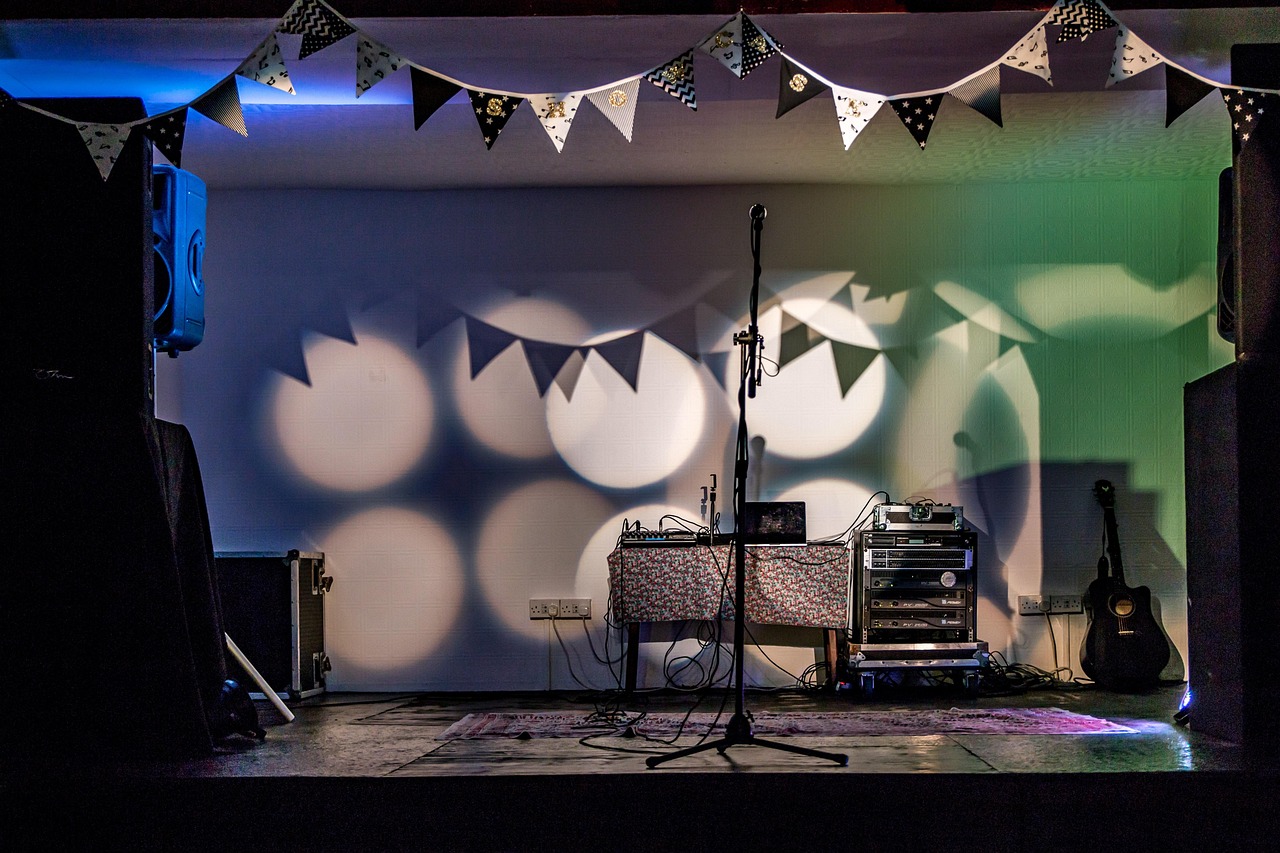
There’s a unique, electrifying energy that crackles in the air the moment the house lights dim and the first chord strikes. It’s an unspoken promise of collective euphoria, a shared journey into sound that transcends the everyday. For millions around the globe, concerts are more than just events; they are profound experiences that ignite the senses, forge connections, and create indelible memories. Whether you’re a seasoned concert-goer or planning your first venture into the world of live music, understanding the magic, planning, and etiquette can elevate your experience from good to absolutely unforgettable.
The Enduring Allure of Live Music Experiences
The magnetism of live performances is a deeply ingrained human desire. From ancient tribal gatherings to modern-day stadium spectacles, the act of experiencing music together holds a powerful draw.
Why We Crave Live Performances
- Sensory Immersion: Unlike listening through headphones, a live concert engages all your senses. You feel the bass rumble in your chest, see the intricate stage lighting, smell the collective energy, and hear every nuance of the performance directly from the artists.
- Community and Connection: There’s an unparalleled sense of belonging that comes from sharing a moment with thousands of fellow fans, all singing along to the same lyrics or moving to the same beat. It fosters a powerful, temporary community united by a shared passion.
- Emotional Impact: Live music often triggers profound emotional responses. A favorite song performed live can evoke nostalgia, inspire joy, or even bring catharsis, creating a powerful, raw connection between artist and audience.
- Authenticity: Witnessing artists perform their craft live offers an unfiltered glimpse into their talent and passion, often revealing improvisations and raw energy that studio recordings cannot fully capture.
The Evolution of Concerts
Concerts have come a long way from classical recitals in grand halls. Today’s live music landscape is incredibly diverse:
- From Intimate Venues to Grand Spectacles: The range spans from small, local clubs where emerging artists hone their craft to massive stadiums hosting global superstars with elaborate stage productions and pyrotechnics.
- Technological Advancements: Modern concerts leverage cutting-edge sound systems, LED screens, immersive lighting designs, and even augmented reality to create truly spectacular and multi-sensory experiences. Think of U2’s “ZooTV” tour in the 90s or Travis Scott’s virtual concerts in Fortnite.
- The Rise of Music Festivals: Festivals like Glastonbury, Coachella, and Tomorrowland have become cultural phenomena, offering multi-day experiences with dozens of artists across various stages, blending music with art, food, and culture.
Actionable Takeaway: Don’t limit yourself to one type of concert; explore different venues and genres to discover new facets of the live music experience.
Navigating the Concert Landscape: Types and Genres
The world of live music is vast and varied, offering something for every taste and preference. Understanding the different formats and genres can help you tailor your experience.
A Spectrum of Sound: Different Concert Formats
- Stadium Tours: These are the blockbuster events, featuring global pop, rock, or hip-hop icons. Expect massive crowds (50,000+), elaborate stage designs, and a powerful collective energy. Examples include Taylor Swift’s “Eras Tour” or Coldplay’s “Music of the Spheres World Tour.”
- Arena Shows: A step down from stadiums in size (10,000-20,000 capacity), arenas offer a slightly more intimate feel while still providing high-production value for popular artists across many genres. Think of shows at Madison Square Garden or The O2 Arena.
- Intimate Club Gigs: Often held in smaller venues (100-1,000 capacity), these shows provide a raw, up-close-and-personal experience with artists. They’re perfect for discovering emerging talent or seeing established acts in a different light.
- Music Festivals: Multi-day events showcasing a diverse lineup of artists across multiple stages. Festivals like Austin City Limits or Riot Fest offer a comprehensive cultural experience beyond just music, including food, art installations, and often camping.
- Symphony/Orchestral Performances: For fans of classical music, these events offer a refined experience, often in grand concert halls, focusing on acoustic purity and musical precision.
Exploring Music Genres Live
Each genre offers a distinct live experience:
- Rock & Pop: Characterized by high energy, singalongs, and often visually stunning stagecraft. Expect anthemic choruses and passionate fanbases.
- Hip-Hop & R&B: Known for dynamic performances, engaging crowd interactions, and powerful vocal deliveries. Many shows feature live bands and impressive choreography.
- Electronic Dance Music (EDM): Immersive experiences with pulsating beats, dazzling light shows, and often pyrotechnics. The focus is on dancing and creating a high-energy party atmosphere.
- Classical & Jazz: These concerts emphasize musical virtuosity and emotional depth. They typically offer a more subdued but deeply engaging listening experience.
- Country & Folk: Often characterized by storytelling, acoustic instruments, and a warm, communal atmosphere. Fans often sing along to familiar tunes.
Actionable Takeaway: Consider attending a concert in a genre you don’t typically listen to; you might discover a new appreciation for the live interpretation of different musical styles.
Planning Your Perfect Concert Experience
A little preparation goes a long way in ensuring your concert experience is smooth, enjoyable, and stress-free.
Securing Your Spot: Tips for Buying Concert Tickets
- Be Prepared for Presales: Many artists offer presale codes to fan club members, credit card holders, or streaming service subscribers. Joining these groups can give you an edge in securing tickets before they sell out.
- Act Fast on General Sale Day: Popular concerts can sell out in minutes. Have an account created on ticketing platforms (e.g., Ticketmaster, Live Nation) beforehand, and be ready to click the moment tickets go live.
- Authorized Vendors Only: Always purchase from official ticketing sites or their authorized partners. Be wary of secondary markets (resale sites) unless they are verified partners, as prices can be inflated, and fake tickets are a risk.
- Budget and Seating: Decide on your budget and preferred seating (standing pit, front rows, balcony) in advance. Standing GA (General Admission) often offers the most energetic experience but requires early arrival.
- Set up Ticket Alerts: Use apps or websites that notify you when your favorite artists announce tours or when tickets go on sale in your area.
Pre-Concert Preparations
- Outfit Choice: Comfort is key, especially if you’ll be standing or dancing for hours. Check the weather if it’s an outdoor venue. Layering is often a good idea.
- Transportation & Parking: Plan your route to the venue and consider public transport, ride-sharing, or pre-booked parking to avoid stress on the day of the event. Aim to arrive early to avoid traffic and long lines.
- Essentials to Bring:
- Small Bag: Most venues have size restrictions.
- ID & Tickets: Digital tickets on your phone are convenient, but a screenshot or physical backup can save you if your phone dies.
- Portable Charger: For your phone.
- Earplugs: Essential for protecting your hearing, especially near speakers. High-fidelity earplugs are available that preserve sound quality.
- Cash/Card: For merchandise, food, and drinks.
Enhancing Your Live Music Journey
- Arrive Early: Gives you time to find parking, navigate security, grab a drink, find your spot, and even catch the opening act – often a great way to discover new music.
- Engage with the Crowd: Don’t be afraid to sing along, dance, and connect with those around you. This collective energy is a huge part of the live music experience.
- Stay Hydrated: Especially if you’re dancing or in a crowded standing area. Many venues offer free water stations.
- Minimize Distractions: While photos and videos are tempting, try to live in the moment. Experience the performance directly rather than through your phone screen.
Actionable Takeaway: Create a pre-concert checklist well in advance of the event, covering tickets, transport, and essentials, to guarantee a smooth start to your evening.
Safety, Etiquette, and Making Memories
To ensure a positive experience for yourself and everyone else, being mindful of safety and following unwritten rules of concert etiquette are crucial.
Prioritizing Concert Safety
- Be Aware of Your Surroundings: Keep an eye on exits and know where security and first aid stations are located.
- Protect Your Hearing: This cannot be stressed enough. Constant exposure to loud music (often 100-120dB) can lead to permanent hearing damage. Always wear earplugs, even if you think you don’t need them.
- Stay Hydrated and Know Your Limits: Especially concerning alcohol consumption. Dehydration and overconsumption can lead to serious health risks.
- Travel in Groups: If attending with friends, stick together, especially in large crowds. Establish a meeting point in case you get separated.
- Report Concerns: If you see anything suspicious or someone in distress, notify venue staff or security immediately.
Unspoken Rules: Concert Etiquette
- Respect Personal Space: Especially in general admission areas, give people room to breathe and move. Avoid pushing or shoving.
- Minimize Phone Use: It’s fine to snap a few photos or a short video, but avoid holding your phone up for entire songs or blocking others’ views. Be present.
- Be Mindful of Others’ Views: Large hats, signs held up too high, or frequent movement can obstruct views. Try to be considerate.
- Control Your Conversations: If you want to chat, step away from the main performance area or keep your voice down. Others are there to listen to the music.
- No Crowd Surfing (Unless Encouraged): In many venues, this is prohibited for safety reasons. Only attempt if explicitly allowed and supported by security and the crowd.
Capturing the Moment Responsibly
While technology makes it easy to document every moment, remember the primary goal is to experience the show.
- Photos vs. Experience: Aim for a balance. Take a few memorable shots, then put your phone away and truly absorb the performance. The best memories are often those you experience firsthand, not through a screen.
- Responsible Social Media Sharing: Share your excitement, but avoid excessive live-streaming that can distract others or diminish the exclusivity of the live event.
- Respect Artist Requests: Some artists prefer a phone-free environment. If asked, respect their wishes.
Actionable Takeaway: Invest in a good pair of high-fidelity earplugs; it’s the single most important item for long-term enjoyment of live music. Prioritize living in the moment over documenting every second.
The Economic and Cultural Impact of Live Music
Concerts are more than just entertainment; they are powerful drivers of economic activity and cultural evolution, shaping communities and influencing trends.
Boosting Local Economies
The concert industry is a significant economic force, generating billions globally. When a major tour or festival comes to town, it creates a ripple effect:
- Tourism and Hospitality: Attendees often travel, booking hotel rooms, dining at local restaurants, and using local transport services. A major festival can bring in millions of dollars in tourism revenue for a host city.
- Job Creation: From venue staff, security, and vendors to sound engineers, lighting technicians, and merchandise sellers, concerts directly create a vast number of temporary and permanent jobs.
- Local Businesses: Shops, bars, and cafes surrounding venues often see a significant boost in sales on concert nights, benefiting the wider community.
- Merchandise Sales: Artist merchandise is a huge component of their revenue and helps support their careers, while also contributing to local retail taxes.
Shaping Culture and Community
Beyond economics, live music plays a crucial role in society:
- Youth Movements and Trends: Concerts and music festivals often act as incubators for fashion, dance, and social trends, influencing youth culture globally.
- Artist-Fan Connection: Live performances strengthen the bond between artists and their audience, fostering loyalty and a deeper appreciation for their work. This connection is vital for an artist’s longevity.
- Music as a Unifying Force: Live music brings together people from diverse backgrounds, promoting a sense of unity and shared humanity, even if only for a few hours. It can be a powerful tool for social commentary and collective expression.
- Charitable Endeavors: Many concerts and festivals are organized to raise awareness and funds for various causes, demonstrating music’s power for social good (e.g., Live Aid, Global Citizen Festival).
Actionable Takeaway: When attending a concert, consider supporting local businesses in the area to contribute further to the positive economic impact of the event.
Conclusion
Concerts are truly an unparalleled human experience. They are vibrant celebrations of artistry, passion, and community that offer a potent escape from the ordinary. From the heart-thumping bass of an EDM show to the soulful strumming at an intimate folk gig, each live performance offers a chance to connect, feel, and create memories that resonate long after the final encore. By embracing proper planning, exercising thoughtful etiquette, and prioritizing safety, you can ensure that every concert you attend becomes a cherished chapter in your personal soundtrack. So, what are you waiting for? Dive into the exhilarating world of live music and let the rhythm move you.