
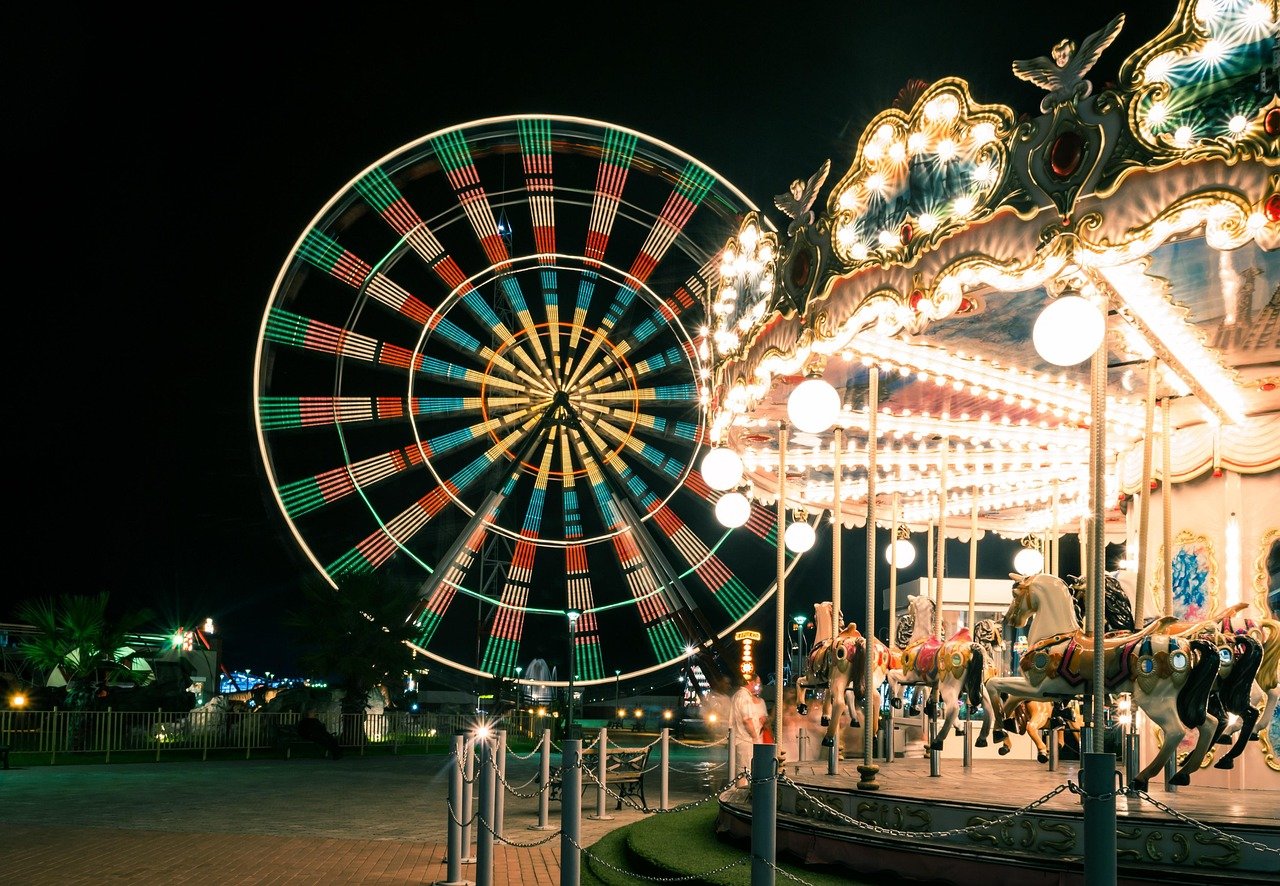
From ancient harvest rituals to modern-day spectaculars, festivals are vibrant threads woven into the fabric of human civilization. They are universal expressions of joy, community, and cultural identity, offering exhilarating escapes from the mundane and unforgettable experiences that resonate deeply within us. Whether you’re drawn to the pulsating rhythms of a global music event, the aromatic delights of a food fair, or the spiritual solace of a traditional ceremony, festivals invite us to connect, celebrate, and create lasting memories. Dive into the captivating world of these extraordinary gatherings and discover why they remain essential pillars of human connection and collective spirit.
The Enduring Allure of Festivals: More Than Just a Party
What is it about festivals that captifies millions worldwide? Beyond the surface-level excitement, there’s a profound human need fulfilled by these collective celebrations. Festivals offer a unique blend of escapism, community building, and cultural immersion, making them much more than just temporary events.
A Tapestry of Human Expression
- Cultural Affirmation: Festivals often serve as powerful platforms for communities to celebrate and reinforce their unique customs, traditions, and heritage. Think of the vibrant costumes of Rio Carnival or the intricate rangoli designs of Diwali.
- Artistic Showcase: Many festivals are epicenters for artistic innovation and performance, from live music concerts featuring world-renowned artists to avant-garde theater, dance, and visual arts installations. They provide stages for both emerging and established talents.
- Spiritual & Ritualistic Significance: For millennia, festivals have been deeply rooted in spiritual practices, marking seasons, religious holidays, or rites of passage. They offer moments for reflection, prayer, and communal spiritual connection.
Actionable Takeaway: Seek out festivals that align with your personal interests, whether it’s an art form you love, a culture you wish to explore, or a spiritual tradition you want to understand better. This deepens your engagement beyond mere spectating.
Building Community and Connection
- Shared Experiences: Attending a festival creates an instant bond among participants. The collective energy of thousands sharing a moment – singing along to a favorite band or witnessing a breathtaking parade – fosters a powerful sense of unity.
- Social Interaction: Festivals are prime environments for meeting new people, reconnecting with friends, and experiencing a sense of belonging. The temporary community formed at a festival can lead to lasting friendships and networks.
- Emotional Release: They provide a safe space for emotional expression, joy, catharsis, and often, a temporary suspension of everyday worries. This collective emotional release is incredibly rejuvenating.
Practical Example: At a major music festival like Tomorrowland, attendees from over 200 countries gather, sharing a common love for electronic music. This shared passion transcends linguistic and cultural barriers, fostering a truly global community.
Exploring Diverse Festival Types: A World of Celebration
The term “festival” is incredibly broad, encompassing an astonishing array of events. Understanding the different categories can help you discover new experiences tailored to your interests.
Music Festivals: Rhythms That Unite
Perhaps the most globally recognized festival type, music festivals bring together artists and fans across genres for multi-day spectacles. They are immersive experiences combining live performances with art installations, workshops, and communal camping.
- Examples:
- Glastonbury (UK): Iconic, multi-genre music and performing arts festival.
- Coachella (USA): Known for its diverse lineup, art installations, and celebrity attendees.
- Rock in Rio (Brazil/Portugal): One of the largest music events in the world.
- Key Features: Multiple stages, diverse artist lineups, camping options, immersive art, food vendors.
Actionable Takeaway: Research the lineup, facilities, and vibe of a music festival before committing. Some are family-friendly, while others cater to specific subcultures or age groups.
Cultural & Traditional Festivals: Celebrating Heritage
These festivals are rooted in the history, beliefs, and practices of a specific community or region. They often involve elaborate ceremonies, traditional dress, parades, and storytelling.
- Examples:
- Carnival (Rio de Janeiro, Brazil): A vibrant pre-Lenten celebration of music, dance, and elaborate parades.
- Diwali (India & global): The Hindu festival of lights, symbolizing the victory of good over evil.
- Chinese New Year (Global): Celebrating the lunar new year with family gatherings, feasts, and fireworks.
- Key Features: Deep cultural significance, traditional rituals, specific foods, historical narratives, community participation.
Practical Tip: When attending cultural festivals, be respectful of local customs and traditions. Learning a few basic phrases in the local language can enhance your experience and show appreciation.
Food & Drink Festivals: A Culinary Journey
For gastronomes, food festivals are heaven. They showcase local and international cuisines, often featuring celebrity chefs, cooking demonstrations, tasting sessions, and artisan markets.
- Examples:
- Oktoberfest (Munich, Germany): World’s largest beer festival, celebrating Bavarian culture.
- Taste of Chicago (USA): Massive outdoor food festival featuring diverse Chicago restaurants.
- PoutineFest (Canada): Dedicated to Canada’s beloved dish, offering countless variations.
- Key Features: Wide variety of food and drink vendors, cooking demonstrations, workshops, food competitions, local produce.
Actionable Takeaway: Arrive hungry and plan your culinary adventure! Many food festivals offer tasting portions, allowing you to sample a wider range of offerings. Don’t forget to hydrate!
Art & Innovation Festivals: Sparking Creativity
These festivals push boundaries, fostering creativity, experimentation, and critical thinking through various art forms and interactive installations.
- Examples:
- Burning Man (Nevada, USA): A temporary city built around art, community, self-expression, and self-reliance.
- Edinburgh Fringe Festival (Scotland): The largest arts festival in the world, showcasing theatre, comedy, dance, and music.
- SXSW (Austin, USA): Combines film, interactive media, and music festivals, focusing on emerging technology and creativity.
- Key Features: Interactive art, experimental performances, workshops, talks, innovation showcases, temporary artistic communities.
Practical Tip: Embrace participation! Many art and innovation festivals thrive on audience engagement. Be open to interactive exhibits and hands-on workshops.
The Economic and Social Impact of Festivals
Beyond the fun and celebration, festivals play a significant role in economies and societies worldwide. They are powerful engines for growth, cultural exchange, and community development.
Boosting Local Economies
Festivals inject substantial revenue into local economies, benefiting various sectors:
- Tourism Revenue: Attendees spend on accommodation, travel, food, and local attractions, often traveling from different regions or countries. A study by Oxford Economics for the UK showed that festivals contribute significantly to the £1.75 billion generated by live music tourism annually.
- Job Creation: Festivals create temporary and sometimes permanent jobs in event management, security, hospitality, logistics, marketing, and local vendor support.
- Local Business Support: Small businesses, artisans, and food producers often find a valuable platform at festivals to reach a wider audience and generate sales.
Actionable Takeaway: When attending a festival, make an effort to support local businesses, restaurants, and shops. This maximizes the positive economic impact on the host community.
Fostering Cultural Exchange and Understanding
Festivals, especially those with an international scope, are powerful catalysts for breaking down barriers and building bridges between different cultures.
- Global Awareness: They introduce participants to diverse traditions, art forms, and perspectives, broadening their understanding of the world.
- Soft Diplomacy: Hosting major international festivals can enhance a country’s global image and promote cultural ties.
- Preservation of Heritage: By celebrating and showcasing traditional arts, music, and crafts, festivals help preserve and pass on cultural heritage to new generations.
Practical Example: The World Nomad Games, an international sporting event dedicated to ethnic sports practiced in Central Asia, showcases the rich cultural heritage of nomadic civilizations, fostering understanding and respect among participating nations and spectators.
Sustainable Festival Practices
Recognizing their environmental footprint, many festivals are increasingly adopting sustainable practices to minimize their impact and promote ecological awareness.
- Waste Reduction: Implementing extensive recycling programs, encouraging reusable water bottles, and reducing single-use plastics. Some festivals like Shambala in the UK have banned single-use plastic entirely.
- Energy Efficiency: Utilizing renewable energy sources, energy-efficient lighting, and optimizing logistics to reduce fuel consumption.
- Community Engagement: Educating attendees on environmental responsibility and collaborating with local environmental organizations.
Actionable Takeaway: As an attendee, you play a crucial role in festival sustainability. Pack reusable items, dispose of waste properly, and consider carpooling or using public transport to reduce your carbon footprint.
Maximizing Your Festival Experience: Practical Tips
To truly immerse yourself and make the most of any festival, a little preparation goes a long way. These tips will help ensure your experience is safe, enjoyable, and unforgettable.
Planning and Preparation
- Tickets & Accommodation: Secure your tickets and book accommodation (or plan your camping setup) well in advance, especially for popular festivals that sell out quickly.
- Research the Lineup & Schedule: Create a personalized schedule of must-see acts, workshops, or events. This prevents missing out on your favorites.
- Pack Smart:
- Essentials: Sunscreen, hat, comfortable shoes, reusable water bottle, portable charger, wet wipes, hand sanitizer, basic first-aid.
- Weather Preparedness: Layered clothing for temperature changes, rain gear (even if the forecast looks clear!), and extra socks.
- Budget Wisely: Festivals can be expensive. Plan for ticket costs, food, drinks, merchandise, and transportation.
Practical Example: For a festival like Tomorrowland, with multiple stages and events, downloading the official festival app beforehand allows you to create a personalized schedule, locate friends, and navigate the site efficiently.
Staying Safe and Healthy
- Hydration is Key: Especially at outdoor festivals, drink plenty of water throughout the day. Many festivals offer free water refilling stations.
- Protect Yourself from the Sun: Apply sunscreen regularly, wear a hat, and seek shade when possible to prevent sunburn and heatstroke.
- Know Your Limits: Be mindful of alcohol and other substance consumption. Stay aware of your surroundings and look out for your friends.
- Designate a Meeting Point: In case you get separated from your group, have a pre-arranged meeting spot and time.
- Secure Your Valuables: Use fanny packs or secure pockets. Avoid bringing unnecessary valuables.
Actionable Takeaway: Prioritize your well-being. A festival is more enjoyable when you’re feeling good. Don’t push yourself too hard, and take breaks when needed.
Embracing the Spirit
- Be Open-Minded: Festivals are about new experiences. Try different foods, listen to unfamiliar music genres, and engage with diverse people.
- Participate Actively: Whether it’s dancing, joining a workshop, or dressing up, active participation enhances the immersive experience.
- Respect Others & the Environment: Follow festival rules, respect fellow attendees, and leave no trace. Be a responsible festival-goer.
- Capture Memories (Thoughtfully): Take photos and videos, but don’t spend the entire event looking through your phone screen. Be present in the moment.
Practical Tip: Engage with street performers or artists. A simple compliment or a brief chat can lead to unexpected and memorable interactions, deepening your connection to the festival’s creative heart.
Conclusion
Festivals, in all their glorious forms, are more than just events; they are celebrations of life itself. They offer profound opportunities for connection, cultural immersion, artistic expression, and personal growth. From the thunderous bass of a music festival to the ancient rituals of a traditional gathering, each experience is a testament to humanity’s enduring need for joy, community, and shared wonder. As you plan your next adventure, remember that every festival holds the promise of a unique story waiting to be lived. So, pack your bags, open your mind, and prepare to join the global celebration – an unforgettable festival experience awaits!