
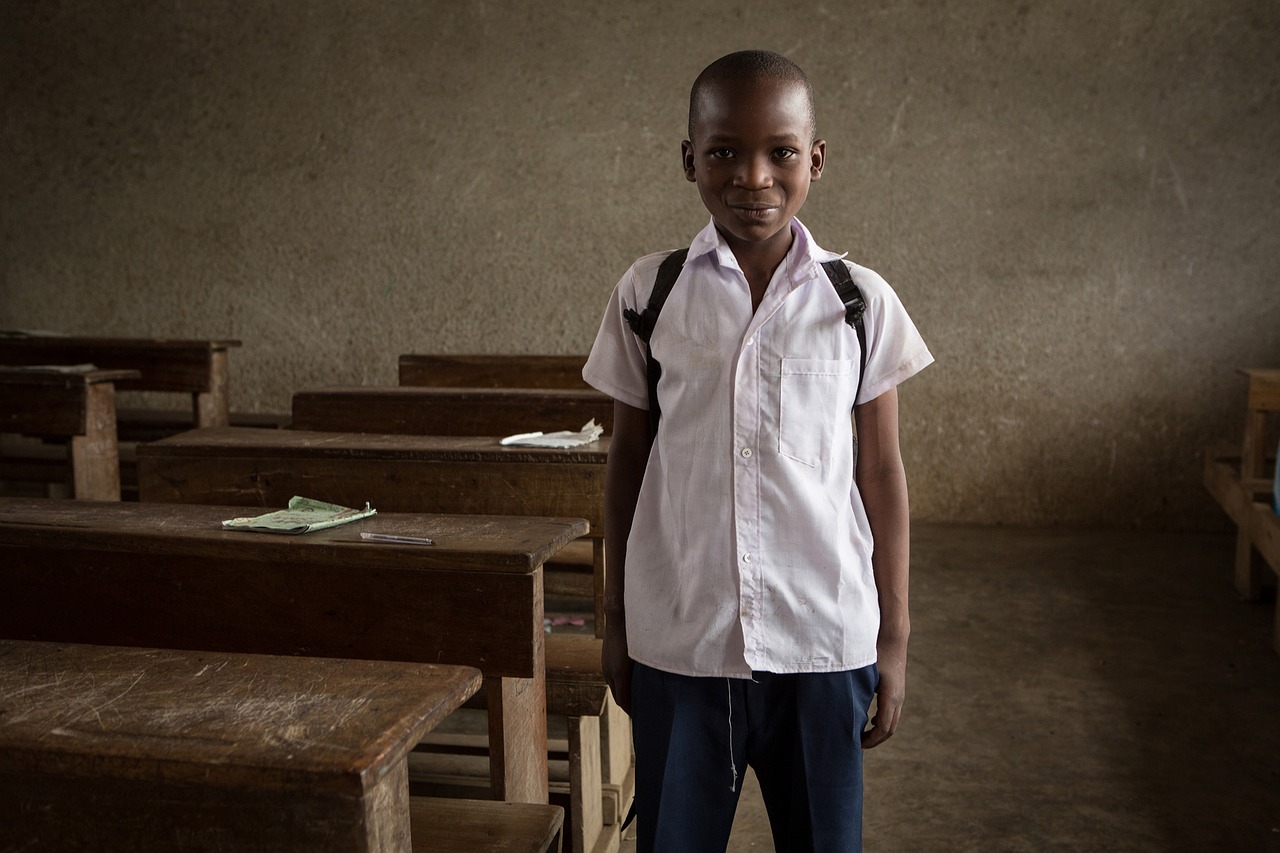
The classroom, often perceived as merely a room with desks and a whiteboard, is in reality the vibrant heart of the educational experience. It’s where curiosity is ignited, knowledge is shared, and future innovators are shaped. Far from static spaces, modern classrooms are dynamic ecosystems, carefully designed and managed to foster optimal learning, critical thinking, and social-emotional development. Understanding the multifaceted nature of these vital learning environments is key to unlocking their full potential and preparing students for an ever-evolving world.
The Transformative Power of Classroom Spaces
Modern education demands more than passive reception; it requires active participation, collaboration, and critical inquiry. Consequently, the physical and pedagogical design of classrooms has undergone a significant transformation, moving beyond traditional models to embrace more flexible and student-centered approaches.
From Traditional Rows to Dynamic Zones
Gone are the days when classrooms were synonymous with rigid rows of desks facing a single teacher. Today’s innovative learning environments prioritize flexibility and adaptability.
- Flexible Seating Arrangements: Instead of fixed desks, many classrooms now feature a variety of seating options – standing desks, beanbags, floor cushions, wobble stools, and small group tables – allowing students to choose what best suits their learning style and the task at hand.
- Defined Learning Zones: Classrooms are often segmented into distinct areas for different activities:
- Collaboration Zones: Large tables or clusters of desks for group projects.
- Quiet Zones: Individual carrels or comfortable corners for independent work and reflection.
- Technology Hubs: Designated areas with charging stations and access to devices.
- Presentation Areas: Open spaces with interactive whiteboards or projectors.
- Actionable Takeaway: Regularly reconfigure your classroom layout to match lesson objectives. For instance, arrange desks in a horseshoe for discussions, clusters for group work, or individually for test-taking.
Beyond the Four Walls: Blended Learning Environments
The concept of a “classroom” now extends beyond its physical boundaries, embracing digital tools and external spaces to create a rich blended learning experience.
- Outdoor Classrooms: Utilizing school gardens, courtyards, or local parks for science observations, reading, or collaborative projects brings new perspectives and sensory experiences to learning.
- Virtual Classrooms: Online platforms, video conferencing tools, and learning management systems (LMS) enable remote learning, resource sharing, and flipped classroom models, extending learning beyond school hours.
- Community Integration: Field trips, guest speakers, and service-learning projects connect classroom learning to real-world applications and community engagement.
- Practical Example: A science class might use a virtual lab simulation to explore chemical reactions before conducting a safe, hands-on experiment in the physical classroom.
Designing the Optimal Learning Environment
The physical design of a classroom significantly impacts student mood, focus, and engagement. Thoughtful design considers not just aesthetics but also functionality, comfort, and safety.
Layout and Furniture: Flexibility is Key
An adaptable classroom layout empowers both students and teachers, promoting diverse pedagogical approaches.
- Modular Furniture: Lightweight, movable tables and chairs allow for quick transitions between individual, paired, small-group, and whole-class configurations.
- Storage Solutions: Ample, organized storage for materials, personal belongings, and student projects keeps the space clutter-free and conducive to learning. Examples include cubbies, shelving units, and rolling carts.
- Vertical Space Utilization: Walls can serve as display boards for student work, anchor charts, and interactive learning tools, maximizing every inch of the educational space.
- Actionable Takeaway: Invest in furniture that serves multiple purposes or can be easily reconfigured. For example, trapezoid-shaped tables can form hexagons for group work or line up for individual tasks.
Aesthetics and Ambiance: Creating an Inviting Space
A visually appealing and comfortable environment can reduce stress and increase student readiness to learn.
- Color Psychology: Use calming colors like blues and greens in learning zones to promote focus, and brighter accents (yellow, orange) in creative or collaborative areas to stimulate energy.
- Natural Light: Maximize natural light exposure, which has been shown to improve mood, reduce eye strain, and boost academic performance. Position desks to avoid glare.
- Personalization: Allow students to contribute to decorating the classroom with their artwork, projects, or ideas, fostering a sense of ownership and belonging.
- Practical Example: A classroom with large windows, plants, and student artwork displayed prominently feels more welcoming and less institutional than one with fluorescent lights and bare walls.
Ergonomics and Comfort: Supporting Student Well-being
Physical comfort is paramount for sustained attention and participation.
- Adjustable Furniture: Desks and chairs should be adjustable to suit different student heights, promoting good posture and preventing discomfort.
- Temperature and Air Quality: Ensure proper ventilation and maintain a comfortable temperature. Poor air quality or extreme temperatures can significantly detract from learning.
- Noise Management: Consider acoustic panels or soft furnishings to absorb sound, creating a quieter environment, especially important for students with sensory sensitivities.
Integrating Technology for Enhanced Learning
Technology is no longer an optional add-on but an integral component of modern classrooms, transforming how students access information, collaborate, and demonstrate their learning.
Interactive Tools and Digital Resources
Technology empowers educators to create dynamic, engaging lessons and provides students with immediate access to a wealth of information.
- Interactive Whiteboards/Displays: These central tools allow for multimedia presentations, collaborative problem-solving, and annotation, making lessons more engaging.
- Tablets and Laptops: Providing 1:1 or shared devices enables personalized learning, research, content creation, and access to educational apps.
- Educational Software & Apps: Platforms for gamified learning (Kahoot!), virtual field trips (Google Expeditions), and adaptive learning (DreamBox) cater to diverse learning styles and paces.
- Practical Example: A history teacher might use an interactive display to project historical maps, allowing students to drag and drop elements or annotate events in real-time during a lesson on ancient civilizations.
Collaborative Tech for Group Work
Technology facilitates seamless teamwork, even when students are not physically side-by-side.
- Cloud-Based Collaboration Tools: Google Docs, Microsoft 365, and other platforms allow multiple students to work simultaneously on a single document, presentation, or spreadsheet.
- Video Conferencing: For connecting with guest speakers, other classrooms globally, or for remote group members.
- Project Management Tools: Simple digital tools can help groups track progress, assign tasks, and manage deadlines effectively.
Managing Technology Effectively
Successful technology integration requires thoughtful planning and management.
- Robust Wi-Fi Infrastructure: Essential for supporting multiple devices and online activities.
- Digital Citizenship Education: Teach students about responsible and ethical use of technology, online safety, and digital etiquette.
- Technical Support: Reliable IT support is crucial for troubleshooting issues and ensuring devices are operational.
- Actionable Takeaway: Start with one or two key technologies that align with your teaching goals rather than trying to implement everything at once. Provide clear guidelines for their use.
Cultivating Engagement and Collaboration
Beyond the physical space and tools, the pedagogical approaches adopted within classrooms are critical for fostering deep learning and positive student outcomes. Effective teaching strategies actively involve students in their learning journey.
Active Learning Strategies
Engaged students are active participants, not passive observers. Classrooms should be buzzing with purposeful activity.
- Project-Based Learning (PBL): Students work on real-world projects, developing critical thinking, problem-solving, and research skills.
- Inquiry-Based Learning: Encouraging students to ask questions, investigate topics, and construct their own understanding.
- Flipped Classrooms: Students review content (lectures, readings) at home, and class time is dedicated to discussions, activities, and problem-solving.
- Practical Example: Instead of lecturing on climate change, a teacher might challenge students to design a sustainable solution for their community, culminating in a presentation to local stakeholders.
Promoting Peer Interaction
Collaboration among students enhances understanding, develops social skills, and provides diverse perspectives.
- Think-Pair-Share: A simple yet effective strategy where students first ponder a question individually, then discuss it with a partner, and finally share their insights with the class.
- Jigsaw Groups: Students become “experts” on one aspect of a topic and then teach it to their peers in smaller groups.
- Structured Debates: Encouraging students to research, form arguments, and respectfully challenge each other’s viewpoints.
The Teacher’s Role in Facilitating Engagement
The educator acts as a facilitator, guide, and motivator in a student-centered classroom.
- Setting Clear Expectations: Establishing routines, norms, and a positive classroom culture.
- Providing Meaningful Feedback: Offering constructive feedback that guides students toward improvement rather than just grading.
- Building Relationships: Creating a supportive and trusting environment where students feel safe to take risks and express themselves.
- Actionable Takeaway: Regularly incorporate opportunities for student choice in projects, readings, or presentation formats to increase autonomy and engagement.
Building Inclusive and Equitable Classrooms
An effective classroom is one where every student feels valued, supported, and has equitable access to learning opportunities, regardless of their background, abilities, or learning styles. Creating inclusive classrooms is a moral imperative and an educational best practice.
Accessibility Features for All Learners
Physical and digital spaces must be designed to accommodate diverse needs.
- Universal Design for Learning (UDL): Principles applied to curriculum, instruction, and environment that aim to meet the needs of all learners by providing multiple means of engagement, representation, and action & expression.
- Physical Accessibility: Ramps, clear pathways, adjustable furniture, and appropriate lighting for students with mobility or visual impairments.
- Sensory Considerations: Creating quiet zones, offering fidget tools, and managing lighting/sound levels for students with sensory sensitivities (e.g., those with ADHD or autism).
- Practical Example: Providing captions for all videos, offering text-to-speech software, and allowing students to choose between writing an essay or creating a presentation for an assignment are all UDL principles in action.
Differentiated Instruction Through Space
The classroom layout can support varied learning needs and group configurations.
- Small Group Instruction Areas: Dedicated spaces for targeted support for students who need extra help or enrichment.
- Resource Centers: Clearly labeled areas with various learning aids, manipulatives, and differentiated materials.
- Break Zones: Designated areas where students can take a short break or engage in self-regulation activities when feeling overwhelmed.
Cultivating a Culture of Belonging
An inclusive classroom extends beyond physical accessibility to fostering a sense of community and respect.
- Promoting Diversity: Curating diverse classroom libraries, displaying multicultural materials, and celebrating different cultures and perspectives.
- Empathetic Communication: Teaching students active listening, perspective-taking, and respectful dialogue.
- Anti-Bias Education: Actively addressing biases and stereotypes, ensuring all students feel respected and seen.
- Actionable Takeaway: Regularly seek student feedback on what makes them feel safe, supported, and included in the classroom. Use their input to make adjustments.
Conclusion
The modern classroom is a dynamic, multifaceted entity that extends far beyond its four walls. From its architectural design and technological infrastructure to the pedagogical strategies employed and the culture of inclusivity fostered, every element plays a crucial role in shaping the learning experience. By embracing flexibility, integrating technology thoughtfully, promoting active engagement, and prioritizing equity, educators can transform classrooms into powerful engines of discovery, collaboration, and personal growth. Investing in these vital learning environments is an investment in the future, empowering students with the skills, knowledge, and confidence they need to thrive in a complex world.